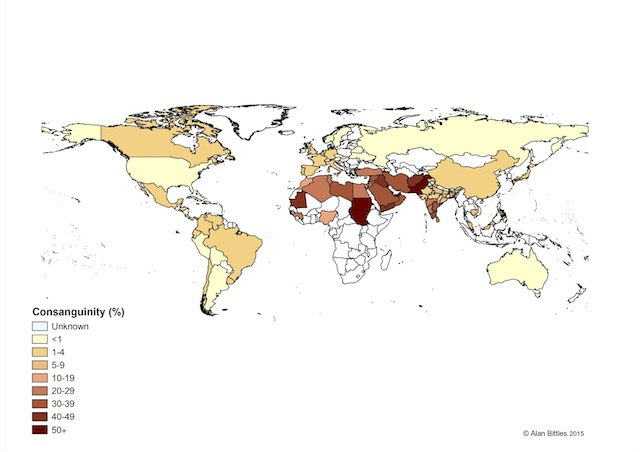

En nuestro ámbito geográfico existen dos poblaciones minoritarias que son de interés desde el punto de vista genético, principalmente por haber practicado históricamente la endogamia y presentar elevada consanguinidad, y por haber padecido cuellos de botella genéticos que han dado lugar al efecto fundador en algunas enfermedades.
- Enfermedades mendelianas causadas por mutaciones privativas con efecto fundador en la población gitana.
| Disorder | OMIM* | Inheritance | Map | Gene | Mutation |
| Location | |||||
| Primary congenital | 231300 | AR | 2p21 | CYP1B1 | E387K |
| Glaucoma | |||||
| Galactokinase | 230200 | AR | 17q24 | GK1 | P28T |
| Deficiency | |||||
| Polycystic kidney | 173900 | AD | 4q21-q23 | PKD2 | R306X** |
| Disease | |||||
| Hereditary motor and | 601455 | AR | 8q24 | NDRG1 | R148X |
| Sensory neuropathy-Lom | |||||
| Hereditary motor and | 605285 | AR | 10q23 | ||
| Sensory neuropathy-Russe | |||||
| Congenital cataracts facial | 604168 | AR | 18qter | ||
| dysmorphism neuropathy |
- Reported carrier rates for single gene disorders among the Roma
| Disorder | Country | General | High-risk |
| Roma | groups | ||
| Primary congenital glaucoma | Slovakia | 5% | *11% |
| Galactokinase | Bulgaria | 2% | *4%-5% |
| Deficiency | |||
| Autosomal dominant polycystic | Hungary | 2.4% | |
| kidney disease | |||
| Hereditary motor and sensory | Bulgaria | *2% | *20% |
| neuropathy-Lom | |||
| Limb girdle muscular dystrophy | **Bulgaria | 2% | 6% |
| type 2C | |||
| MCAD deficiency | ***Spain | *2.5%-10% | |
| Phenylketonuria | Czecho | 6% | |
| slovakia | |||
| Oculocutaneous albinism | Spain | 3.4% | |
| Fraser syndrome | Spain | 2.7% | |
| Epidermolysis bullosa | Spain | 2.4% |
332710
{332710:ANCK8WJG}
1
vancouver
50
default
1698
https://neuropediatoolkit.org/wp-content/plugins/zotpress/
%7B%22status%22%3A%22success%22%2C%22updateneeded%22%3Afalse%2C%22instance%22%3Afalse%2C%22meta%22%3A%7B%22request_last%22%3A0%2C%22request_next%22%3A0%2C%22used_cache%22%3Atrue%7D%2C%22data%22%3A%5B%7B%22key%22%3A%22ANCK8WJG%22%2C%22library%22%3A%7B%22id%22%3A332710%7D%2C%22meta%22%3A%7B%22creatorSummary%22%3A%22Kalaydjieva%20et%20al.%22%2C%22parsedDate%22%3A%222001-04-02%22%2C%22numChildren%22%3A2%7D%2C%22bib%22%3A%22%26lt%3Bdiv%20class%3D%26quot%3Bcsl-bib-body%26quot%3B%20style%3D%26quot%3Bline-height%3A%201.35%3B%20%26quot%3B%26gt%3B%5Cn%20%20%26lt%3Bdiv%20class%3D%26quot%3Bcsl-entry%26quot%3B%20style%3D%26quot%3Bclear%3A%20left%3B%20%26quot%3B%26gt%3B%5Cn%20%20%20%20%26lt%3Bdiv%20class%3D%26quot%3Bcsl-left-margin%26quot%3B%20style%3D%26quot%3Bfloat%3A%20left%3B%20padding-right%3A%200.5em%3B%20text-align%3A%20right%3B%20width%3A%201em%3B%26quot%3B%26gt%3B1.%26lt%3B%5C%2Fdiv%26gt%3B%26lt%3Bdiv%20class%3D%26quot%3Bcsl-right-inline%26quot%3B%20style%3D%26quot%3Bmargin%3A%200%20.4em%200%201.5em%3B%26quot%3B%26gt%3BKalaydjieva%20L%2C%20Gresham%20D%2C%20Calafell%20F.%20Genetic%20studies%20of%20the%20Roma%20%28Gypsies%29%3A%20a%20review.%20BMC%20Med%20Genet%20%5BInternet%5D.%202001%20Apr%202%20%5Bcited%202021%20Apr%2011%5D%3B2%3A5.%20Available%20from%3A%20%26lt%3Ba%20class%3D%26%23039%3Bzp-ItemURL%26%23039%3B%20href%3D%26%23039%3Bhttps%3A%5C%2F%5C%2Fwww.ncbi.nlm.nih.gov%5C%2Fpmc%5C%2Farticles%5C%2FPMC31389%5C%2F%26%23039%3B%26gt%3Bhttps%3A%5C%2F%5C%2Fwww.ncbi.nlm.nih.gov%5C%2Fpmc%5C%2Farticles%5C%2FPMC31389%5C%2F%26lt%3B%5C%2Fa%26gt%3B%26lt%3B%5C%2Fdiv%26gt%3B%5Cn%20%20%26lt%3B%5C%2Fdiv%26gt%3B%5Cn%26lt%3B%5C%2Fdiv%26gt%3B%22%2C%22data%22%3A%7B%22itemType%22%3A%22journalArticle%22%2C%22title%22%3A%22Genetic%20studies%20of%20the%20Roma%20%28Gypsies%29%3A%20a%20review%22%2C%22creators%22%3A%5B%7B%22creatorType%22%3A%22author%22%2C%22firstName%22%3A%22Luba%22%2C%22lastName%22%3A%22Kalaydjieva%22%7D%2C%7B%22creatorType%22%3A%22author%22%2C%22firstName%22%3A%22David%22%2C%22lastName%22%3A%22Gresham%22%7D%2C%7B%22creatorType%22%3A%22author%22%2C%22firstName%22%3A%22Francesc%22%2C%22lastName%22%3A%22Calafell%22%7D%5D%2C%22abstractNote%22%3A%22Background%5CnData%20provided%20by%20the%20social%20sciences%20as%20well%20as%20genetic%20research%20suggest%20that%20the%208-10%20million%20Roma%20%28Gypsies%29%20who%20live%20in%20Europe%20today%20are%20best%20described%20as%20a%20conglomerate%20of%20genetically%20isolated%20founder%20populations.%20The%20relationship%20between%20the%20traditional%20social%20structure%20observed%20by%20the%20Roma%2C%20where%20the%20Group%20is%20the%20primary%20unit%2C%20and%20the%20boundaries%2C%20demographic%20history%20and%20biological%20relatedness%20of%20the%20diverse%20founder%20populations%20appears%20complex%20and%20has%20not%20been%20addressed%20by%20population%20genetic%20studies.%5Cn%5CnResults%5CnRecent%20medical%20genetic%20research%20has%20identified%20a%20number%20of%20novel%2C%20or%20previously%20known%20but%20rare%20conditions%2C%20caused%20by%20private%20founder%20mutations.%20A%20summary%20of%20the%20findings%2C%20provided%20in%20this%20review%2C%20should%20assist%20diagnosis%20and%20counselling%20in%20affected%20families%2C%20and%20promote%20future%20collaborative%20research.%20The%20available%20incomplete%20epidemiological%20data%20suggest%20a%20non-random%20distribution%20of%20disease-causing%20mutations%20among%20Romani%20groups.%5Cn%5CnConclusion%5CnAlthough%20far%20from%20systematic%2C%20the%20published%20information%20indicates%20that%20medical%20genetics%20has%20an%20important%20role%20to%20play%20in%20improving%20the%20health%20of%20this%20underprivileged%20and%20forgotten%20people%20of%20Europe.%20Reported%20carrier%20rates%20for%20some%20Mendelian%20disorders%20are%20in%20the%20range%20of%205%20-15%25%2C%20sufficient%20to%20justify%20newborn%20screening%20and%20early%20treatment%2C%20or%20community-based%20education%20and%20carrier%20testing%20programs%20for%20disorders%20where%20no%20therapy%20is%20currently%20available.%20To%20be%20most%20productive%2C%20future%20studies%20of%20the%20epidemiology%20of%20single%20gene%20disorders%20should%20take%20social%20organisation%20and%20cultural%20anthropology%20into%20consideration%2C%20thus%20allowing%20the%20targeting%20of%20public%20health%20programs%20and%20contributing%20to%20the%20understanding%20of%20population%20structure%20and%20demographic%20history%20of%20the%20Roma.%22%2C%22date%22%3A%222001-4-2%22%2C%22section%22%3A%22%22%2C%22partNumber%22%3A%22%22%2C%22partTitle%22%3A%22%22%2C%22DOI%22%3A%2210.1186%5C%2F1471-2350-2-5%22%2C%22citationKey%22%3A%22%22%2C%22url%22%3A%22https%3A%5C%2F%5C%2Fwww.ncbi.nlm.nih.gov%5C%2Fpmc%5C%2Farticles%5C%2FPMC31389%5C%2F%22%2C%22PMID%22%3A%2211299048%22%2C%22PMCID%22%3A%22PMC31389%22%2C%22ISSN%22%3A%221471-2350%22%2C%22language%22%3A%22%22%2C%22collections%22%3A%5B%22PPC7IL9U%22%5D%2C%22dateModified%22%3A%222025-09-04T16%3A48%3A17Z%22%7D%7D%5D%7D
1.
Kalaydjieva L, Gresham D, Calafell F. Genetic studies of the Roma (Gypsies): a review. BMC Med Genet [Internet]. 2001 Apr 2 [cited 2021 Apr 11];2:5. Available from: https://www.ncbi.nlm.nih.gov/pmc/articles/PMC31389/
Además de los cuadros anteriores, también hay descrita una forma de miastenia congénita que es más frecuente en la población gitana que en la población general, en particular la mutación epsilon1267delG en el gen de la subunidad epsilon del receptor de acetilcolina (AChR).
332710
{332710:VGNJRAMR}
1
vancouver
50
default
1698
https://neuropediatoolkit.org/wp-content/plugins/zotpress/
%7B%22status%22%3A%22success%22%2C%22updateneeded%22%3Afalse%2C%22instance%22%3Afalse%2C%22meta%22%3A%7B%22request_last%22%3A0%2C%22request_next%22%3A0%2C%22used_cache%22%3Atrue%7D%2C%22data%22%3A%5B%7B%22key%22%3A%22VGNJRAMR%22%2C%22library%22%3A%7B%22id%22%3A332710%7D%2C%22meta%22%3A%7B%22creatorSummary%22%3A%22Abicht%20et%20al.%22%2C%22parsedDate%22%3A%221999-10-22%22%2C%22numChildren%22%3A1%7D%2C%22bib%22%3A%22%26lt%3Bdiv%20class%3D%26quot%3Bcsl-bib-body%26quot%3B%20style%3D%26quot%3Bline-height%3A%201.35%3B%20%26quot%3B%26gt%3B%5Cn%20%20%26lt%3Bdiv%20class%3D%26quot%3Bcsl-entry%26quot%3B%20style%3D%26quot%3Bclear%3A%20left%3B%20%26quot%3B%26gt%3B%5Cn%20%20%20%20%26lt%3Bdiv%20class%3D%26quot%3Bcsl-left-margin%26quot%3B%20style%3D%26quot%3Bfloat%3A%20left%3B%20padding-right%3A%200.5em%3B%20text-align%3A%20right%3B%20width%3A%201em%3B%26quot%3B%26gt%3B1.%26lt%3B%5C%2Fdiv%26gt%3B%26lt%3Bdiv%20class%3D%26quot%3Bcsl-right-inline%26quot%3B%20style%3D%26quot%3Bmargin%3A%200%20.4em%200%201.5em%3B%26quot%3B%26gt%3BAbicht%20A%2C%20Stucka%20R%2C%20Karcagi%20V%2C%20Herczegfalvi%20A%2C%20Horv%26%23xE1%3Bth%20R%2C%20Mortier%20W%2C%20et%20al.%20A%20common%20mutation%20%28epsilon1267delG%29%20in%20congenital%20myasthenic%20patients%20of%20Gypsy%20ethnic%20origin.%20Neurology.%201999%20Oct%2022%3B53%287%29%3A1564%26%23x2013%3B9.%26lt%3B%5C%2Fdiv%26gt%3B%5Cn%20%20%20%26lt%3B%5C%2Fdiv%26gt%3B%5Cn%26lt%3B%5C%2Fdiv%26gt%3B%22%2C%22data%22%3A%7B%22itemType%22%3A%22journalArticle%22%2C%22title%22%3A%22A%20common%20mutation%20%28epsilon1267delG%29%20in%20congenital%20myasthenic%20patients%20of%20Gypsy%20ethnic%20origin%22%2C%22creators%22%3A%5B%7B%22creatorType%22%3A%22author%22%2C%22firstName%22%3A%22A.%22%2C%22lastName%22%3A%22Abicht%22%7D%2C%7B%22creatorType%22%3A%22author%22%2C%22firstName%22%3A%22R.%22%2C%22lastName%22%3A%22Stucka%22%7D%2C%7B%22creatorType%22%3A%22author%22%2C%22firstName%22%3A%22V.%22%2C%22lastName%22%3A%22Karcagi%22%7D%2C%7B%22creatorType%22%3A%22author%22%2C%22firstName%22%3A%22A.%22%2C%22lastName%22%3A%22Herczegfalvi%22%7D%2C%7B%22creatorType%22%3A%22author%22%2C%22firstName%22%3A%22R.%22%2C%22lastName%22%3A%22Horv%5Cu00e1th%22%7D%2C%7B%22creatorType%22%3A%22author%22%2C%22firstName%22%3A%22W.%22%2C%22lastName%22%3A%22Mortier%22%7D%2C%7B%22creatorType%22%3A%22author%22%2C%22firstName%22%3A%22U.%22%2C%22lastName%22%3A%22Schara%22%7D%2C%7B%22creatorType%22%3A%22author%22%2C%22firstName%22%3A%22V.%22%2C%22lastName%22%3A%22Ramaekers%22%7D%2C%7B%22creatorType%22%3A%22author%22%2C%22firstName%22%3A%22W.%22%2C%22lastName%22%3A%22Jost%22%7D%2C%7B%22creatorType%22%3A%22author%22%2C%22firstName%22%3A%22J.%22%2C%22lastName%22%3A%22Brunner%22%7D%2C%7B%22creatorType%22%3A%22author%22%2C%22firstName%22%3A%22G.%22%2C%22lastName%22%3A%22Janssen%22%7D%2C%7B%22creatorType%22%3A%22author%22%2C%22firstName%22%3A%22U.%22%2C%22lastName%22%3A%22Seidel%22%7D%2C%7B%22creatorType%22%3A%22author%22%2C%22firstName%22%3A%22B.%22%2C%22lastName%22%3A%22Schlotter%22%7D%2C%7B%22creatorType%22%3A%22author%22%2C%22firstName%22%3A%22W.%22%2C%22lastName%22%3A%22M%5Cu00fcller-Felber%22%7D%2C%7B%22creatorType%22%3A%22author%22%2C%22firstName%22%3A%22D.%22%2C%22lastName%22%3A%22Pongratz%22%7D%2C%7B%22creatorType%22%3A%22author%22%2C%22firstName%22%3A%22R.%22%2C%22lastName%22%3A%22R%5Cu00fcdel%22%7D%2C%7B%22creatorType%22%3A%22author%22%2C%22firstName%22%3A%22H.%22%2C%22lastName%22%3A%22Lochm%5Cu00fcller%22%7D%5D%2C%22abstractNote%22%3A%22OBJECTIVE%3A%20Mutation%20analysis%20of%20the%20acetylcholine%20receptor%20%28AChR%29%20epsilon%20subunit%20gene%20in%20patients%20with%20sporadic%20or%20autosomal%20recessive%20congenital%20myasthenic%20syndromes%20%28CMS%29.%5CnBACKGROUND%3A%20The%20nicotinic%20AChR%20of%20skeletal%20muscle%20is%20a%20neurotransmitter-gated%20ion%20channel%20that%20mediates%20synaptic%20transmission%20at%20the%20vertebrate%20neuromuscular%20junction.%20Mutations%20in%20its%20gene%20may%20cause%20congenital%20myasthenic%20syndromes.%20A%20recently%20described%20mutation%20in%20exon%2012%20of%20the%20AChR%20epsilon%20subunit%20%28epsilon1267delG%29%20disrupts%20the%20cytoplasmic%20loop%20and%20the%20fourth%20transmembrane%20region%20%28M4%29%20of%20the%20AChR%20epsilon%20subunit.%5CnMETHODS%3A%20Forty-three%20CMS%20patients%20from%2035%20nonrelated%20families%20were%20clinically%20classified%20as%20sporadic%20cases%20of%20CMS%20%28group%20III%20according%20to%20European%20Neuromuscular%20Centre%20consensus%29%20and%20were%20analyzed%20for%20epsilon1267delG%20by%20PCR%20amplification%20and%20sequence%20analysis.%5CnRESULTS%3A%20The%20authors%20report%20the%20complete%20genomic%20sequence%20and%20organization%20of%20the%20gene%20coding%20for%20the%20epsilon%20subunit%20of%20the%20human%20AChR%20%28accession%20number%20AF105999%29.%20Homozygous%20epsilon1267delG%20was%20identified%20in%2013%20CMS%20patients%20from%2011%20independent%20families.%20All%20epsilon1267delG%20families%20were%20of%20Gypsy%20or%20southeastern%20European%20origin.%20Genotype%20analysis%20indicated%20that%20they%20derive%20from%20a%20common%20ancestor%20%28founder%29%20causing%20CMS%20in%20the%20southeastern%20European%20Gypsy%20population.%20Phenotype%20analysis%20revealed%20a%20uniform%20pattern%20of%20clinical%20features%20including%20bilateral%20ptosis%20and%20mild%20to%20moderate%20fatigable%20weakness%20of%20ocular%2C%20facial%2C%20bulbar%2C%20and%20limb%20muscles.%5CnCONCLUSIONS%3A%20The%20mutation%20epsilon1267delG%20might%20be%20frequent%20in%20European%20congenital%20myasthenic%20syndrome%20patients%20of%20Gypsy%20ethnic%20origin.%20In%20general%2C%20patients%20%28epsilon1267delG%29%20were%20characterized%20by%20the%20onset%20of%20symptoms%20in%20early%20infancy%2C%20the%20presence%20of%20ophthalmoparesis%2C%20positive%20response%20to%20anticholinesterase%20treatment%2C%20and%20the%20benign%20natural%20course%20of%20the%20disease.%22%2C%22date%22%3A%221999-10-22%22%2C%22section%22%3A%22%22%2C%22partNumber%22%3A%22%22%2C%22partTitle%22%3A%22%22%2C%22DOI%22%3A%2210.1212%5C%2Fwnl.53.7.1564%22%2C%22citationKey%22%3A%22%22%2C%22url%22%3A%22%22%2C%22PMID%22%3A%2210534268%22%2C%22PMCID%22%3A%22%22%2C%22ISSN%22%3A%220028-3878%22%2C%22language%22%3A%22eng%22%2C%22collections%22%3A%5B%22YHF7FVV6%22%5D%2C%22dateModified%22%3A%222025-09-27T23%3A08%3A42Z%22%7D%7D%5D%7D
1.
Abicht A, Stucka R, Karcagi V, Herczegfalvi A, Horváth R, Mortier W, et al. A common mutation (epsilon1267delG) in congenital myasthenic patients of Gypsy ethnic origin. Neurology. 1999 Oct 22;53(7):1564–9.