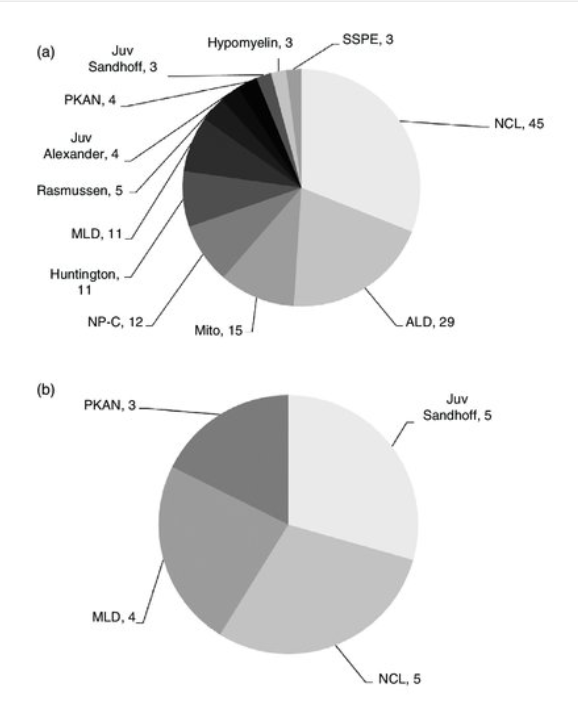
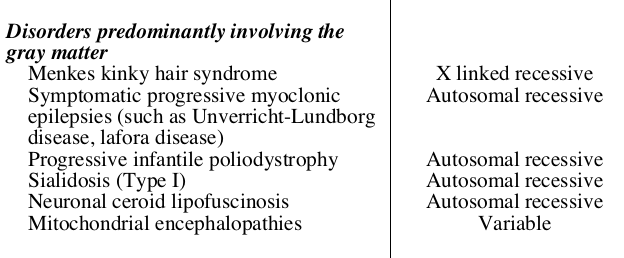
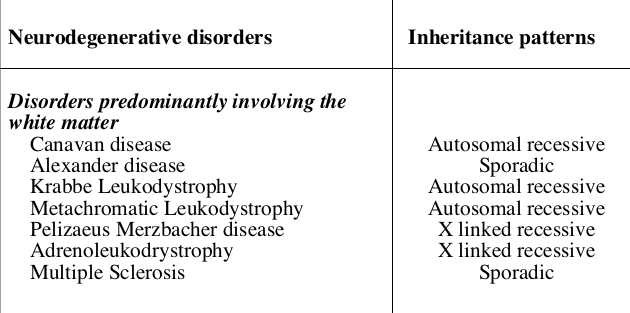
The childhood dementia is a classic term in pediatric neurology, which has tried to become more operative through the concept of PIND (progressive intellectual and neurological deterioration), which seeks to encompass all the neurodegenerative syndromes of childhood. This concept includes:
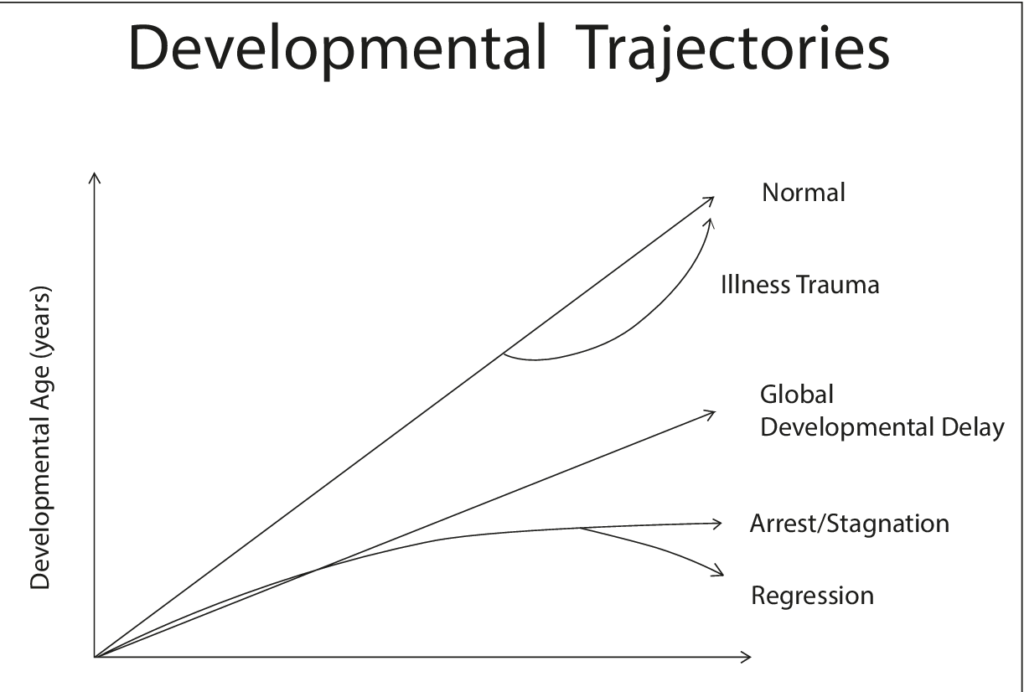
Presence of Developmental regression (loss of already established intellectual capacities and learning),.
Progressive (does not self-limit in time but is persistent until the child loses all his abilities, even the most basic, such as wandering or continence of sphincters).
Generalized (does not affect a single cognitive or developmental domain).
Occurrence for neurological symptoms and signs associated, evidenced through clinical examination (oculomotor disorder, pyramidalism, ataxia, movement disorders, epilepsy).
There are tests of targeted screening to rule out some of these diseases, with the aim of obtaining an early diagnosis and anticipating the catastrophic evolution they present.
Diagnostic criteria for PIND
Case definition – progressive intellectual and neurological deterioration (UK PIND registry).
Any child (under 16y of age at onset of symptoms) who fulfils all of the following three criteria: Progressive deterioration for more than 3mo; Loss of already attained intellectual or developmental abilities; and Development of abnormal neurological signs
Excluding
Static intellectual loss (e.g. after encephalitis, head injury, or near drowning)
Including
Children who meet the case definition, even if specific neurological diagnoses have been made
Metabolic disorders leading to neurological deterioration
Seizure disorders if associated with progressive deterioration
Children who have been diagnosed as having neurodegenerative disorders who have not yet developed symptoms
Reporting restricted to cases seen in the last month but including those whose condition began earlier (i.e. including ‘old cases’ of children in follow‐up if seen in that month)
Verity C, Baker E, Maunder P, Pal S, Winstone AM. Differential diagnosis of progressive intellectual and neurological deterioration in children. Dev Med Child Neurol [Internet]. 2021 Mar [cited 2022 Oct 15];63(3):287–94. Available from: https://www.ncbi.nlm.nih.gov/pmc/articles/PMC7891454/
Pseudoregression.
It is necessary to differentiate true regression from pseudoregression.
Pseudo-regression in static encephalopathies: Natural evolution of static encephalopathies, which can present a worsening related to the stage of postpubertal development, as a consequence of the biological changes that occur in the body with the arrival of adulthood (worsening of spasticity).
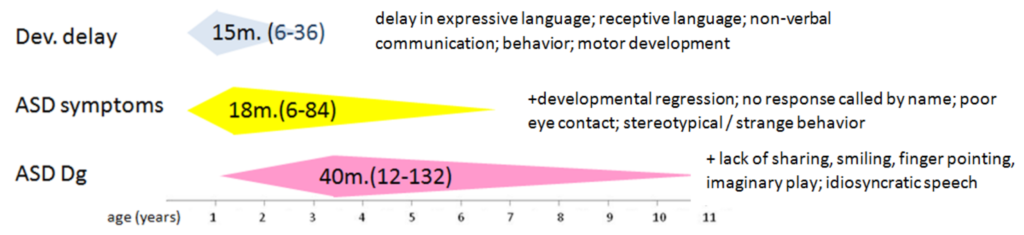
Autistic regression. It is characteristic in children with ASD, appears between 18 and 24 months, mainly affects language, but does not present a subsequent progression.
Psychogenic pseudo-regression. It is the loss of milestones of development already acquired (such as the control of sphincters) usual in young children, as a result of changes in the environment (birth of a sibling, etc.), transient and with an identifiable emotional trigger.
Diseases causing PIND
Lysosomal Diseases.
Lysosomal diseases that affect lipid transport and metabolism.
• Combined saposin (prosaposin) deficiency • Farber disease • Gaucher disease (type 2) • Gaucher disease (type 3) • Globoid cell leukodystrophy (Krabbe disease) • GM1 gangliosidosis (type 1 and 2) • GM2 gangliosidosis – AB variant • GM2 gangliosidosis (Tay Sachs disease) • GM2 gangliosidosis (Sandhoff disease) • Metachromatic leukodystrophy • Multiple sulfatase deficiency • Niemann-Pick disease type A • Niemann-Pick disease type C • Saposin A deficiency • Saposin B deficiency • Saposin C deficiency
Glycoproteinosis.
• Alpha-mannosidosis • α-N-acetylgalactosaminidase deficiency (Schindler disease (type I)) • Aspartylglucosaminuria (AGU) • Beta-mannosidosis • Fucosidosis (type I and II) • Galactosialidosis (cathepsin A mutation) • Mucolipidosis type I (sialidosis type II) • Mucolipidosis type II (i-cell disease) • Mucolipidosis type IV
Childhood dementia is a website dedicated to the dissemination and awareness of these diseases, with the aim of raising awareness among the population and health authorities on the importance of investment in research for the progress of treatments for these devastating diseases.