

MPS-I (Hurler)
MPS-I, also known as Hurler's disease, is a serious genetic condition that belongs to the family of progressive demyelination diseases. This disorder is caused by deficiency of the enzyme alkaline glucosidase (GAA), which is crucial for the breakdown of molecules called heparan sulfates. Accumulation of heparan sulfates in cells prevents them from functioning properly, leading to progressive damage to multiple body systems.
Pathophysiology: GAA deficiency prevents the proper breakdown of heparan sulfates, which accumulate in the brain, connective tissue, and other organs. This causes damage at the cellular and organic level, which can lead to neurological, cardiac, and respiratory complications.
Representative Clinical Case: A 2-year-old boy presents with signs of hypotonia, hearing loss, and difficulty walking. Neurological evaluation reveals signs of demyelination in the spinal cord and brain. A liver biopsy is performed, which shows Gaucher granuloma and reduced levels of alkaline glucosidase.
Explanatory Images:
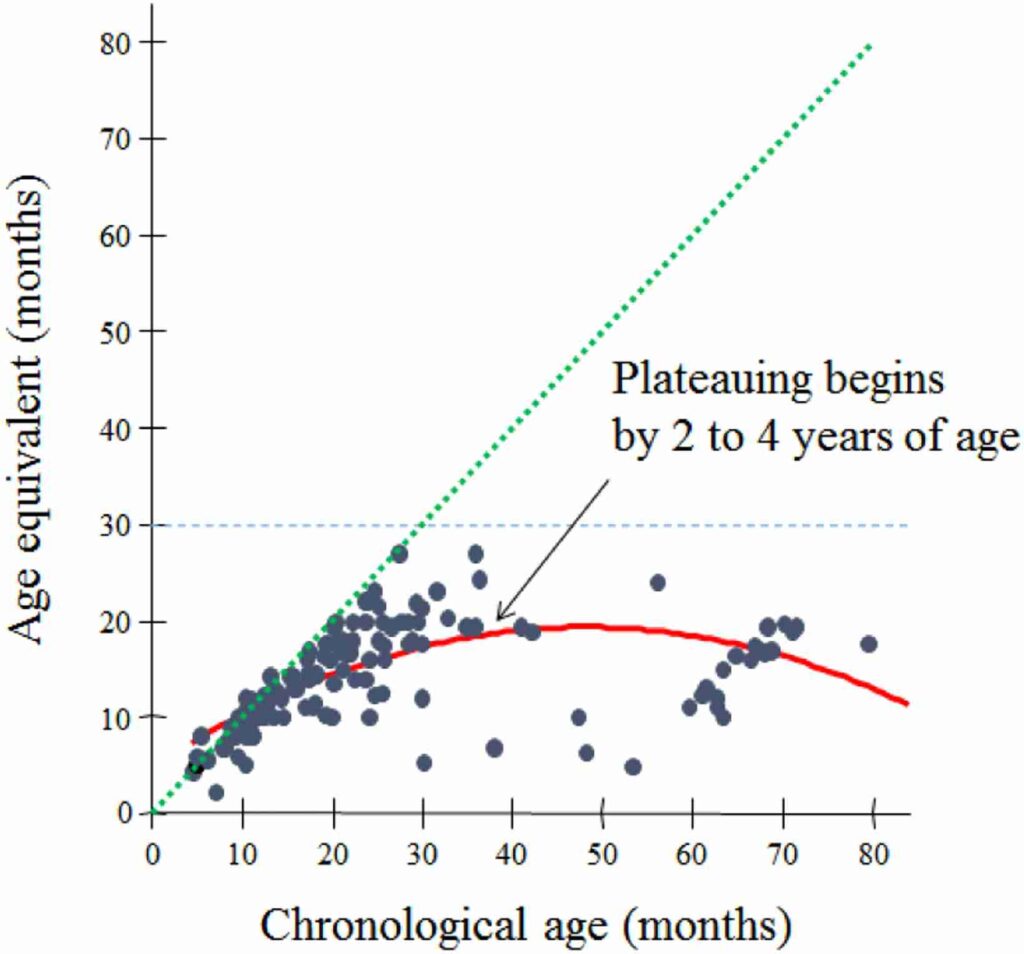
MPS-II
MPS-II, or Hunter's disease, is caused by deficiency of the enzyme alkaline N-acetyl glucosidase (NAGLU), which is needed to break down molecules called heparan sulfates and dermatan sulfates. The accumulation of these molecules causes damage to multiple organs and systems, including the brain.
Pathophysiology: NAGLU deficiency prevents the proper breakdown of heparan sulfates and dermatan sulfates, causing progressive damage at the cellular and organ levels. Brain damage is particularly severe in this condition, with signs of demyelination and neurodegeneration.
Representative Clinical Case: A 5-year-old boy presents with signs of hearing loss, difficulty walking, and signs of demyelination in the spinal cord. Neurological evaluation reveals signs of demyelination in the brain. A liver biopsy is performed, which shows Gaucher granuloma and reduced levels of alkaline N-acetyl glucosidase.
Explanatory Images:
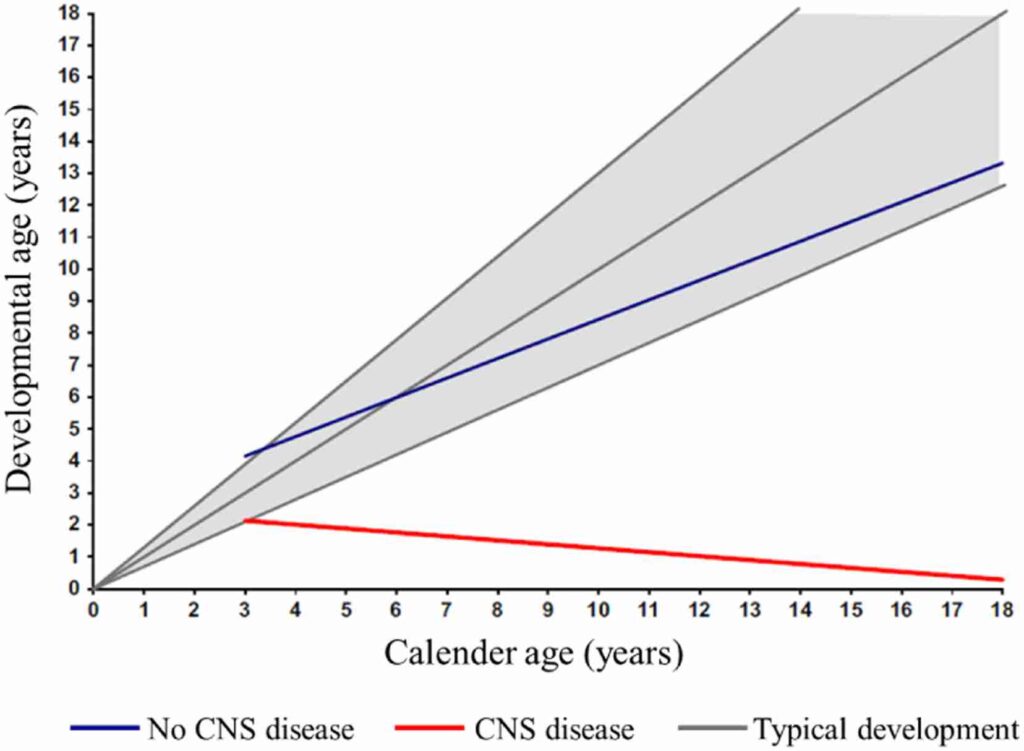
MPS-III (Sanfilippo)
MPS-III, or Sanfilippo disease, is caused by a deficiency of three key enzymes in the breakdown of molecules called heparan sulfates: heparan sulfate N-acetylaminidase (HSA), alkaline glucosidase (GAA), and N-acetyl alkaline glucosidase (NAGLU). The accumulation of heparan sulfates in cells causes progressive damage to multiple body systems.
Pathophysiology: Deficiency of these enzymes prevents the proper breakdown of heparan sulfates, leading to progressive damage at the cellular and organ level. Demyelination in the brain is particularly serious in this condition.
Representative Clinical Case: A 6-year-old boy presents with signs of hearing loss, difficulty walking, and signs of demyelination in the spinal cord. Neurological evaluation reveals signs of demyelination in the brain. A liver biopsy is performed, which shows Gaucher granuloma and reduced levels of the aforementioned enzymes.
Explanatory Images:
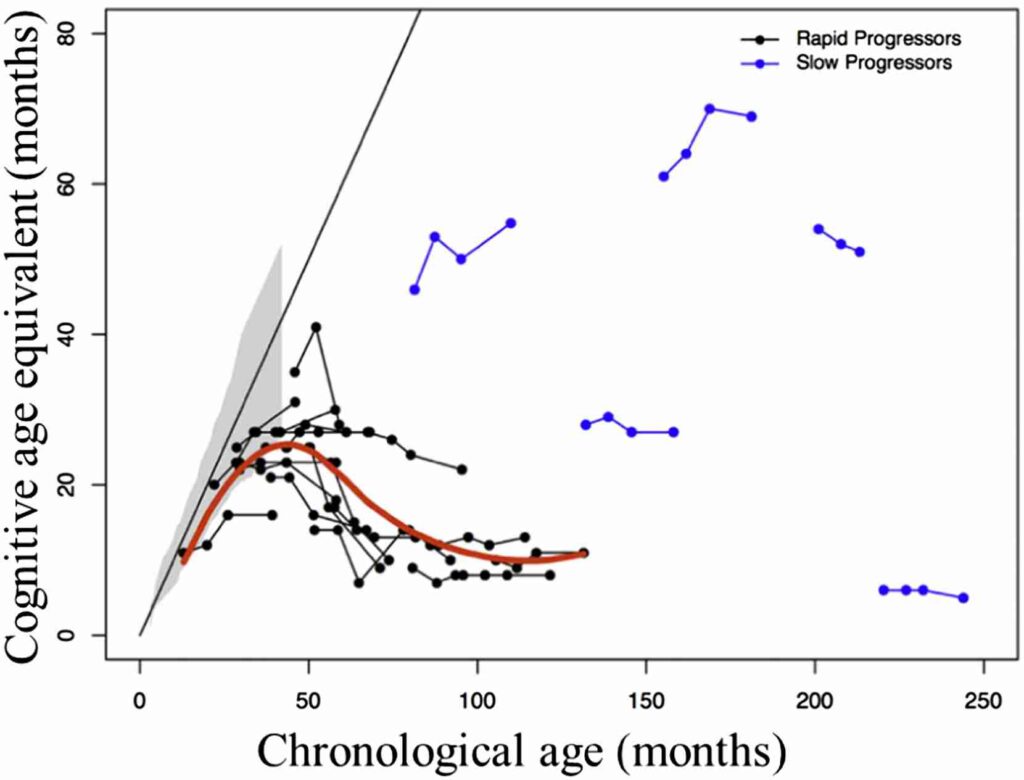
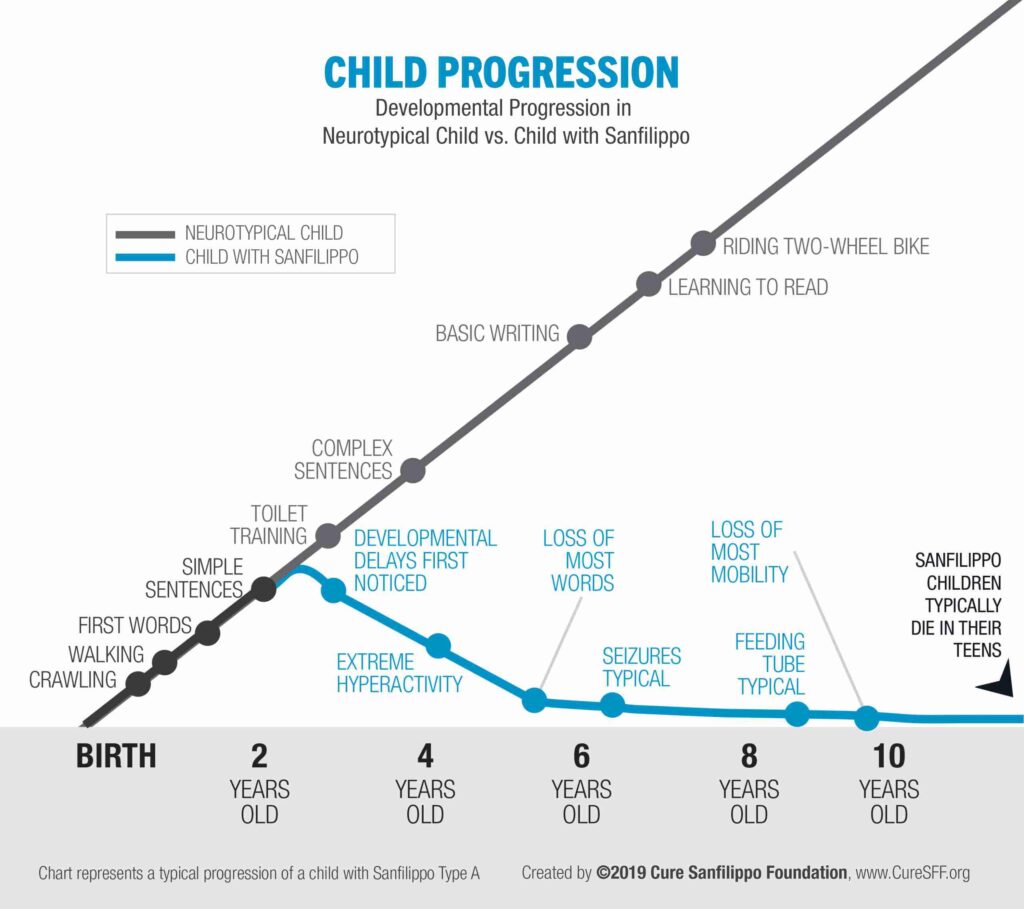
Image Interpretation: In the image above, signs of demyelination are seen in the brain of a patient with MPS-III. In the image below, a graph is shown illustrating the clinical progression of the disease.