Neuro-ophthalmology is a complex area and there is usually no formal training. It sits between several specialties, making it difficult to determine the responsibilities of each professional.

On the web Neuroophtalmology at your fingertips, there are educational videos on the neuroscience on which neuro-ophthalmology is based.

On the website of the NOVEL (Neuro Ophtalmology Education Library) of UTAH there is a compendium of video recordings featuring the most common neuro-ophthalmological examination techniques.

Smart Optometry is an Android application that has multiple tools for neuro-ophthalmological assessment (visual acuity, Ishihara test, Amsler grid, etc.).

CN II.
Fundus examination.

Malformative pathology of the optic nerve.

Congenital optic neuropathies.

Progressive optic neuropathies.

Inflammatory optic neuropathies.

Retinitis pigmentosa.

Cherry-red spot.

Visual field.
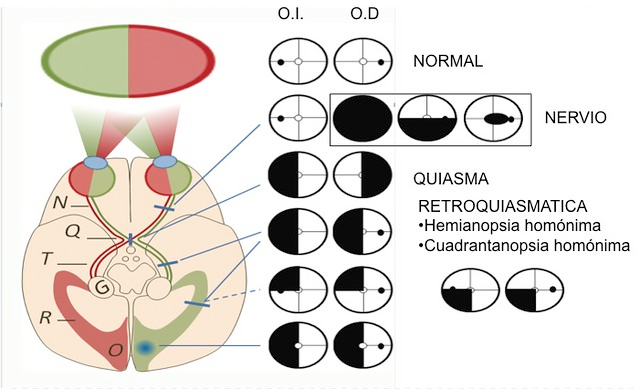
Visual acuity.
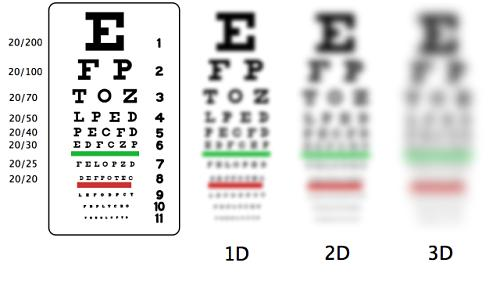
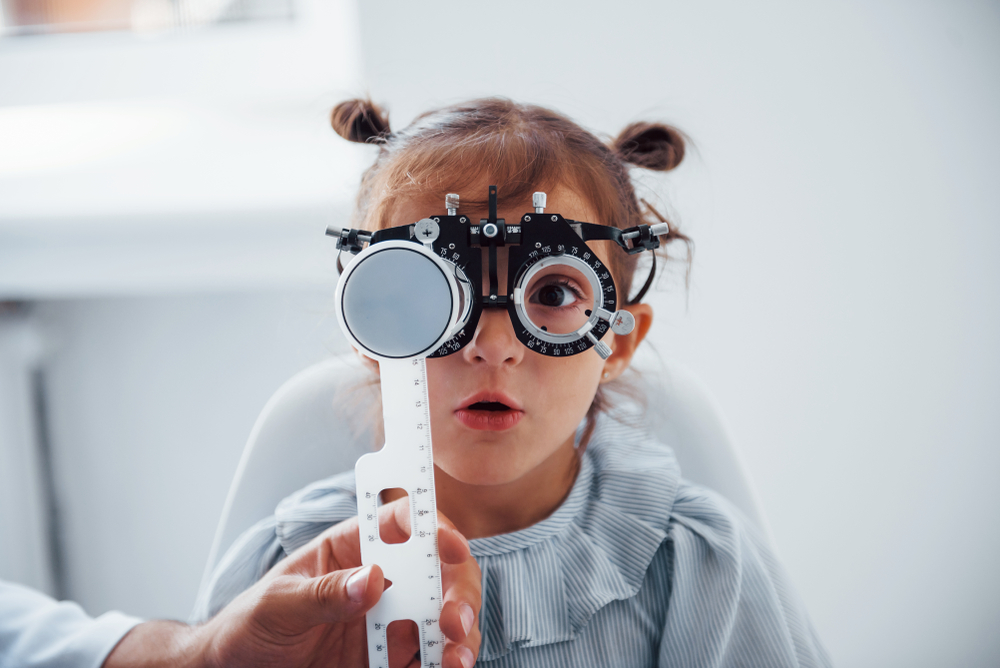
Visual acuity in children is complex to evaluate, since it depends on age and the ability to report symptoms.

From 0 to 12 months, we can infer it through visual fixation, and use the optokinetic drum for indirect assessment.

There are mobile applications that have optokinetic tape, such as Smart Optometry.

From 12 months and until the acquisition of reading and writing, we will have to use specific systems for children, such as the LEA or Pigassou symbols.

Chromatopsia.
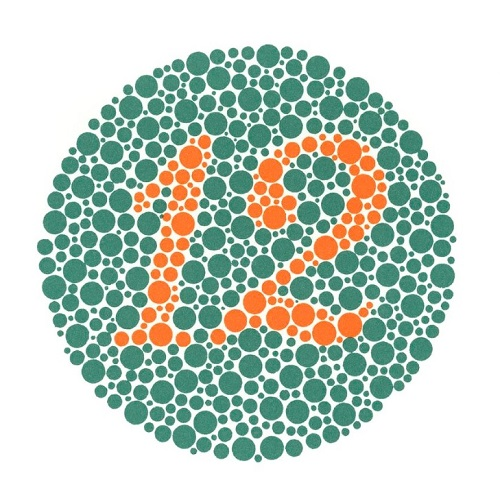
Ishihara test
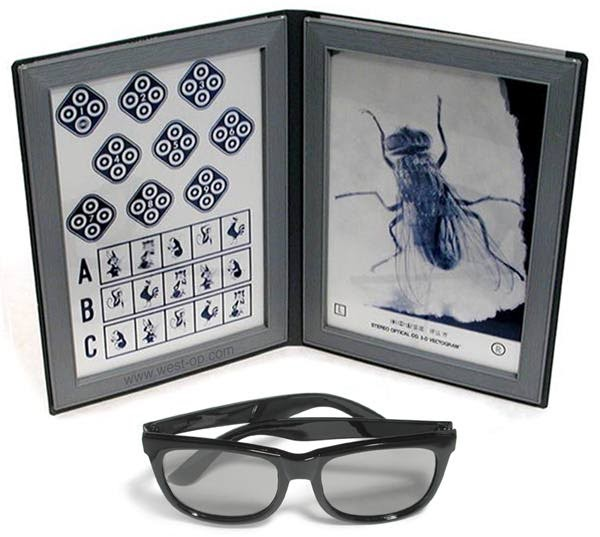
Stereopsis test.
II-III CN (Pupils).

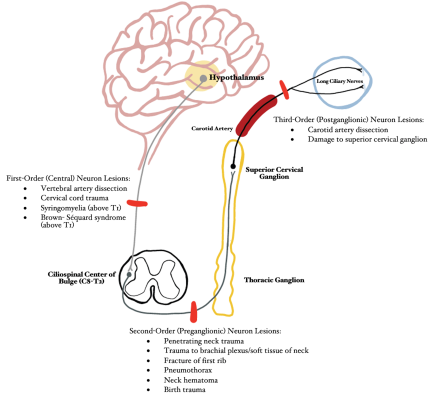
Its impairment can be caused by damage to the afferent pathway (CN II, for example in Marcus-Gunn pupil) or by impairment of the efferent pathway (CN III, for example in Horner syndrome).

Unilateral pupil abnormalities.
Horner's syndrome
RAPD (Marcus Gunn pupil).
III, IV, VI CN (Extrinsic ocular movements).
Ductions and versions.
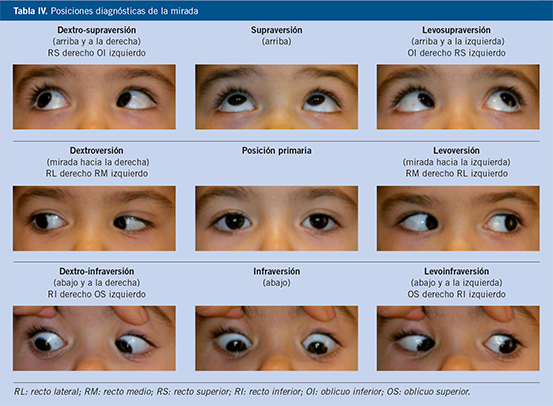
Ductions refer to the movements in all directions of only 1 eye (monocular).

Versions refer to the coordinated movements of both eyes in all directions.

Ductions allow the examination of the extrinsic mobility of the eye, whereas versions also allow the examination of the brainstem, since there are situations in which there is impairment of versions but not of ductions (internuclear ophthalmoplegia).

Eyelid.
Nuclear and supranuclear motor disorders.
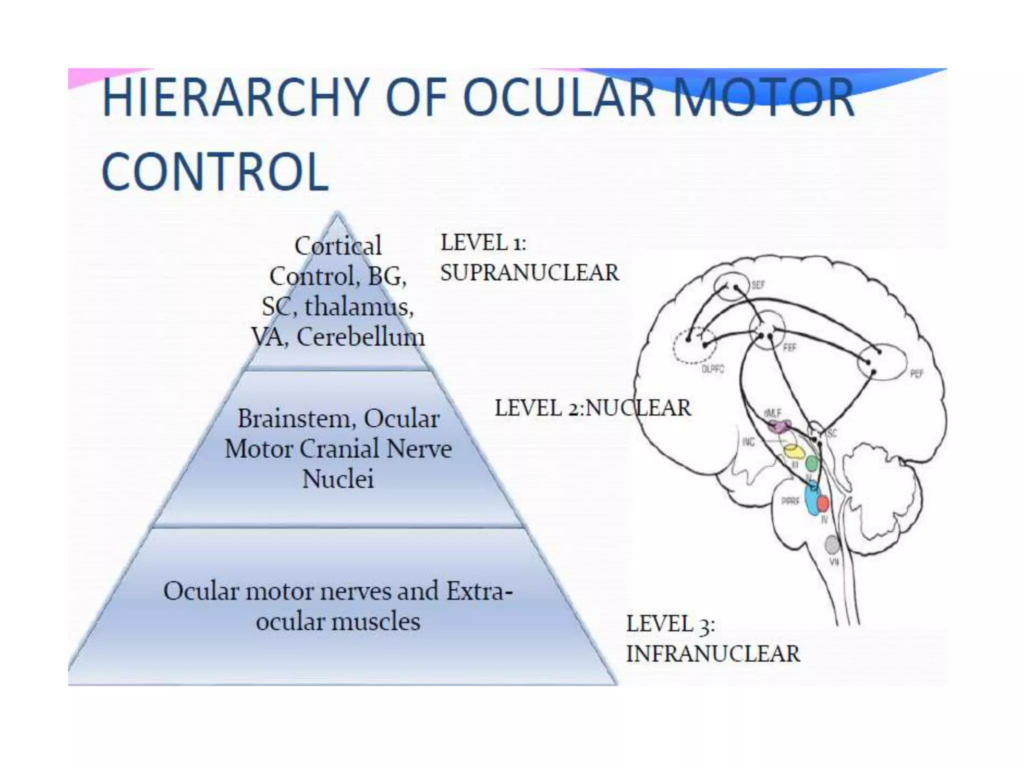
Exploratory techniques.

Oculocephalic reflex.

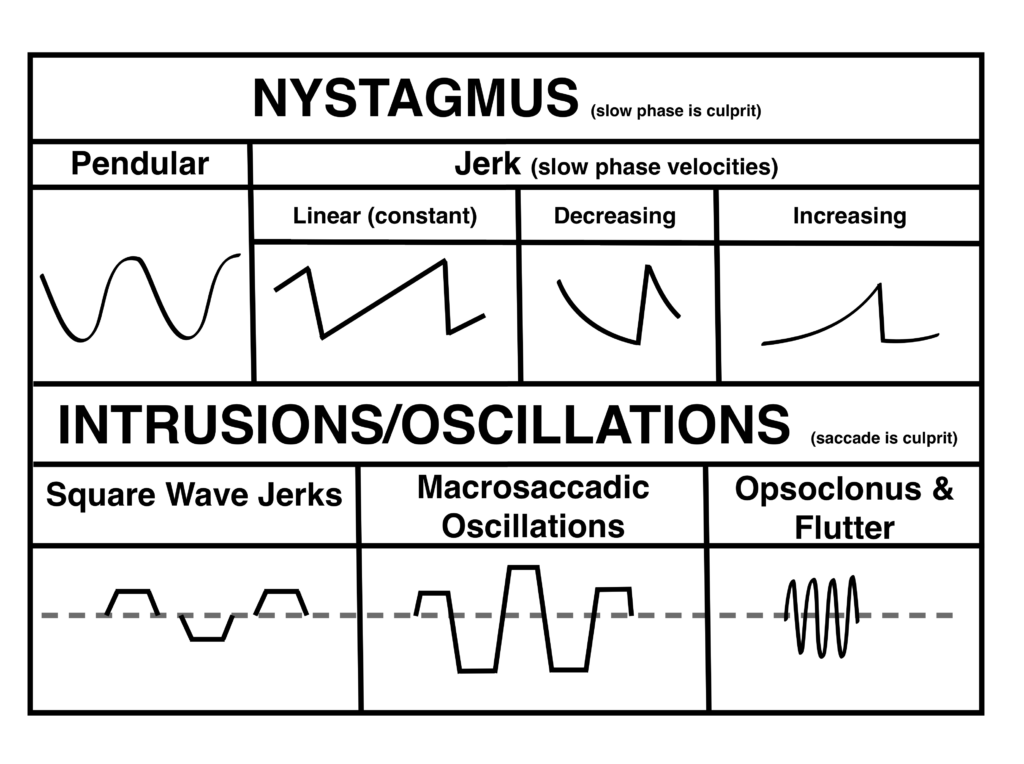
Optokinetic nystagmus.

Deficiency disorders of brainstem origin (nuclear/internuclear).

Internuclear ophthalmoparesis.

One-and-a-half syndrome.

Ocular dysmetria.

Deficiency disorders of supranuclear origin.
Abnormal eye movements of brainstem (nuclear) origin.
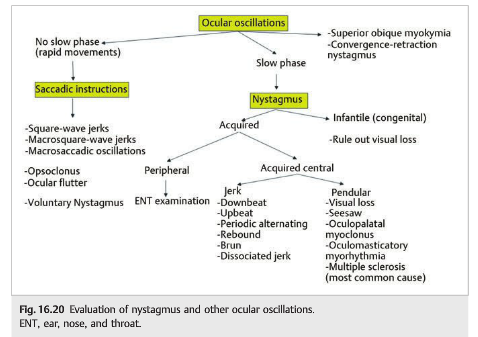
Abnormal eye movements of supranuclear origin.
Paroxysmal eye-head movements of Glut1.

A pattern of abnormal movements characteristic of Glut-1 deficiency has recently been identified, consisting of simultaneous saccadic movements of the head and eyes in the same direction.

https://www.ncbi.nlm.nih.gov/pmc/articles/PMC5405761/

Opsoclonus.
Oculogyric crises.
Oculomotor apraxia.
Visual processing (higher functions).
Prosopagnosia.
Simultagnosia (Poppelreuter test).
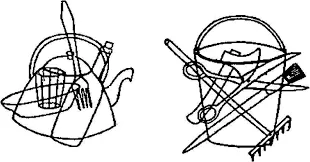
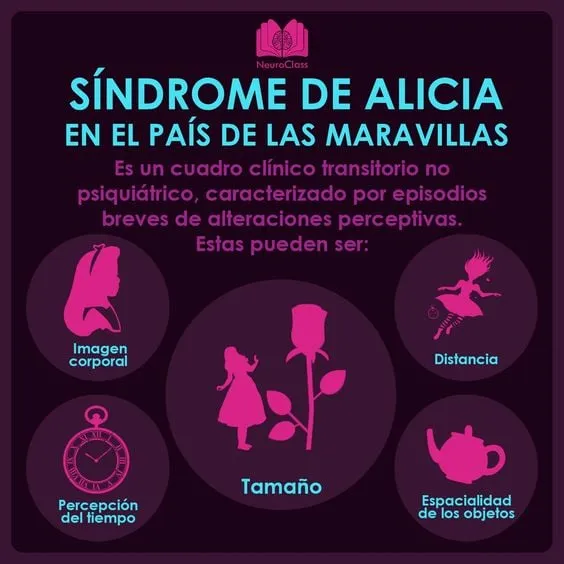
Alice in Wonderland (macropsia and micropsia).
19955111 {19955111:K6XG7MT7} 1 vancouver 50 default 2588 https://neuropediatoolkit.org/wp-content/plugins/zotpress/
%7B%22status%22%3A%22success%22%2C%22updateneeded%22%3Afalse%2C%22instance%22%3Afalse%2C%22meta%22%3A%7B%22request_last%22%3A0%2C%22request_next%22%3A0%2C%22used_cache%22%3Atrue%7D%2C%22data%22%3A%5B%7B%22key%22%3A%22K6XG7MT7%22%2C%22library%22%3A%7B%22id%22%3A19955111%7D%2C%22meta%22%3A%7B%22creatorSummary%22%3A%22Corbett%22%2C%22parsedDate%22%3A%222003%22%2C%22numChildren%22%3A1%7D%2C%22bib%22%3A%22%26lt%3Bdiv%20class%3D%26quot%3Bcsl-bib-body%26quot%3B%20style%3D%26quot%3Bline-height%3A%201.35%3B%20%26quot%3B%26gt%3B%5Cn%20%20%26lt%3Bdiv%20class%3D%26quot%3Bcsl-entry%26quot%3B%20style%3D%26quot%3Bclear%3A%20left%3B%20%26quot%3B%26gt%3B%5Cn%20%20%20%20%26lt%3Bdiv%20class%3D%26quot%3Bcsl-left-margin%26quot%3B%20style%3D%26quot%3Bfloat%3A%20left%3B%20padding-right%3A%200.5em%3B%20text-align%3A%20right%3B%20width%3A%201em%3B%26quot%3B%26gt%3B1.%26lt%3B%5C%2Fdiv%26gt%3B%26lt%3Bdiv%20class%3D%26quot%3Bcsl-right-inline%26quot%3B%20style%3D%26quot%3Bmargin%3A%200%20.4em%200%201.5em%3B%26quot%3B%26gt%3BCorbett%20JJ.%20The%20bedside%20and%20office%20neuro-ophthalmology%20examination.%20In%3A%20Seminars%20in%20neurology%20%5BInternet%5D.%20GEORG%20THIEME%20VERLAG%3B%202003%20%5Bcited%202015%20Dec%2016%5D.%20p.%2063%26%23x2013%3B76.%20Available%20from%3A%20%26lt%3Ba%20class%3D%26%23039%3Bzp-ItemURL%26%23039%3B%20href%3D%26%23039%3Bhttp%3A%5C%2F%5C%2Ffs.teledos.gr%3A2206%5C%2F%253ERESEARCH%2520PUBLICATIONS%5C%2FMEDICAL%2520SCIENCE%5C%2FOPTHALMOLOGY%5C%2FThe%2520Bedside%2520and%2520Office%2520Neuro-ophthalmology%2520Examination.%2520James%2520J.%2520Corbett%2C%2520M.D..pdf%26%23039%3B%26gt%3Bhttp%3A%5C%2F%5C%2Ffs.teledos.gr%3A2206%5C%2F%253ERESEARCH%2520PUBLICATIONS%5C%2FMEDICAL%2520SCIENCE%5C%2FOPTHALMOLOGY%5C%2FThe%2520Bedside%2520and%2520Office%2520Neuro-ophthalmology%2520Examination.%2520James%2520J.%2520Corbett%2C%2520M.D..pdf%26lt%3B%5C%2Fa%26gt%3B%26lt%3B%5C%2Fdiv%26gt%3B%5Cn%20%20%26lt%3B%5C%2Fdiv%26gt%3B%5Cn%26lt%3B%5C%2Fdiv%26gt%3B%22%2C%22data%22%3A%7B%22itemType%22%3A%22conferencePaper%22%2C%22title%22%3A%22The%20bedside%20and%20office%20neuro-ophthalmology%20examination%22%2C%22creators%22%3A%5B%7B%22creatorType%22%3A%22author%22%2C%22firstName%22%3A%22James%20J.%22%2C%22lastName%22%3A%22Corbett%22%7D%5D%2C%22abstractNote%22%3A%22The%20neuro-ophthalmologic%20examination%20provides%20an%20enormous%20amount%20of%20information%20about%20the%2040%25%20of%20fibers%20that%20provide%20afferent%20and%20efferent%20limbs%20of%20the%20visual%2C%20pupillary%2C%20and%20ocular%20motor%20pathways.%20A%20few%20tools%20and%20the%20correct%20testing%20approach%20will%20maximize%20the%20value%20of%20this%20examination.%20This%20chapter%20provides%20step-by-step%20examination%20methods%20and%20points%20out%20some%20of%20the%20common%20errors%20that%20are%20made.%22%2C%22proceedingsTitle%22%3A%22Seminars%20in%20neurology%22%2C%22conferenceName%22%3A%22%22%2C%22date%22%3A%222003%22%2C%22eventPlace%22%3A%22%22%2C%22DOI%22%3A%2210.1055%5C%2Fs-2003-40753%22%2C%22ISBN%22%3A%22%22%2C%22citationKey%22%3A%22%22%2C%22url%22%3A%22http%3A%5C%2F%5C%2Ffs.teledos.gr%3A2206%5C%2F%253ERESEARCH%2520PUBLICATIONS%5C%2FMEDICAL%2520SCIENCE%5C%2FOPTHALMOLOGY%5C%2FThe%2520Bedside%2520and%2520Office%2520Neuro-ophthalmology%2520Examination.%2520James%2520J.%2520Corbett%2C%2520M.D..pdf%22%2C%22ISSN%22%3A%22%22%2C%22language%22%3A%22%22%2C%22collections%22%3A%5B%222XJW9ZPV%22%2C%22ILVSA5VI%22%5D%2C%22dateModified%22%3A%222026-05-09T06%3A48%3A00Z%22%7D%7D%5D%7D
1.
Corbett JJ. The bedside and office neuro-ophthalmology examination. In: Seminars in neurology [Internet]. GEORG THIEME VERLAG; 2003 [cited 2015 Dec 16]. p. 63–76. Available from: http://fs.teledos.gr:2206/%3ERESEARCH%20PUBLICATIONS/MEDICAL%20SCIENCE/OPTHALMOLOGY/The%20Bedside%20and%20Office%20Neuro-ophthalmology%20Examination.%20James%20J.%20Corbett,%20M.D..pdf