
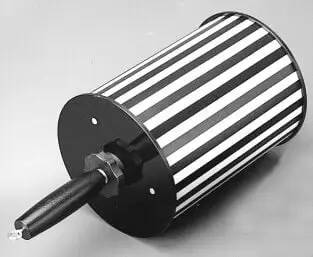
Optokinetic Nystagmus Optokinetic nystagmus (OKN) is an ocular reflex that consists of involuntary eye movements in response to the mobility of the visual environment. This phenomenon includes a slow phase of eye movement in the direction of the stimulus followed by a fast phase in the opposite direction. When performed in the office, the…
Category archives: Neurological examination
Supranuclear facial palsy.
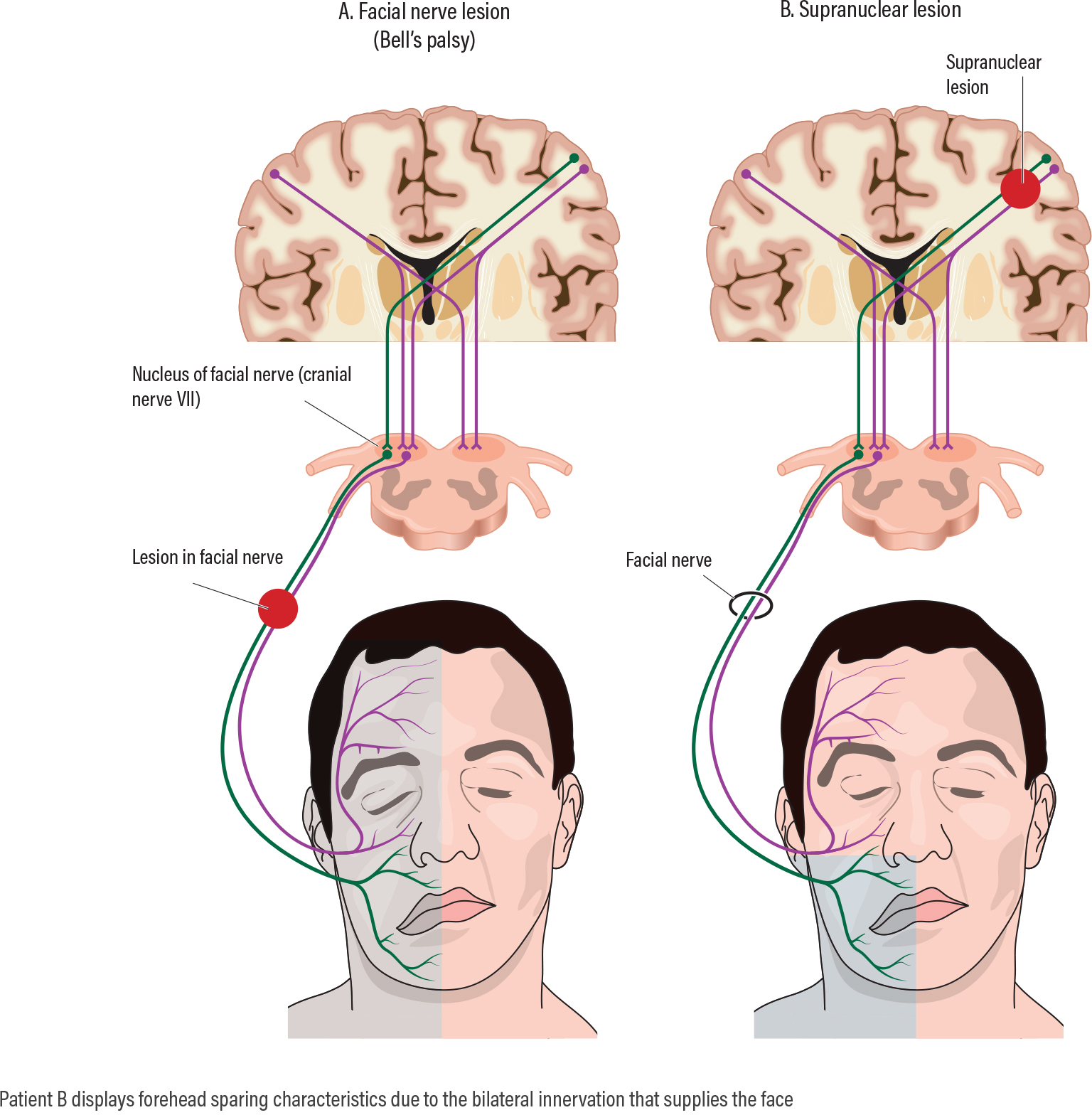
Volitional and emotional facial palsy. The lesion responsible for the facial asymmetry at rest and weakness of voluntary facial movements in this woman was in the corticobulbar fibers of the internal capsule at the genu. In contrast, the lesion responsible for weakness of emotional movements in the man was in the contralateral thalamus. https://www.nejm.org/doi/full/10.1056/nejm199805213382105
Congenital (infantile/infant) nystagmus.
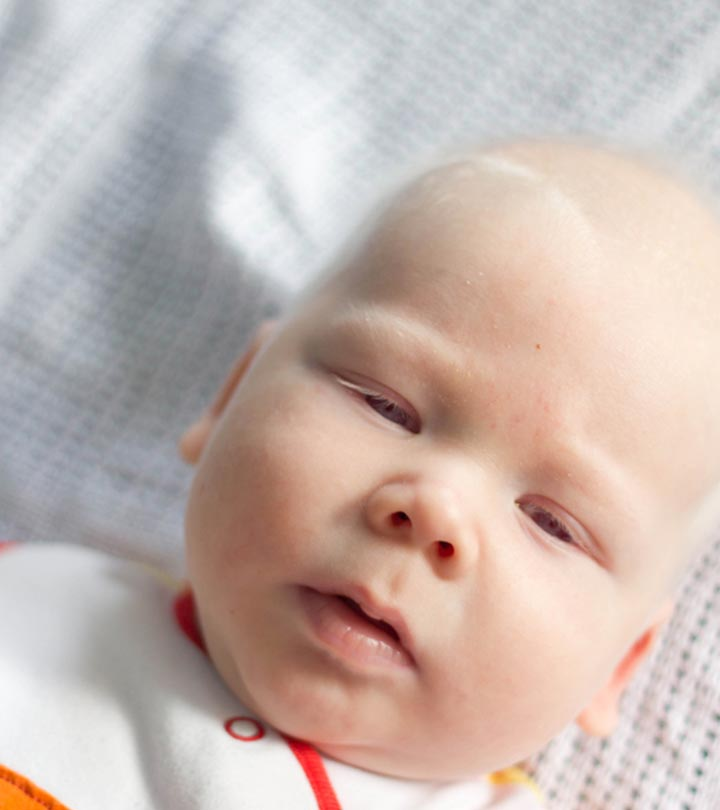
Neuropediatric action protocol for congenital infantile/infant nystagmus Congenital nystagmus is an involuntary movement of the eye that can be diagnosed in the first months of life. It is important to perform a complete and systematic evaluation to determine its cause and plan appropriate treatment. Diagnostic criteria Transfontanelar echoanalysis (in children under 6 months...
Continue reading «Nistagmo congénito (infantil/del lactante).»
Duane syndrome.
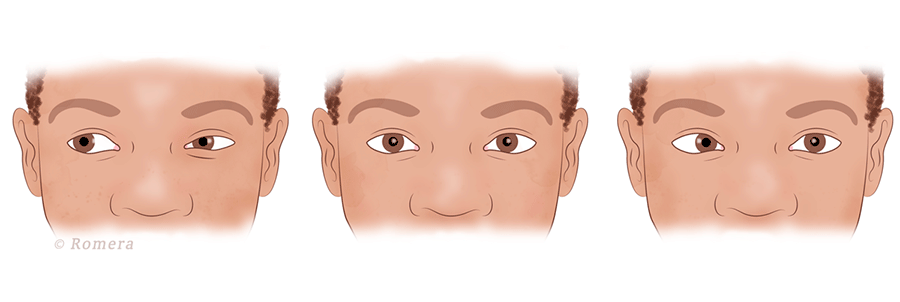
Duane Syndrome Duane Syndrome is an eye disorder characterized by difficulty moving the eyes to the side. This syndrome can affect one or both eyes. The video provides a detailed visual explanation of Duane Syndrome, including the eye movements involved and their impact on vision.
Exploration material.

Material necessary for a neuropediatric consultation.
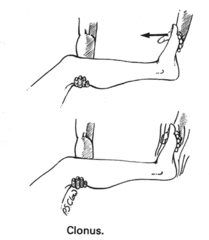
Clonus ankle.
Brachial preference before 2 years of age.
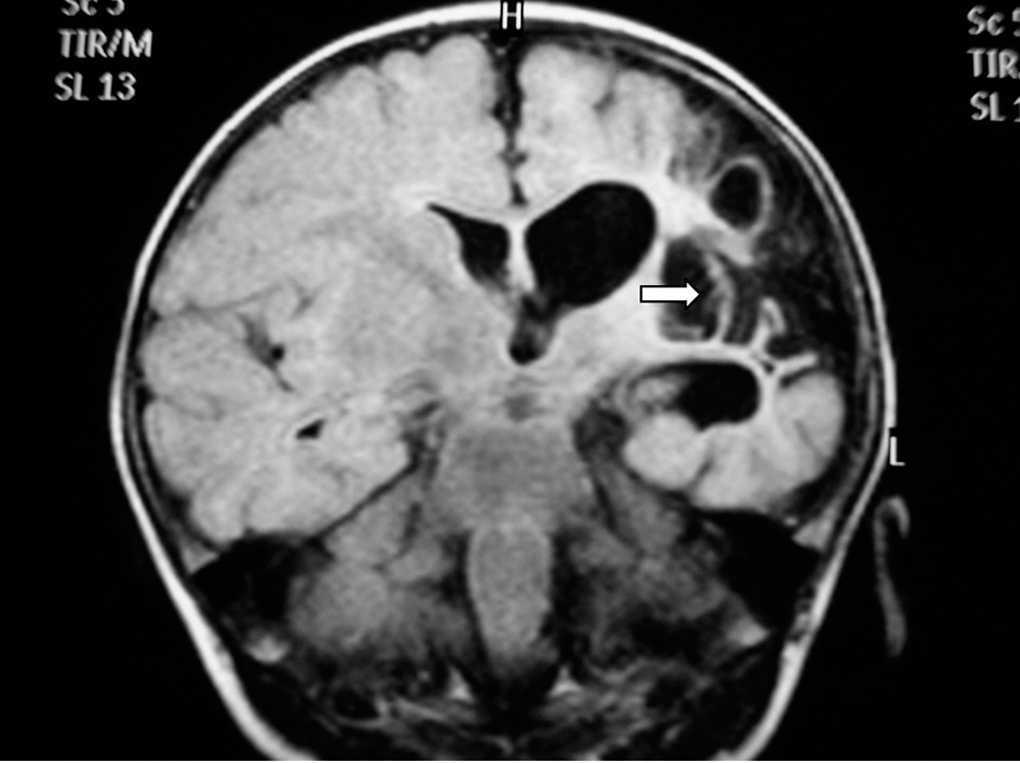
The development of laterality is one of the curiosities of pediatric neurology that occur during neurodevelopment, and is a direct consequence of human anatomy (the existence of a brain divided into 2 cerebral hemispheres) and the process of progressive specialization that takes place during learning, in which certain areas ...
Continue reading «Preferencia braquial antes de los 2 años de edad.»
Neuro-ophthalmological examination.
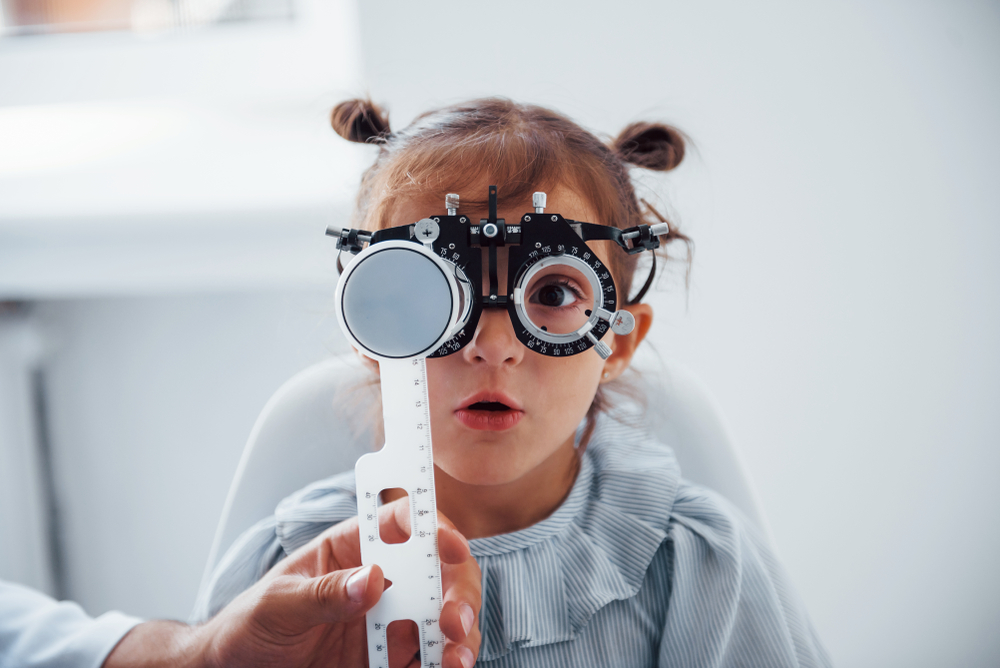
Neuro-ophthalmology is a complex field and usually there is no formal training. It sits between several specialties, making it difficult to determine the responsibilities of each professional. On the Neuro-ophthalmology at your fingertips website, there are educational videos on the neuroscience underlying neuro-ophthalmology. On the website of …
Scale of strength MRC.
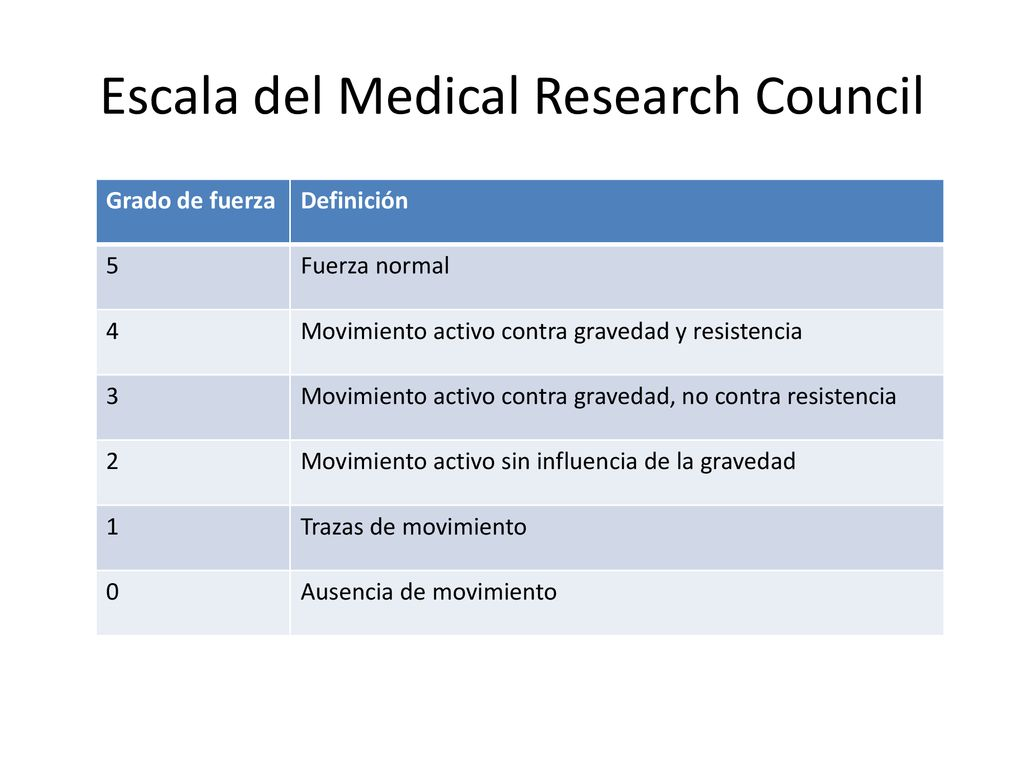
MRC (Medical Research Council) Strength Scale The Medical Research Council (MRC) scale is the clinical reference system for manually evaluating and grading muscle strength in patients with suspected neuromuscular pathology or motor weakness. It is graded from 0 to 5 as follows: Grade 0: There is no contraction…
Deformities of the skull.

For an adequate assessment of cranial deformities, it is necessary to take repeated measurements of cranial diameters (anteroposterior, biparietal, right oblique, and left oblique), in addition to head circumference. In postural plagiocephaly, the deformity tends to decrease over time. In craniosynostosis, the deformity tends to increase. Use of craniometer: Where to buy a craniometer: …