Development of the work Laterality is one of the curiosities of pediatric neurology that occur during neurodevelopment, and is a direct consequence of human anatomy (the existence of a brain divided into 2 cerebral hemispheres) and the process of progressive specialization that takes place during learning, in which certain brain areas take charge of certain processes to improve the efficiency at the cost of a loss of pluripotency.
There are laterality of several neurological systems:
- Hand
- foot
- That’s it.
- Language.
- Memoria.
In most people there is a congruent dominance, although this is not always the case, and there are people who can be right-handed and left-handed, or left-handed and right-handed.
Generally speaking, left-handers tend to have less lateralization of language function and memory, and as a consequence, when they have a unilateral lesion in the dominant hemisphere, they tend to have less language involvement and greater compensatory capacity.
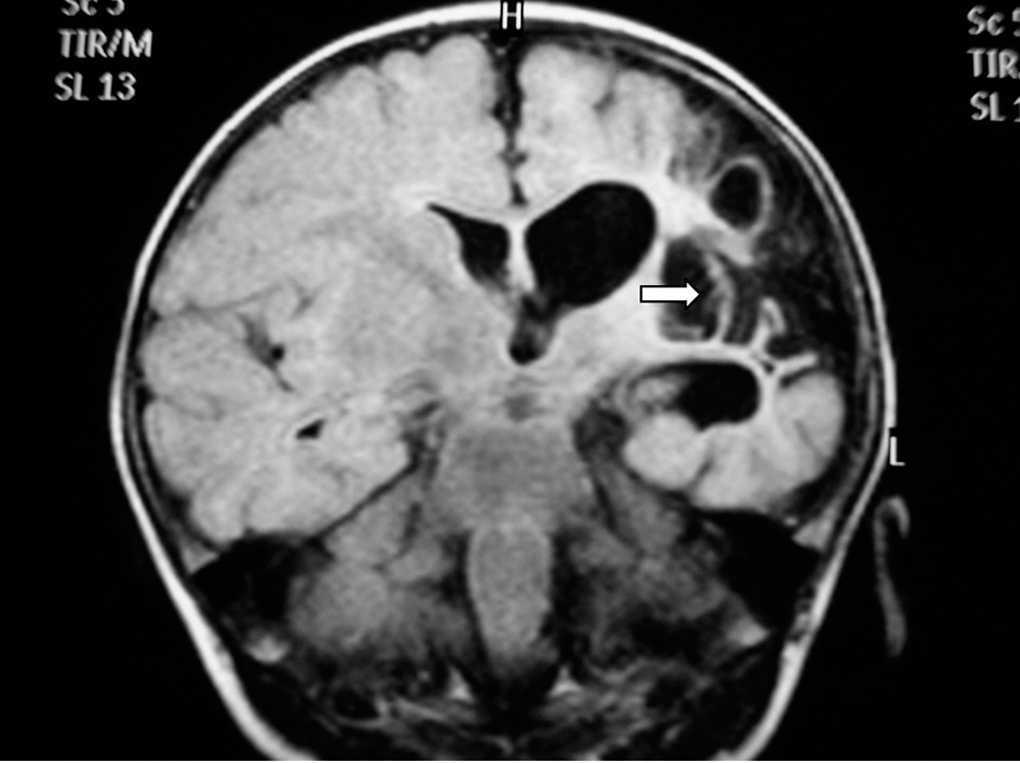
Laterality is established in the human being between 2 and 4 years, so it is a pathological sign that a child under 2 years of age preferably uses an arm to manipulate objects. This is a sign of Congenital hemiparesis which may require the performance of complementary examinations for its study.