
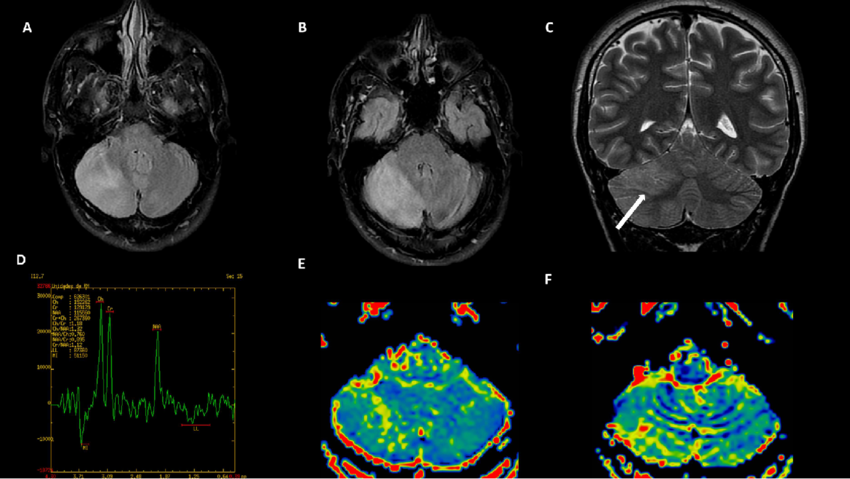
Hemicerebellitis Introduction: Hemicerebellitis is an inflammation of the cerebellum that affects one side of the brain. It is a serious neurological condition that can cause a variety of symptoms, from headaches to balance and mobility problems. Diagnostic Criteria The diagnosis of hemicerebellitis is based on a set of clinical and ophthalmological criteria: Clinical Symptoms: …
Category archives: Exclusively pediatric
Congenital (infantile/infant) nystagmus.
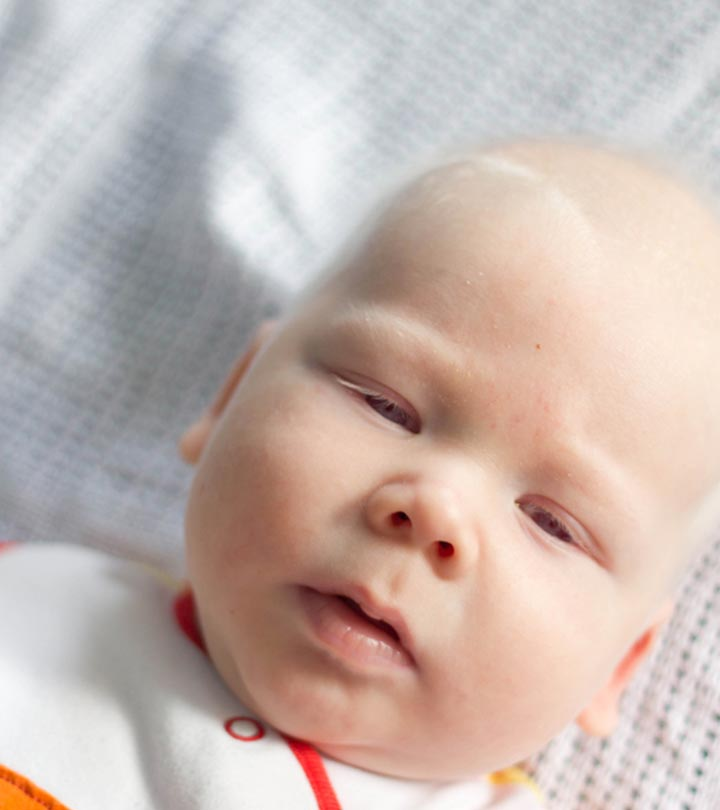
Neuropediatric action protocol for congenital infantile/infant nystagmus Congenital nystagmus is an involuntary movement of the eye that can be diagnosed in the first months of life. It is important to perform a complete and systematic evaluation to determine its cause and plan appropriate treatment. Diagnostic criteria Transfontanelar echoanalysis (in children under 6 months...
Continue reading «Nistagmo congénito (infantil/del lactante).»
Developmental disorders of the visual pathway (and optic chiasm).
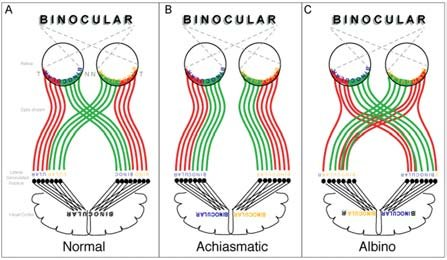
Oculocutaneous albinism is a genetic disorder that conditions not only a retinopathy, but other alterations in the embryological development of the visual pathway, and therefore of neurodevelopment. The main consequence is a loss of stereopsia. There are other neurodevelopmental disorders that also share characteristics with oculocutaneous albinism, such as the syndrome ...
Continue reading «Trastornos del desarrollo de la via visual (y el quiasma óptico).»
Brachial preference before 2 years of age.
The development of laterality is one of the curiosities of pediatric neurology that occur during neurodevelopment, and is a direct consequence of human anatomy (the existence of a brain divided into 2 cerebral hemispheres) and the process of progressive specialization that takes place during learning, in which certain areas ...
Continue reading «Preferencia braquial antes de los 2 años de edad.»
Dyke-Davidoff-Masson syndrome.
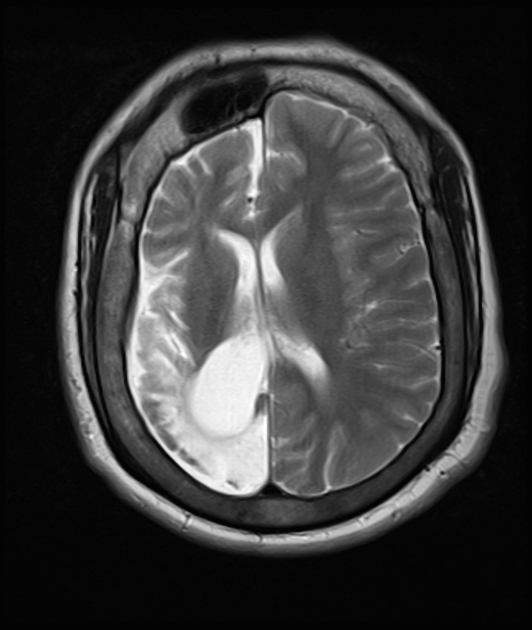
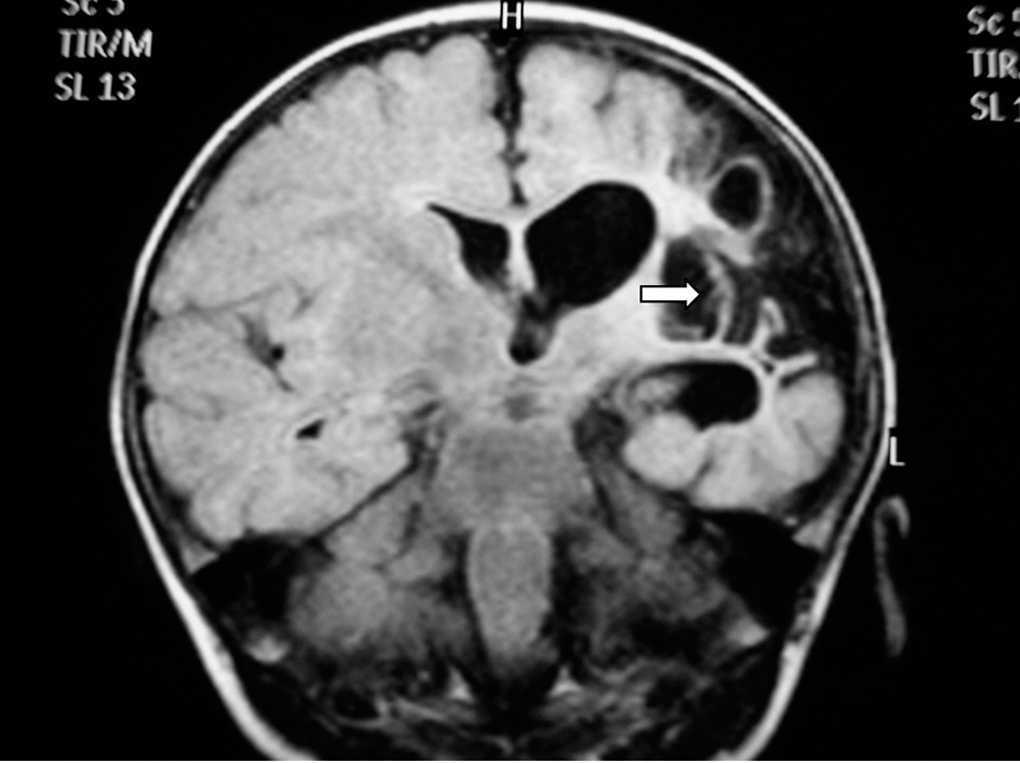
Dyke-Davidoff-Masson syndrome is a specifically pediatric syndrome characterized by hemicerebral atrophy or hypoplasia secondary to a brain insult usually in the fetal period or early childhood, which is why it is accompanied by an associated cranial growth disorder, characterized by compensatory ipsilateral bone hypertrophy and hyperpneumatization of the paranasal sinuses …
Dyke-Davidoff-Masson syndrome.
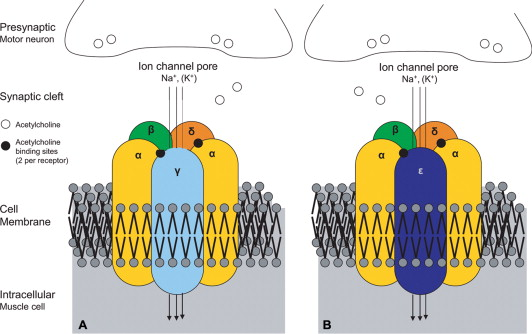
Transient neonatal myasthenia is a rare complication of maternal myasthenia gravis. Around 10-15% of children born to mothers with anti-acetylcholine receptor (AChR) antibodies, and less frequently anti-muscle-specific kinase (MuSK). Symptoms are usually apparent from the 3rd day of life, and in almost all cases …
Continue reading «Miastenia congénita y trastorno por inactivación de AChR fetal.»