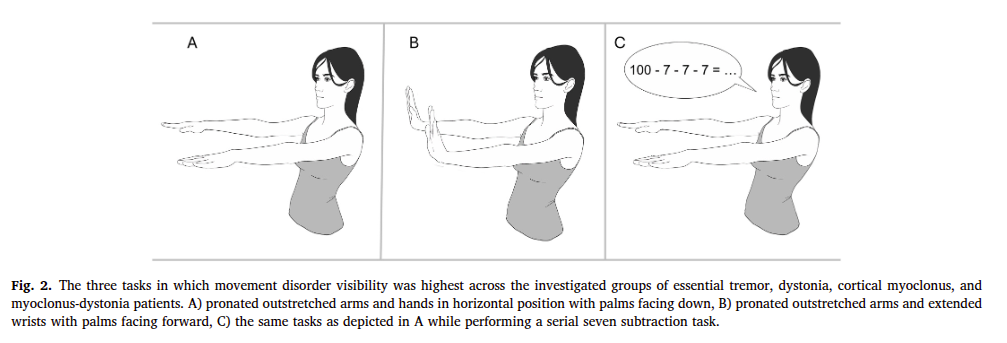
Tasks to explore movement disorders.

Clinical Tasks to Detect Movement Disorders The NEMO study identified three specific tasks that improve the visibility of hyperkinetic movement disorders (HMD), with high inter-rater consistency. Key tasks for better visibility Hands in a pronated position, palms facing down: Increases the detection of essential tremor. This task during subtraction seven (serial 7): …

Myoclonus in childhood

Myoclonus in childhood: brief clinical guide Myoclonus in childhood are sudden, abrupt and non-rhythmic muscle contractions, which can be physiological or pathological. Its evaluation should focus on the clinical context, type of movement and evolution. Clinical classification Physiological myoclonias: common in newborns and infants; associated with awakenings, effort or stimulation. …

Treatment in PCI.

Treatment in Infantile Cerebral Palsy (PCI) The therapeutic approach in PCI is multidisciplinary, focused on improving function, preventing complications and optimizing quality of life. There is no cure, but early and sustained interventions significantly improve the prognosis. 1. Initial evaluation and planning Nutritional assessment: Essential in children with dysphagia, risk of malnutrition or delay…

Neurorehabilitation in PCI. Scientific evidence.

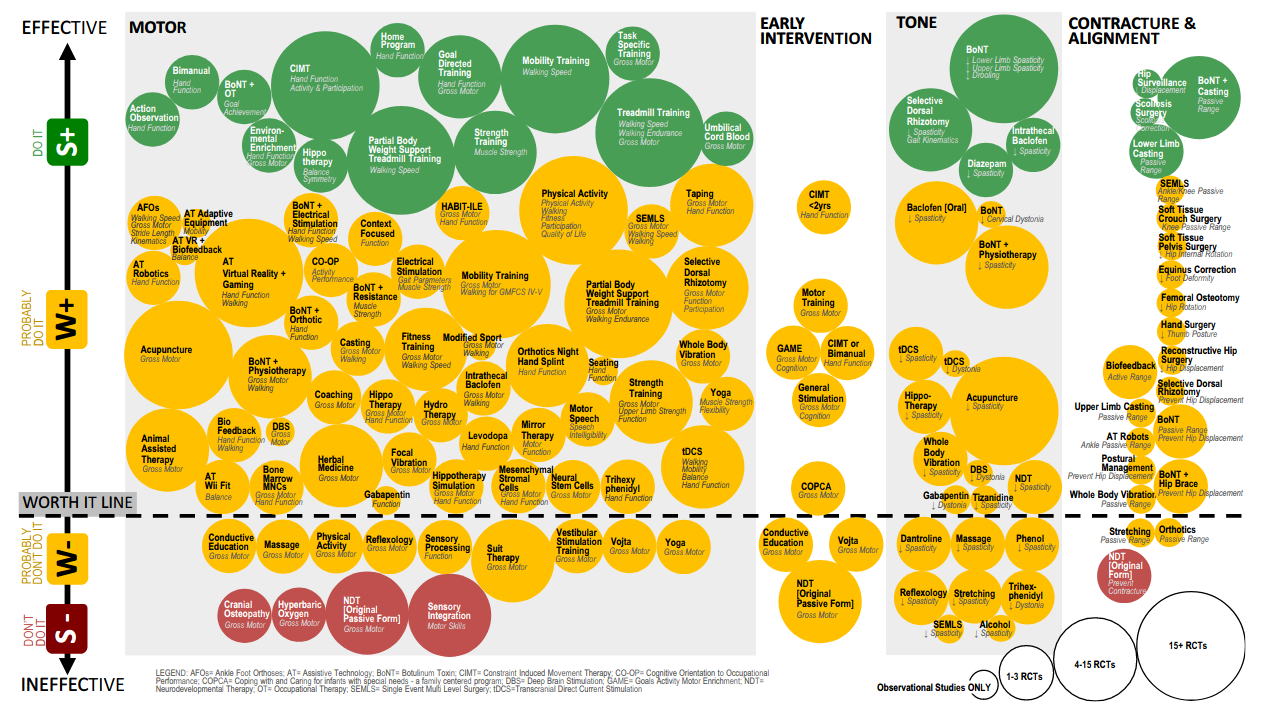
Discussion Core: Neurorehabilitation in Cerebral Palsy Neurorehabilitation in children with Cerebral Palsy (CP) is essential to improve quality of life and functional abilities. Recent scientific evidence suggests that advances in neurological interventions may reduce the severity of the condition and enhance functional outcomes. In this article, we review the …

Skeletal deformities in cerebral palsy.

Introduction to Skeletal Deformities in Cerebral Palsy Skeletal deformities represent a crucial component of the pathophysiology in patients with cerebral palsy (CP), as they can limit functionality and quality of life. These skeletal alterations, often associated with muscle paralysis and stiffness, may present at different stages of development and …

Early onset cerebellar ataxias.

Early-onset Cerebellar Ataxia (EOAc) EOAc affects children and young people up to the age of 25. It is heterogeneous: it can be hereditary, metabolic, autoimmune or of unknown origin. Classification by Age of Onset (Diagnostic Key) According to the approach based on onset, three categories are identified: Congenital: before the age of 2 years (e.g. malformations, disorders of the...

Non-progressive congenital ataxia.

Congenital Non-progressive Ataxias Congenital non-progressive ataxias are a rare and complex condition characterized by lack of order and coordination in voluntary movements and loss of balance. These conditions are distinguished by the absence of progressive signs and by presenting a form of ataxia that does not worsen over time …

Clinical indicators of genetic PCI.

Clinical Indicators of Genetic PC The cerebral palsy (CP) is a neurological condition that can be caused by both acquired and genetic factors. Identifying clinical indicators associated with genetic CP may facilitate the selection of candidates for genetic testing. In this article, the clinical indicators that may suggest a …

GMFCS E&R.

Clinical Guideline on GMFCS E&R The Global Motor Function Classification System (GMFCS) is a system used to classify the severity of motor disability in children with neurological disorders. The Evaluation and Recommendations (E&R) System complements the GMFCS by providing more detailed and practical guidance for the classification and management of these…