Natural history of PCI according to GMFCS: motor evolution Longitudinal study of 657 children with PCI (16 months to 21 years) that evaluates functional development using the GMFM-66 and the GMFCS classification. Evolutionary pattern according to GMFCS GMFCS I-II (mild): Functional stability in adolescence and adulthood. GMFCS III-V (most severe): Functional peak: 7 years 11…
Category archives: Uncategorized
Macrocephaly
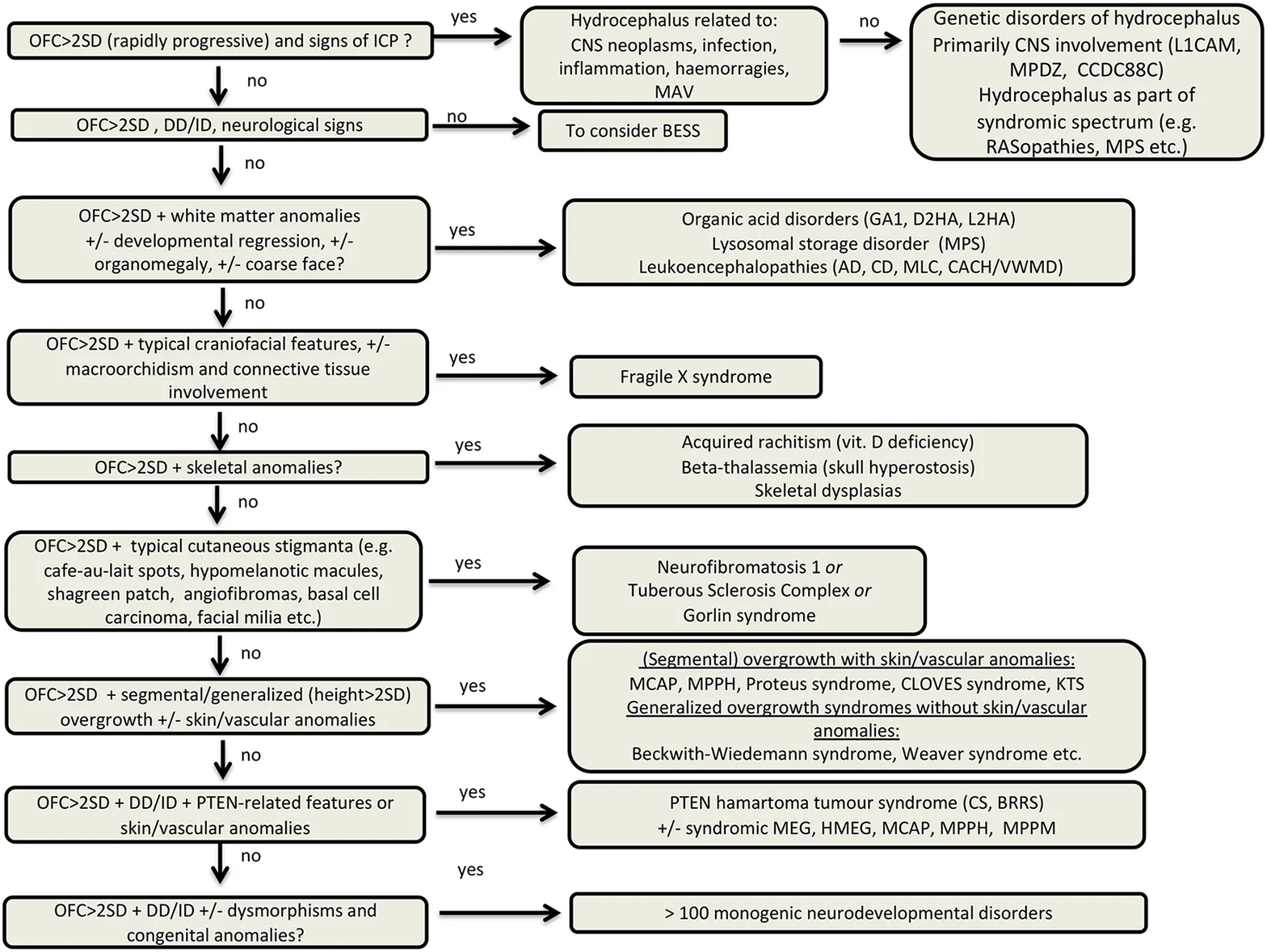
Macrocephaly: Rapid Assessment Macrocephaly is defined as a head circumference (OFC) >2 standard deviations (SD) above the mean [1]. Clinically, the action threshold increases when OFC >3 SD, affecting 2–3% of healthy children [1]. Key Clinical Differentiation Macrocephaly: Increased cranial size without actual cerebral hypertrophy (e.g., familial…
Motor neuron disease.
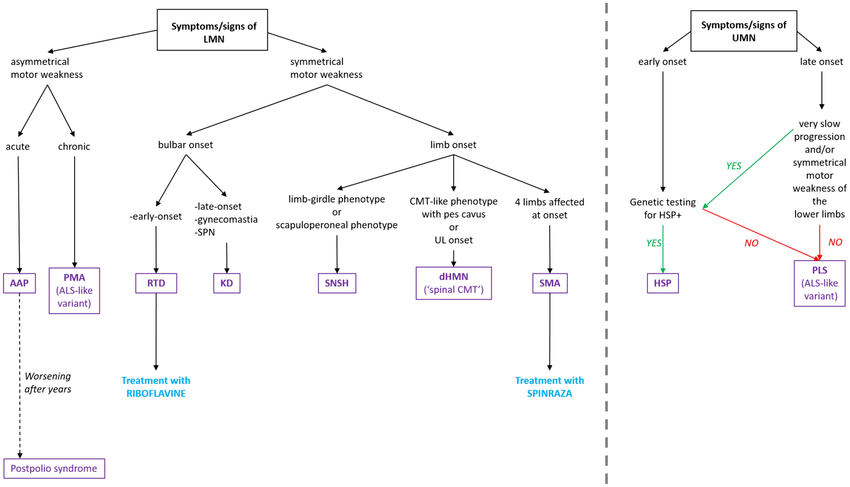
Motor Neuron Disease in Neuropediatrics Definition: Hereditary or acquired disorders that affect upper motor neurons (UMN) or lower motor neurons (LMN), causing muscle weakness, alterations in tone and reflexes. Clinical pattern: UMN: spasticity, hyperreflexia (>200 ms in labeled reflex), contractures. LMN: focal weakness, fasciculations, hyporeflexia, muscle atrophy. Key entities in pediatrics: Spinal Muscular Atrophy (SMA): mutations in SMN1; …
Rickets and bone health in metabolic errors and genetic diseases.
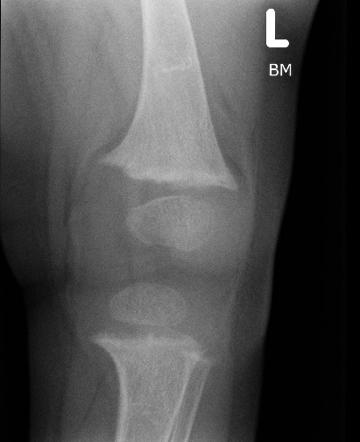
Differential Diagnosis of Rickets: Key Markers Objective: Identify rare genetic causes that cause rickets, through biochemical and genetic profiling. First steps: Measure in blood: calcium, phosphorus, magnesium and alkaline phosphatase (ALP). Key Biochemical Patterns Hypophosphatasia (HPP): low ALP (paradoxical), elevated phosphoethanolamine, severe bone hypomineralization. Hereditary hypophosphatemic rickets: hypophosphatemia, elevated ALP, low/normal 1,25(OH)₂D, normal 25(OH)D. …
Continue reading «Raquitismo y salud ósea en errores del metabolismo y enfermedades genéticas.»
Natural history of scoliosis in PCD
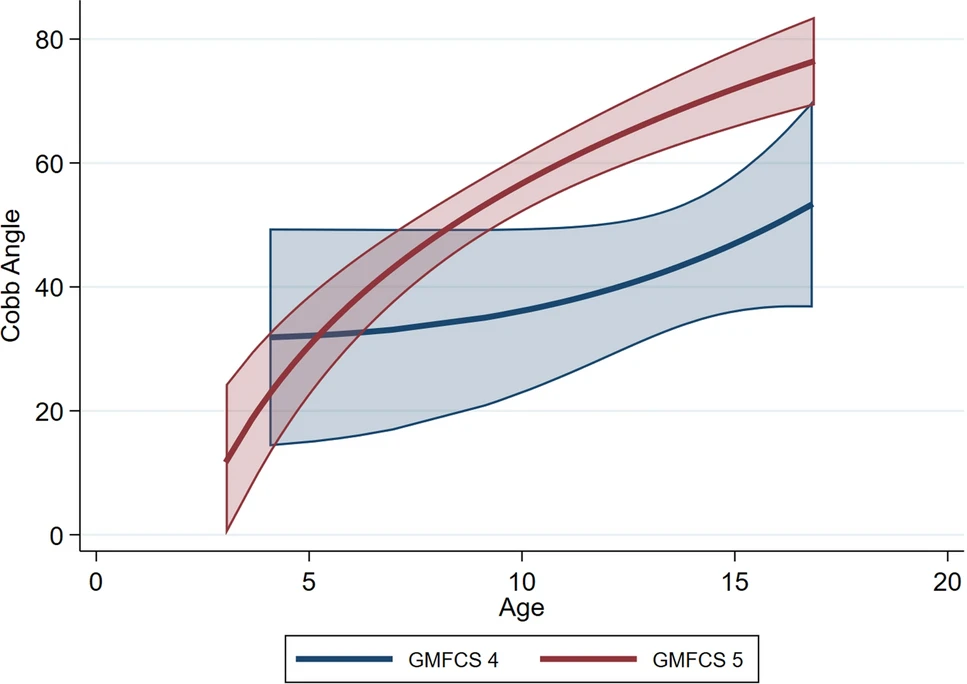
Natural History of Scoliosis in Children with Severe Cerebral Palsy Prevalence: 59% of scoliosis (Cobb ≥10°) in children with severe CP (GMFCS III–V). Associated severity: Prevalence increases with decreased functional level: GMFCS III: 6% GMFCS IV: 19% GMFCS V: 62% Predictive factors for progression High initial Cobb angle → greater risk of…
Continue reading «Historia natural de la escoliosis en la PCI»
Computer access.
Computer Access in Neuropediatrics: Key Tools Objective: Facilitate access to digital technology for children with sensorimotor, attention or communication disorders. Main devices: Adapted keyboards and joysticks, especially useful for children with reduced mobility or motor instability. Access Devices Colorful keyboard: Stimulates motivation and concentration in children with attention deficit. Design …
3D printing
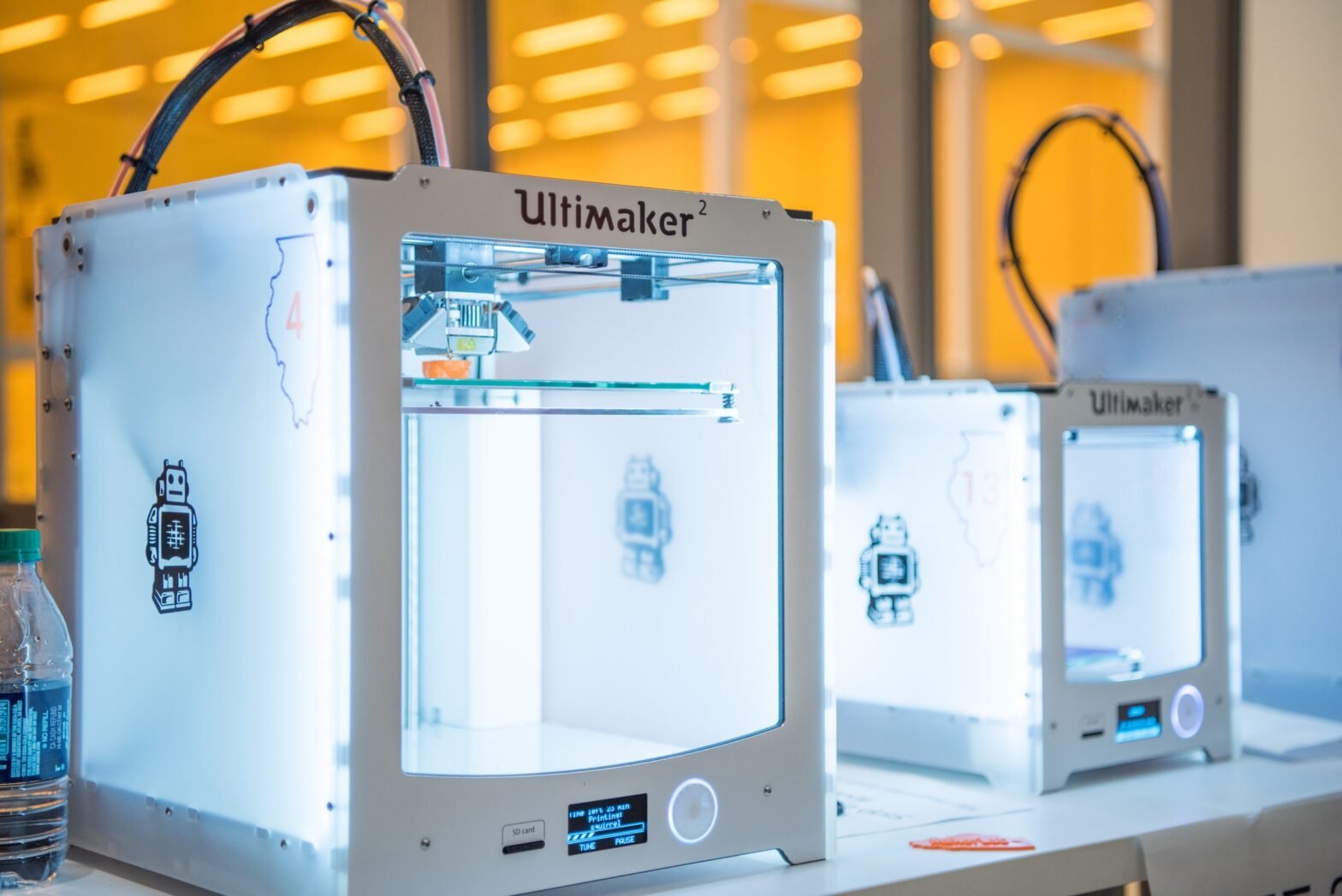
3D Printing in Neuropediatrics: Clinical Applications Clinical Objective Improve mobility, autonomy and quality of life in children with neurological disorders. Apply early neuroplasticity through personalized devices. Main Applications Personalized motor prostheses: Adapted to the morphology and residual muscle strength. Back supports: For neurological scoliosis, improving posture and functionality. Wheelchair adapters: …
Orthoprosthetic catalog.
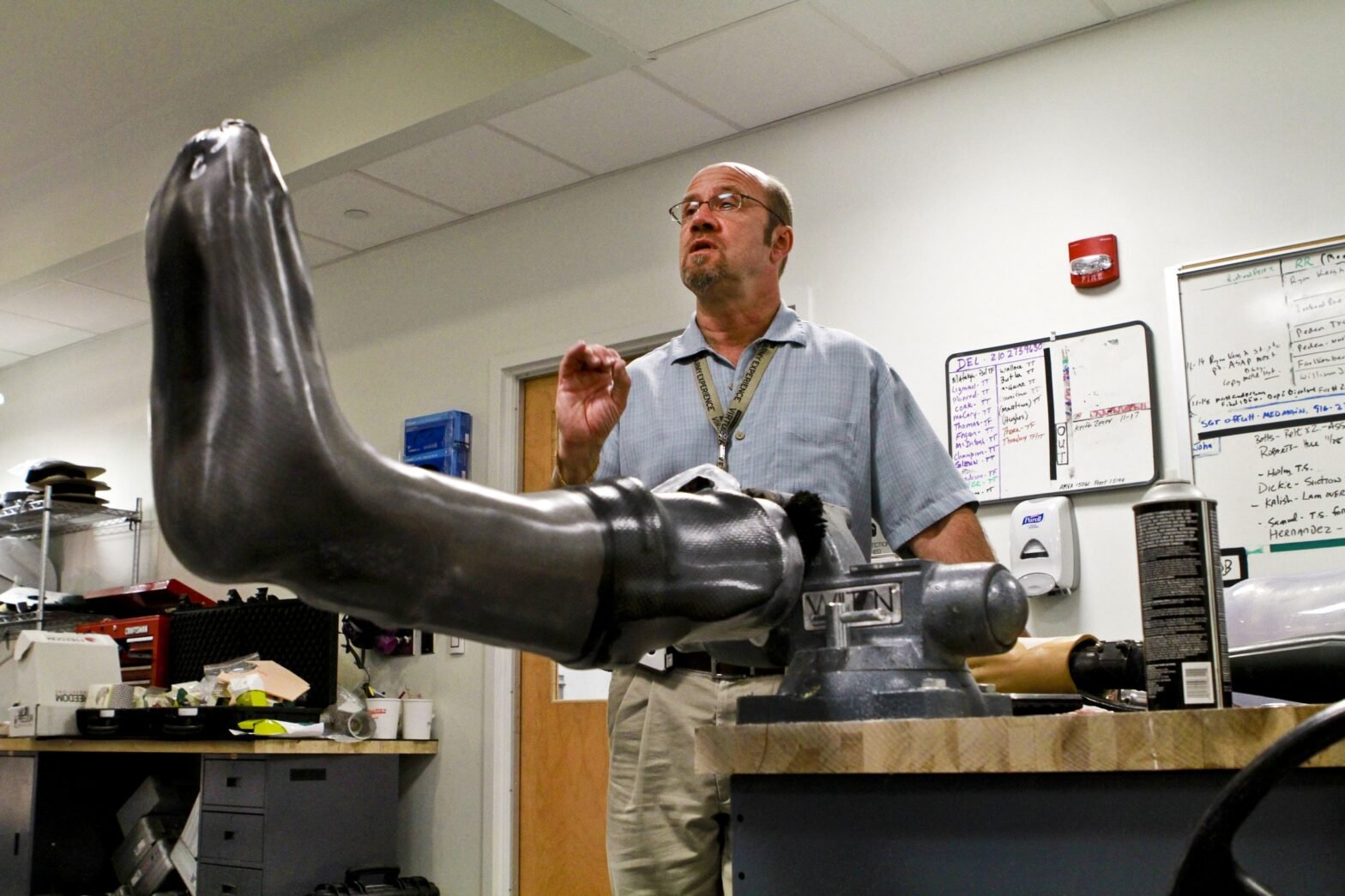
Orthoprosthetic Catalog: Reimbursement of Expenses Quick guide to request reimbursement of expenses for the acquisition of orthoprosthetic material in the Valencian Community. Objective of the Procedure Allow patients with expenses for prostheses, orthoses or wheelchairs to obtain reimbursement from the Ministry of Health. Applies to external devices included in the portfolio of features…
Eye-tracking systems.

Eye-Tracking Systems in Neuropediatrics: Access and Management in the Valencian Community Eye-tracking systems such as Irisbond (Hiru) or Tobii Dynavox are essential tools for Alternative and Augmentative Communication (AAC) in children with neurological disorders, autism (ASD) or severe motor disability. Access to devices: public roads in the CV Annual call: The aid …
Referral criteria for sleep problems.

1. Remission criteria This concept includes all those children who have problems having normal sleep, but the identification of what is a normal dream and a pathological dream can become a problem, since it varies according to age. There are normograms to know the normal development of the...
Continue reading «Criterios de remisión en problemas de sueño.»