Mathematics applied to the evaluation of neurodevelopment.

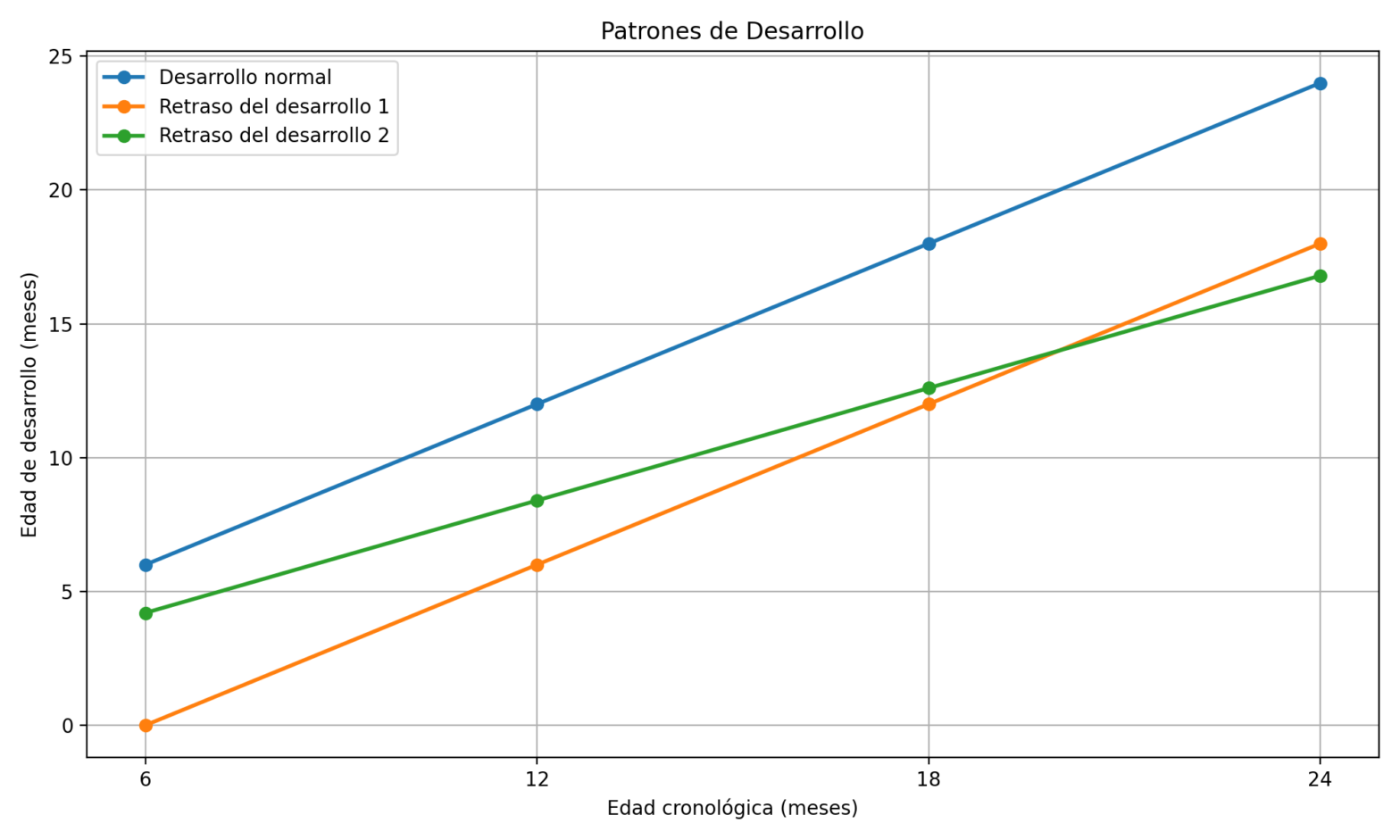
Neurodevelopment and mathematics: a clinical view The use of mathematical tools in neurodevelopment allows for a more precise evaluation, especially through analysis of trajectories over time. Keys to development: domains and trajectories Development is evaluated in interdependent domains: motor, linguistic, social-emotional. Its evolution is not linear, but with accelerations and decelerations. The trajectories…

Supervision of the psychomotor development of the healthy child. AEPAP.

Supervision of Psychomotor Development in Healthy Children (AEPAP) Monitoring of psychomotor development in Primary Care allows the early detection of neurological or developmental alterations. It is based on systematic observation during routine visits of the Child Health Program. Key Objectives Assess motor, sensory and social milestones at each visit. Identify deviations through observation…

UCSC Genome Browser.

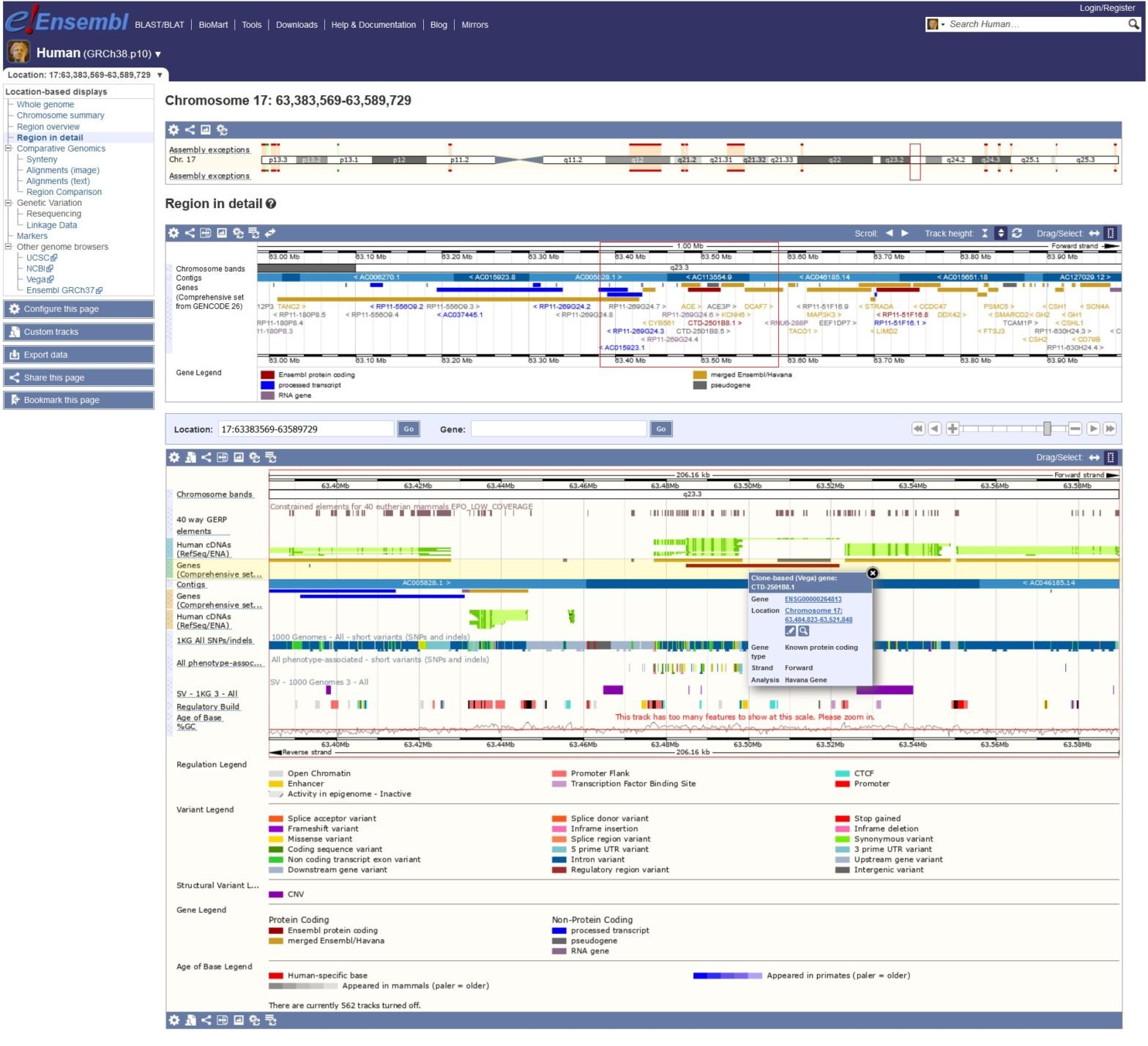
UCSC Genome Browser: Clinical Tool for Genetic Interpretation The UCSC Genome Browser is an interactive web tool for viewing human and other species genomic data. It is essential in clinical genetics to interpret variants identified by next generation sequencing (NGS). Essential Clinical Functionalities Variant visualization: allows you to locate variants in genes, exons and...

Optokinetic nystagmus.

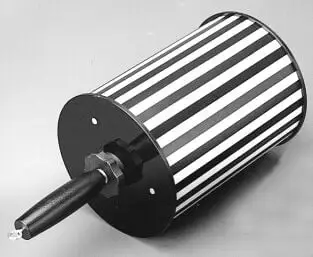
What is optokinetic nystagmus (OKN)? Involuntary ocular reflex to visual movement: slow phase (smooth pursuit) followed by fast phase (saccade). Origin and neurological pathways It begins in the retina → superior colligeal nucleus (SCN) → cerebellum and superior tectum → ocular motors. Clinical value and applications Diagnosis in non-cooperators: useful in infants, patients...

Neurological examination of the critically ill child.

Neurological examination of the critically ill child in intensive care The neurological examination in a critically ill child in intensive care (ICU) presents several challenges due to critical conditions and the use of invasive technologies such as sedation and intubation. These factors significantly limit traditional clinical evaluation. We will examine three main scenarios: sedation and intubation, reduction…

Clinical indicators of genetic PCI.

Clinical Indicators of Genetic PC The cerebral palsy (CP) is a neurological condition that can be caused by both acquired and genetic factors. Identifying clinical indicators associated with genetic CP may facilitate the selection of candidates for genetic testing. In this article, the clinical indicators that may suggest a …

Modified Asworth (spasticity).

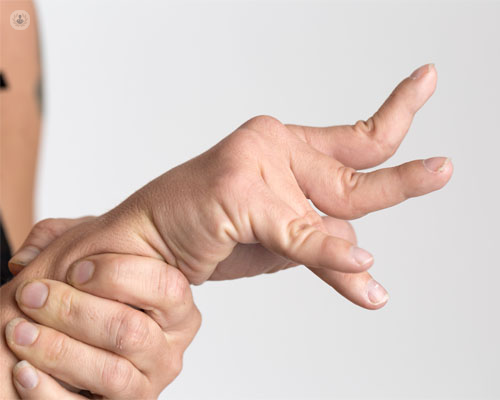
Modified Ashworth Scale for Spasticity The modified Ashworth scale is a fundamental clinical tool to qualitatively measure increased muscle tone (spasticity) through resistance to passive movement of a joint. This scale allows health professionals to evaluate and document the degree of spasticity in pediatric patients. Diagnostic Criteria 0: …