
Category archives: Uncategorized
Mathematics applied to the evaluation of neurodevelopment.
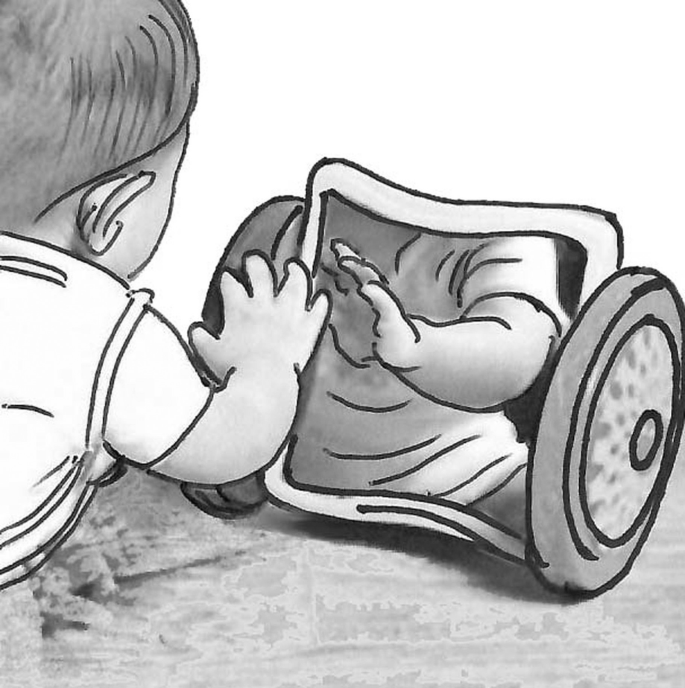
(How to overcome dyscalculia from the neuropediatrician). Introduction. Pediatric neurology is a discipline rooted within developmental medicine. As such, one of its main differential characteristics is that its subject of study is in flux, and any variable that wants to be studied is subject to this circumstance. The variables of change…
Continue reading «Las matemáticas aplicadas a la evaluación del neurodesarrollo.»
Supervision of the psychomotor development of the healthy child. AEPAP.
UCSC Genome Browser.
UCSC Genome Browser The UCSC Genome Browser is an interactive web-based bioinformatics platform developed by the University of California, Santa Cruz (UCSC). It allows researchers and clinicians to visualize, search and analyze genomic data and annotations from multiple species, with a special focus on the human genome. It is a fundamental tool in genetics…
Optokinetic nystagmus.
Optokinetic nystagmus is a maneuver that allows the assessment of the visual system as a whole, especially in non-cooperative patients. The SmartOptometry app can be used to get an optokinetic drum.
Neurological examination of the critically ill child.
The child admitted to intensive care is a difficult scenario for neurological examination, which is limited by the special circumstances imposed by this environment. We can find 3 main scenarios:
Clinical indicators of genetic PCI.
Table 2. Overview of Indicators for Genetic Cerebral Palsy Strong Moderate Possible 1.Dyskinesia2.Absence of spasticity3.Consanguinity∗4.Positive family history∗ 1. Intellectual disability2. Absence of preterm birth3. No unilateral symptoms 1. Absence of perinatal risk factors2. Visual impairment3. Microcephaly ∗ Well-known genetic indicator; comparison with reference population was not possible because it was not reported in cerebral palsy literature.
Modified Asworth (spasticity).
Modified Ashworth Scale for Spasticity The modified Ashworth scale is the most widely used clinical tool to qualitatively measure increased muscle tone (spasticity) through resistance to passive movement of a joint: 0: Normal muscle tone (no increase in tone). 1: Slight increase in pitch manifested by a catch and release or…