ID.
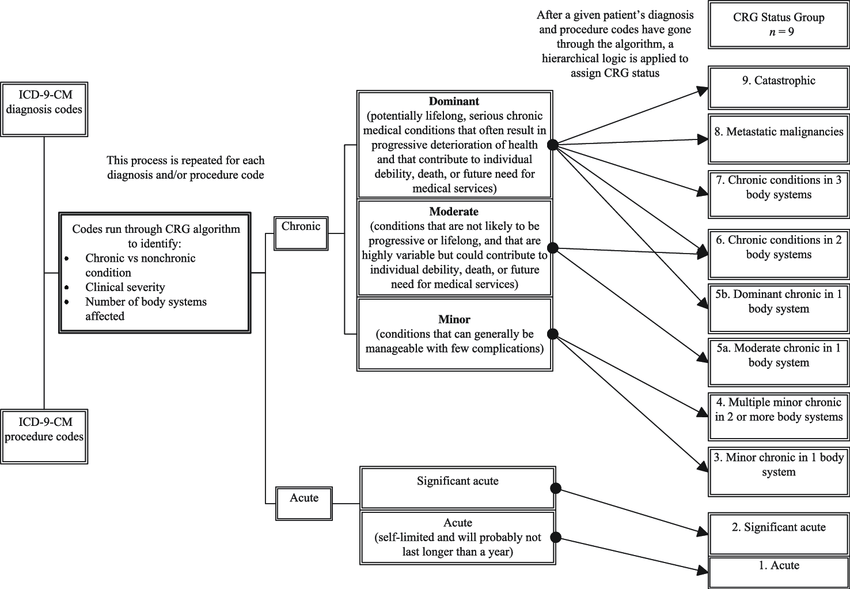
The cut-off point to consider a patient as CCP was established at 6.5 points, which obtained a sensitivity of 98% and specificity of 94%.
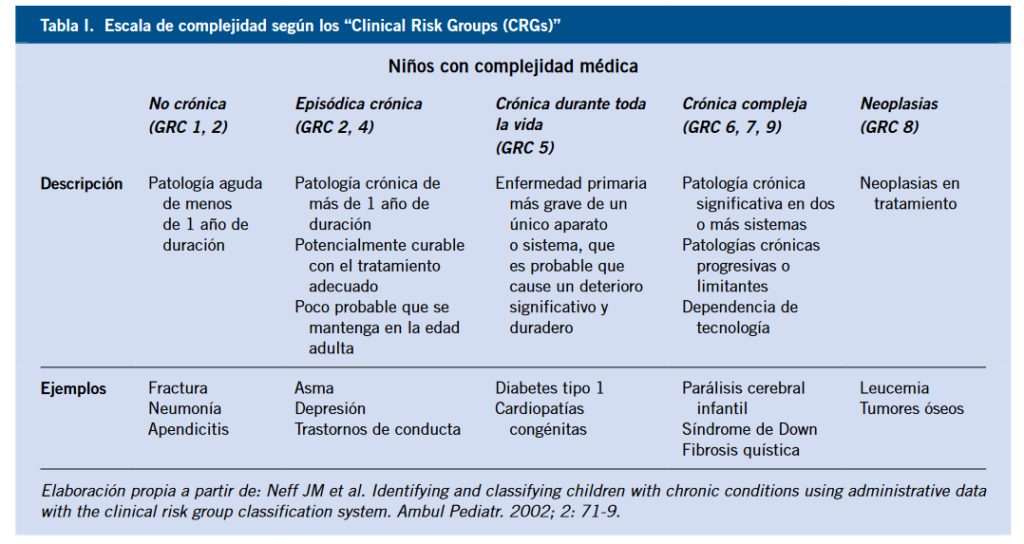
Classification.
Care planning. Individualized care plan.
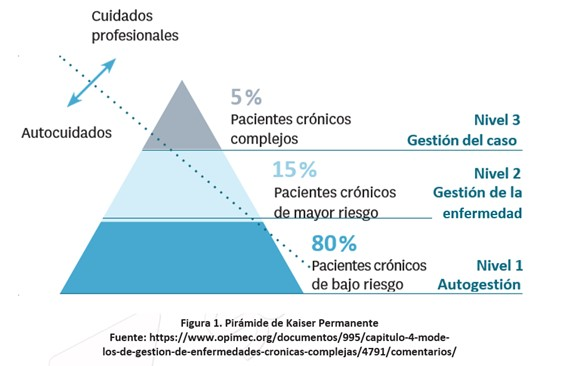
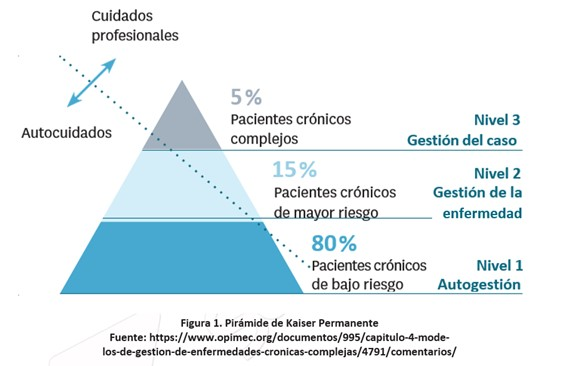
Stratification of cases Kaiser Permanente.
Vaccination.
Seasonal vaccines. Flu and SARSCoV2.
VNP23.
Neurological.
Conduct.
Epilepsy.
Dream.
Digestive.
Respiratory.
Cough-assist.
Respiratory support.
- NIV.
- Mechanical ventilation.
Criteria for obtaining respiratory samples.
- Patients in need of invasive ventilation.
- Patients with bronchiectasis or severe recurrent respiratory infections.
Rehabilitation.
Botulinum toxin.
Orthoses, motorized chairs, and other orthoprosthetic material.
Familiar.
Care plan for the main caregiver.
Sibling care plan.
Social.
Spiritual.
Ask about religiosity.
Home hospitalization and palliative care.
Pain.
Management of secretions.
Advance decision planning.
Intensive and non-intensive child. Action plan in the face of progressive deterioration that threatens the independence of vital functions.
- Need to administer liquids and/or food after losing the ability to swallow.
- Through a tube through the nose.
- Through an intravenous line.
- Through a gastrostomy in case of irreversibility to the previous functional situation.
- Need to use a urinary catheter.
- Need to breathe with the help of a machine.
- Through a mask that prevents oral communication but allows consciousness.
- Through an endotracheal tube that prevents oral communication and consciousness (sedation).
- By performing a permanent tracheostomy in case of irreversibility to the previous functional situation.
- Need to use continuously administered medications (pump) to maintain cardiocirculatory function (inotropes).
- Duration of advanced treatments in time if a situation of absence of consciousness and irreversibility to the previous functional situation occurs.
- Willingness to donate organs.
- Desired place of death and accompaniment, spiritual planning.
- Pain, consciousness and palliative care at the end of life (use of secretion aspiration devices and other techniques).
Resuscitatable and non-resuscitable child. Anticipated action plan in the event of sudden events that stop vital functions.
- When in doubt, the urgent care team always initiates resuscitation. The decision to stop resuscitation once it has started is equivalent to the decision not to resuscitate.
- Need to resume cardiological functions. Cardiac massage.
- Need to use continuously administered medications (pump) to maintain cardiocirculatory function (inotropes).
- Need to resume respiratory functions. Ventilation.
- Need to maintain recovery by breathing with the help of a machine.
- Through a mask that prevents oral communication but allows consciousness.
- Through an endotracheal tube that prevents oral communication and consciousness (sedation).
- Need to maintain recovery by breathing with the help of a machine.
https://www.ncbi.nlm.nih.gov/pmc/articles/PMC7844190/
https://theconversationproject.org/wp-content/uploads/2020/12/PediatricGuide.pdf
https://www.analesdepediatria.org/es-etica-reanimacion-cardiopulmonar-pediatrica-articulo-13097359