
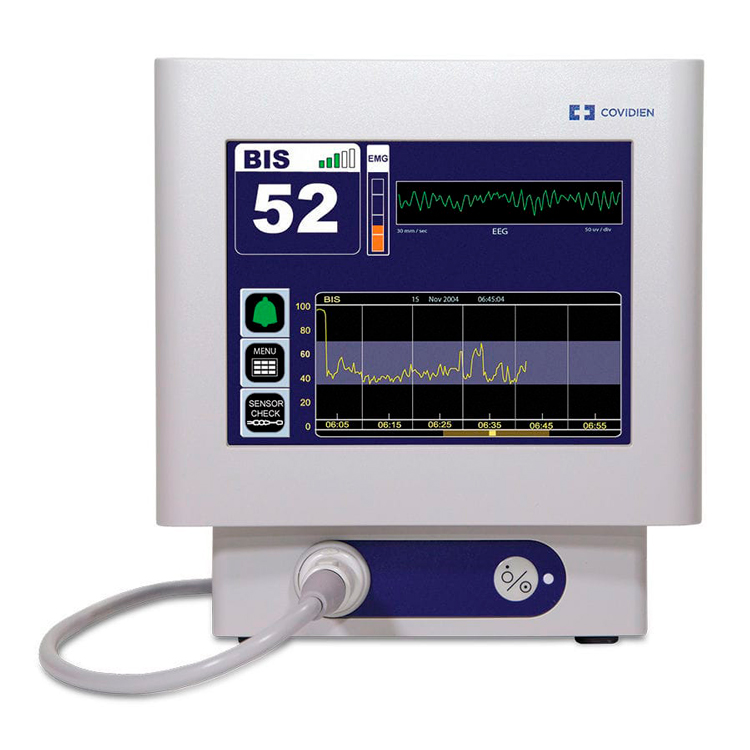
BIS (Bispectral Index) Monitor
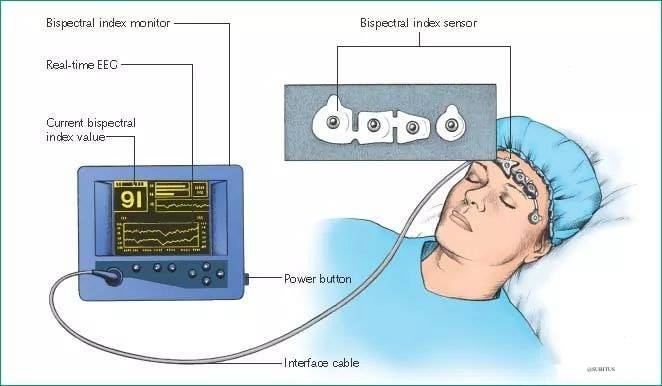
The BIS Monitor, known as the Bispectral Index, is a tool used in monitoring consciousness and monitoring neurological status during surgeries and invasive procedures. This index provides information about brain activity by measuring the optical reflectance of the skin.
Diagnostic Criteria
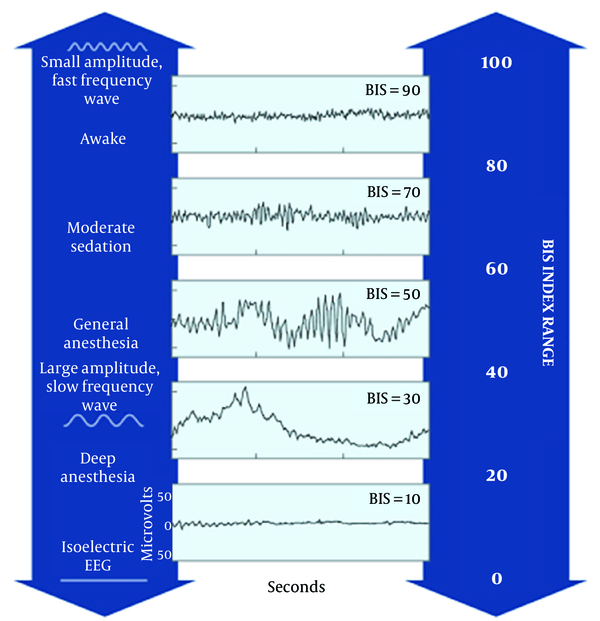
The BIS is classified into three main ranges:
- BIS 0-25: Deep coma state, cannot be rescued by stimulation.
- BIS 26-75: Intermediate coma state, can respond to stimulation but with difficulty.
- BIS 76-100: Normal state of consciousness.
These ranges are used to evaluate the patient's level of consciousness during anesthetic and surgical procedures.
Practicalactical Recommendations
The use of the BIS Monitor is recommended in situations where precise monitoring of the patient's consciousness is required, such as during surgeries with deep anesthesia or in patients with neurological conditions that may affect their state of consciousness.
It is important to establish specific limits for BIS based on clinical indications and institutional criteria. For example, a BIS greater than 60 may be considered indicative of normal consciousness, while a value less than 50 could suggest loss of consciousness.
Additionally, it is crucial to make adjustments to the monitoring protocol based on patient age and procedure-specific conditions. For example, children may require additional adjustments due to their increased sensitivity to the BIS monitor.