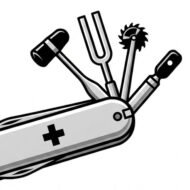
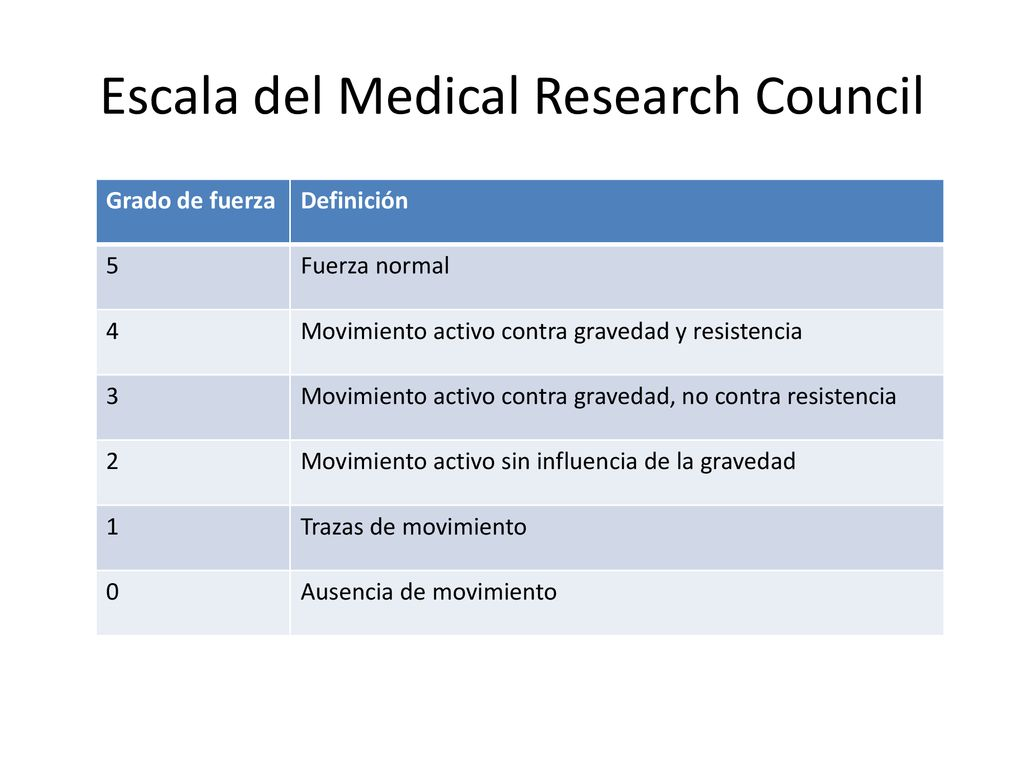
MRC (Medical Research Council) Strength Scale The Medical Research Council (MRC) scale is the clinical reference system for manually evaluating and grading muscle strength in patients with suspected neuromuscular pathology or motor weakness. It is graded from 0 to 5 as follows: Grade 0: There is no contraction…
Category archives: Clinical guide
Deformities of the skull.

For an adequate assessment of cranial deformities, it is necessary to take repeated measurements of cranial diameters (anteroposterior, biparietal, right oblique, and left oblique), in addition to head circumference. In postural plagiocephaly, the deformity tends to decrease over time. In craniosynostosis, the deformity tends to increase. Use of craniometer: Where to buy a craniometer: …
Cover-uncover test.
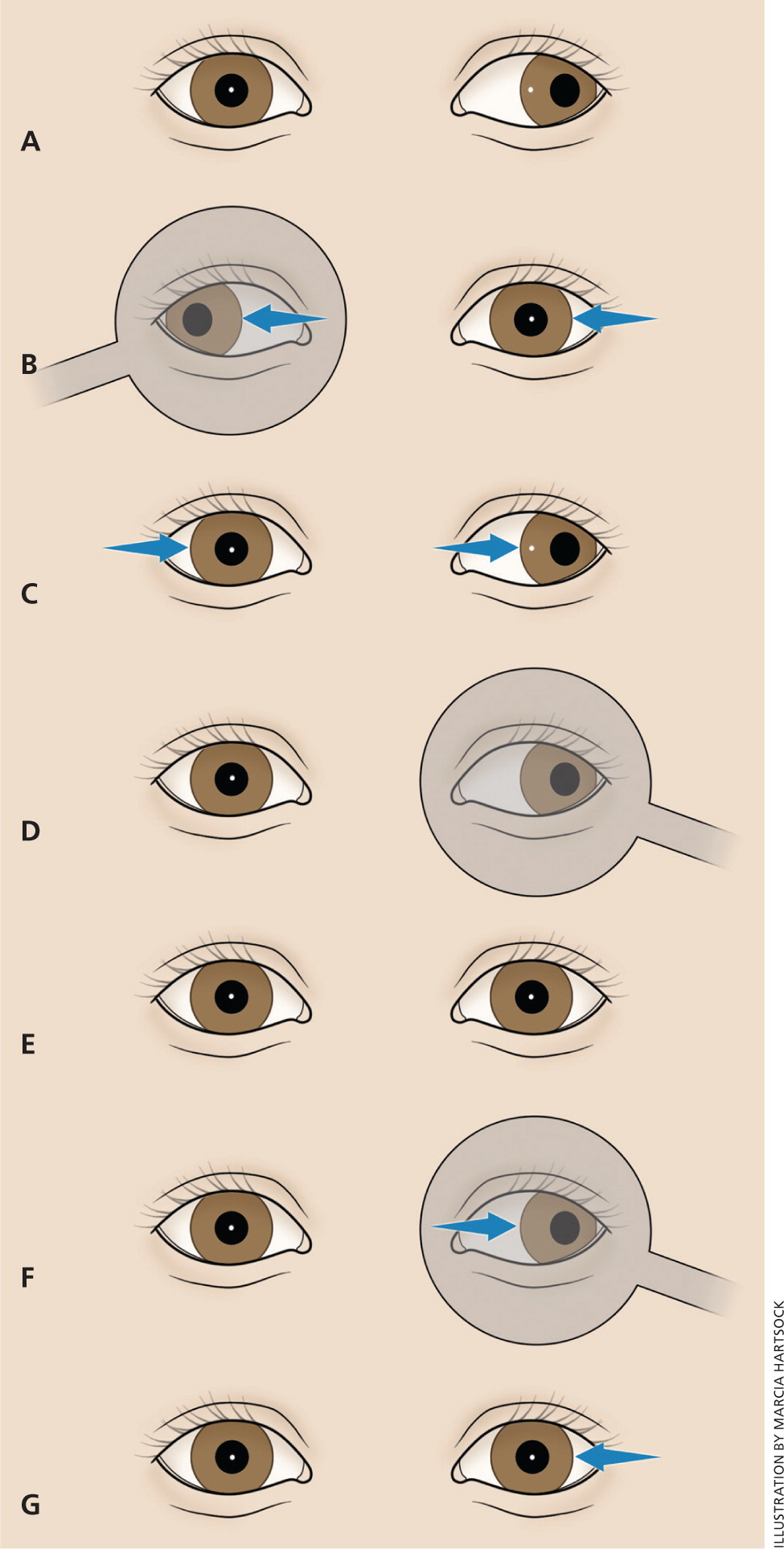
https://www.aafp.org/pubs/afp/issues/2013/0815/p241.html
Development of the drawing.
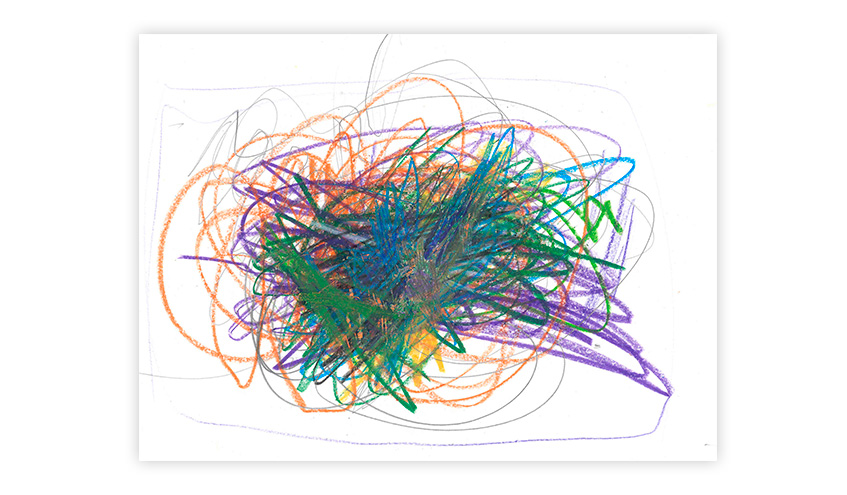
There are a set of drawing development stages that present stereotypically in all individuals, and are related to the neurodevelopmental process. There are several prerequisites for them to develop: Gross motor development. Fine motor development, and within this, the digital pincer grasp, and therefore …
Maturation of muscle tone.
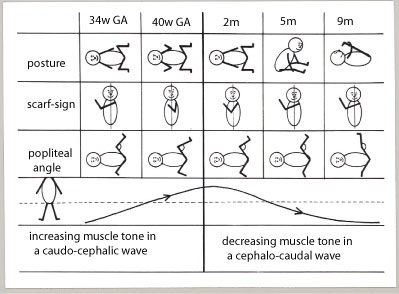
https://publications.aap.org/neoreviews/article-abstract/4/8/e199/87007/Historical-PerspectivesNeurologic-Maturation-of?redirectedFrom=fulltext
Red reflex.
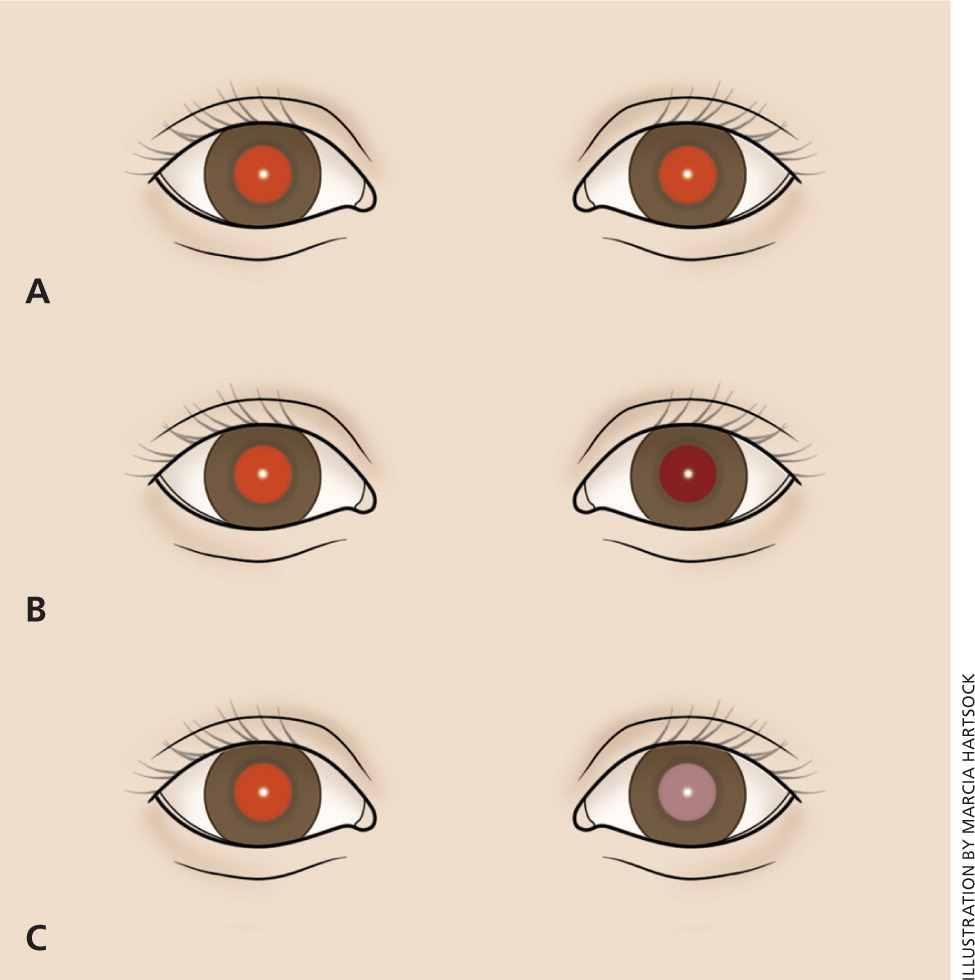
https://www.aafp.org/pubs/afp/issues/2013/0815/p241.html
Hirschberg test

https://www.aafp.org/pubs/afp/issues/2013/0815/p241.html
Criteria to be attributed causally to the cerebral palsy at an event perinatal.
Bibliography. https://publications.aap.org/pediatrics/article/133/5/e1482/32738/Neonatal-Encephalopathy-and-Neurologic-Outcome?autologincheck=redirected
Criteria for the diagnosis of cerebral palsy child.
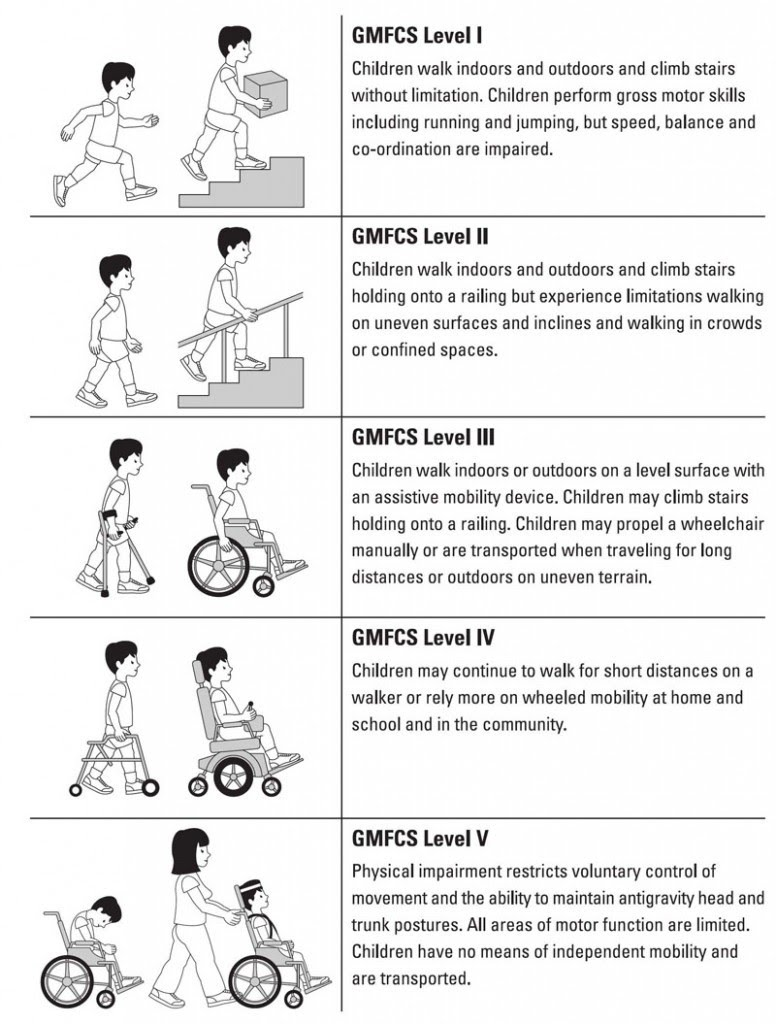
Cerebral palsy can be defined as a disorder of movement and posture control, which appears early and is the result of an injury, malformation, or dysfunction of the central nervous system, and is not the result of a progressive or degenerative brain disease. The problem can therefore appear pre-, …
Continue reading «Criterios diagnósticos de parálisis cerebral infantil.»
Fetal alcohol syndrome
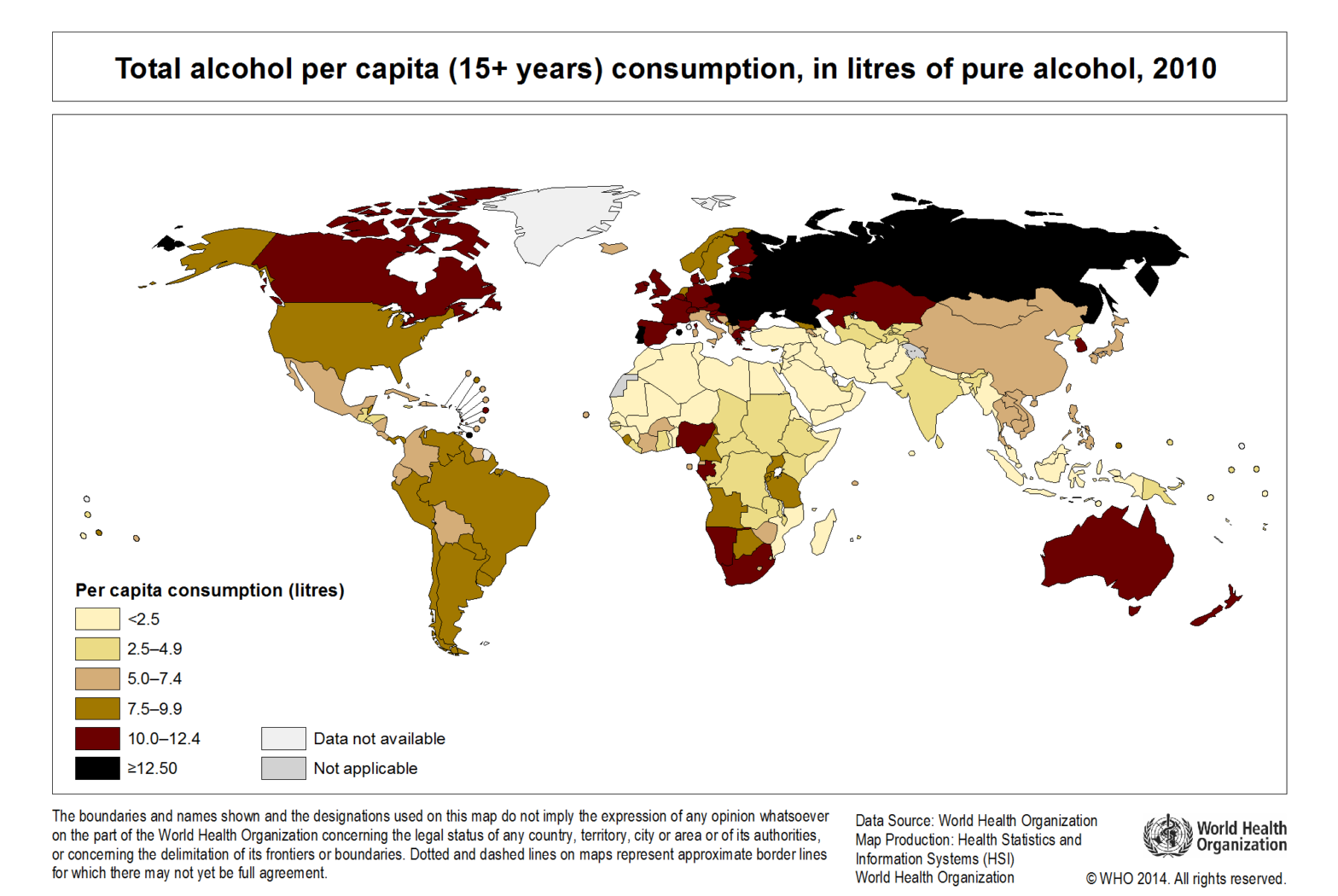
The Fetal Alcohol Syndrome Diagnostic and Prevention Network of the University of Washington has developed several tools to facilitate clinical diagnosis. It is necessary to consider this diagnosis in children with neurodevelopmental disorders and a perinatal history of alcohol exposure, or who come from countries where there is a prevalence …