

Introduction Cerebro-renal syndromes constitute a heterogeneous group of entities in which central nervous system involvement and renal dysfunction coexist, either due to a common pathophysiological mechanism (defect of a metabolic pathway that affects both organs) or due to the pleiotropic expression of a gene that is critically expressed in the brain...
Category archives: Metabolism
Mitochondrial diseases.
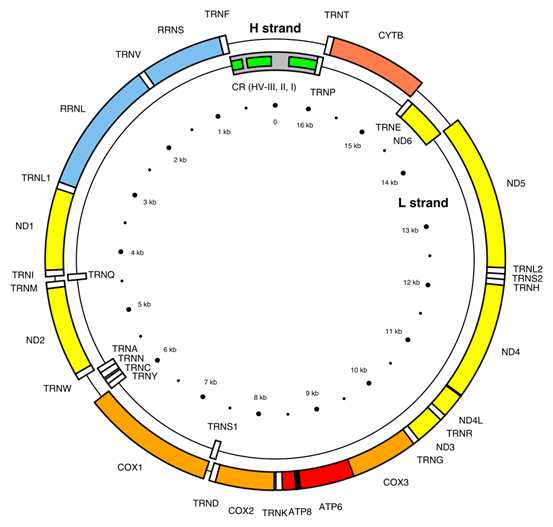
Mitochondrial diseases are a group of genetic disorders that affect the mitochondria, the cellular structures responsible for producing energy in the form of ATP (adenosine triphosphate). These diseases are caused by mutations in mitochondrial DNA or in nuclear genes that encode proteins related to mitochondrial function. Because mitochondria are…
Coenzyme Q10 (Decorenone).
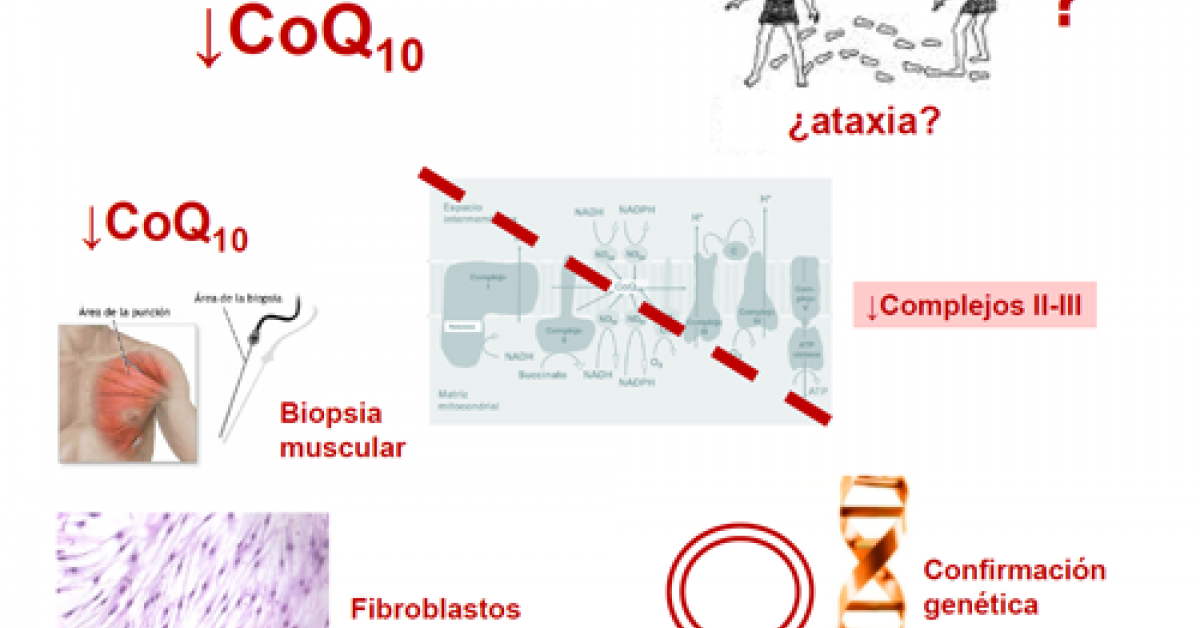
Coenzyme Q10: Deficiency and Treatment in Pediatric Neurology Introduction Coenzyme Q10 (CoQ10), also known as Decorenone, is an essential compound for cellular function, particularly in tissues with high energy demands such as the brain and muscles. CoQ10 deficiency may manifest as cerebellar ataxia, encephalomyopathy, myopathy, among other neurological syndromes. …
Metabolic diseases with dysmorphia.
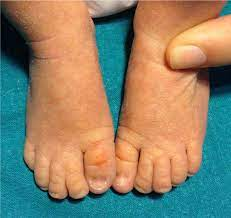
In Vademecum Metabolicum there are different guides depending on the clinical scenario, including metabolic diseases that present with dysmorphia:
Diseases peroxisomal.

When do you suspect an error congenital metabolism?
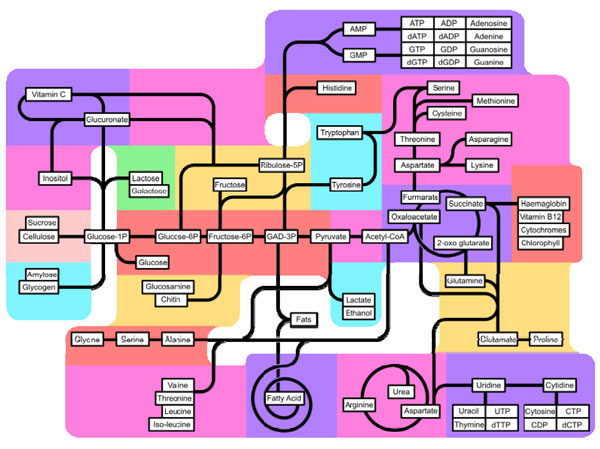
Inborn errors of metabolism are diseases usually of autosomal recessive inheritance (although there are some of X-linked inheritance), and in some cases they are susceptible to curative treatment, which is why it is important to identify them early.
Coarse facies.
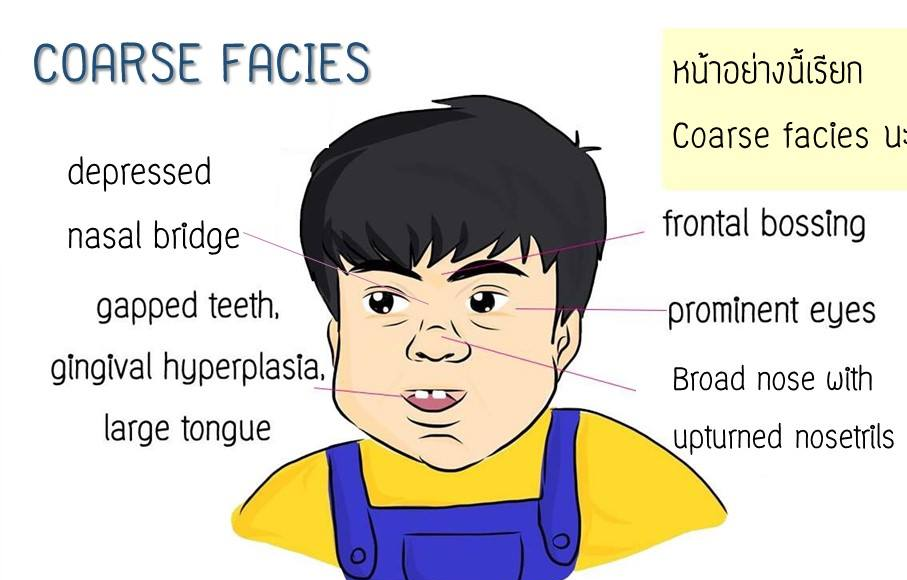
There are many metabolic diseases characterized by coarse facies. Most of them are storage diseases and present a progressive phenotype that becomes more evident with age, making early diagnosis difficult. The best strategy is to implement a targeted screening, using GAGs in a...
Metabolic diseases are linked to X.
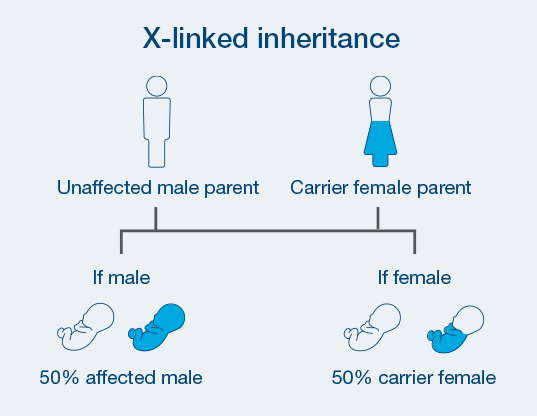
Most inborn errors of metabolism are autosomal recessive diseases. However, there are some exceptions. For a complete list of all X-linked diseases, you can consult OMIM.
Rare neurological diseases diagnosable by simple means.

Cholesterol, HDL, LDL, triglycerides: Tangier disease. Abetalipoproteinemia. Smith-Lemli-Opitz, Cerebrotendinous Xanthomatosis and other disorders of cholesterol synthesis. Alpha-fetoprotein: Ataxia-telangiectasia, Ataxia with oculomotor apraxia type 1 and type 2. Uric acid: Lesch-Nyhan. MCV: X-linked alpha-thalassemia mental retardation syndrome. Ferritin. Neuroferritinopathies. TSH, FT4, FT3. Allan-Herndon-Dudley. Benign hereditary chorea. Peripheral blood smear: Acanthocytes: Neuroacanthocytosis. …
Continue reading «Enfermedades raras neurológicas diagnosticables por medios sencillos.»
CDG roadmap.

https://pubmed.ncbi.nlm.nih.gov/32512173/