
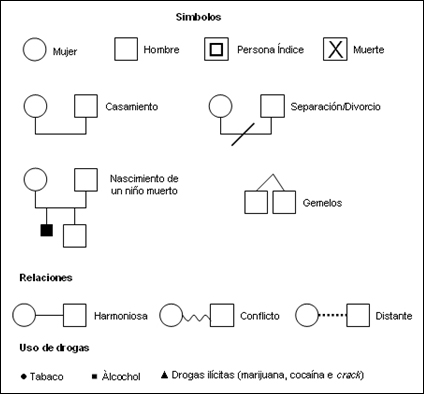
The collection of family history is a part of the anamnesis in which the individual is questioned about the presence of certain diseases in their ascendants or descendants. It is advisable to create a complete family tree, and it should include the kinship relationships of the different individuals, their sex, age and those phenotypic characteristics...
Category archives: Genetic counseling and inheritance.
Consanguinity
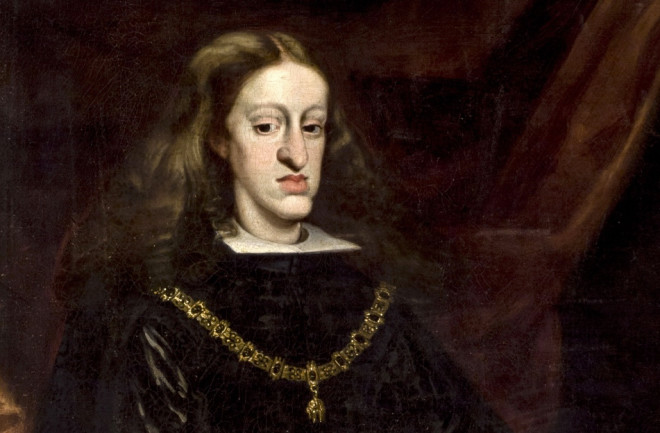
Consanguinity is the degree of blood relationship between two people (kinship). There are various degrees of consanguinity. It is a risk factor for genetic diseases, particularly autosomal recessive ones (when to suspect a metabolopathy, especially those that have curative treatment?).
Metabolic diseases are linked to X.
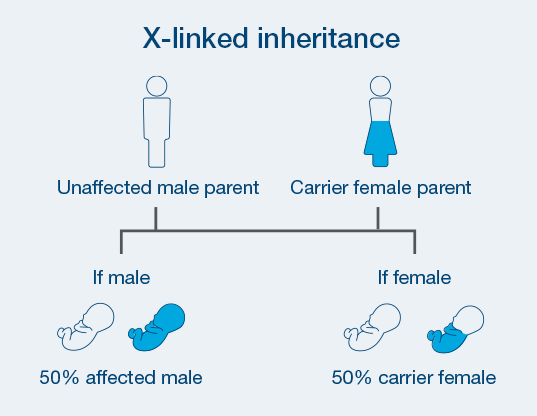
Most inborn errors of metabolism are autosomal recessive diseases. However, there are some exceptions. For a complete list of all X-linked diseases, you can consult OMIM.
Double trouble. Several genetic diseases in the same individual.

In the era of massive sequencing, access to the intensive study of the genome has provided a much deeper understanding of genetic variability, and how this can give rise to complex phenotypes from the combination of several monogenetic diseases in the same individual. It is estimated that in approximately 5% of …
Continue reading «Double trouble. Varias enfermedades genéticas en un mismo indivíduo.»
Inheritance patterns.
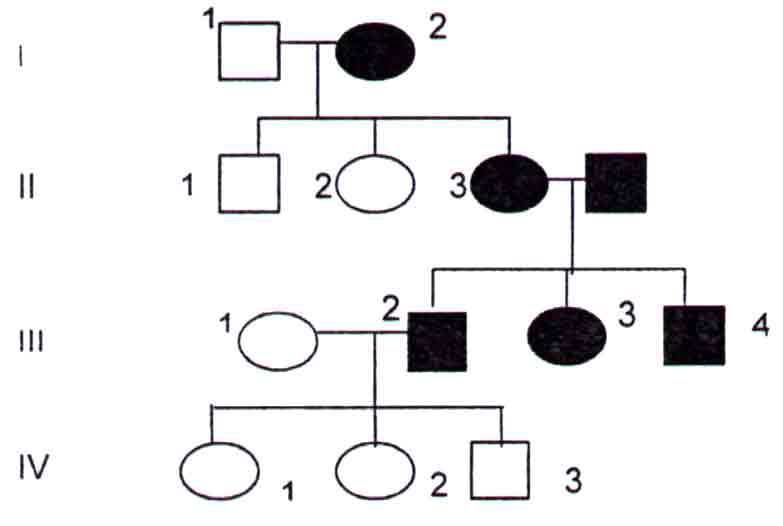
Mendelian: Autosomal dominant. Autosomal recessive. X-linked. Non-mendelian: Imprinting. Mosaicism. Dynamic mutations (Short tandem repeats).
X-linked inheritance with female susceptibility.
In X-linked inheritance, it has classically been considered that the transmission pattern occurs from carrier females to affected males, and that therefore, a carrier female would have a 50% probability of conceiving affected males and a 50% probability of conceiving carrier females. However, this assumption is only met in …
Continue reading «Herencia ligada al X con susceptibilidad femenina.»