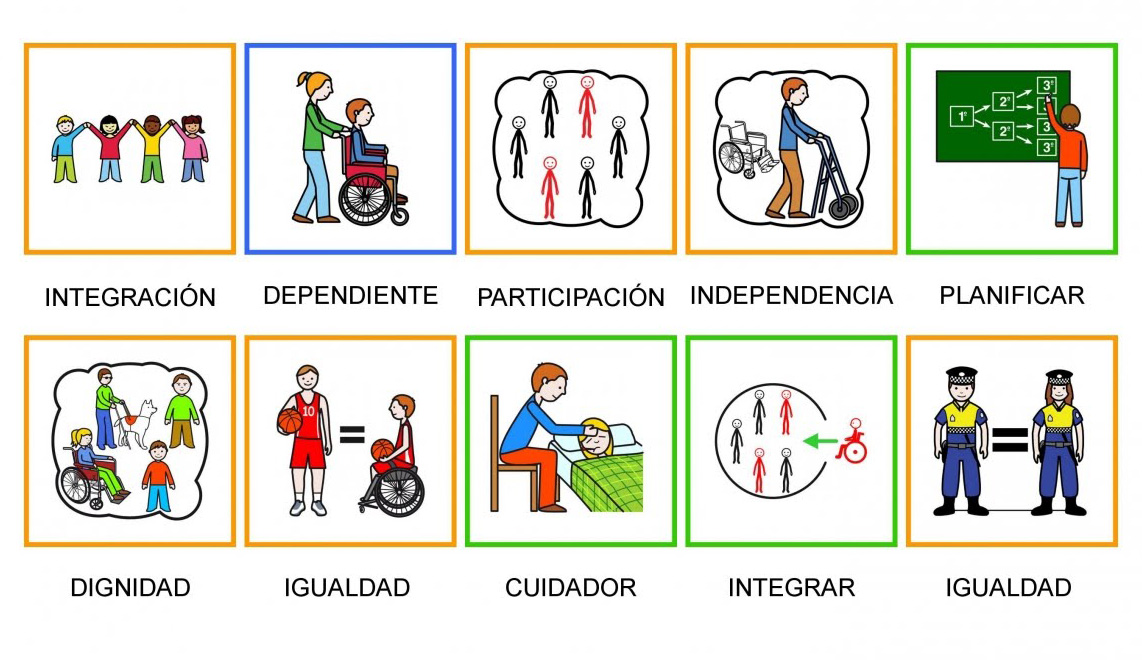
Pictograms in Neuropediatrics: Brief Clinical Guide Main objective: Facilitate the understanding of abstract concepts, reduce cognitive load and promote autonomy in children with neurological development disorders (ASD, Rett syndrome, Angelman, focal epilepsy). Neurological basis: They activate visual pathways more efficient than verbal language, especially in children with language delay or dysphasia. …
Category archives: Treatment
Technical aids software
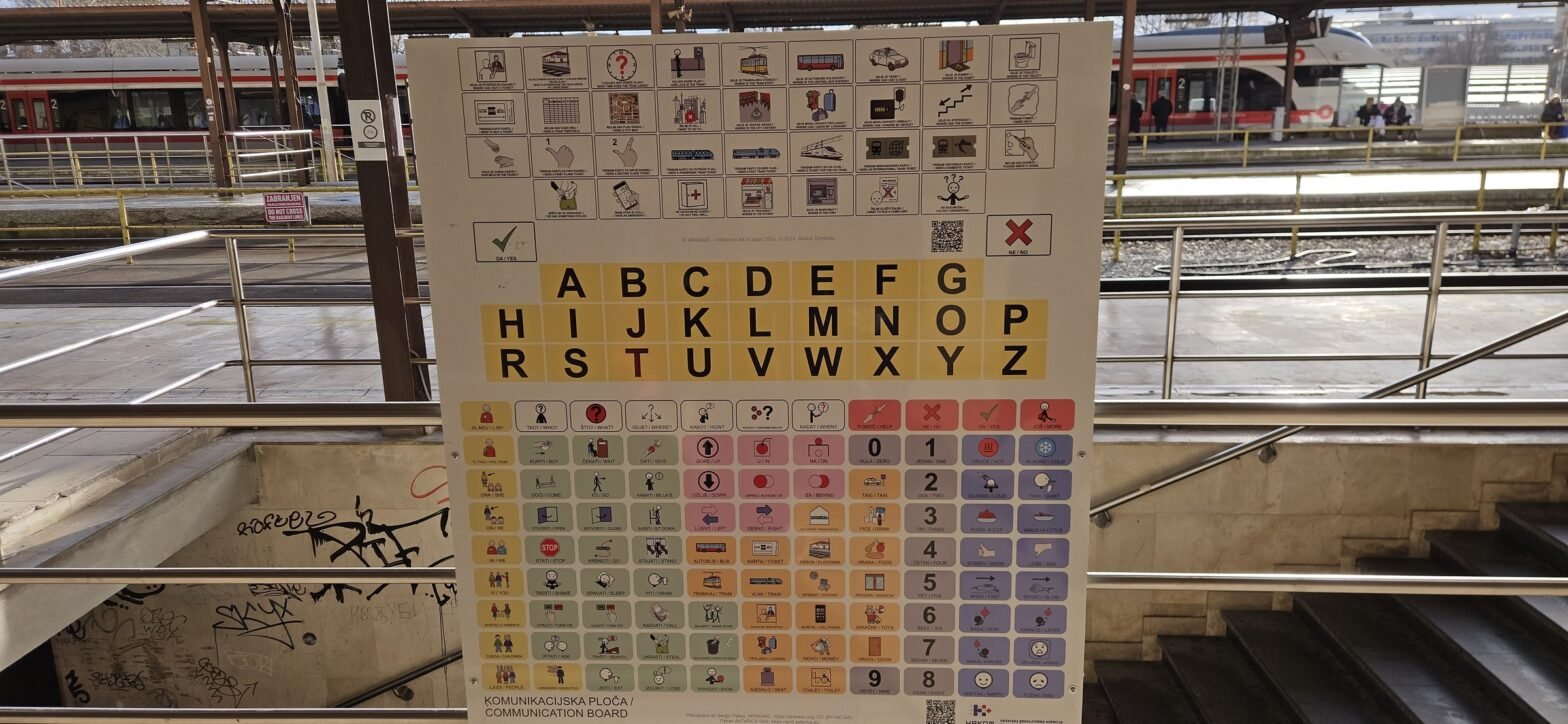
Technical Aids Software in Neuropediatrics: Key Tools for Communication and Autonomy Projecte Fressa 2026: Free Platform for Communication and Control Plaphoons v: 1012: Dynamic communicator with progressive customization. It allows you to start with 4 buttons (hunger, pain, bathroom) and expand to secondary menus. Ideal for children with limited voluntary motor skills. Leo v: 21: Transform static content…
Sagunto area resources.

Social Resources of the Sagunto Area Camp de Morvedre has key social resources for the inclusion and support of vulnerable groups. These entities operate with local financing and promote active participation in the community. Key Organizations AVOCAM: Camp de Morvedre Social Volunteering Association. Non-profit, promotes volunteering…
Osteoporosis protocol (Galindo-Zavala):
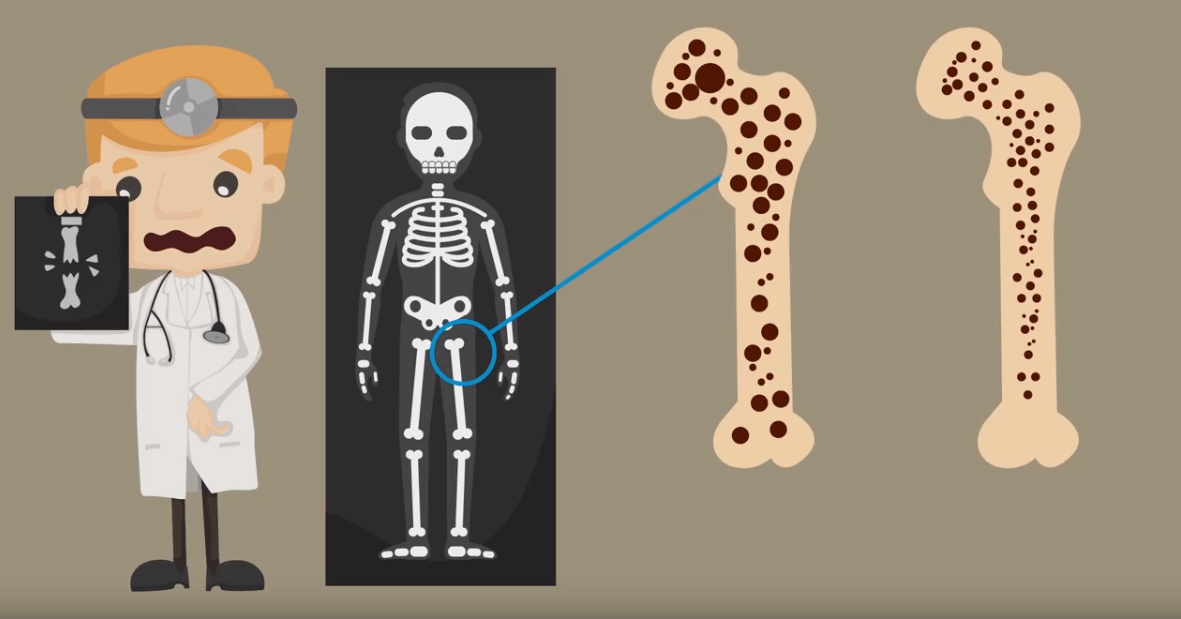
Childhood osteoporosis: diagnosis and criteria Clinical definition: fragility fractures (without high-energy trauma or local disease). Diagnostic criteria (ISCD 2019) Vertebral fragility fracture (without local cause or high trauma). BMD/CMO Z-score ≤ -2 (adjusted to size if
Neurorehabilitation in PCI. Scientific evidence.
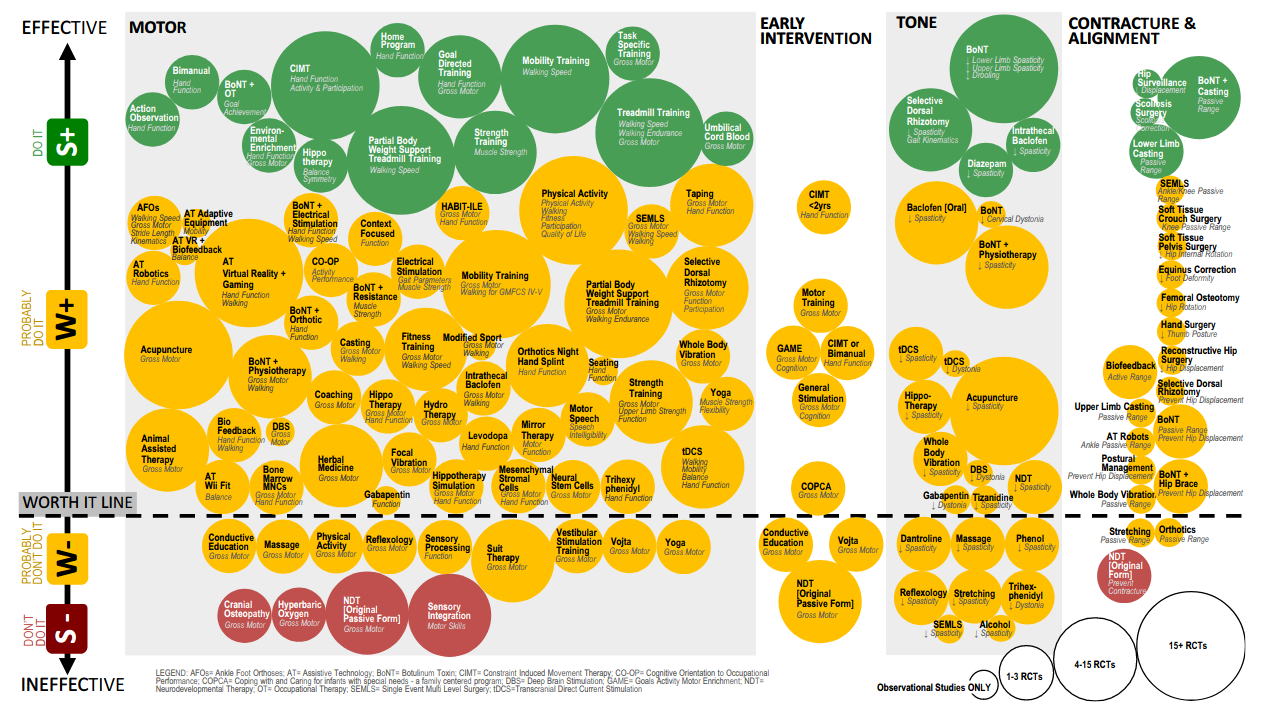
Discussion Core: Neurorehabilitation in Cerebral Palsy Neurorehabilitation in children with Cerebral Palsy (CP) is essential to improve quality of life and functional abilities. Recent scientific evidence suggests that advances in neurological interventions may reduce the severity of the condition and enhance functional outcomes. In this article, we review the …
Continue reading «Neurorehabilitación en PCI. Evidencia científica.»
Skeletal deformities in cerebral palsy.

Introduction to Skeletal Deformities in Cerebral Palsy Skeletal deformities represent a crucial component of the pathophysiology in patients with cerebral palsy (CP), as they can limit functionality and quality of life. These skeletal alterations, often associated with muscle paralysis and stiffness, may present at different stages of development and …
Continue reading «Deformidades esqueléticas en parálisis cerebral.»
Orphan Anesthesia

https://www.orphananesthesia.eu/en/rare-diseases/published-guidelines.html
Coenzyme Q10 (Decorenone).
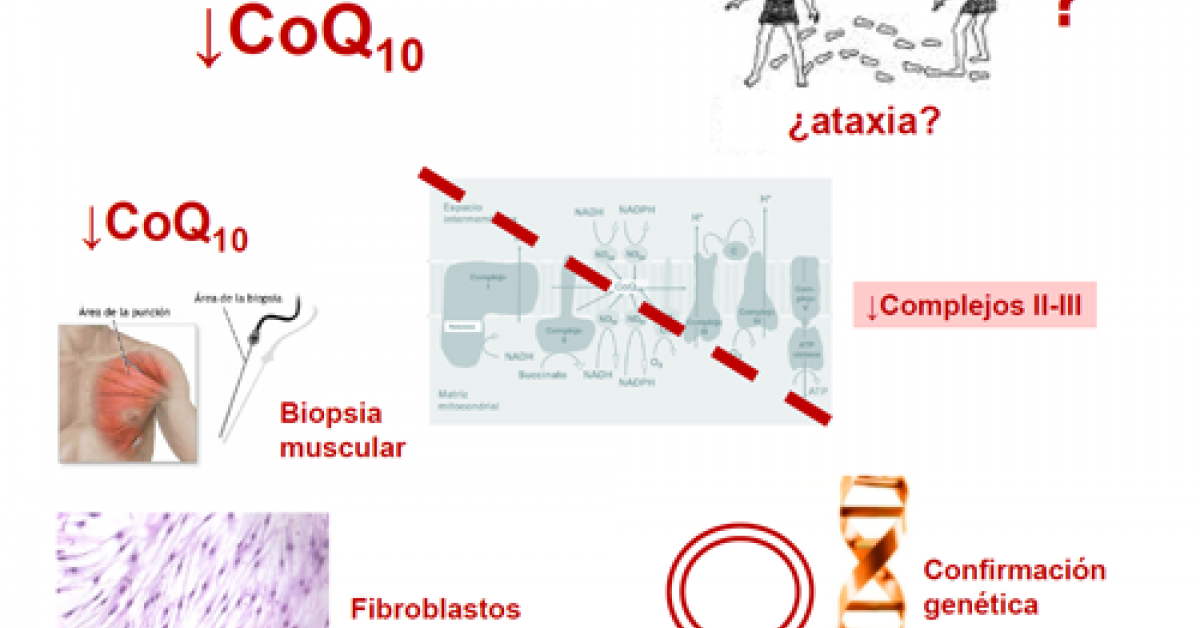
Coenzyme Q10: Deficiency and Treatment in Pediatric Neurology Introduction Coenzyme Q10 (CoQ10), also known as Decorenone, is an essential compound for cellular function, particularly in tissues with high energy demands such as the brain and muscles. CoQ10 deficiency may manifest as cerebellar ataxia, encephalomyopathy, myopathy, among other neurological syndromes. …
Antiepileptic drugs.

Technologies aumentativas and alternative communication.
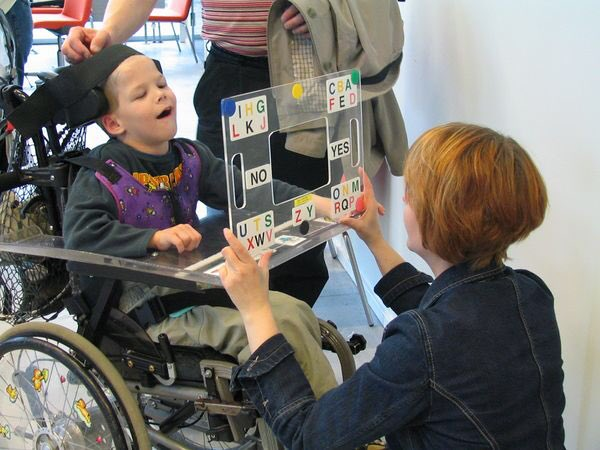
To implement an augmentative and alternative communication system, it is necessary to follow an implementation itinerary: