
Placental disease has consequences on the fetal brain and the newborn, and it is necessary to understand some of the placental pathologies that may be responsible for future neurological problems.
Acute placentopathies.
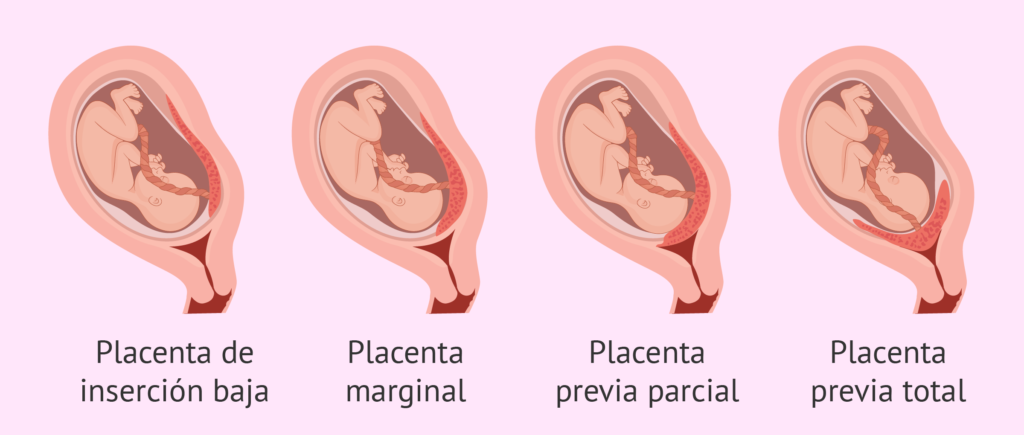
Localization of placental implantation
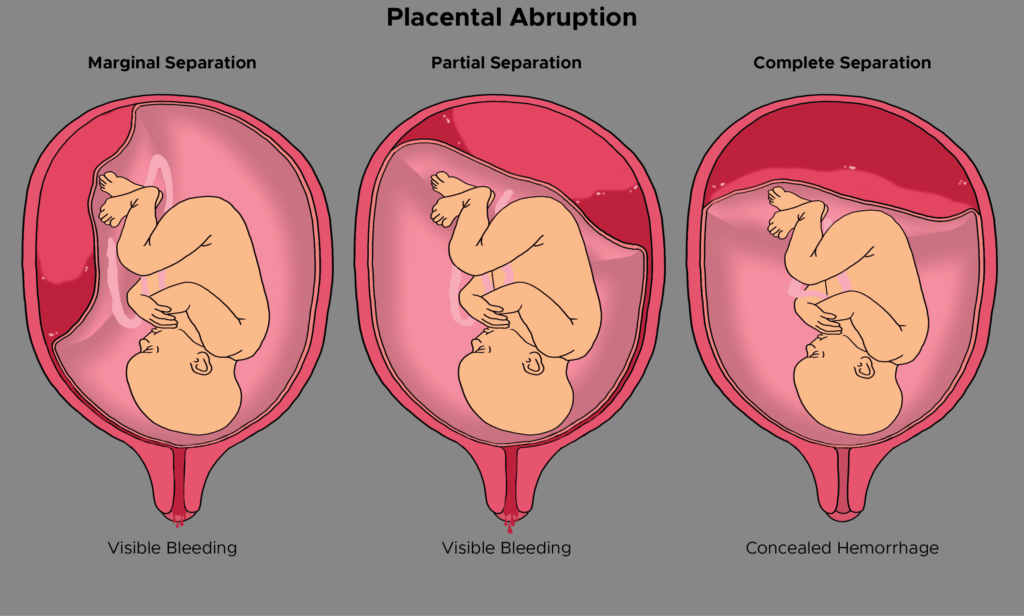
Placental abruption
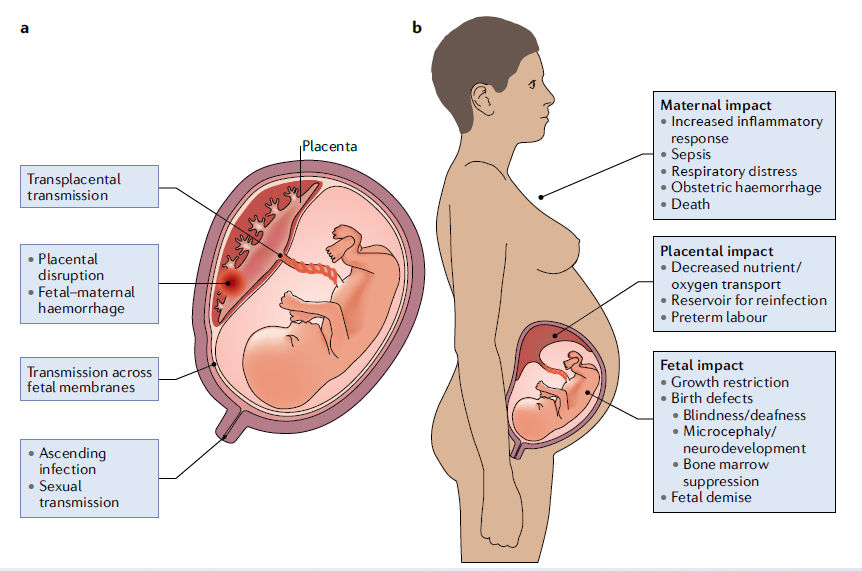
Chronic placentopathies.
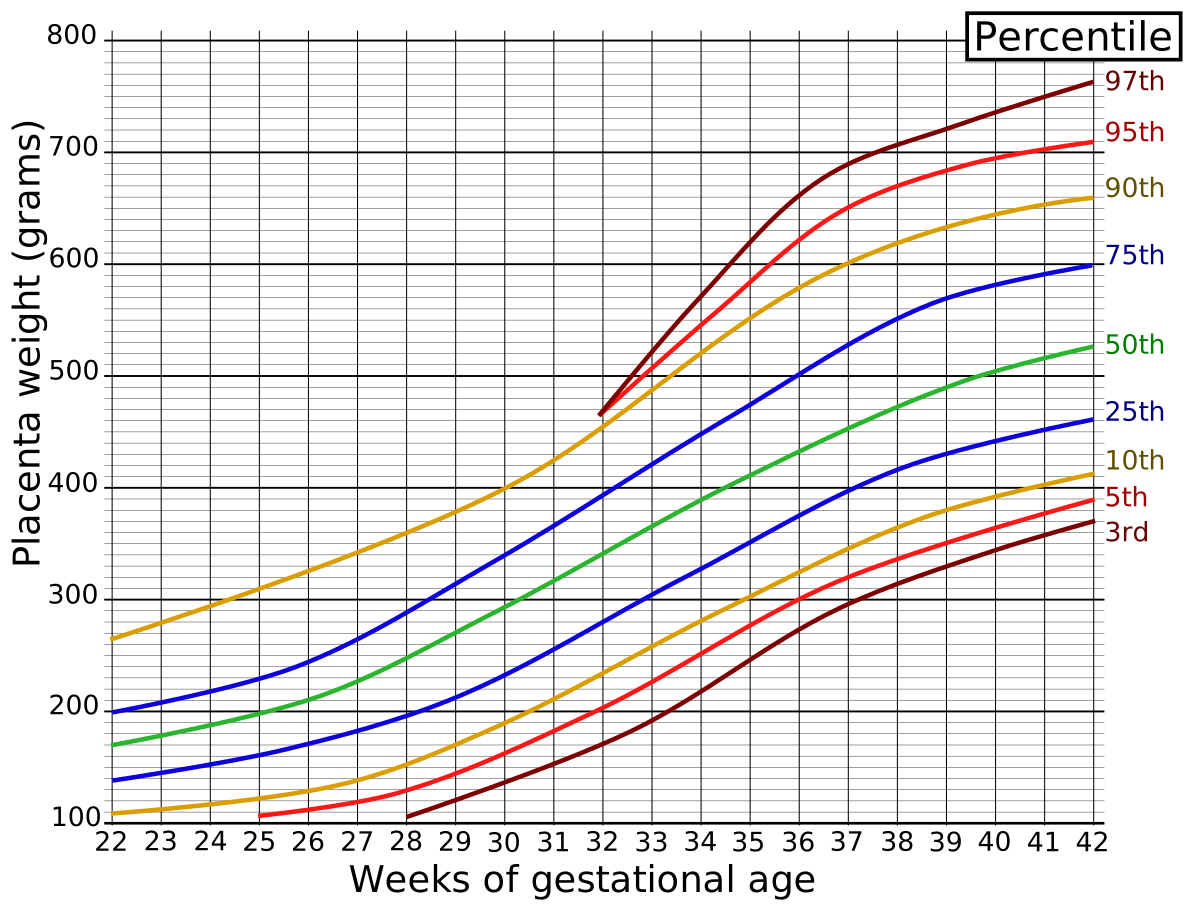
Small/large placenta for gestational age
19955111
{19955111:U4T8K8NP}
1
vancouver
50
default
3443
https://neuropediatoolkit.org/wp-content/plugins/zotpress/
statussuccessupdateneededfalseinstancefalsemetarequest_last0request_next0used_cachetruedatakeyU4T8K8NPlibraryid19955111metacreatorSummaryRobertsetal.parsedDate2017numChildren1bibltdivclassquotcsl-bib-bodyquotstylequotline-height1.35quotgtnltdivclassquotcsl-entryquotstylequotclearleftquotgtnltdivclassquotcsl-left-marginquotstylequotfloatleftpadding-right0.5emtext-alignrightwidth1emquotgt1.ltdivgtltdivclassquotcsl-right-inlinequotstylequotmargin0.4em01.5emquotgtRobertsDJRedlineRWBoydTKeditors.PlacentalWeightsMeansStandardDeviationsandPercentilesbyGestationalAge.InPlacentalandGestationalPathologyInternet.CambridgeCambridgeUniversityPress2017cited2022Nov1.p.336x2013336.DiagnosticPediatricPathology.Availablefromltaclass039zp-ItemURL039href039httpswww.cambridge.orgcorebooksplacental-and-gestational-pathologyplacental-weights-means-standard-deviations-and-percentiles-by-gestational-age6D7F30DA21FF2CE00EB4D14FF1E7B1DE039gthttpswww.cambridge.orgcorebooksplacental-and-gestational-pathologyplacental-weights-means-standard-deviations-and-percentiles-by-gestational-age6D7F30DA21FF2CE00EB4D14FF1E7B1DEltagtltdivgtnltdivgtnltdivgtdataitemTypebookSectiontitlePlacentalWeightsMeansStandardDeviationsandPercentilesbyGestationalAgecreatorscreatorTypeeditorfirstNameDrucillaJ.lastNameRobertscreatorTypeeditorfirstNameRaymondW.lastNameRedlinecreatorTypeeditorfirstNameTheoniaK.lastNameBoydabstractNotebookTitlePlacentalandGestationalPathologydate2017originalDateoriginalPublisheroriginalPlaceformatISBN978-1-316-85933-9DOI10.10179781316848616.039citationKeyurlhttpswww.cambridge.orgcorebooksplacental-and-gestational-pathologyplacental-weights-means-standard-deviations-and-percentiles-by-gestational-age6D7F30DA21FF2CE00EB4D14FF1E7B1DEISSNlanguagecollectionsHRX9XVKIdateModified2026-07-15T223945Z
1.
Roberts DJ, Redline RW, Boyd TK, editors. Placental Weights: Means, Standard Deviations, and Percentiles by Gestational Age. In: Placental and Gestational Pathology [Internet]. Cambridge: Cambridge University Press; 2017 [cited 2022 Nov 1]. p. 336–336. (Diagnostic Pediatric Pathology). Available from: https://www.cambridge.org/core/books/placental-and-gestational-pathology/placental-weights-means-standard-deviations-and-percentiles-by-gestational-age/6D7F30DA21FF2CE00EB4D14FF1E7B1DE
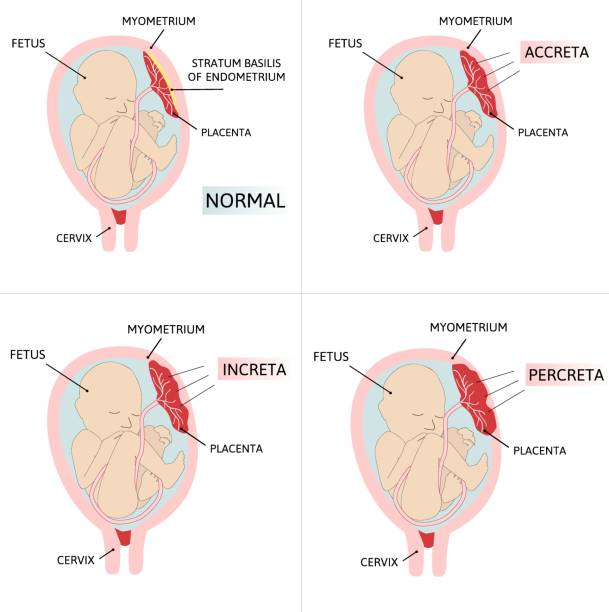
Types of placental implantation
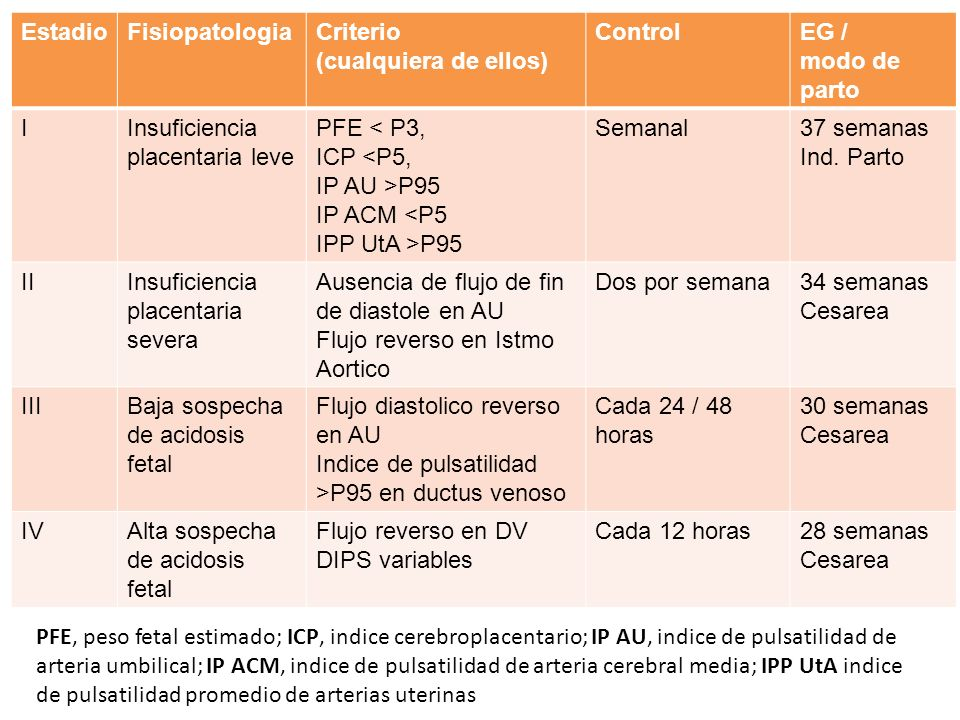
IUGR and fetus small for gestational age.
19955111
{19955111:G66WE22Y},{19955111:9X625H8D},{19955111:EL8F7VC7}
1
vancouver
50
default
3443
https://neuropediatoolkit.org/wp-content/plugins/zotpress/
statussuccessupdateneededfalseinstancefalsemetarequest_last0request_next0used_cachetruedatakey9X625H8Dlibraryid19955111metacreatorSummaryLeonetal.parsedDate2022-03numChildren2bibltdivclassquotcsl-bib-bodyquotstylequotline-height1.35quotgtnltdivclassquotcsl-entryquotstylequotclearleftquotgtnltdivclassquotcsl-left-marginquotstylequotfloatleftpadding-right0.5emtext-alignrightwidth1emquotgt1.ltdivgtltdivclassquotcsl-right-inlinequotstylequotmargin0.4em01.5emquotgtLeonRLMirINHerreraCLSharmaKSpongCYTwicklerDMetal.Neuroplacentologyincongenitalheartdiseaseplacentalconnectionstoneurodevelopmentaloutcomes.PediatrResInternet.2022Marcited2022Nov1914787x201394.Availablefromltaclass039zp-ItemURL039href039httpswww.nature.comarticless41390-021-01521-7039gthttpswww.nature.comarticless41390-021-01521-7ltagtltdivgtnltdivgtnltdivgtdataitemTypejournalArticletitleNeuroplacentologyincongenitalheartdiseaseplacentalconnectionstoneurodevelopmentaloutcomescreatorscreatorTypeauthorfirstNameRachelL.lastNameLeoncreatorTypeauthorfirstNameImranN.lastNameMircreatorTypeauthorfirstNameChristinaL.lastNameHerreracreatorTypeauthorfirstNameKavitalastNameSharmacreatorTypeauthorfirstNameCatherineY.lastNameSpongcreatorTypeauthorfirstNameDianeM.lastNameTwicklercreatorTypeauthorfirstNameLinaF.lastNameChalakabstractNoteChildrenwithcongenitalheartdiseaseCHDarelivinglongerduetoeffectivemedicalandsurgicalmanagement.Howeverthemajorityhaveneurodevelopmentaldelaysordisorders.Theroleoftheplacentainfetalbraindevelopmentisunclearandisthefocusofanemergingfieldknownasneuroplacentology.InthisreviewwesummarizeneurodevelopmentaloutcomesinCHDandtheirbrainimagingcorrelatesbothinuteroandpostnatally.WereviewdifferencesinthestructureandfunctionoftheplacentainpregnanciescomplicatedbyfetalCHDandintroducetheconceptofaplacentalinefficiencyphenotypethatoccursinsevereformsoffetalCHDcharacterizedbyamyriadofpathologies.WeproposethatinCHDplacentaldysfunctioncontributestodecreasedfetalcerebraloxygendeliveryresultinginpoorbraingrowthbrainabnormalitiesandimpairedneurodevelopment.WeconcludethereviewwithkeyareasforfutureresearchinneuroplacentologyinthefetalCHDpopulationincluding1differencesinstructureandfunctionoftheCHDplacenta2modifiableandnonmodifiablefactorsthatimpactthehemodynamicbalancebetweenplacentalandcerebralcirculations3interventionstoimproveplacentalfunctionandprotectbraindevelopmentinuteroand4theroleofgeneticandepigeneticinfluencesontheplacentau2013heartu2013brainconnection.date2022-03sectionpartNumberpartTitleDOI10.1038s41390-021-01521-7citationKeyurlhttpswww.nature.comarticless41390-021-01521-7PMIDPMCIDISSN1530-0447languageencollectionsHRX9XVKIdateModified2026-07-15T223829ZkeyEL8F7VC7libraryid19955111metacreatorSummaryMiretal.parsedDate2021-01numChildren2bibltdivclassquotcsl-bib-bodyquotstylequotline-height1.35quotgtnltdivclassquotcsl-entryquotstylequotclearleftquotgtnltdivclassquotcsl-left-marginquotstylequotfloatleftpadding-right0.5emtext-alignrightwidth1emquotgt1.ltdivgtltdivclassquotcsl-right-inlinequotstylequotmargin0.4em01.5emquotgtMirINLeonRChalakLF.Placentaloriginsofneonataldiseasestowardaprecisionmedicineapproach.PediatrResInternet.2021Jancited2022Nov1892377x201383.Availablefromltaclass039zp-ItemURL039href039httpswww.nature.comarticless41390-020-01293-6039gthttpswww.nature.comarticless41390-020-01293-6ltagtltdivgtnltdivgtnltdivgtdataitemTypejournalArticletitlePlacentaloriginsofneonataldiseasestowardaprecisionmedicineapproachcreatorscreatorTypeauthorfirstNameImranN.lastNameMircreatorTypeauthorfirstNameRachellastNameLeoncreatorTypeauthorfirstNameLinaF.lastNameChalakabstractNoteTheplacentaisthesinglemostreliablesourceforpreciseinformationonintrauterineenvironmentaswellasmaternalandfetalhealth.Itmediatesthephysiologyoftwodistinctyethighlyinterconnectedindividuals.Thepathologythatdevelopsintheplacentaandtheadaptationstheplacentaundergoestomitigatethispathologymayinfluencethelaterlifehealthofthemotherandbaby.Pathologicalplacentalexaminationprovidesauniqueopportunitytoexploreandunderstandtheintrauterineenvironmentaswellasprovidingarecordofeventsthatmaybeassociatedwithadversepregnancyoutcomes.Anumberofplacentallesionshavebeendescribedinassociationwithvariousneonatalmorbidities.Thepurposeofthisreviewistosummarizetheevidencefortheassociationofplacentalpathologiclesionswithneurodevelopmentaloutcomesinfantswithspecificneonatalmorbiditiesincluding1neonatalencephalopathy2bronchopulmonarydysplasia3congenitalheartdiseasesand4autismspectrumdisorders.Foreachofthesediseaseprocesseswewillalsoproposespecificresearchprioritiesinfuturestudies.Weconcludewithahospital-specificprotocolfortriagingwhichplacentasshouldreceivehistologicalevaluationasafundamentalfirststepforthefieldofneuroplacentologytoguideprecision-basedtherapeuticapproachesintheaffectednewborns.date2021-01sectionpartNumberpartTitleDOI10.1038s41390-020-01293-6citationKeyurlhttpswww.nature.comarticless41390-020-01293-6PMIDPMCIDISSN1530-0447languageencollectionsHRX9XVKIdateModified2026-05-09T060420ZkeyG66WE22Ylibraryid19955111metacreatorSummaryGardellaetal.parsedDate2022numChildren1bibltdivclassquotcsl-bib-bodyquotstylequotline-height1.35quotgtnltdivclassquotcsl-entryquotstylequotclearleftquotgtnltdivclassquotcsl-left-marginquotstylequotfloatleftpadding-right0.5emtext-alignrightwidth1emquotgt1.ltdivgtltdivclassquotcsl-right-inlinequotstylequotmargin0.4em01.5emquotgtGardellaBDominoniMScatignoALCesariSFiandrinoGOrcesiSetal.WhatisknownaboutneuroplacentologyinfetalgrowthrestrictionandinpreterminfantsAnarrativereviewofliterature.FrontiersinEndocrinologyInternet.2022cited2022Nov113.Availablefromltaclass039zp-ItemURL039href039httpswww.frontiersin.orgarticles10.3389fendo.2022.936171039gthttpswww.frontiersin.orgarticles10.3389fendo.2022.936171ltagtltdivgtnltdivgtnltdivgtdataitemTypejournalArticletitleWhatisknownaboutneuroplacentologyinfetalgrowthrestrictionandinpreterminfantsAnarrativereviewofliteraturecreatorscreatorTypeauthorfirstNameBarbaralastNameGardellacreatorTypeauthorfirstNameMattialastNameDominonicreatorTypeauthorfirstNameAnnachiaraLicialastNameScatignocreatorTypeauthorfirstNameStefanialastNameCesaricreatorTypeauthorfirstNameGiacomolastNameFiandrinocreatorTypeauthorfirstNameSimonalastNameOrcesicreatorTypeauthorfirstNameArseniolastNameSpinilloabstractNoteTheplacentaplaysafundamentalroleduringpregnancyforfetalgrowthanddevelopment.Asuboptimalplacentalfunctionmayresultinsevereconsequencesduringtheinfantu2019sfirstyearsoflife.Inrecentyearsanewfieldknownasneuroplacentologyhasemergedanditfocusesontheroleoftheplacentainfetalandneonatalbraindevelopment.Becauseofthelimiteddataouraimwastoprovideanarrativereviewofthemostrecentknowledgeabouttherelationbetweenplacentallesionsandfetalandnewbornneurologicaldevelopment.Paperspublishedonlinefrom2000untilFebruary2022weretakenintoconsiderationandparticularattentionwasgiventoarticlesinwhichplacentallesionswererelatedtoneonatalmorbidityandshort-termandlong-termneurologicaloutcome.Mostresearchregardingtheroleofplacentallesionsinneurodevelopmenthasbeenconductedonfetalgrowthrestrictionandpreterminfants.Principalneurologicaloutcomesinvestigatedwereperiventricularleukomalaciaintraventricularhemorrhagesneonatalencephalopathyandautismspectrumdisorder.Noconsequencesinmotordevelopmentwerefound.Alltheconsideredstudiesagreeaboutthecrucialroleplayedbyplacentainfetalandneonatalneurologicaldevelopmentandoutcome.Howeverthecausalmechanismsremainlargelyunknown.Knowledgeonthepathophysiologicalmechanismsandonplacenta-relatedrisksforneurologicalproblemsmayprovidecluesforearlyinterventionsaimingtoimproveneurologicaloutcomesespeciallyamongpediatriciansandchildpsychiatrists.date2022sectionpartNumberpartTitleDOI10.3389fendo.2022.936171citationKeyurlhttpswww.frontiersin.orgarticles10.3389fendo.2022.936171PMIDPMCIDISSN1664-2392languagecollectionsHRX9XVKIdateModified2026-05-05T170954Z
1.
Leon RL, Mir IN, Herrera CL, Sharma K, Spong CY, Twickler DM, et al. Neuroplacentology in congenital heart disease: placental connections to neurodevelopmental outcomes. Pediatr Res [Internet]. 2022 Mar [cited 2022 Nov 1];91(4):787–94. Available from: https://www.nature.com/articles/s41390-021-01521-7
1.
Mir IN, Leon R, Chalak LF. Placental origins of neonatal diseases: toward a precision medicine approach. Pediatr Res [Internet]. 2021 Jan [cited 2022 Nov 1];89(2):377–83. Available from: https://www.nature.com/articles/s41390-020-01293-6
1.
Gardella B, Dominoni M, Scatigno AL, Cesari S, Fiandrino G, Orcesi S, et al. What is known about neuroplacentology in fetal growth restriction and in preterm infants: A narrative review of literature. Frontiers in Endocrinology [Internet]. 2022 [cited 2022 Nov 1];13. Available from: https://www.frontiersin.org/articles/10.3389/fendo.2022.936171