
Definitions
- Non-syndromic neurodevelopmental disorder: It is characterized by the absence of associated medical and behavioral signs and symptoms.
- Syndromic neurodevelopmental disorder: It is characterized by the presence of associated medical and behavioral signs and symptoms.
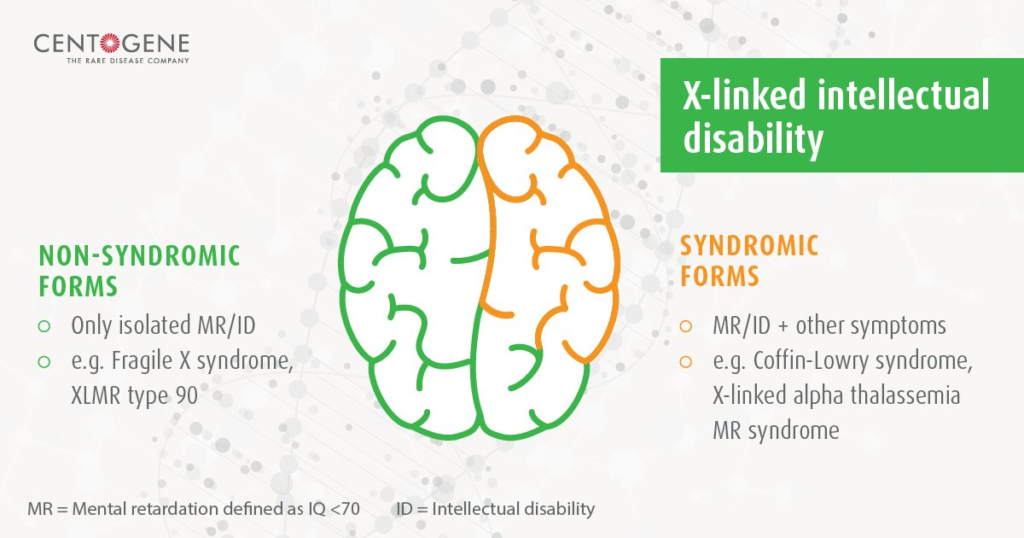
Biological basis of syndromic disorders.
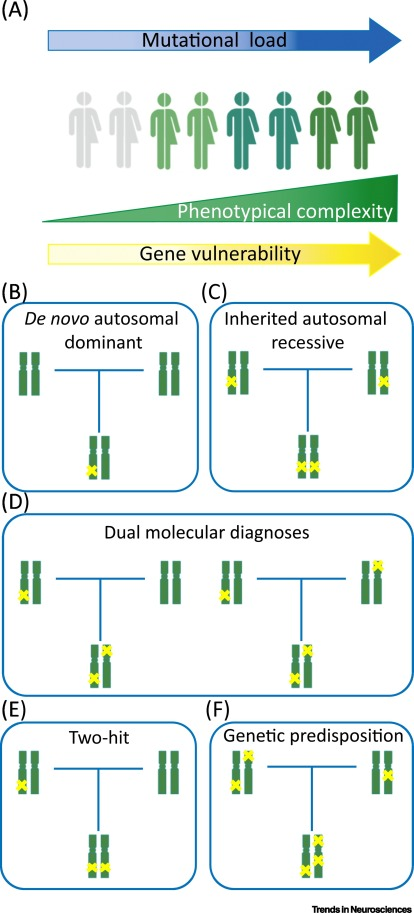
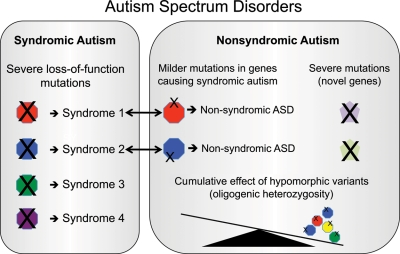
Importance for the investigation of syndromic disorders.
19955111
{19955111:6SMU4JZK}
1
vancouver
50
default
4410
https://neuropediatoolkit.org/wp-content/plugins/zotpress/
statussuccessupdateneededfalseinstancefalsemetarequest_last0request_next0used_cachetruedatakey6SMU4JZKlibraryid19955111metacreatorSummarySztainbergandZoghbiparsedDate2016-11numChildren1bibltdivclassquotcsl-bib-bodyquotstylequotline-height1.35quotgtnltdivclassquotcsl-entryquotstylequotclearleftquotgtnltdivclassquotcsl-left-marginquotstylequotfloatleftpadding-right0.5emtext-alignrightwidth1emquotgt1.ltdivgtltdivclassquotcsl-right-inlinequotstylequotmargin0.4em01.5emquotgtSztainbergYZoghbiHY.Lessonslearnedfromstudyingsyndromicautismspectrumdisorders.NatNeurosciInternet.2016Novcited2023Jan3019111408x201317.Availablefromltaclass039zp-ItemURL039href039httpswww.nature.comarticlesnn.4420039gthttpswww.nature.comarticlesnn.4420ltagtltdivgtnltdivgtnltdivgtdataitemTypejournalArticletitleLessonslearnedfromstudyingsyndromicautismspectrumdisorderscreatorscreatorTypeauthorfirstNameYehezkellastNameSztainbergcreatorTypeauthorfirstNameHudaY.lastNameZoghbiabstractNoteAutismspectrumdisordersarehighlyheterogeneousandincludebothidiopathicandsyndromicforms.SztainbergandZoghbidiscussinsightsgainedfromstudyingsyndromicautismspectrumdisordersandtheirpotentialcontributiontoourunderstandingofthemolecularpathwayscriticalfornormalcognitiveandsocialdevelopmentaswellastherelevancetoidiopathicautism.date2016-11sectionpartNumberpartTitleDOI10.1038nn.4420citationKeyurlhttpswww.nature.comarticlesnn.4420PMIDPMCIDISSN1546-1726languageencollectionsY6VW7UDFdateModified2026-07-15T223757Z
1.
Sztainberg Y, Zoghbi HY. Lessons learned from studying syndromic autism spectrum disorders. Nat Neurosci [Internet]. 2016 Nov [cited 2023 Jan 30];19(11):1408–17. Available from: https://www.nature.com/articles/nn.4420
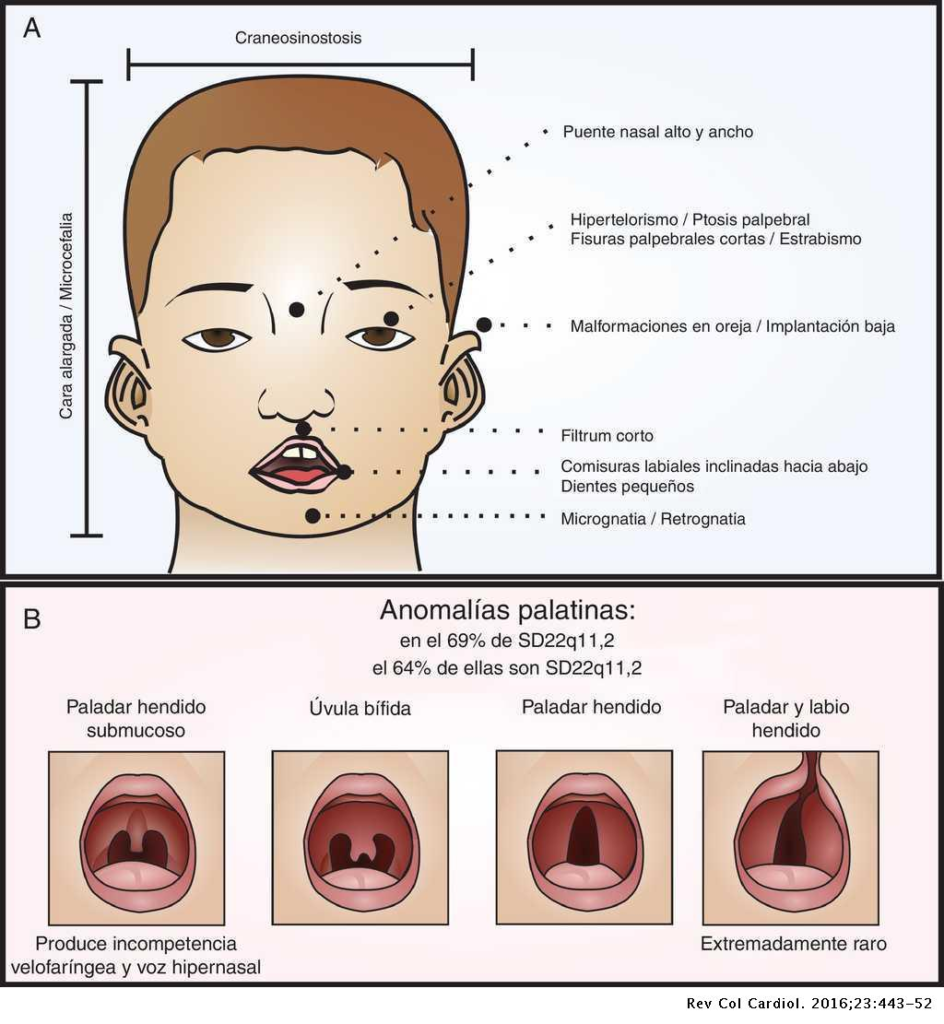
Phenotypic keys to diagnosis of the most recognizable syndromes that occur with neurodevelopmental disorders. For more information, see The Bedside Dysmorphologist.
4P minus syndrome – Greek helmet.
Prader-Willi – Obesity and hyperphagia.
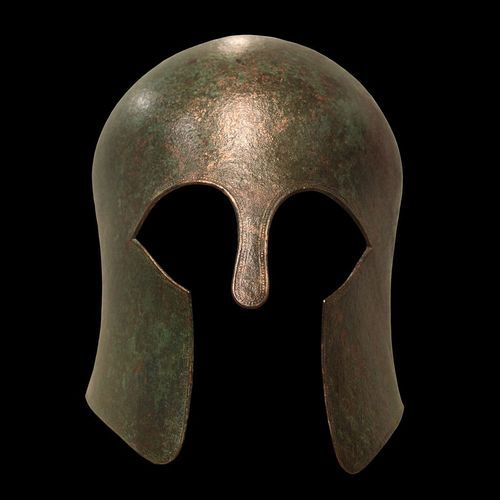
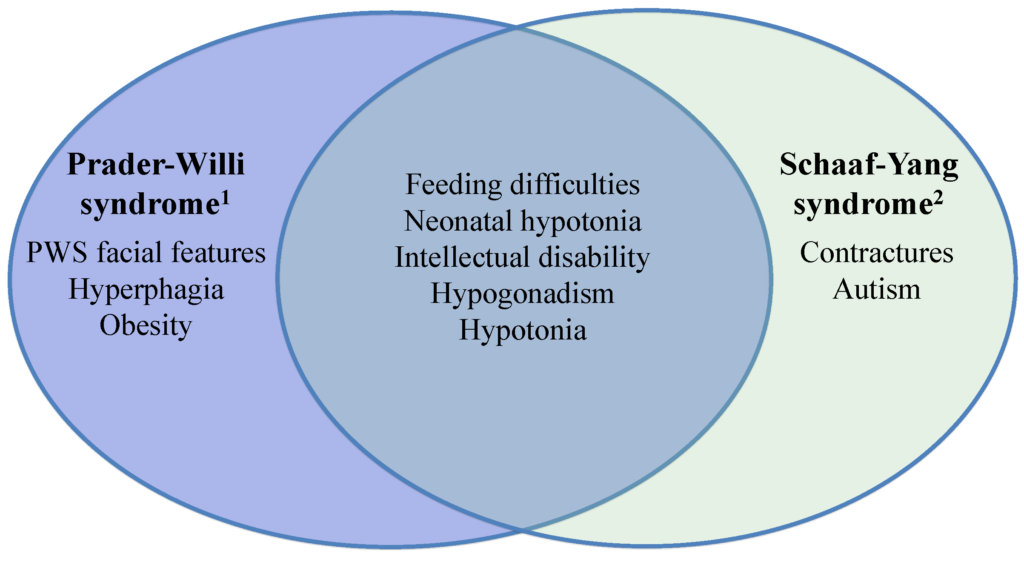
Differential diagnosis of Prader-Willi like syndromes.
19955111
{19955111:NQPIAMJR}
1
vancouver
50
default
4410
https://neuropediatoolkit.org/wp-content/plugins/zotpress/
%7B%22status%22%3A%22success%22%2C%22updateneeded%22%3Afalse%2C%22instance%22%3Afalse%2C%22meta%22%3A%7B%22request_last%22%3A0%2C%22request_next%22%3A0%2C%22used_cache%22%3Atrue%7D%2C%22data%22%3A%5B%7B%22key%22%3A%22NQPIAMJR%22%2C%22library%22%3A%7B%22id%22%3A19955111%7D%2C%22meta%22%3A%7B%22creatorSummary%22%3A%22Juriaans%20et%20al.%22%2C%22parsedDate%22%3A%222022-02-01%22%2C%22numChildren%22%3A2%7D%2C%22bib%22%3A%22%26lt%3Bdiv%20class%3D%26quot%3Bcsl-bib-body%26quot%3B%20style%3D%26quot%3Bline-height%3A%201.35%3B%20%26quot%3B%26gt%3B%5Cn%20%20%26lt%3Bdiv%20class%3D%26quot%3Bcsl-entry%26quot%3B%20style%3D%26quot%3Bclear%3A%20left%3B%20%26quot%3B%26gt%3B%5Cn%20%20%20%20%26lt%3Bdiv%20class%3D%26quot%3Bcsl-left-margin%26quot%3B%20style%3D%26quot%3Bfloat%3A%20left%3B%20padding-right%3A%200.5em%3B%20text-align%3A%20right%3B%20width%3A%201em%3B%26quot%3B%26gt%3B1.%26lt%3B%5C%2Fdiv%26gt%3B%26lt%3Bdiv%20class%3D%26quot%3Bcsl-right-inline%26quot%3B%20style%3D%26quot%3Bmargin%3A%200%20.4em%200%201.5em%3B%26quot%3B%26gt%3BJuriaans%20AF%2C%20Kerkhof%20GF%2C%20Hokken-Koelega%20ACS.%20The%20Spectrum%20of%20the%20Prader%26%23x2013%3BWilli-like%20Pheno-%20and%20Genotype%3A%20A%20Review%20of%20the%20Literature.%20Endocrine%20Reviews%20%5BInternet%5D.%202022%20Feb%201%20%5Bcited%202022%20May%2025%5D%3B43%281%29%3A1%26%23x2013%3B18.%20Available%20from%3A%20%26lt%3Ba%20class%3D%26%23039%3Bzp-ItemURL%26%23039%3B%20href%3D%26%23039%3Bhttps%3A%5C%2F%5C%2Fdoi.org%5C%2F10.1210%5C%2Fendrev%5C%2Fbnab026%26%23039%3B%26gt%3Bhttps%3A%5C%2F%5C%2Fdoi.org%5C%2F10.1210%5C%2Fendrev%5C%2Fbnab026%26lt%3B%5C%2Fa%26gt%3B%26lt%3B%5C%2Fdiv%26gt%3B%5Cn%20%20%26lt%3B%5C%2Fdiv%26gt%3B%5Cn%26lt%3B%5C%2Fdiv%26gt%3B%22%2C%22data%22%3A%7B%22itemType%22%3A%22journalArticle%22%2C%22title%22%3A%22The%20Spectrum%20of%20the%20Prader%5Cu2013Willi-like%20Pheno-%20and%20Genotype%3A%20A%20Review%20of%20the%20Literature%22%2C%22creators%22%3A%5B%7B%22creatorType%22%3A%22author%22%2C%22firstName%22%3A%22Alicia%20F%22%2C%22lastName%22%3A%22Juriaans%22%7D%2C%7B%22creatorType%22%3A%22author%22%2C%22firstName%22%3A%22Gerthe%20F%22%2C%22lastName%22%3A%22Kerkhof%22%7D%2C%7B%22creatorType%22%3A%22author%22%2C%22firstName%22%3A%22Anita%20C%20S%22%2C%22lastName%22%3A%22Hokken-Koelega%22%7D%5D%2C%22abstractNote%22%3A%22Prader%5Cu2013Willi%20syndrome%20%28PWS%29%20is%20a%20rare%20genetic%20syndrome%2C%20caused%20by%20the%20loss%20of%20expression%20of%20the%20paternal%20chromosome%2015q11-q13%20region.%20Over%20the%20past%20years%2C%20many%20cases%20of%20patients%20with%20characteristics%20similar%20to%20PWS%2C%20but%20without%20a%20typical%20genetic%20aberration%20of%20the%2015q11-q13%20region%2C%20have%20been%20described.%20These%20patients%20are%20often%20labelled%20as%20Prader%5Cu2013Willi-like%20%28PWL%29.%20PWL%20is%20an%20as-yet%20poorly%20defined%20syndrome%2C%20potentially%20affecting%20a%20significant%20number%20of%20children%20and%20adults.%20In%20the%20current%20clinical%20practice%2C%20patients%20labelled%20as%20PWL%20are%20mostly%20left%20without%20treatment%20options.%20Considering%20the%20similarities%20with%20PWS%2C%20children%20with%20PWL%20might%20benefit%20from%20the%20same%20care%20and%20treatment%20as%20children%20with%20PWS.%20This%20review%20gives%20more%20insight%20into%20the%20pheno-%20and%20genotype%20of%20PWL%20and%20includes%2086%20papers%2C%20containing%20368%20cases%20of%20patients%20with%20a%20PWL%20phenotype.%20We%20describe%20mutations%20and%20aberrations%20for%20consideration%20when%20suspicion%20of%20PWS%20remains%20after%20negative%20testing.%20The%20most%20common%20genetic%20diagnoses%20were%20Temple%20syndrome%20%28formerly%20known%20as%20maternal%20uniparental%20disomy%2014%29%2C%20Schaaf%5Cu2013Yang%20syndrome%20%28truncating%20mutation%20in%20the%20MAGEL2%20gene%29%2C%201p36%20deletion%2C%202p%20deletion%2C%206q%20deletion%2C%206q%20duplication%2C%2015q%20deletion%2C%2015q%20duplication%2C%2019p%20deletion%2C%20fragile%20X%20syndrome%2C%20and%20Xq%20duplication.%20We%20found%20that%20the%20most%20prevalent%20symptoms%20in%20the%20entire%20group%20were%20developmental%20delay%5C%2Fintellectual%20disability%20%2876%25%29%2C%20speech%20problems%20%2864%25%29%2C%20overweight%5C%2Fobesity%20%2857%25%29%2C%20hypotonia%20%2856%25%29%2C%20and%20psychobehavioral%20problems%20%2853%25%29.%20In%20addition%2C%20we%20propose%20a%20diagnostic%20approach%20to%20patients%20with%20a%20PWL%20phenotype%20for%20%28pediatric%29%20endocrinologists.%20PWL%20comprises%20a%20complex%20and%20diverse%20group%20of%20patients%2C%20which%20calls%20for%20multidisciplinary%20care%20with%20an%20individualized%20approach.%22%2C%22date%22%3A%222022-02-01%22%2C%22section%22%3A%22%22%2C%22partNumber%22%3A%22%22%2C%22partTitle%22%3A%22%22%2C%22DOI%22%3A%2210.1210%5C%2Fendrev%5C%2Fbnab026%22%2C%22citationKey%22%3A%22%22%2C%22url%22%3A%22https%3A%5C%2F%5C%2Fdoi.org%5C%2F10.1210%5C%2Fendrev%5C%2Fbnab026%22%2C%22PMID%22%3A%22%22%2C%22PMCID%22%3A%22%22%2C%22ISSN%22%3A%220163-769X%22%2C%22language%22%3A%22%22%2C%22collections%22%3A%5B%2269EHFCW4%22%5D%2C%22dateModified%22%3A%222026-07-15T22%3A38%3A24Z%22%7D%7D%5D%7D
1.
Juriaans AF, Kerkhof GF, Hokken-Koelega ACS. The Spectrum of the Prader–Willi-like Pheno- and Genotype: A Review of the Literature. Endocrine Reviews [Internet]. 2022 Feb 1 [cited 2022 May 25];43(1):1–18. Available from: https://doi.org/10.1210/endrev/bnab026
Schaaf-Yang syndrome.
P-W like subphenotype of X-fragile.
19955111
{19955111:C5V4SMR3}
1
vancouver
50
default
4410
https://neuropediatoolkit.org/wp-content/plugins/zotpress/
statussuccessupdateneededfalseinstancefalsemetarequest_last0request_next0used_cachetruedatakeyC5V4SMR3libraryid19955111metacreatorSummaryNowickietal.parsedDate2007-04numChildren1bibltdivclassquotcsl-bib-bodyquotstylequotline-height1.35quotgtnltdivclassquotcsl-entryquotstylequotclearleftquotgtnltdivclassquotcsl-left-marginquotstylequotfloatleftpadding-right0.5emtext-alignrightwidth1emquotgt1.ltdivgtltdivclassquotcsl-right-inlinequotstylequotmargin0.4em01.5emquotgtNowickiSTTassoneFOnoMYFerrantiJCroquetteMFGoodlin-JonesBetal.ThePrader-WilliphenotypeoffragileXsyndrome.JDevBehavPediatr.2007Apr282133x20138.ltdivgtnltdivgtnltdivgtdataitemTypejournalArticletitleThePrader-WilliphenotypeoffragileXsyndromecreatorscreatorTypeauthorfirstNameStephenT.lastNameNowickicreatorTypeauthorfirstNameFloralastNameTassonecreatorTypeauthorfirstNameMicheleY.lastNameOnocreatorTypeauthorfirstNameJessicalastNameFerranticreatorTypeauthorfirstNameMarieFrancoiselastNameCroquettecreatorTypeauthorfirstNameBethlastNameGoodlin-JonescreatorTypeauthorfirstNameRandiJ.lastNameHagermanabstractNoteThePrader-WilliphenotypePWPoffragileXsyndromeFXSisassociatedwithobesityandhyperphagiasimilartoPrader-WillisyndromePWSbutwithoutcytogeneticormethylationabnormalitiesat15q11-13.ThirteencasesofPWPandFXSarereportedherethatwereidentifiedbyobesityandhyperphagia.Delayedpubertywasseenin5of9caseswhohadenteredpubertyasmallpenisortesticlesinsevenof13casesandinfanthypotoniaandorapoorsuckinsevenof13cases.Autismspectrumdisorderoccurredin10of13casesandautismwasdiagnosedinsevenof13cases.WeinvestigatedcytoplasmicinteractingFMR1proteinCYFIPexpressionwhichisaproteinthatinteractswithFMR1proteinFMRPbecausethegeneforCYFIPislocatedat15q11-13.CYFIPmRNAlevelsweresignificantlyreducedinourpatientswiththePWPandFXScomparedtoindividualswithoutFXSplt.001andalsoindividualswithFXSwithoutPWPp.03.date2007-04sectionpartNumberpartTitleDOI10.109701.DBP.0000267563.18952.c9citationKeyurlPMID17435464PMCIDISSN0196-206XlanguageengcollectionsH8FP73RPdateModified2026-07-15T223926Z
1.
Nowicki ST, Tassone F, Ono MY, Ferranti J, Croquette MF, Goodlin-Jones B, et al. The Prader-Willi phenotype of fragile X syndrome. J Dev Behav Pediatr. 2007 Apr;28(2):133–8.
Other microdeletion syndromes.
19955111
{19955111:CF2H58ZD}
1
vancouver
50
default
4410
https://neuropediatoolkit.org/wp-content/plugins/zotpress/
Angelman syndrome – Absence of language – Fascination with water.
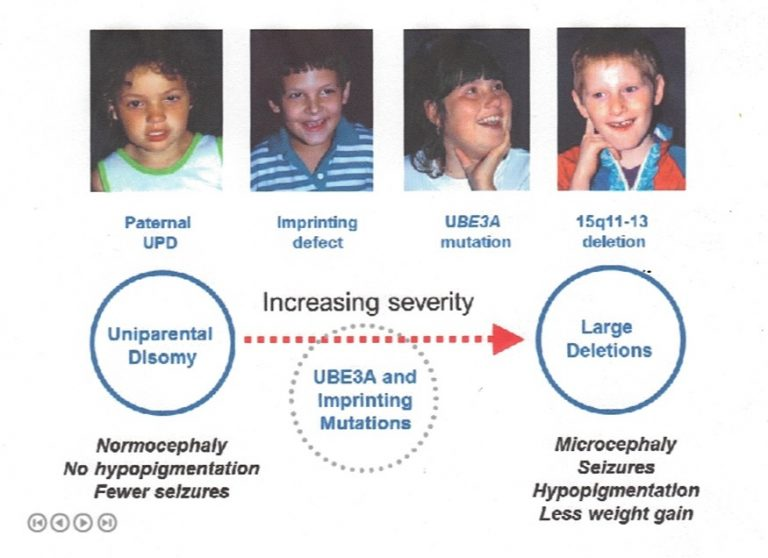
Angelman-like syndromes.
19955111
{19955111:FB2TX94T}
1
vancouver
50
default
4410
https://neuropediatoolkit.org/wp-content/plugins/zotpress/
%7B%22status%22%3A%22success%22%2C%22updateneeded%22%3Afalse%2C%22instance%22%3Afalse%2C%22meta%22%3A%7B%22request_last%22%3A0%2C%22request_next%22%3A0%2C%22used_cache%22%3Atrue%7D%2C%22data%22%3A%5B%7B%22key%22%3A%22FB2TX94T%22%2C%22library%22%3A%7B%22id%22%3A19955111%7D%2C%22meta%22%3A%7B%22creatorSummary%22%3A%22Tan%20et%20al.%22%2C%22parsedDate%22%3A%222014%22%2C%22numChildren%22%3A1%7D%2C%22bib%22%3A%22%26lt%3Bdiv%20class%3D%26quot%3Bcsl-bib-body%26quot%3B%20style%3D%26quot%3Bline-height%3A%201.35%3B%20%26quot%3B%26gt%3B%5Cn%20%20%26lt%3Bdiv%20class%3D%26quot%3Bcsl-entry%26quot%3B%20style%3D%26quot%3Bclear%3A%20left%3B%20%26quot%3B%26gt%3B%5Cn%20%20%20%20%26lt%3Bdiv%20class%3D%26quot%3Bcsl-left-margin%26quot%3B%20style%3D%26quot%3Bfloat%3A%20left%3B%20padding-right%3A%200.5em%3B%20text-align%3A%20right%3B%20width%3A%201em%3B%26quot%3B%26gt%3B1.%26lt%3B%5C%2Fdiv%26gt%3B%26lt%3Bdiv%20class%3D%26quot%3Bcsl-right-inline%26quot%3B%20style%3D%26quot%3Bmargin%3A%200%20.4em%200%201.5em%3B%26quot%3B%26gt%3BTan%20WH%2C%20Bird%20LM%2C%20Thibert%20RL%2C%20Williams%20CA.%20If%20not%20Angelman%2C%20what%20is%20it%3F%20a%20review%20of%20Angelman-like%20syndromes.%20American%20Journal%20of%20Medical%20Genetics%20Part%20A%20%5BInternet%5D.%202014%20%5Bcited%202015%20May%2029%5D%3B164%284%29%3A975%26%23x2013%3B92.%20Available%20from%3A%20%26lt%3Ba%20class%3D%26%23039%3Bzp-ItemURL%26%23039%3B%20href%3D%26%23039%3Bhttp%3A%5C%2F%5C%2Fdoi.wiley.com%5C%2F10.1002%5C%2Fajmg.a.36416%26%23039%3B%26gt%3Bhttp%3A%5C%2F%5C%2Fdoi.wiley.com%5C%2F10.1002%5C%2Fajmg.a.36416%26lt%3B%5C%2Fa%26gt%3B%26lt%3B%5C%2Fdiv%26gt%3B%5Cn%20%20%26lt%3B%5C%2Fdiv%26gt%3B%5Cn%26lt%3B%5C%2Fdiv%26gt%3B%22%2C%22data%22%3A%7B%22itemType%22%3A%22journalArticle%22%2C%22title%22%3A%22If%20not%20Angelman%2C%20what%20is%20it%3F%20a%20review%20of%20Angelman-like%20syndromes%22%2C%22creators%22%3A%5B%7B%22creatorType%22%3A%22author%22%2C%22firstName%22%3A%22Wen-Hann%22%2C%22lastName%22%3A%22Tan%22%7D%2C%7B%22creatorType%22%3A%22author%22%2C%22firstName%22%3A%22Lynne%20M.%22%2C%22lastName%22%3A%22Bird%22%7D%2C%7B%22creatorType%22%3A%22author%22%2C%22firstName%22%3A%22Ronald%20L.%22%2C%22lastName%22%3A%22Thibert%22%7D%2C%7B%22creatorType%22%3A%22author%22%2C%22firstName%22%3A%22Charles%20A.%22%2C%22lastName%22%3A%22Williams%22%7D%5D%2C%22abstractNote%22%3A%22Angelman%20syndrome%20%28AS%29%20is%20caused%20by%20a%20lack%20of%20expression%20of%20the%20maternally%20inherited%20UBE3A%20gene%20in%20the%20brain.%20However%2C%20about%2010%25%20of%20individuals%20with%20a%20clinical%20diagnosis%20of%20AS%20do%20not%20have%20an%20identifiable%20molecular%20defect.%20It%20is%20likely%20that%20most%20of%20those%20individuals%20have%20an%20AS-like%20syndrome%20that%20is%20clinically%20and%20molecularly%20distinct%20from%20AS.%20These%20AS-like%20syndromes%20can%20be%20broadly%20classified%20into%20chromosomal%20microdeletion%20and%20microduplication%20syndromes%2C%20and%20single-gene%20disorders.%20The%20microdeletion%5C%2Fmicroduplication%20syndromes%20are%20now%20easily%20identified%20by%20chromosomal%20microarray%20analysis%20and%20include%20Phelan%5Cu2013McDermid%20syndrome%20%28chromosome%2022q13.3%20deletion%29%2C%20MBD5%20haploinsufficiency%20syndrome%20%28chromosome%202q23.1%20deletion%29%2C%20and%20KANSL1%20haploinsufficiency%20syndrome%20%28chromosome%2017q21.31%20deletion%29.%20The%20single-gene%20disorders%20include%20Pitt%5Cu2013Hopkins%20syndrome%20%28TCF4%29%2C%20Christianson%20syndrome%20%28SLC9A6%29%2C%20Mowat%5Cu2013Wilson%20syndrome%20%28ZEB2%29%2C%20Kleefstra%20syndrome%20%28EHMT1%29%2C%20and%20Rett%20%28MECP2%29%20syndrome.%20They%20also%20include%20disorders%20due%20to%20mutations%20in%20HERC2%2C%20adenylosuccinase%20lyase%20%28ADSL%29%2C%20CDKL5%2C%20FOXG1%2C%20MECP2%20%28duplications%29%2C%20MEF2C%2C%20and%20ATRX.%20Although%20many%20of%20these%20single-gene%20disorders%20can%20be%20caused%20by%20chromosomal%20microdeletions%20resulting%20in%20haploinsufficiency%20of%20the%20critical%20gene%2C%20the%20individual%20disorders%20are%20often%20caused%20by%20intragenic%20mutations%20that%20cannot%20be%20detected%20by%20chromosomal%20microarray%20analysis.%20We%20provide%20an%20overview%20of%20the%20clinical%20features%20of%20these%20syndromes%2C%20comparing%20and%20contrasting%20them%20with%20AS%2C%20in%20the%20hope%20that%20it%20will%20help%20guide%20clinicians%20in%20the%20diagnostic%20work-up%20of%20individuals%20with%20AS-like%20syndromes.%22%2C%22date%22%3A%2204%5C%2F2014%22%2C%22section%22%3A%22%22%2C%22partNumber%22%3A%22%22%2C%22partTitle%22%3A%22%22%2C%22DOI%22%3A%2210.1002%5C%2Fajmg.a.36416%22%2C%22citationKey%22%3A%22%22%2C%22url%22%3A%22http%3A%5C%2F%5C%2Fdoi.wiley.com%5C%2F10.1002%5C%2Fajmg.a.36416%22%2C%22PMID%22%3A%22%22%2C%22PMCID%22%3A%22%22%2C%22ISSN%22%3A%2215524825%22%2C%22language%22%3A%22en%22%2C%22collections%22%3A%5B%229FAAW8N4%22%2C%22DIEGGHX5%22%2C%22FL7CJHCE%22%2C%22VHQSI69M%22%5D%2C%22dateModified%22%3A%222026-10-29T19%3A21%3A39Z%22%7D%7D%5D%7D
1.
Tan WH, Bird LM, Thibert RL, Williams CA. If not Angelman, what is it? a review of Angelman-like syndromes. American Journal of Medical Genetics Part A [Internet]. 2014 [cited 2015 May 29];164(4):975–92. Available from: http://doi.wiley.com/10.1002/ajmg.a.36416
Pitt-Hopkins Syndrome
22q13 Deletion Syndrome
Christianson syndrome
Mowat-Wilson Syndrome
Kleefstra Syndrome
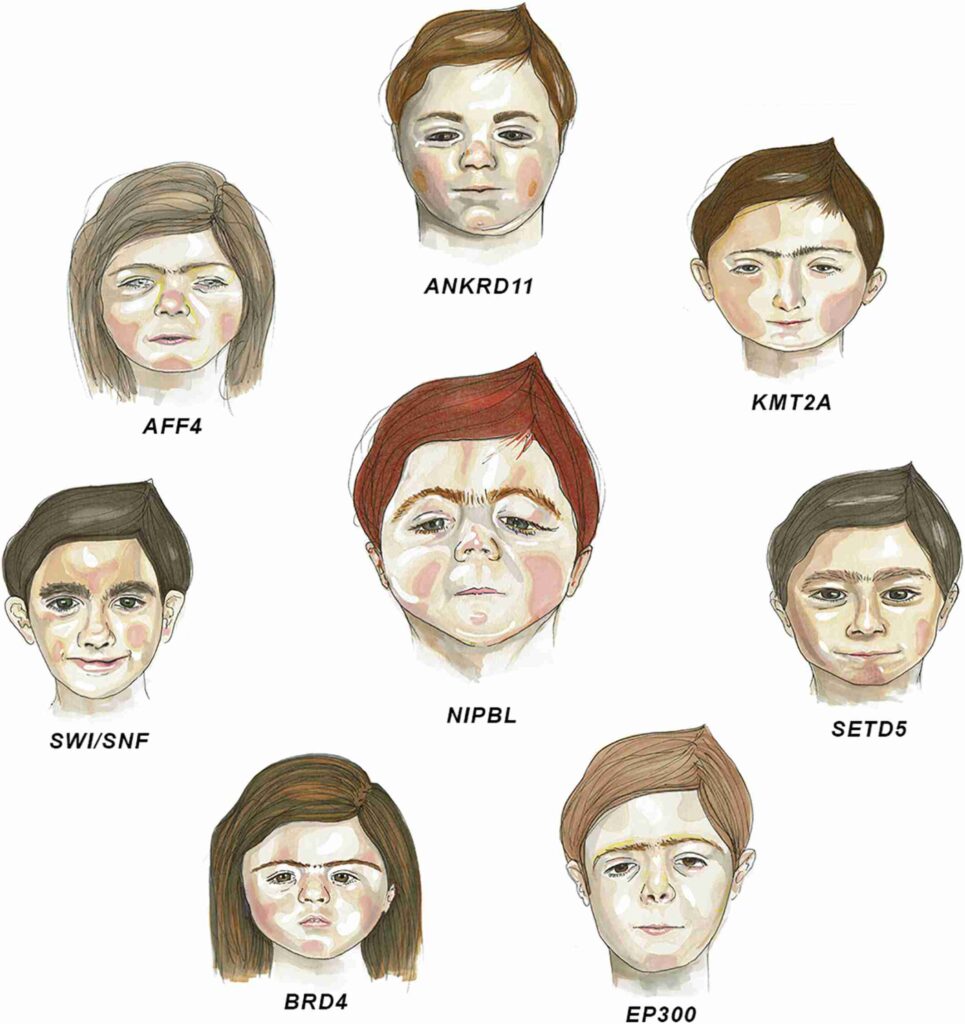
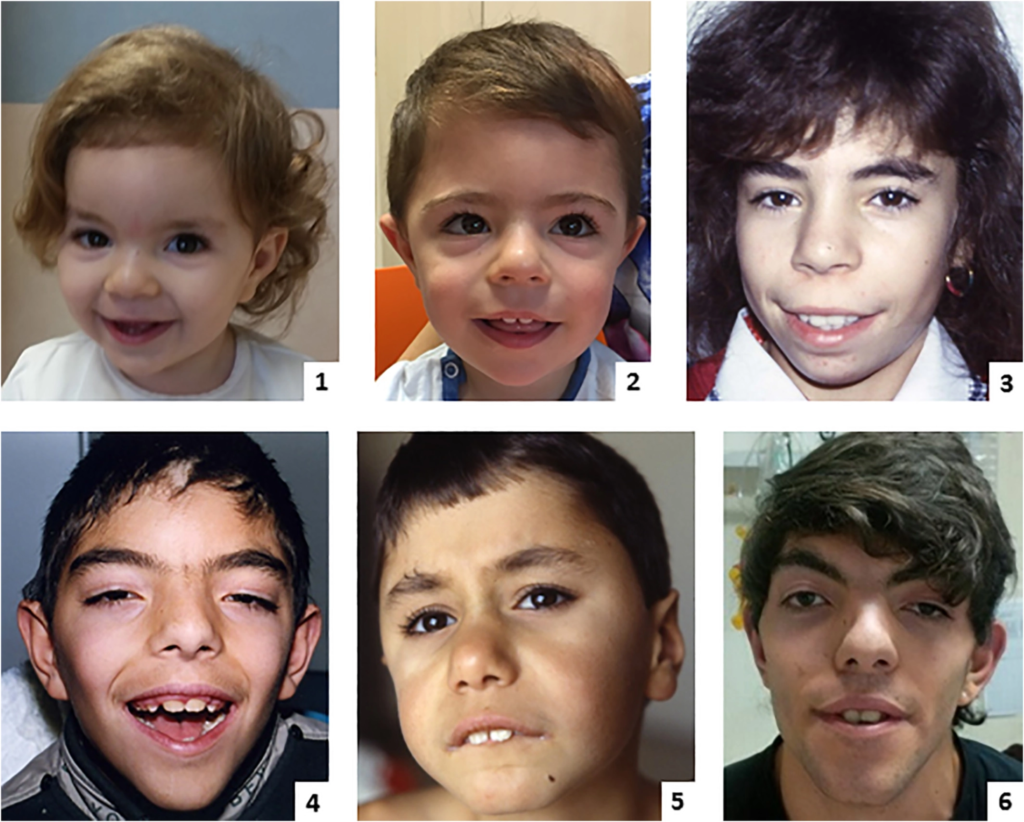
Cornelia de Lange – Eyebrows.
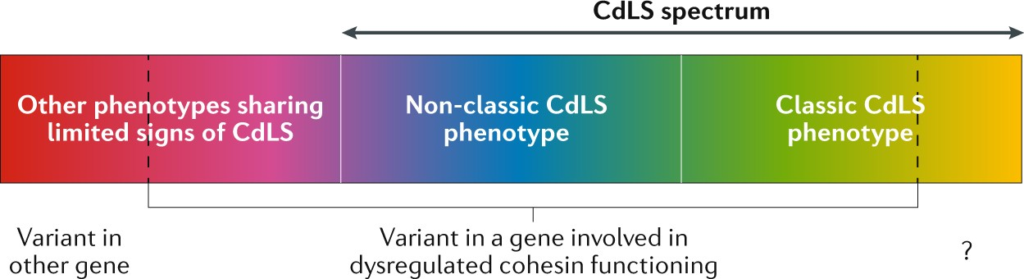
Spectrum of Cohesinopathies and CdL-like.
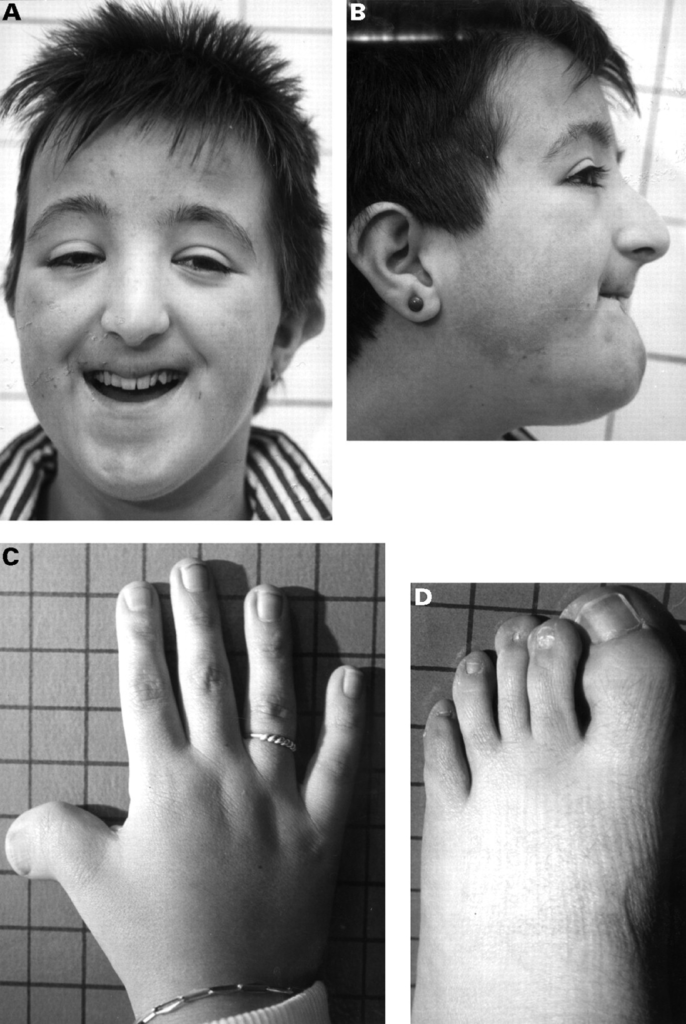
BROAD THUMB-HALLUX SYNDROME – Thumb.
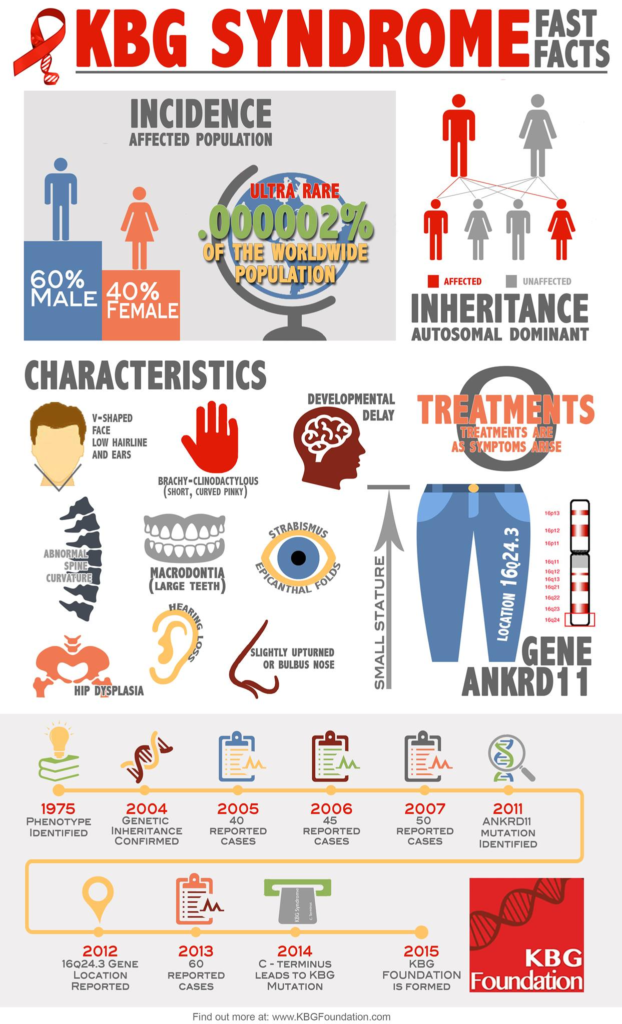
KBG syndrome – Macrodontia.
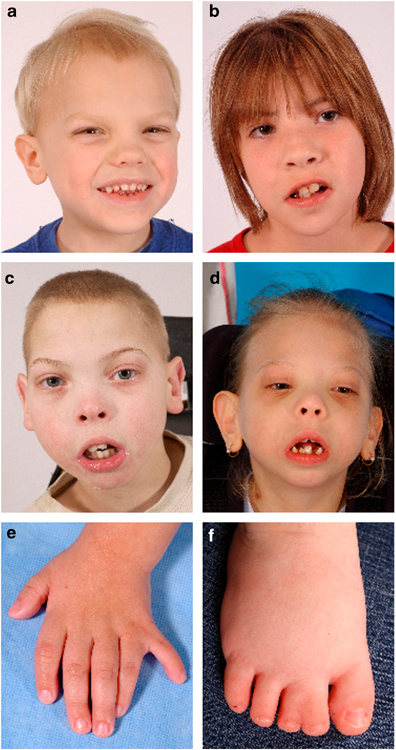
Smith-Lemni-Opitz syndrome – Syndactyly of the 2-3 finger.
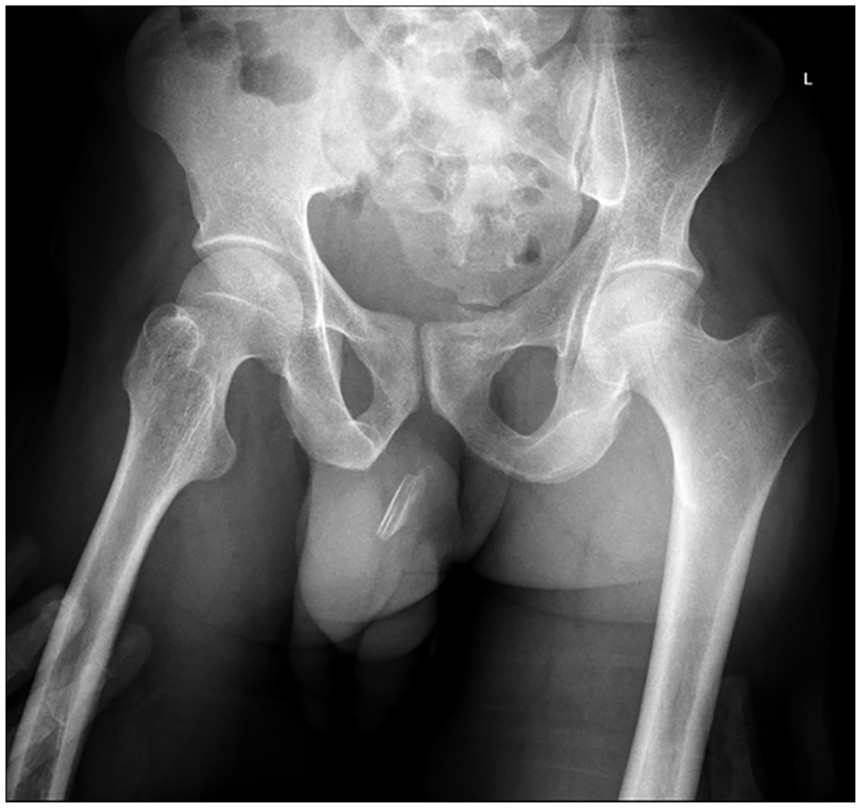
17p deletion syndrome – Polyembolokoilomania.
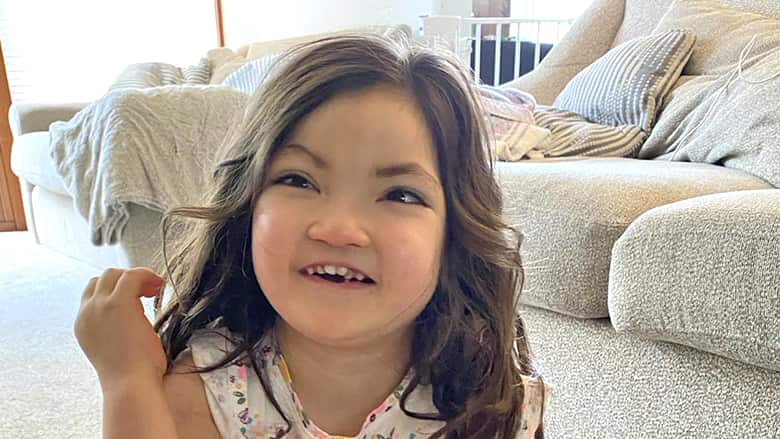
KABUK1 – Eyelid clefts.
Other syndromes affecting histones.
Wiedemann-Steiner syndrome.