
INTRODUCTION TO
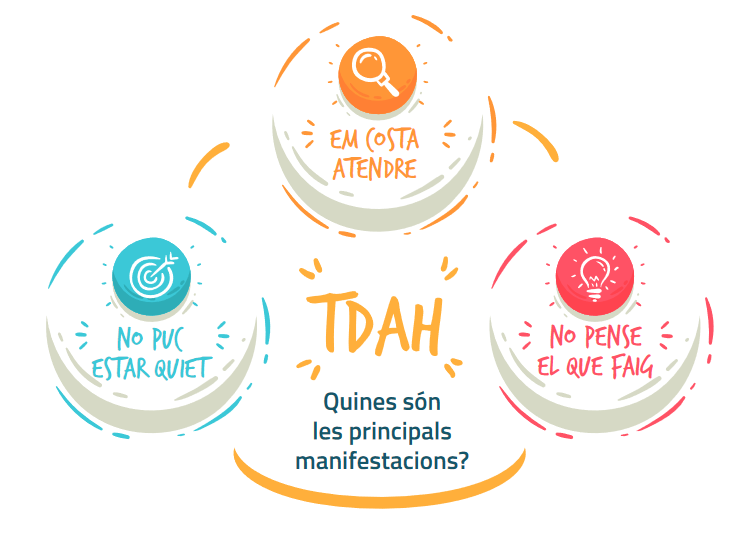
Attention Deficit Hyperactivity Disorder (ADHD) is a chronic neurological condition characterized by difficulties in regulating attention and motor control. It affects approximately 5% of children and adolescents and persists in 30% of cases in adulthood.
Pathophysiological Understanding of ADHD
Pathophysiologically, ADHD involves alterations in the neurotransmitter system, especially dopamine, norepinephrine, and glutamate. These imbalances can cause difficulties in attention regulation and motor control.
Type of Non-Pharmacological Treatment
Non-pharmacological treatment focuses on modifying environmental, behavioral and cognitive factors to improve ADHD symptoms. This approach may include modifications in the educational environment, behavioral therapies, and psychotherapy.
Educational Guides for ADHD
Educational Transition Processes for Students with ADHD
The guide to educational transition processes provides guidance on how to prepare and facilitate the school transition for students with ADHD. The guide covers aspects such as functional evaluation, transition plan, communication between professionals and families, and strategies to maintain continuity of learning.
Educational Community Guide for ADHD
The educational community guide offers instructions on how to implement behavioral and cognitive measures to improve the academic and social performance of students with ADHD. The guide includes strategies to promote self-care, emotional management, and the development of social skills.
Practical Examples
A typical case would be a 10-year-old child with ADHD who has difficulty concentrating in class and exhibits hyperactive behavior. School transition may require preparation of a transition plan that includes personalized goals, adjustments to the school schedule, and implementation of emotional regulation techniques.
Conclusions and Additional Resources
Non-pharmacological treatment of ADHD is crucial to improve the quality of life of patients. Educational guides provide valuable tools for healthcare professionals and educators. It is essential to follow the recommendations detailed in these guides to ensure effective support for students with ADHD.