
Ataxie cérébelleuse précoce (EOAc)
L’EOAc touche les enfants et les jeunes jusqu’à 25 ans. Elle est hétérogène : elle peut être héréditaire, métabolique, auto-immune ou d’origine inconnue.
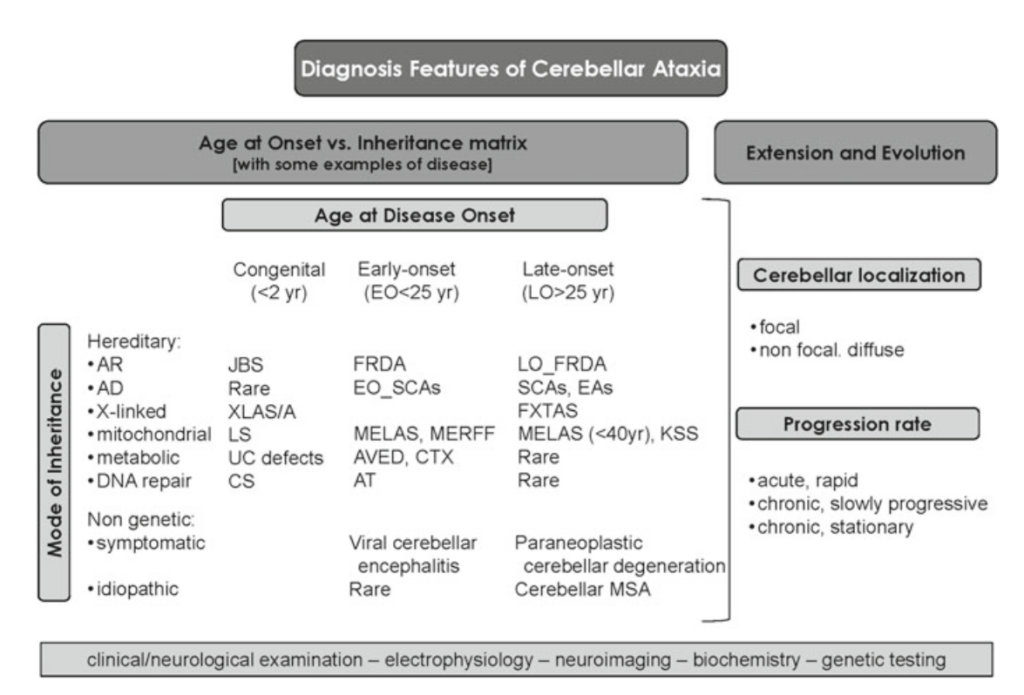
Classification par âge d'apparition (clé de diagnostic)
Selon l’approche startup, trois catégories sont identifiées :
- Congénital: avant l'âge de 2 ans (par exemple malformations, troubles du développement).
- Tôt: entre 2 et 25 ans (y compris l'EOAc).
- En retard: après 25 ans.
Algorithme de diagnostic (CACG-EPNS)
- Étape 1 : Confirmer l'EOAc par des signes : ataxie de la marche, incoordination, hypotonie.
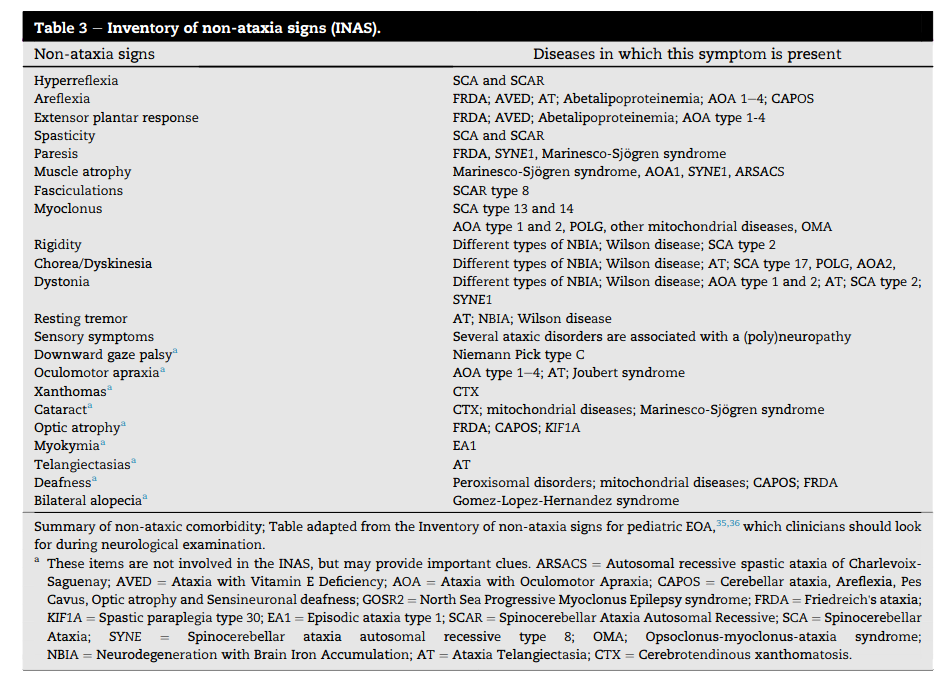
- Étape 2 : Appliquer Inventaire des signes non ataxiques (INAS) pour identifier les signes non ataxiques (par exemple spasticité, myoclonies, signes systémiques).
- Étape 3 : Évaluer les antécédents familiaux : transmission autosomique récessive, dominante ou sporadique.
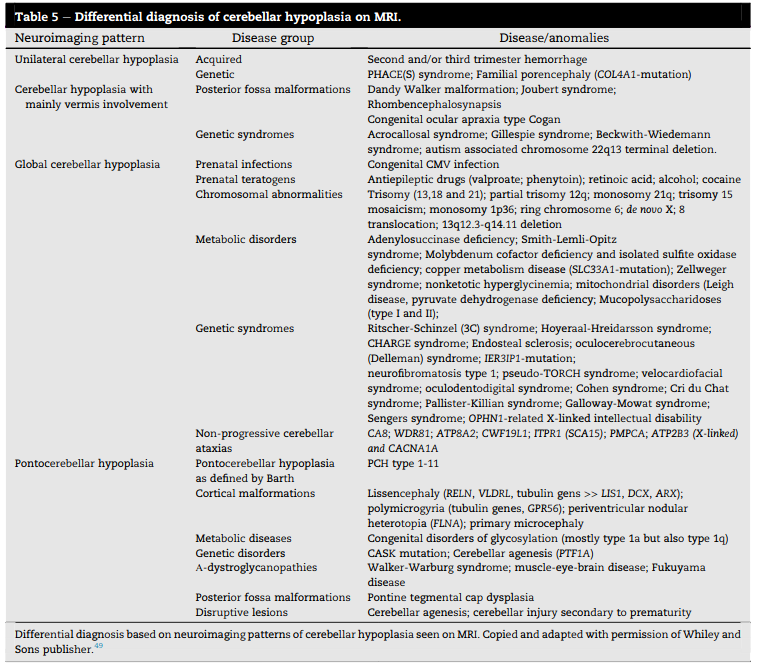
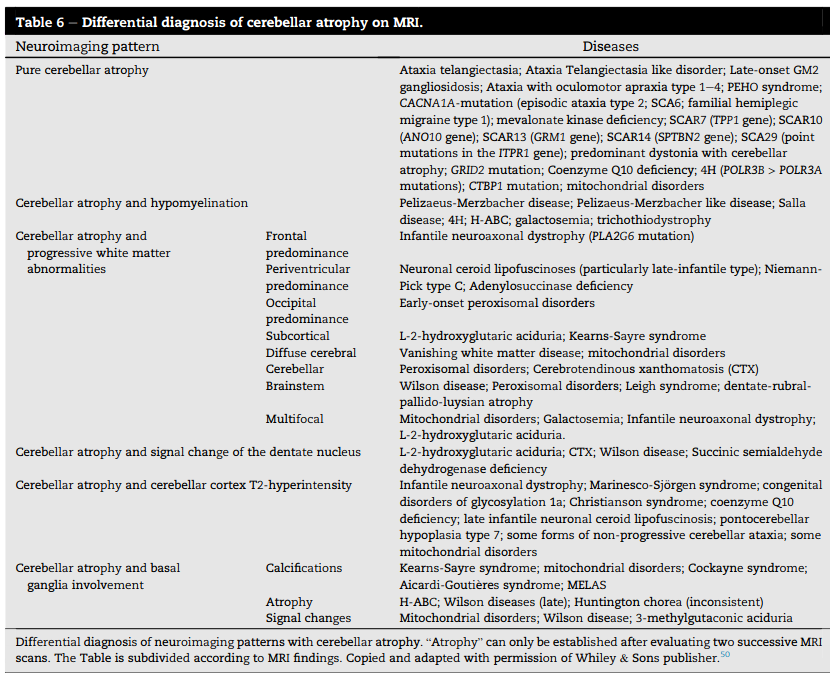
- Étape 4 : IRM cérébrale : recherchez une atrophie cérébelleuse, des anomalies structurelles (ex. petit cervelet, kystes).
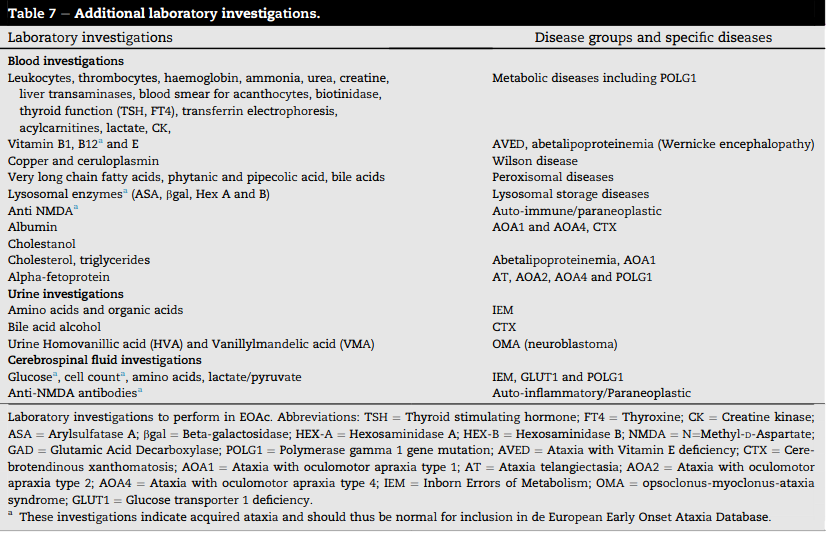
- Étape 5 : Laboratoires : vitamines (B1, B12, E), thyroïde, autoanticorps, métabolites (lactate, acides aminés).
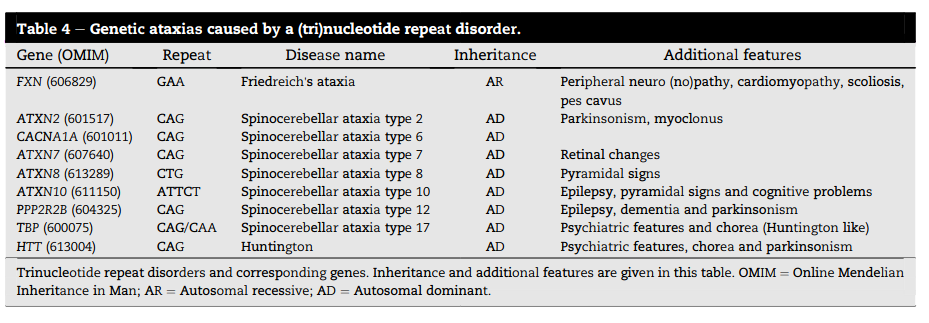
- Étape 6 : Tests génétiques : tableau CGH o NGS (séquençage à haut débit) pour des gènes comme ATXN1, ATXN2, ATXN3, TUBB2B, RAB7L1.
- Étape 7 : Intégrez les résultats cliniques, l’imagerie et la génétique pour le diagnostic final.

Plus de détails (facultatif)
• Dans les ataxies précoces, le mode de transmission est déterminant : autosomique récessif (plus fréquent dans les AcEO), dominant ou lié à l'X.
• L'IRM peut montrer une atrophie cérébelleuse (en particulier dans le vermis) ou des anomalies structurelles (par exemple un kyste du vermis).
• Les tests génétiques avec NGS ont une sensibilité élevée ; Un panel spécifique d'ataxie est recommandé.
Clés pour la Pratique Clinique
- Il début avant 2 ans suggère des causes congénitales ou génétiques.
- Le hypotonie dans l’EOAc suggère un trouble neurodégénératif.
- Il INAS améliore la précision du diagnostic en identifiant les signes non ataxiques.
- Il utilisation systématique de l'algorithme réduit les erreurs et optimise le processus de diagnostic.
Références : Brandsma et al. (2019), Palau et al. (2019)

19955111
{19955111:EVRTGK2A}
1
Vancouver
50
défaut
7757
https://neuropediatoolkit.org/wp-content/plugins/zotpress/
%7B%22status%22%3A%22success%22%2C%22updateneeded%22%3Afalse%2C%22instance%22%3Afalse%2C%22meta%22%3A%7B%22request_last%22%3A0%2C%22request_next%22%3A0%2C%22used_cache%22%3Atrue%7D%2C%22data%22%3A%5B%7B%22key%22%3A%22EVRTGK2A%22%2C%22library%22%3A%7B%22id%22%3A19955111%7D%2C%22meta%22%3A%7B%22creatorSummary%22%3A%22Brandsma%20et%20al.%22%2C%22parsedDate%22%3A%222019-09-01%22%2C%22numChildren%22%3A1%7D%2C%22bib%22%3A%22%26lt%3Bdiv%20class%3D%26quot%3Bcsl-bib-body%26quot%3B%20style%3D%26quot%3Bline-height%3A%201.35%3B%20%26quot%3B%26gt%3B%5Cn%20%20%26lt%3Bdiv%20class%3D%26quot%3Bcsl-entry%26quot%3B%20style%3D%26quot%3Bclear%3A%20left%3B%20%26quot%3B%26gt%3B%5Cn%20%20%20%20%26lt%3Bdiv%20class%3D%26quot%3Bcsl-left-margin%26quot%3B%20style%3D%26quot%3Bfloat%3A%20left%3B%20padding-right%3A%200.5em%3B%20text-align%3A%20right%3B%20width%3A%201em%3B%26quot%3B%26gt%3B1.%26lt%3B%5C%2Fdiv%26gt%3B%26lt%3Bdiv%20class%3D%26quot%3Bcsl-right-inline%26quot%3B%20style%3D%26quot%3Bmargin%3A%200%20.4em%200%201.5em%3B%26quot%3B%26gt%3BBrandsma%20R%2C%20Verschuuren-Bemelmans%20CC%2C%20Amrom%20D%2C%20Barisic%20N%2C%20Baxter%20P%2C%20Bertini%20E%2C%20et%20al.%20A%20clinical%20diagnostic%20algorithm%20for%20early%20onset%20cerebellar%20ataxia.%20European%20Journal%20of%20Paediatric%20Neurology%20%5BInternet%5D.%202019%20Sept%201%20%5Bcited%202025%20Feb%2024%5D%3B23%285%29%3A692%26%23x2013%3B706.%20Available%20from%3A%20%26lt%3Ba%20class%3D%26%23039%3Bzp-ItemURL%26%23039%3B%20href%3D%26%23039%3Bhttps%3A%5C%2F%5C%2Fwww.sciencedirect.com%5C%2Fscience%5C%2Farticle%5C%2Fpii%5C%2FS1090379819300273%26%23039%3B%26gt%3Bhttps%3A%5C%2F%5C%2Fwww.sciencedirect.com%5C%2Fscience%5C%2Farticle%5C%2Fpii%5C%2FS1090379819300273%26lt%3B%5C%2Fa%26gt%3B%26lt%3B%5C%2Fdiv%26gt%3B%5Cn%20%20%26lt%3B%5C%2Fdiv%26gt%3B%5Cn%26lt%3B%5C%2Fdiv%26gt%3B%22%2C%22data%22%3A%7B%22itemType%22%3A%22journalArticle%22%2C%22title%22%3A%22A%20clinical%20diagnostic%20algorithm%20for%20early%20onset%20cerebellar%20ataxia%22%2C%22creators%22%3A%5B%7B%22creatorType%22%3A%22author%22%2C%22firstName%22%3A%22R.%22%2C%22lastName%22%3A%22Brandsma%22%7D%2C%7B%22creatorType%22%3A%22author%22%2C%22firstName%22%3A%22C.%20C.%22%2C%22lastName%22%3A%22Verschuuren-Bemelmans%22%7D%2C%7B%22creatorType%22%3A%22author%22%2C%22firstName%22%3A%22D.%22%2C%22lastName%22%3A%22Amrom%22%7D%2C%7B%22creatorType%22%3A%22author%22%2C%22firstName%22%3A%22N.%22%2C%22lastName%22%3A%22Barisic%22%7D%2C%7B%22creatorType%22%3A%22author%22%2C%22firstName%22%3A%22P.%22%2C%22lastName%22%3A%22Baxter%22%7D%2C%7B%22creatorType%22%3A%22author%22%2C%22firstName%22%3A%22E.%22%2C%22lastName%22%3A%22Bertini%22%7D%2C%7B%22creatorType%22%3A%22author%22%2C%22firstName%22%3A%22L.%22%2C%22lastName%22%3A%22Blumkin%22%7D%2C%7B%22creatorType%22%3A%22author%22%2C%22firstName%22%3A%22V.%22%2C%22lastName%22%3A%22Brankovic-Sreckovic%22%7D%2C%7B%22creatorType%22%3A%22author%22%2C%22firstName%22%3A%22O.%20F.%22%2C%22lastName%22%3A%22Brouwer%22%7D%2C%7B%22creatorType%22%3A%22author%22%2C%22firstName%22%3A%22K.%22%2C%22lastName%22%3A%22B%5Cu00fcrk%22%7D%2C%7B%22creatorType%22%3A%22author%22%2C%22firstName%22%3A%22C.%20E.%22%2C%22lastName%22%3A%22Catsman-Berrevoets%22%7D%2C%7B%22creatorType%22%3A%22author%22%2C%22firstName%22%3A%22D.%22%2C%22lastName%22%3A%22Craiu%22%7D%2C%7B%22creatorType%22%3A%22author%22%2C%22firstName%22%3A%22I.%20F.%20M.%22%2C%22lastName%22%3A%22de%20Coo%22%7D%2C%7B%22creatorType%22%3A%22author%22%2C%22firstName%22%3A%22J.%22%2C%22lastName%22%3A%22Gburek%22%7D%2C%7B%22creatorType%22%3A%22author%22%2C%22firstName%22%3A%22C.%22%2C%22lastName%22%3A%22Kennedy%22%7D%2C%7B%22creatorType%22%3A%22author%22%2C%22firstName%22%3A%22T.%20J.%22%2C%22lastName%22%3A%22de%20Koning%22%7D%2C%7B%22creatorType%22%3A%22author%22%2C%22firstName%22%3A%22H.%20P.%20H.%22%2C%22lastName%22%3A%22Kremer%22%7D%2C%7B%22creatorType%22%3A%22author%22%2C%22firstName%22%3A%22R.%22%2C%22lastName%22%3A%22Kumar%22%7D%2C%7B%22creatorType%22%3A%22author%22%2C%22firstName%22%3A%22A.%22%2C%22lastName%22%3A%22Macaya%22%7D%2C%7B%22creatorType%22%3A%22author%22%2C%22firstName%22%3A%22A.%22%2C%22lastName%22%3A%22Micalizzi%22%7D%2C%7B%22creatorType%22%3A%22author%22%2C%22firstName%22%3A%22M.%22%2C%22lastName%22%3A%22Mirabelli-Badenier%22%7D%2C%7B%22creatorType%22%3A%22author%22%2C%22firstName%22%3A%22A.%22%2C%22lastName%22%3A%22Nemeth%22%7D%2C%7B%22creatorType%22%3A%22author%22%2C%22firstName%22%3A%22S.%22%2C%22lastName%22%3A%22Nuovo%22%7D%2C%7B%22creatorType%22%3A%22author%22%2C%22firstName%22%3A%22B.%22%2C%22lastName%22%3A%22Poll-The%22%7D%2C%7B%22creatorType%22%3A%22author%22%2C%22firstName%22%3A%22T.%22%2C%22lastName%22%3A%22Lerman-Sagie%22%7D%2C%7B%22creatorType%22%3A%22author%22%2C%22firstName%22%3A%22M.%22%2C%22lastName%22%3A%22Steinlin%22%7D%2C%7B%22creatorType%22%3A%22author%22%2C%22firstName%22%3A%22M.%22%2C%22lastName%22%3A%22Synofzik%22%7D%2C%7B%22creatorType%22%3A%22author%22%2C%22firstName%22%3A%22M.%20A.%20J.%22%2C%22lastName%22%3A%22Tijssen%22%7D%2C%7B%22creatorType%22%3A%22author%22%2C%22firstName%22%3A%22G.%22%2C%22lastName%22%3A%22Vasco%22%7D%2C%7B%22creatorType%22%3A%22author%22%2C%22firstName%22%3A%22M.%20A.%20A.%20P.%22%2C%22lastName%22%3A%22Willemsen%22%7D%2C%7B%22creatorType%22%3A%22author%22%2C%22firstName%22%3A%22G.%22%2C%22lastName%22%3A%22Zanni%22%7D%2C%7B%22creatorType%22%3A%22author%22%2C%22firstName%22%3A%22E.%20M.%22%2C%22lastName%22%3A%22Valente%22%7D%2C%7B%22creatorType%22%3A%22author%22%2C%22firstName%22%3A%22E.%22%2C%22lastName%22%3A%22Boltshauser%22%7D%2C%7B%22creatorType%22%3A%22author%22%2C%22firstName%22%3A%22D.%20A.%22%2C%22lastName%22%3A%22Sival%22%7D%5D%2C%22abstractNote%22%3A%22Early%20onset%20cerebellar%20Ataxia%20%28EOAc%29%20comprises%20a%20large%20group%20of%20rare%20heterogeneous%20disorders.%20Determination%20of%20the%20underlying%20etiology%20can%20be%20difficult%20given%20the%20broad%20differential%20diagnosis%20and%20the%20complexity%20of%20the%20genotype%5Cu2013phenotype%20relationships.%20This%20may%20change%20the%20diagnostic%20work-up%20into%20a%20time-consuming%2C%20costly%20and%20not%20always%20rewarding%20task.%20In%20this%20overview%2C%20the%20Childhood%20Ataxia%20and%20Cerebellar%20Group%20of%20the%20European%20Pediatric%20Neurology%20Society%20%28CACG-EPNS%29%20presents%20a%20diagnostic%20algorithm%20for%20EOAc%20patients.%20In%20seven%20consecutive%20steps%2C%20the%20algorithm%20leads%20the%20clinician%20through%20the%20diagnostic%20process%2C%20including%20EOA%20identification%2C%20application%20of%20the%20Inventory%20of%20Non-Ataxic%20Signs%20%28INAS%29%2C%20consideration%20of%20the%20family%20history%2C%20neuro-imaging%2C%20laboratory%20investigations%2C%20genetic%20testing%20by%20array%20CGH%20and%20Next%20Generation%20Sequencing%20%28NGS%29.%20In%20children%20with%20EOAc%2C%20this%20algorithm%20is%20intended%20to%20contribute%20to%20the%20diagnostic%20process%20and%20to%20allow%20uniform%20data%20entry%20in%20EOAc%20databases.%22%2C%22date%22%3A%222019-09-01%22%2C%22section%22%3A%22%22%2C%22partNumber%22%3A%22%22%2C%22partTitle%22%3A%22%22%2C%22DOI%22%3A%2210.1016%5C%2Fj.ejpn.2019.08.004%22%2C%22citationKey%22%3A%22%22%2C%22url%22%3A%22https%3A%5C%2F%5C%2Fwww.sciencedirect.com%5C%2Fscience%5C%2Farticle%5C%2Fpii%5C%2FS1090379819300273%22%2C%22PMID%22%3A%22%22%2C%22PMCID%22%3A%22%22%2C%22ISSN%22%3A%221090-3798%22%2C%22language%22%3A%22en%22%2C%22collections%22%3A%5B%22RHJ4SR7B%22%5D%2C%22dateModified%22%3A%222026-07-15T22%3A41%3A27Z%22%7D%7D%5D%7D
1.
Brandsma R, Verschuuren-Bemelmans CC, Amrom D, Barisic N, Baxter P, Bertini E et al. Un algorithme de diagnostic clinique pour l'ataxie cérébelleuse d'apparition précoce. Journal européen de neurologie pédiatrique [Internet]. 1er septembre 2019 [cité le 24 février 2025];23(5):692-706. Disponible à partir de : https://www.sciencedirect.com/science/article/pii/S1090379819300273