
要解释运动障碍的症状学,有必要了解 电机系统控制的层次结构。
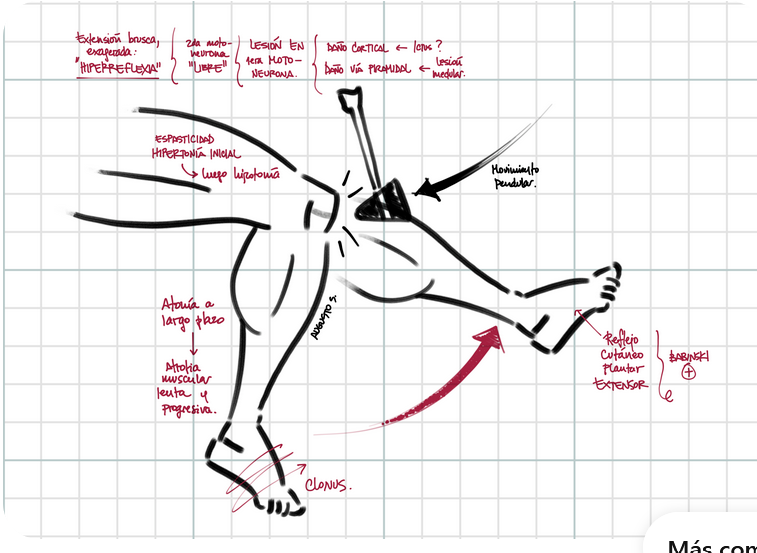
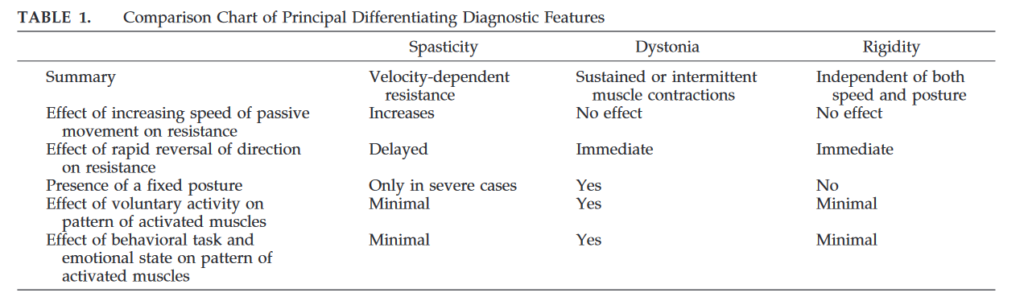
张力亢进.
- 刚性
- 肌张力障碍。
- 痉挛。
19955111
{19955111:EGBWNQFK}
1
温哥华
50
默认
4970
https://neuropediatoolkit.org/wp-content/plugins/zotpress/
%7B%22status%22%3A%22success%22%2C%22updateneeded%22%3Afalse%2C%22instance%22%3Afalse%2C%22meta%22%3A%7B%22request_last%22%3A0%2C%22request_next%22%3A0%2C%22used_cache%22%3Atrue%7D%2C%22data%22%3A%5B%7B%22key%22%3A%22EGBWNQFK%22%2C%22library%22%3A%7B%22id%22%3A19955111%7D%2C%22meta%22%3A%7B%22creatorSummary%22%3A%22Sanger%20et%20al.%22%2C%22parsedDate%22%3A%222003-01-01%22%2C%22numChildren%22%3A1%7D%2C%22bib%22%3A%22%26lt%3Bdiv%20class%3D%26quot%3Bcsl-bib-body%26quot%3B%20style%3D%26quot%3Bline-height%3A%201.35%3B%20%26quot%3B%26gt%3B%5Cn%20%20%26lt%3Bdiv%20class%3D%26quot%3Bcsl-entry%26quot%3B%20style%3D%26quot%3Bclear%3A%20left%3B%20%26quot%3B%26gt%3B%5Cn%20%20%20%20%26lt%3Bdiv%20class%3D%26quot%3Bcsl-left-margin%26quot%3B%20style%3D%26quot%3Bfloat%3A%20left%3B%20padding-right%3A%200.5em%3B%20text-align%3A%20right%3B%20width%3A%201em%3B%26quot%3B%26gt%3B1.%26lt%3B%5C%2Fdiv%26gt%3B%26lt%3Bdiv%20class%3D%26quot%3Bcsl-right-inline%26quot%3B%20style%3D%26quot%3Bmargin%3A%200%20.4em%200%201.5em%3B%26quot%3B%26gt%3BSanger%20TD%2C%20Delgado%20MR%2C%20Gaebler-Spira%20D%2C%20Hallett%20M%2C%20Mink%20JW.%20Classification%20and%20Definition%20of%20Disorders%20Causing%20Hypertonia%20in%20Childhood.%20PEDIATRICS%20%5BInternet%5D.%202003%20Jan%201%20%5Bcited%202016%20Jan%2021%5D%3B111%281%29%3Ae89%26%23x2013%3B97.%20Available%20from%3A%20%26lt%3Ba%20class%3D%26%23039%3Bzp-ItemURL%26%23039%3B%20href%3D%26%23039%3Bhttp%3A%5C%2F%5C%2Fpediatrics.aappublications.org%5C%2Fcgi%5C%2Fdoi%5C%2F10.1542%5C%2Fpeds.111.1.e89%26%23039%3B%26gt%3Bhttp%3A%5C%2F%5C%2Fpediatrics.aappublications.org%5C%2Fcgi%5C%2Fdoi%5C%2F10.1542%5C%2Fpeds.111.1.e89%26lt%3B%5C%2Fa%26gt%3B%26lt%3B%5C%2Fdiv%26gt%3B%5Cn%20%20%26lt%3B%5C%2Fdiv%26gt%3B%5Cn%26lt%3B%5C%2Fdiv%26gt%3B%22%2C%22data%22%3A%7B%22itemType%22%3A%22journalArticle%22%2C%22title%22%3A%22Classification%20and%20Definition%20of%20Disorders%20Causing%20Hypertonia%20in%20Childhood%22%2C%22creators%22%3A%5B%7B%22creatorType%22%3A%22author%22%2C%22firstName%22%3A%22T.%20D.%22%2C%22lastName%22%3A%22Sanger%22%7D%2C%7B%22creatorType%22%3A%22author%22%2C%22firstName%22%3A%22M.%20R.%22%2C%22lastName%22%3A%22Delgado%22%7D%2C%7B%22creatorType%22%3A%22author%22%2C%22firstName%22%3A%22D.%22%2C%22lastName%22%3A%22Gaebler-Spira%22%7D%2C%7B%22creatorType%22%3A%22author%22%2C%22firstName%22%3A%22M.%22%2C%22lastName%22%3A%22Hallett%22%7D%2C%7B%22creatorType%22%3A%22author%22%2C%22firstName%22%3A%22J.%20W.%22%2C%22lastName%22%3A%22Mink%22%7D%5D%2C%22abstractNote%22%3A%22OBJECTIVE%3A%20This%20report%20describes%20the%20consensus%20outcome%20of%20an%20interdisciplinary%20workshop%20that%20was%20held%20at%20the%20National%20Institutes%20of%20Health%20in%20April%202001.%20The%20purpose%20of%20the%20workshop%20and%20this%20article%20are%20to%20define%20the%20terms%20%26quot%3Bspasticity%2C%26quot%3B%20%26quot%3Bdystonia%2C%26quot%3B%20and%20%26quot%3Brigidity%26quot%3B%20as%20they%20are%20used%20to%20describe%20clinical%20features%20of%20hypertonia%20in%20children.%20The%20definitions%20presented%20here%20are%20designed%20to%20allow%20differentiation%20of%20clinical%20features%20even%20when%20more%20than%201%20is%20present%20simultaneously.%20METHODS%3A%20A%20consensus%20agreement%20was%20obtained%20on%20the%20best%20current%20definitions%20and%20their%20application%20in%20clinical%20situations.%20RESULTS%3A%20%26quot%3BSpasticity%26quot%3B%20is%20defined%20as%20hypertonia%20in%20which%201%20or%20both%20of%20the%20following%20signs%20are%20present%3A%201%29%20resistance%20to%20externally%20imposed%20movement%20increases%20with%20increasing%20speed%20of%20stretch%20and%20varies%20with%20the%20direction%20of%20joint%20movement%2C%20and%5C%2For%202%29%20resistance%20to%20externally%20imposed%20movement%20rises%20rapidly%20above%20a%20threshold%20speed%20or%20joint%20angle.%20%26quot%3BDystonia%26quot%3B%20is%20defined%20as%20a%20movement%20disorder%20in%20which%20involuntary%20sustained%20or%20intermittent%20muscle%20contractions%20cause%20twisting%20and%20repetitive%20movements%2C%20abnormal%20postures%2C%20or%20both.%20%26quot%3BRigidity%26quot%3B%20is%20defined%20as%20hypertonia%20in%20which%20all%20of%20the%20following%20are%20true%3A%201%29%20the%20resistance%20to%20externally%20imposed%20joint%20movement%20is%20present%20at%20very%20low%20speeds%20of%20movement%2C%20does%20not%20depend%20on%20imposed%20speed%2C%20and%20does%20not%20exhibit%20a%20speed%20or%20angle%20threshold%3B%202%29%20simultaneous%20co-contraction%20of%20agonists%20and%20antagonists%20may%20occur%2C%20and%20this%20is%20reflected%20in%20an%20immediate%20resistance%20to%20a%20reversal%20of%20the%20direction%20of%20movement%20about%20a%20joint%3B%203%29%20the%20limb%20does%20not%20tend%20to%20return%20toward%20a%20particular%20fixed%20posture%20or%20extreme%20joint%20angle%3B%20and%204%29%20voluntary%20activity%20in%20distant%20muscle%20groups%20does%20not%20lead%20to%20involuntary%20movements%20about%20the%20rigid%20joints%2C%20although%20rigidity%20may%20worsen.%20CONCLUSION%3A%20We%20have%20provided%20a%20set%20of%20definitions%20for%20the%20purpose%20of%20identifying%20different%20components%20of%20childhood%20hypertonia.%20We%20encourage%20the%20development%20of%20clinical%20rating%20scales%20that%20are%20based%20on%20these%20definitions%2C%20and%20we%20encourage%20research%20to%20relate%20the%20degree%20of%20hypertonia%20to%20the%20degree%20of%20functional%20ability%2C%20change%20over%20time%2C%20and%20societal%20participation%20in%20children%20with%20motor%20disorders.%22%2C%22date%22%3A%222003-01-01%22%2C%22section%22%3A%22%22%2C%22partNumber%22%3A%22%22%2C%22partTitle%22%3A%22%22%2C%22DOI%22%3A%2210.1542%5C%2Fpeds.111.1.e89%22%2C%22citationKey%22%3A%22%22%2C%22url%22%3A%22http%3A%5C%2F%5C%2Fpediatrics.aappublications.org%5C%2Fcgi%5C%2Fdoi%5C%2F10.1542%5C%2Fpeds.111.1.e89%22%2C%22PMID%22%3A%22%22%2C%22PMCID%22%3A%22%22%2C%22ISSN%22%3A%220031-4005%2C%201098-4275%22%2C%22language%22%3A%22en%22%2C%22collections%22%3A%5B%227L3LPGBN%22%2C%228FUWZNIP%22%2C%22KZ25FYRR%22%5D%2C%22dateModified%22%3A%222026-07-15T22%3A38%3A53Z%22%7D%7D%5D%7D
1.
桑格 TD,德尔加多 MR,盖布勒-斯皮拉 D,哈雷特 M,明克 JW。导致儿童期肌张力增高的疾病的分类和定义。儿科[互联网]。 2003 年 1 月 1 日[引用于 2016 年 1 月 21 日];111(1):e89–97。可从: http://pediatrics.aappublications.org/cgi/doi/10.1542/peds.111.1.e89
探索技术。
为了评估高张关节,临床医生应询问父母对异常张力和不自主运动的描述,包括运动是在活动时还是在休息时发生,以及是否存在特定的触发运动或任务特异性。观察休息时的姿势以及四肢相对于重力的位置。如果可能的话,观察孩子躺着、坐着、走路和跑步的情况。如果投诉包括对特定活动或任务的反应异常表现或姿势,则应在执行受影响的任务时观察孩子。应注意任何异常固定、扭曲或重复的姿势,以及功能限制的程度。
应对每个待测试的接头进行以下观察。认识到焦虑对语气的影响,孩子在检查期间应尽可能放松,并且应支撑被检查的身体部位以抵抗重力。头部应保持在中线,以避免颈部强直反射影响音调。另外,如果仰卧,那么头部和躯干应该得到舒适的休息。
- 触诊肌肉以确定休息时是否发生收缩。
- 如果可能的话,在孩子仰卧、坐着、站立以及注意力分散的情况下测量受影响关节的运动阻力。
- 以极慢(3 秒完成运动)、中速(0.5 秒完成运动)和快速(尽可能快)的速度测量被动运动范围。注意运动开始时的阻力、运动开始后某个时间是否出现“卡住”,以及发生卡住的关节角度。
- 以慢、中、快的速度在运动方向上进行突然反转,并注意反转时(表明共同收缩)或之后一段时间(表明痉挛)是否存在阻力增加,以及任何速度依赖性。
- 指导孩子移动对侧的同一关节,观察是否有不自主的运动,然后测试对缓慢、被动运动的阻力的变化。指导儿童在对侧移动远处且不相关的关节(例如,通过打开和闭合 1 个拳头),然后在同侧移动,并观察是否有不自主运动或被动运动阻力的变化。
运动不足的症状。
- 无力(肌肉激活不足)。区分不同的情况很重要 肌肉无力 的 锥体无力.
- 选择性运动控制减少(无法激活特定的肌肉模式)。
- 共济失调(运动过程中无法激活正确的肌肉模式)。
- 发育性失用症和运用障碍(无法激活正确的肌肉模式来执行任务,以任务为导向)。
19955111
{19955111:LYSX3CY6}
1
温哥华
50
默认
4970
https://neuropediatoolkit.org/wp-content/plugins/zotpress/
%7B%22status%22%3A%22success%22%2C%22updateneeded%22%3Afalse%2C%22instance%22%3Afalse%2C%22meta%22%3A%7B%22request_last%22%3A0%2C%22request_next%22%3A0%2C%22used_cache%22%3Atrue%7D%2C%22data%22%3A%5B%7B%22key%22%3A%22LYSX3CY6%22%2C%22library%22%3A%7B%22id%22%3A19955111%7D%2C%22meta%22%3A%7B%22creatorSummary%22%3A%22Sanger%20et%20al.%22%2C%22parsedDate%22%3A%222006-11-01%22%2C%22numChildren%22%3A1%7D%2C%22bib%22%3A%22%26lt%3Bdiv%20class%3D%26quot%3Bcsl-bib-body%26quot%3B%20style%3D%26quot%3Bline-height%3A%201.35%3B%20%26quot%3B%26gt%3B%5Cn%20%20%26lt%3Bdiv%20class%3D%26quot%3Bcsl-entry%26quot%3B%20style%3D%26quot%3Bclear%3A%20left%3B%20%26quot%3B%26gt%3B%5Cn%20%20%20%20%26lt%3Bdiv%20class%3D%26quot%3Bcsl-left-margin%26quot%3B%20style%3D%26quot%3Bfloat%3A%20left%3B%20padding-right%3A%200.5em%3B%20text-align%3A%20right%3B%20width%3A%201em%3B%26quot%3B%26gt%3B1.%26lt%3B%5C%2Fdiv%26gt%3B%26lt%3Bdiv%20class%3D%26quot%3Bcsl-right-inline%26quot%3B%20style%3D%26quot%3Bmargin%3A%200%20.4em%200%201.5em%3B%26quot%3B%26gt%3BSanger%20TD%2C%20Chen%20D%2C%20Delgado%20MR%2C%20Gaebler-Spira%20D%2C%20Hallett%20M%2C%20Mink%20JW%2C%20et%20al.%20Definition%20and%20Classification%20of%20Negative%20Motor%20Signs%20in%20Childhood.%20Pediatrics%20%5BInternet%5D.%202006%20Nov%201%20%5Bcited%202016%20Jan%2021%5D%3B118%285%29%3A2159%26%23x2013%3B67.%20Available%20from%3A%20%26lt%3Ba%20class%3D%26%23039%3Bzp-ItemURL%26%23039%3B%20href%3D%26%23039%3Bhttp%3A%5C%2F%5C%2Fpediatrics.aappublications.org%5C%2Fcontent%5C%2F118%5C%2F5%5C%2F2159%26%23039%3B%26gt%3Bhttp%3A%5C%2F%5C%2Fpediatrics.aappublications.org%5C%2Fcontent%5C%2F118%5C%2F5%5C%2F2159%26lt%3B%5C%2Fa%26gt%3B%26lt%3B%5C%2Fdiv%26gt%3B%5Cn%20%20%26lt%3B%5C%2Fdiv%26gt%3B%5Cn%26lt%3B%5C%2Fdiv%26gt%3B%22%2C%22data%22%3A%7B%22itemType%22%3A%22journalArticle%22%2C%22title%22%3A%22Definition%20and%20Classification%20of%20Negative%20Motor%20Signs%20in%20Childhood%22%2C%22creators%22%3A%5B%7B%22creatorType%22%3A%22author%22%2C%22firstName%22%3A%22Terence%20D.%22%2C%22lastName%22%3A%22Sanger%22%7D%2C%7B%22creatorType%22%3A%22author%22%2C%22firstName%22%3A%22Daofen%22%2C%22lastName%22%3A%22Chen%22%7D%2C%7B%22creatorType%22%3A%22author%22%2C%22firstName%22%3A%22Mauricio%20R.%22%2C%22lastName%22%3A%22Delgado%22%7D%2C%7B%22creatorType%22%3A%22author%22%2C%22firstName%22%3A%22Deborah%22%2C%22lastName%22%3A%22Gaebler-Spira%22%7D%2C%7B%22creatorType%22%3A%22author%22%2C%22firstName%22%3A%22Mark%22%2C%22lastName%22%3A%22Hallett%22%7D%2C%7B%22creatorType%22%3A%22author%22%2C%22firstName%22%3A%22Jonathan%20W.%22%2C%22lastName%22%3A%22Mink%22%7D%2C%7B%22creatorType%22%3A%22author%22%2C%22firstName%22%3A%22the%20Taskforce%20on%20Childhood%20Motor%22%2C%22lastName%22%3A%22Disorders%22%7D%5D%2C%22abstractNote%22%3A%22In%20this%20report%20we%20describe%20the%20outcome%20of%20a%20consensus%20meeting%20that%20occurred%20at%20the%20National%20Institutes%20of%20Health%20in%20Bethesda%2C%20Maryland%2C%20March%2012%20through%2014%2C%202005.%20The%20meeting%20brought%20together%2039%20specialists%20from%20multiple%20clinical%20and%20research%20disciplines%20including%20developmental%20pediatrics%2C%20neurology%2C%20neurosurgery%2C%20orthopedic%20surgery%2C%20physical%20therapy%2C%20occupational%20therapy%2C%20physical%20medicine%20and%20rehabilitation%2C%20neurophysiology%2C%20muscle%20physiology%2C%20motor%20control%2C%20and%20biomechanics.%20The%20purpose%20of%20the%20meeting%20was%20to%20establish%20terminology%20and%20definitions%20for%204%20aspects%20of%20motor%20disorders%20that%20occur%20in%20children%3A%20weakness%2C%20reduced%20selective%20motor%20control%2C%20ataxia%2C%20and%20deficits%20of%20praxis.%20The%20purpose%20of%20the%20definitions%20is%20to%20assist%20communication%20between%20clinicians%2C%20select%20homogeneous%20groups%20of%20children%20for%20clinical%20research%20trials%2C%20facilitate%20the%20development%20of%20rating%20scales%20to%20assess%20improvement%20or%20deterioration%20with%20time%2C%20and%20eventually%20to%20better%20match%20individual%20children%20with%20specific%20therapies.%5Cn%5Cu201cWeakness%5Cu201d%20is%20defined%20as%20the%20inability%20to%20generate%20normal%20voluntary%20force%20in%20a%20muscle%20or%20normal%20voluntary%20torque%20about%20a%20joint.%20%5Cu201cReduced%20selective%20motor%20control%5Cu201d%20is%20defined%20as%20the%20impaired%20ability%20to%20isolate%20the%20activation%20of%20muscles%20in%20a%20selected%20pattern%20in%20response%20to%20demands%20of%20a%20voluntary%20posture%20or%20movement.%20%5Cu201cAtaxia%5Cu201d%20is%20defined%20as%20an%20inability%20to%20generate%20a%20normal%20or%20expected%20voluntary%20movement%20trajectory%20that%20cannot%20be%20attributed%20to%20weakness%20or%20involuntary%20muscle%20activity%20about%20the%20affected%20joints.%20%5Cu201cApraxia%5Cu201d%20is%20defined%20as%20an%20impairment%20in%20the%20ability%20to%20accomplish%20previously%20learned%20and%20performed%20complex%20motor%20actions%20that%20is%20not%20explained%20by%20ataxia%2C%20reduced%20selective%20motor%20control%2C%20weakness%2C%20or%20involuntary%20motor%20activity.%20%5Cu201cDevelopmental%20dyspraxia%5Cu201d%20is%20defined%20as%20a%20failure%20to%20have%20ever%20acquired%20the%20ability%20to%20perform%20age-appropriate%20complex%20motor%20actions%20that%20is%20not%20explained%20by%20the%20presence%20of%20inadequate%20demonstration%20or%20practice%2C%20ataxia%2C%20reduced%20selective%20motor%20control%2C%20weakness%2C%20or%20involuntary%20motor%20activity.%22%2C%22date%22%3A%222006%5C%2F11%5C%2F01%22%2C%22section%22%3A%22%22%2C%22partNumber%22%3A%22%22%2C%22partTitle%22%3A%22%22%2C%22DOI%22%3A%2210.1542%5C%2Fpeds.2005-3016%22%2C%22citationKey%22%3A%22%22%2C%22url%22%3A%22http%3A%5C%2F%5C%2Fpediatrics.aappublications.org%5C%2Fcontent%5C%2F118%5C%2F5%5C%2F2159%22%2C%22PMID%22%3A%2217079590%22%2C%22PMCID%22%3A%22%22%2C%22ISSN%22%3A%220031-4005%2C%201098-4275%22%2C%22language%22%3A%22en%22%2C%22collections%22%3A%5B%228FUWZNIP%22%2C%22KZ25FYRR%22%5D%2C%22dateModified%22%3A%222026-07-15T22%3A38%3A53Z%22%7D%7D%5D%7D
1.
Sanger TD、Chen D、Delgado MR、Gaebler-Spira D、Hallett M、Mink JW 等。童年时期负面运动迹象的定义和分类。儿科[互联网]。 2006 年 11 月 1 日[引用于 2016 年 1 月 21 日];118(5):2159–67。可从: http://pediatrics.aappublications.org/content/118/5/2159
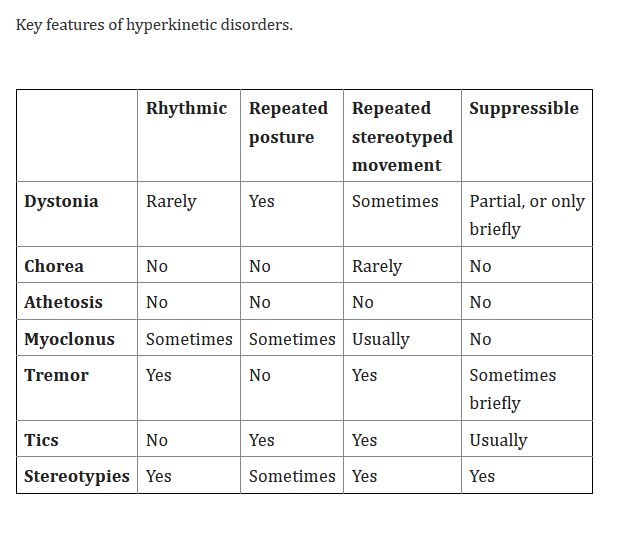
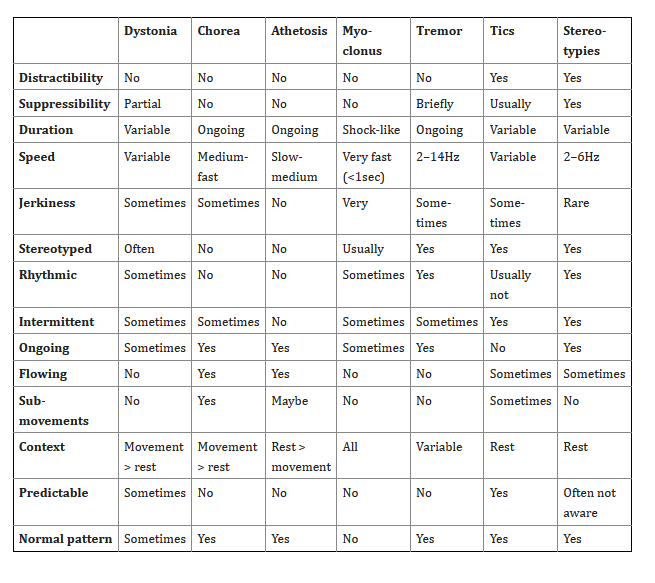
疾病 多动症.
- 肌张力障碍。
- 韩国。
- 手足徐动症。
- 肌阵挛。
- 摇晃。
- 抽搐。
- 刻板印象。
19955111
{19955111:3FZKVE28}
1
温哥华
50
默认
4970
https://neuropediatoolkit.org/wp-content/plugins/zotpress/
%7B%22status%22%3A%22success%22%2C%22updateneeded%22%3Afalse%2C%22instance%22%3Afalse%2C%22meta%22%3A%7B%22request_last%22%3A0%2C%22request_next%22%3A0%2C%22used_cache%22%3Atrue%7D%2C%22data%22%3A%5B%7B%22key%22%3A%223FZKVE28%22%2C%22library%22%3A%7B%22id%22%3A19955111%7D%2C%22meta%22%3A%7B%22creatorSummary%22%3A%22Sanger%20et%20al.%22%2C%22parsedDate%22%3A%222010-08-15%22%2C%22numChildren%22%3A2%7D%2C%22bib%22%3A%22%26lt%3Bdiv%20class%3D%26quot%3Bcsl-bib-body%26quot%3B%20style%3D%26quot%3Bline-height%3A%201.35%3B%20%26quot%3B%26gt%3B%5Cn%20%20%26lt%3Bdiv%20class%3D%26quot%3Bcsl-entry%26quot%3B%20style%3D%26quot%3Bclear%3A%20left%3B%20%26quot%3B%26gt%3B%5Cn%20%20%20%20%26lt%3Bdiv%20class%3D%26quot%3Bcsl-left-margin%26quot%3B%20style%3D%26quot%3Bfloat%3A%20left%3B%20padding-right%3A%200.5em%3B%20text-align%3A%20right%3B%20width%3A%201em%3B%26quot%3B%26gt%3B1.%26lt%3B%5C%2Fdiv%26gt%3B%26lt%3Bdiv%20class%3D%26quot%3Bcsl-right-inline%26quot%3B%20style%3D%26quot%3Bmargin%3A%200%20.4em%200%201.5em%3B%26quot%3B%26gt%3BSanger%20TD%2C%20Chen%20D%2C%20Fehlings%20DL%2C%20Hallett%20M%2C%20Lang%20AE%2C%20Mink%20JW%2C%20et%20al.%20DEFINITION%20AND%20CLASSIFICATION%20OF%20HYPERKINETIC%20MOVEMENTS%20IN%20CHILDHOOD.%20Mov%20Disord%20%5BInternet%5D.%202010%20Aug%2015%20%5Bcited%202015%20June%2015%5D%3B25%2811%29%3A1538%26%23x2013%3B49.%20Available%20from%3A%20%26lt%3Ba%20class%3D%26%23039%3Bzp-ItemURL%26%23039%3B%20href%3D%26%23039%3Bhttp%3A%5C%2F%5C%2Fwww.ncbi.nlm.nih.gov%5C%2Fpmc%5C%2Farticles%5C%2FPMC2929378%5C%2F%26%23039%3B%26gt%3Bhttp%3A%5C%2F%5C%2Fwww.ncbi.nlm.nih.gov%5C%2Fpmc%5C%2Farticles%5C%2FPMC2929378%5C%2F%26lt%3B%5C%2Fa%26gt%3B%26lt%3B%5C%2Fdiv%26gt%3B%5Cn%20%20%26lt%3B%5C%2Fdiv%26gt%3B%5Cn%26lt%3B%5C%2Fdiv%26gt%3B%22%2C%22data%22%3A%7B%22itemType%22%3A%22journalArticle%22%2C%22title%22%3A%22DEFINITION%20AND%20CLASSIFICATION%20OF%20HYPERKINETIC%20MOVEMENTS%20IN%20CHILDHOOD%22%2C%22creators%22%3A%5B%7B%22creatorType%22%3A%22author%22%2C%22firstName%22%3A%22Terence%20D.%22%2C%22lastName%22%3A%22Sanger%22%7D%2C%7B%22creatorType%22%3A%22author%22%2C%22firstName%22%3A%22Daofen%22%2C%22lastName%22%3A%22Chen%22%7D%2C%7B%22creatorType%22%3A%22author%22%2C%22firstName%22%3A%22Darcy%20L.%22%2C%22lastName%22%3A%22Fehlings%22%7D%2C%7B%22creatorType%22%3A%22author%22%2C%22firstName%22%3A%22Mark%22%2C%22lastName%22%3A%22Hallett%22%7D%2C%7B%22creatorType%22%3A%22author%22%2C%22firstName%22%3A%22Anthony%20E.%22%2C%22lastName%22%3A%22Lang%22%7D%2C%7B%22creatorType%22%3A%22author%22%2C%22firstName%22%3A%22Jonathan%20W.%22%2C%22lastName%22%3A%22Mink%22%7D%2C%7B%22creatorType%22%3A%22author%22%2C%22firstName%22%3A%22Harvey%22%2C%22lastName%22%3A%22Singer%22%7D%2C%7B%22creatorType%22%3A%22author%22%2C%22firstName%22%3A%22Katharine%22%2C%22lastName%22%3A%22Alter%22%7D%2C%7B%22creatorType%22%3A%22author%22%2C%22firstName%22%3A%22Hilla%22%2C%22lastName%22%3A%22Ben-Pazi%22%7D%2C%7B%22creatorType%22%3A%22author%22%2C%22firstName%22%3A%22Erin%22%2C%22lastName%22%3A%22Butler%22%7D%2C%7B%22creatorType%22%3A%22author%22%2C%22firstName%22%3A%22Robert%22%2C%22lastName%22%3A%22Chen%22%7D%2C%7B%22creatorType%22%3A%22author%22%2C%22firstName%22%3A%22Abigail%22%2C%22lastName%22%3A%22Collins%22%7D%2C%7B%22creatorType%22%3A%22author%22%2C%22firstName%22%3A%22Sudarshan%22%2C%22lastName%22%3A%22Dayanidhi%22%7D%2C%7B%22creatorType%22%3A%22author%22%2C%22firstName%22%3A%22Hans%22%2C%22lastName%22%3A%22Forssberg%22%7D%2C%7B%22creatorType%22%3A%22author%22%2C%22firstName%22%3A%22Eileen%22%2C%22lastName%22%3A%22Fowler%22%7D%2C%7B%22creatorType%22%3A%22author%22%2C%22firstName%22%3A%22Donald%20L.%22%2C%22lastName%22%3A%22Gilbert%22%7D%2C%7B%22creatorType%22%3A%22author%22%2C%22firstName%22%3A%22Sharon%20L.%22%2C%22lastName%22%3A%22Gorman%22%7D%2C%7B%22creatorType%22%3A%22author%22%2C%22firstName%22%3A%22Mark%20E.%22%2C%22lastName%22%3A%22Gormley%22%7D%2C%7B%22creatorType%22%3A%22author%22%2C%22firstName%22%3A%22H.%20A.%22%2C%22lastName%22%3A%22Jinnah%22%7D%2C%7B%22creatorType%22%3A%22author%22%2C%22firstName%22%3A%22Barbara%22%2C%22lastName%22%3A%22Kornblau%22%7D%2C%7B%22creatorType%22%3A%22author%22%2C%22firstName%22%3A%22Kristin%22%2C%22lastName%22%3A%22Krosschell%22%7D%2C%7B%22creatorType%22%3A%22author%22%2C%22firstName%22%3A%22Rebecca%20K.%22%2C%22lastName%22%3A%22Lehman%22%7D%2C%7B%22creatorType%22%3A%22author%22%2C%22firstName%22%3A%22Colum%22%2C%22lastName%22%3A%22MacKinnon%22%7D%2C%7B%22creatorType%22%3A%22author%22%2C%22firstName%22%3A%22C.%20J.%22%2C%22lastName%22%3A%22Malanga%22%7D%2C%7B%22creatorType%22%3A%22author%22%2C%22firstName%22%3A%22Ronit%22%2C%22lastName%22%3A%22Mesterman%22%7D%2C%7B%22creatorType%22%3A%22author%22%2C%22firstName%22%3A%22Margaret%20Barry%22%2C%22lastName%22%3A%22Michaels%22%7D%2C%7B%22creatorType%22%3A%22author%22%2C%22firstName%22%3A%22Toni%20S.%22%2C%22lastName%22%3A%22Pearson%22%7D%2C%7B%22creatorType%22%3A%22author%22%2C%22firstName%22%3A%22Jessica%22%2C%22lastName%22%3A%22Rose%22%7D%2C%7B%22creatorType%22%3A%22author%22%2C%22firstName%22%3A%22Barry%22%2C%22lastName%22%3A%22Russman%22%7D%2C%7B%22creatorType%22%3A%22author%22%2C%22firstName%22%3A%22Dagmar%22%2C%22lastName%22%3A%22Sternad%22%7D%2C%7B%22creatorType%22%3A%22author%22%2C%22firstName%22%3A%22Kathy%22%2C%22lastName%22%3A%22Swoboda%22%7D%2C%7B%22creatorType%22%3A%22author%22%2C%22firstName%22%3A%22Francisco%22%2C%22lastName%22%3A%22Valero-Cuevas%22%7D%5D%2C%22abstractNote%22%3A%22Hyperkinetic%20movements%20are%20unwanted%20or%20excess%20movements%20that%20are%20frequently%20seen%20in%20children%20with%20neurologic%20disorders.%20They%20are%20an%20important%20clinical%20finding%20with%20significant%20implications%20for%20diagnosis%20and%20treatment.%20However%2C%20the%20lack%20of%20agreement%20on%20standard%20terminology%20and%20definitions%20interferes%20with%20clinical%20treatment%20and%20research.%20We%20describe%20definitions%20of%20dystonia%2C%20chorea%2C%20athetosis%2C%20myoclonus%2C%20tremor%2C%20tics%2C%20and%20stereotypies%20that%20arose%20from%20a%20consensus%20meeting%20in%20June%202008%20of%20specialists%20from%20different%20clinical%20and%20basic%20science%20fields.%20Dystonia%20is%20a%20movement%20disorder%20in%20which%20involuntary%20sustained%20or%20intermittent%20muscle%20contractions%20cause%20twisting%20and%20repetitive%20movements%2C%20abnormal%20postures%2C%20or%20both.%20Chorea%20is%20an%20ongoing%20random-appearing%20sequence%20of%20one%20or%20more%20discrete%20involuntary%20movements%20or%20movement%20fragments.%20Athetosis%20is%20a%20slow%2C%20continuous%2C%20involuntary%20writhing%20movement%20that%20prevents%20maintenance%20of%20a%20stable%20posture.%20Myoclonus%20is%20a%20sequence%20of%20repeated%2C%20often%20non-rhythmic%2C%20brief%20shock-like%20jerks%20due%20to%20sudden%20involuntary%20contraction%20or%20relaxation%20of%20one%20or%20more%20muscles.%20Tremor%20is%20a%20rhythmic%20back-and-forth%20or%20oscillating%20involuntary%20movement%20about%20a%20joint%20axis.%20Tics%20are%20repeated%2C%20individually%20recognizable%2C%20intermittent%20movements%20or%20movement%20fragments%20that%20are%20almost%20always%20briefly%20suppressible%20and%20are%20usually%20associated%20with%20awareness%20of%20an%20urge%20to%20perform%20the%20movement.%20Stereotypies%20are%20repetitive%2C%20simple%20movements%20that%20can%20be%20voluntarily%20suppressed.%20We%20provide%20recommended%20techniques%20for%20clinical%20examination%20and%20suggestions%20for%20differentiating%20between%20the%20different%20types%20of%20hyperkinetic%20movements%2C%20noting%20that%20there%20may%20be%20overlap%20between%20conditions.%20These%20definitions%20and%20the%20diagnostic%20recommendations%20are%20intended%20to%20be%20reliable%20and%20useful%20for%20clinical%20practice%2C%20communication%20between%20clinicians%20and%20researchers%2C%20and%20for%20the%20design%20of%20quantitative%20tests%20that%20will%20guide%20and%20assess%20the%20outcome%20of%20future%20clinical%20trials.%22%2C%22date%22%3A%222010-8-15%22%2C%22section%22%3A%22%22%2C%22partNumber%22%3A%22%22%2C%22partTitle%22%3A%22%22%2C%22DOI%22%3A%2210.1002%5C%2Fmds.23088%22%2C%22citationKey%22%3A%22%22%2C%22url%22%3A%22http%3A%5C%2F%5C%2Fwww.ncbi.nlm.nih.gov%5C%2Fpmc%5C%2Farticles%5C%2FPMC2929378%5C%2F%22%2C%22PMID%22%3A%2220589866%22%2C%22PMCID%22%3A%22PMC2929378%22%2C%22ISSN%22%3A%220885-3185%22%2C%22language%22%3A%22%22%2C%22collections%22%3A%5B%228FUWZNIP%22%2C%22KZ25FYRR%22%5D%2C%22dateModified%22%3A%222026-07-15T22%3A38%3A53Z%22%7D%7D%5D%7D
1.
Sanger TD、Chen D、Fehlings DL、Hallett M、Lang AE、Mink JW 等。儿童期多动运动的定义和分类。莫夫混乱[互联网]。 2010 年 8 月 15 日[引用于 2015 年 6 月 15 日];25(11):1538–49。可从: http://www.ncbi.nlm.nih.gov/pmc/articles/PMC2929378/
运动机能减退症(帕金森症)。
| 帕金森病亚型 | 根据4轴定义 一、发病年龄a 二.临床特征 三.结果 四.病因学 |
|---|---|
| 发育性帕金森症 | I. 婴儿期或幼儿期 二.肌张力低下、运动功能减退、运动迟缓、姿势发育紊乱、GDD、静止性震颤或其他粗大振荡性抽搐、症状周期性波动、自主神经功能障碍、OGC、胎儿运动模式持续存在 三.对多巴胺能药物和/或生物胺前体的持续反应。早期治疗受试者的神经系统发育正常,晚期治疗受试者中不同程度的 ID(伴或不伴 MD),未治疗/晚期治疗受试者中的非退行性进展 四.原发性神经递质疾病(例如 TH、SR、AADC、PTPS 缺乏) |
| 婴儿和幼儿期退行性帕金森病 | I. 婴儿期或幼儿期 二.严重僵硬性运动减退综合征、多灶性肌阵挛性抽搐或粗大振荡性抽搐、肌张力障碍、姿势发育缺乏、进行性 GDD、自主神经功能障碍、OGC 三.最初对多巴胺能药物产生剧烈反应,随后因WARS2缺陷而反应恶化。没有针对 DAT 缺乏症的治疗方法。 DaTSCAN 成像的显着变化也记录了进展过程 四.原发性或继发性神经递质疾病(例如 DAT、WARS2 缺乏症) |
| 神经发育障碍背景下的帕金森症 | 一、童年至青春期 二.早发性神经发育障碍(GDD、ID),随后随着时间的推移出现帕金森病特征。癫痫经常与 三.随着时间的推移没有明显的进展。可能出现回归稳定阶段 四.神经发育障碍(例如 MECP2) |
| 多系统脑疾病背景下的帕金森症 | 一、童年至青春期 二.与多系统大脑受累体征相关(痉挛、共济失调、肌阵挛、肌张力障碍、舞蹈症、认知衰退/痴呆、癫痫等)。表型可能由与帕金森病相关的其他特征主导 三.随着时间的推移,与特定脑成像异常或代谢改变相关的进展 四.涉及多系统的神经退行性或神经代谢性疾病(参见 表2, 表S1 获取条件列表) |
| 青少年帕金森症和肌张力障碍帕金森症 | I. 童年(很少)、青春期 二.以帕金森病为主要表现,主要表现为非典型帕金森病,伴或不伴肌张力障碍、肌阵挛和认知能力下降 三.左旋多巴反应、运动并发症的发生和帕金森病体征的进展可能会根据特定的遗传状况而有所不同(例如,左旋多巴反应良好的患者) DNAJC6, 同步J1, 粉红1,无响应 PRKRA, ATP1A3; 早期发动机并发症 帕金 和 粉红1;进展缓慢 同步J1, 快速进展 DNAJC6) 四.原发性肌张力障碍或单基因帕金森症基因(例如 PRKRA, ATP1A3, 帕金, 粉红1, SYNJ1、DNAJC12、DNAJC6) |
| 获得性帕金森病 | 一、童年至青春期 二、三。临床特征和结果因病因而异 四.窒息、感染、免疫介导疾病、中毒、药物、肿瘤、甲状旁腺功能减退症和假性甲状旁腺功能减退症、脑积水(参见 表3, 表S2) |
19955111
{19955111:34LMYZKM}
1
温哥华
50
默认
4970
https://neuropediatoolkit.org/wp-content/plugins/zotpress/
%7B%22status%22%3A%22success%22%2C%22updateneeded%22%3Afalse%2C%22instance%22%3Afalse%2C%22meta%22%3A%7B%22request_last%22%3A0%2C%22request_next%22%3A0%2C%22used_cache%22%3Atrue%7D%2C%22data%22%3A%5B%7B%22key%22%3A%2234LMYZKM%22%2C%22library%22%3A%7B%22id%22%3A19955111%7D%2C%22meta%22%3A%7B%22creatorSummary%22%3A%22Leuzzi%20et%20al.%22%2C%22parsedDate%22%3A%222021-01-01%22%2C%22numChildren%22%3A2%7D%2C%22bib%22%3A%22%26lt%3Bdiv%20class%3D%26quot%3Bcsl-bib-body%26quot%3B%20style%3D%26quot%3Bline-height%3A%201.35%3B%20%26quot%3B%26gt%3B%5Cn%20%20%26lt%3Bdiv%20class%3D%26quot%3Bcsl-entry%26quot%3B%20style%3D%26quot%3Bclear%3A%20left%3B%20%26quot%3B%26gt%3B%5Cn%20%20%20%20%26lt%3Bdiv%20class%3D%26quot%3Bcsl-left-margin%26quot%3B%20style%3D%26quot%3Bfloat%3A%20left%3B%20padding-right%3A%200.5em%3B%20text-align%3A%20right%3B%20width%3A%201em%3B%26quot%3B%26gt%3B1.%26lt%3B%5C%2Fdiv%26gt%3B%26lt%3Bdiv%20class%3D%26quot%3Bcsl-right-inline%26quot%3B%20style%3D%26quot%3Bmargin%3A%200%20.4em%200%201.5em%3B%26quot%3B%26gt%3BLeuzzi%20V%2C%20Nardecchia%20F%2C%20Pons%20R%2C%20Galosi%20S.%20Parkinsonism%20in%20children%3A%20Clinical%20classification%20and%20etiological%20spectrum.%20Parkinsonism%20%26amp%3B%20Related%20Disorders%20%5BInternet%5D.%202021%20Jan%201%20%5Bcited%202023%20Mar%2014%5D%3B82%3A150%26%23x2013%3B7.%20Available%20from%3A%20%26lt%3Ba%20class%3D%26%23039%3Bzp-ItemURL%26%23039%3B%20href%3D%26%23039%3Bhttps%3A%5C%2F%5C%2Fwww.prd-journal.com%5C%2Farticle%5C%2FS1353-8020%2820%2930777-X%5C%2Ffulltext%26%23039%3B%26gt%3Bhttps%3A%5C%2F%5C%2Fwww.prd-journal.com%5C%2Farticle%5C%2FS1353-8020%2820%2930777-X%5C%2Ffulltext%26lt%3B%5C%2Fa%26gt%3B%26lt%3B%5C%2Fdiv%26gt%3B%5Cn%20%20%26lt%3B%5C%2Fdiv%26gt%3B%5Cn%26lt%3B%5C%2Fdiv%26gt%3B%22%2C%22data%22%3A%7B%22itemType%22%3A%22journalArticle%22%2C%22title%22%3A%22Parkinsonism%20in%20children%3A%20Clinical%20classification%20and%20etiological%20spectrum%22%2C%22creators%22%3A%5B%7B%22creatorType%22%3A%22author%22%2C%22firstName%22%3A%22Vincenzo%22%2C%22lastName%22%3A%22Leuzzi%22%7D%2C%7B%22creatorType%22%3A%22author%22%2C%22firstName%22%3A%22Francesca%22%2C%22lastName%22%3A%22Nardecchia%22%7D%2C%7B%22creatorType%22%3A%22author%22%2C%22firstName%22%3A%22Roser%22%2C%22lastName%22%3A%22Pons%22%7D%2C%7B%22creatorType%22%3A%22author%22%2C%22firstName%22%3A%22Serena%22%2C%22lastName%22%3A%22Galosi%22%7D%5D%2C%22abstractNote%22%3A%22Infantile-%20and%20childhood-onset%20parkinsonism%20is%20mainly%20due%20to%20genetic%20alterations%20and%20is%20an%20exceedingly%20rare%20condition%2C%20unlike%20Parkinson%26%23039%3Bs%20disease%20%28PD%29%2C%20which%20is%20one%20of%20the%20most%20common%20neurologic%20disorders%20in%20adulthood.%20The%20clinical%20characterization%20of%20parkinsonism%20during%20early%20stages%20of%20neuromotor%20development%20is%20controversial%20due%20to%20the%20lack%20of%20consensus%20regarding%20the%20clinical%20criteria%20of%20PD%20or%20parkinsonism%20in%20the%20immature%20brain.%20The%20classification%20here%20proposed%20is%20based%20on%20a%20review%20of%20conditions%20that%20emerge%20during%20infancy%20and%20childhood%2C%20with%20key%20symptoms%20evocative%20of%20adult%20parkinsonism.%20The%20proposed%20nosography%20is%20based%20on%20age%20at%20presentation%2C%20clinical%20features%2C%20outcome%2C%20and%20etiological%20background.%20It%20includes%20developmental%20parkinsonism%2C%20infantile%20degenerative%20parkinsonism%2C%20parkinsonism%20in%20the%20setting%20of%20neurodevelopmental%20disorders%2C%20parkinsonism%20in%20the%20setting%20of%20multisystem%20brain%20diseases%2C%20juvenile%20parkinsonism%20and%20dystonia-parkinsonism%2C%20and%20acquired%20parkinsonism.%20The%20subgroups%20denoting%20peculiar%20clinical%20presentations%20as%20a%20consequence%20of%20disease%20impact%20on%20the%20immature%20brain%20are%20developmental%20parkinsonism%20due%20to%20monoamine%20metabolic%20disorders%20and%20infantile%20degenerative%20parkinsonism%20caused%20by%20DAT%20and%20WASR2%20defects.%20More%20tardive%20parkinsonisms%20occur%20in%20genetic%20conditions%20that%20cause%20a%20generalized%20derangement%20of%20neurodevelopmental%20processes%2C%20such%20as%20those%20due%20to%20MECP2%2C%20NR4A2%2C%20SCN1A%2C%20and%20RAB39B.%20Some%20conditions%20presenting%20with%20neurodevelopmental%20disorder%20can%20progress%20later%2C%20disclosing%20their%20neurodegenerative%20nature%20%28i.e.%20WDR45%20and%20KCND3%29.%20Finally%2C%20new%20emerging%20conditions%20with%20childhood-onset%20parkinsonism%20arise%20from%20the%20cumulative%20effect%20of%20multiple%20genetic%20lesions.%22%2C%22date%22%3A%222021-01-01%22%2C%22section%22%3A%22%22%2C%22partNumber%22%3A%22%22%2C%22partTitle%22%3A%22%22%2C%22DOI%22%3A%2210.1016%5C%2Fj.parkreldis.2020.10.002%22%2C%22citationKey%22%3A%22%22%2C%22url%22%3A%22https%3A%5C%2F%5C%2Fwww.prd-journal.com%5C%2Farticle%5C%2FS1353-8020%2820%2930777-X%5C%2Ffulltext%22%2C%22PMID%22%3A%2233109474%22%2C%22PMCID%22%3A%22%22%2C%22ISSN%22%3A%221353-8020%2C%201873-5126%22%2C%22language%22%3A%22English%22%2C%22collections%22%3A%5B%228FUWZNIP%22%5D%2C%22dateModified%22%3A%222026-07-15T22%3A38%3A30Z%22%7D%7D%5D%7D
1.
Leuzzi V、Nardecchia F、Pons R、Galosi S. 儿童帕金森病:临床分类和病因谱。帕金森症及相关疾病[互联网]。 2021 年 1 月 1 日[引用于 2023 年 3 月 14 日];82:150–7。可从: https://www.prd-journal.com/article/S1353-8020(20)30777-X/fulltext