

Introduction to Autism Spectrum Disorder (ASD) The diagnosis of autism spectrum disorder (ASD) is based on the presence of two symptom dimensions: stereotyped and repetitive behaviors, inflexibility, restricted interests, and difficulties in social interaction, nonverbal communication, and socioemotional reciprocity. Stereotyped and Repetitive Behaviors …
Category archives: ASD
Warning symptoms of ASD.
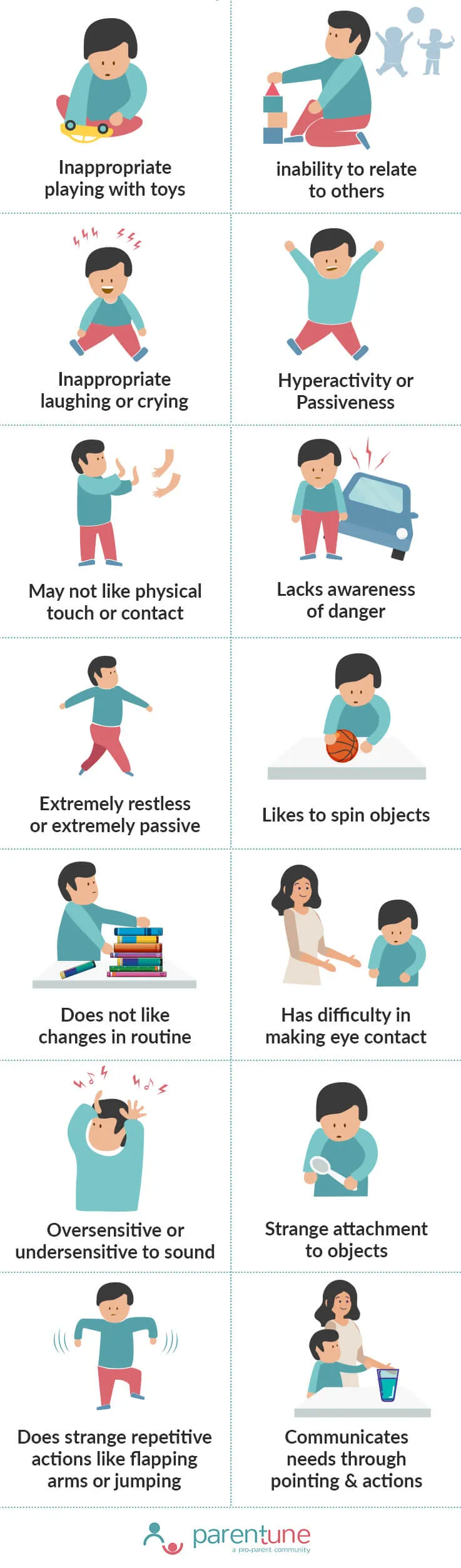
Warning Signs and Red Flags of ASD in Childhood Early detection of Autistic Spectality Disorder (ASD) is crucial to implementing effective early interventions. The following warning signs should be closely monitored: At 6 months: Absence of social smiling, limited facial expression, or lack of constant eye contact. At…
Risk factors for ASD.

The main identifiable risk factor in the clinical history is the presence of an older sibling with ASD, such that 1 in 5 children with older siblings with ASD will have an ASD diagnosis by age 3, being more frequent among males. Parental age is also a risk factor …
Diagnosis comorbid ASD-DI and genetic diagnosis.

ASD. Should I refer to USMIA or neuropediatrics?. Similar but not the same.

There is a lot of confusion about the referral indication in the case of autism spectrum disorder, as the role each professional plays (USMIA and neuropediatrics) is not well known.
Gravity of the TEA.

Diagnostic criteria of ASD.
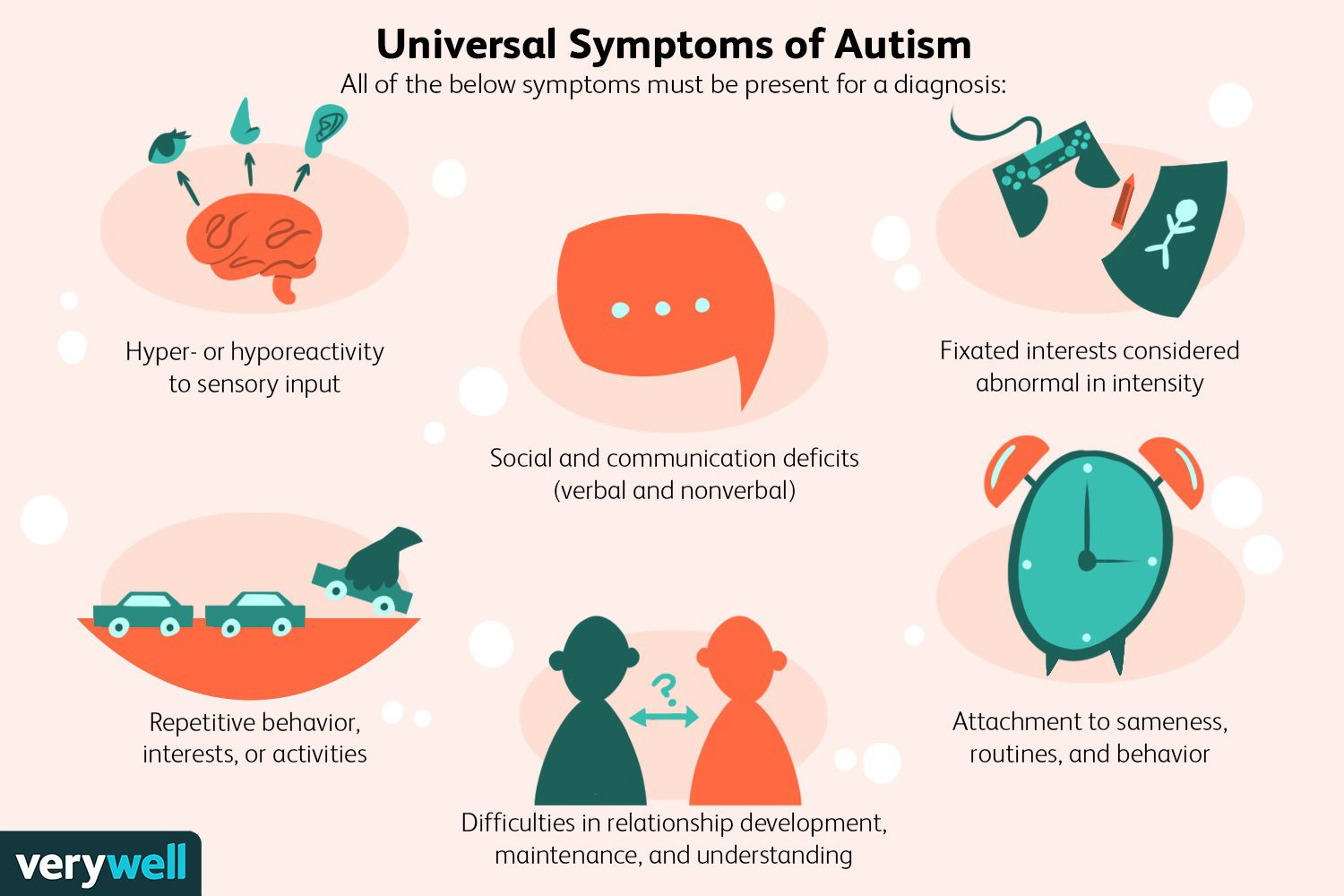
D. Symptoms cause clinically significant impairment in social, occupational, or other important areas of current functioning.
Diagnostic resources for ASD.

On the EspectroAutista website, multiple self-scoring questionnaires for ASD diagnosis are available. There are also resources on the AutismResearchCentre website. The M-CHAT-R/F questionnaire is available on the MCHATScreen website.