Bidirectional relationship.
Sleep and epilepsy have a bidirectional relationship through several mechanisms. Lack of sleep is one of the main triggers of epilepsy. Poorly controlled epilepsy fragments sleep and deteriorates its quality. Most antiepileptic drugs cause insomnia or fragment sleep. All of this contributes to the cognitive consequences of epilepsy. 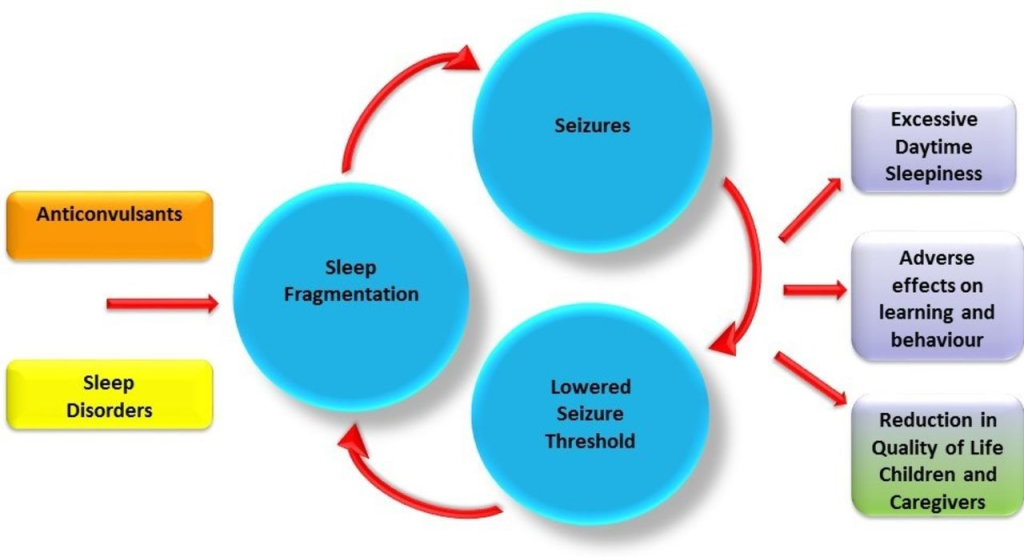
Epilepsy and sleep-wake cycle.
The brain has two functional situations, wakefulness and sleep. Different types of epilepsy are distributed unevenly depending on the time of day. Sleep phases are less pro-epileptogenic the deeper the sleep, except REM sleep, which is anti-epileptic.
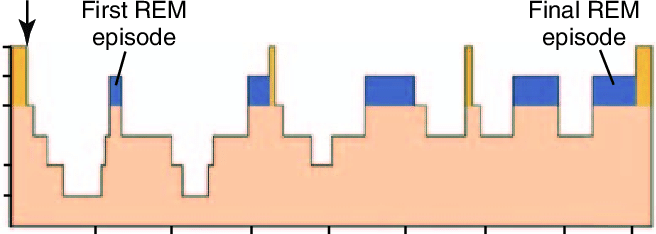
In general terms, the structure of sleep tends to accumulate most of the deep sleep in the first half of the night, while the majority of awakenings, shallow sleep and REM sleep are found in the second part of the night. This is why epileptic seizures tend to accumulate in the second half of the night, while parasomnias occur in the first half (during deep sleep).
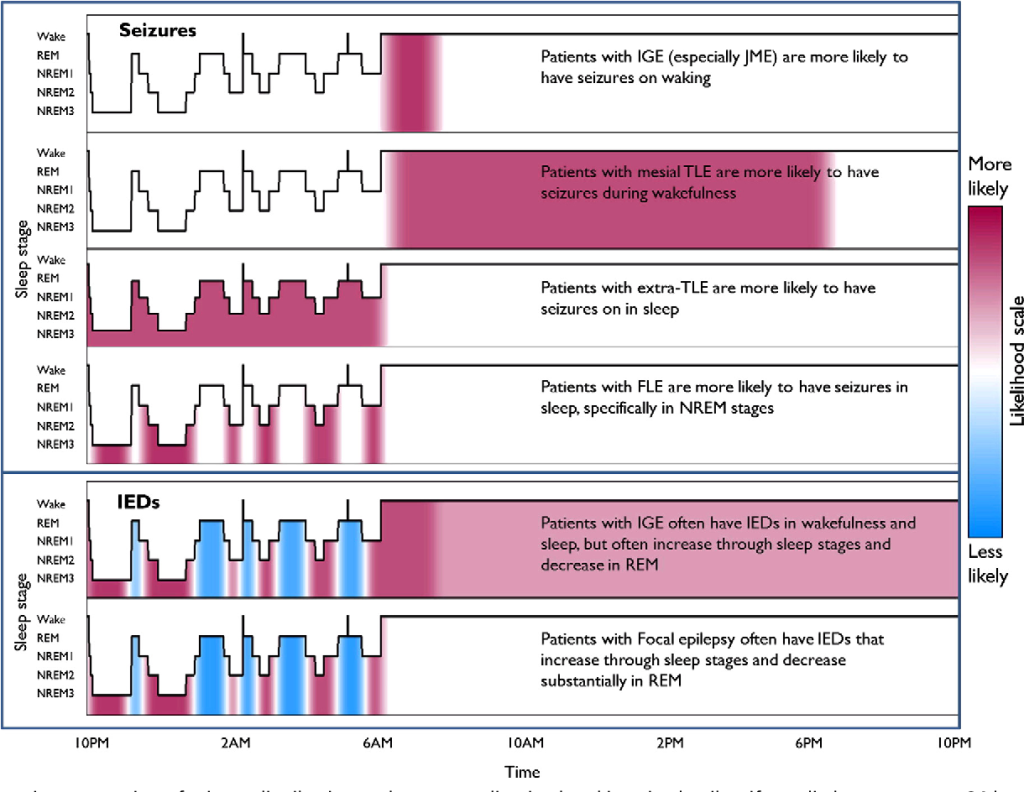
Sleep-related epileptic syndromes.
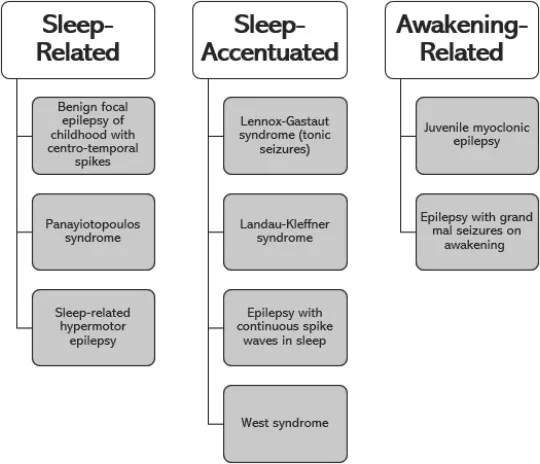
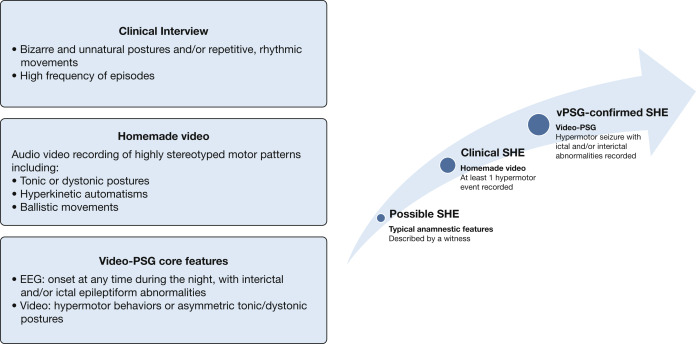
Sleep-related hypermotor epilepsy (SHE).
Rolandic Epilepsy.
Panayitopoulos syndrome.
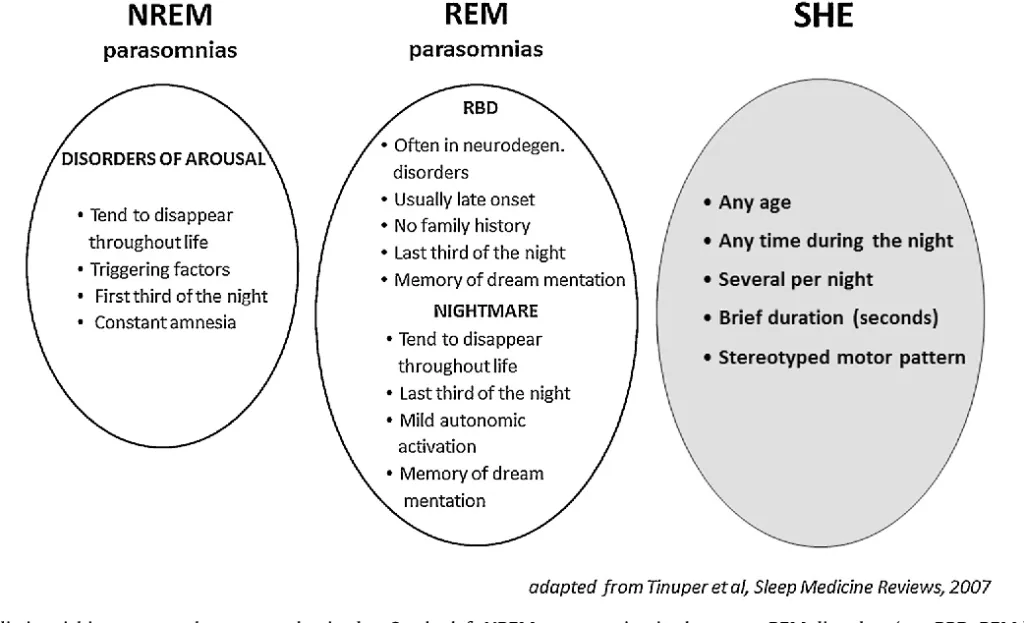
Differential diagnosis of sleep epilepsies and parasomnias.
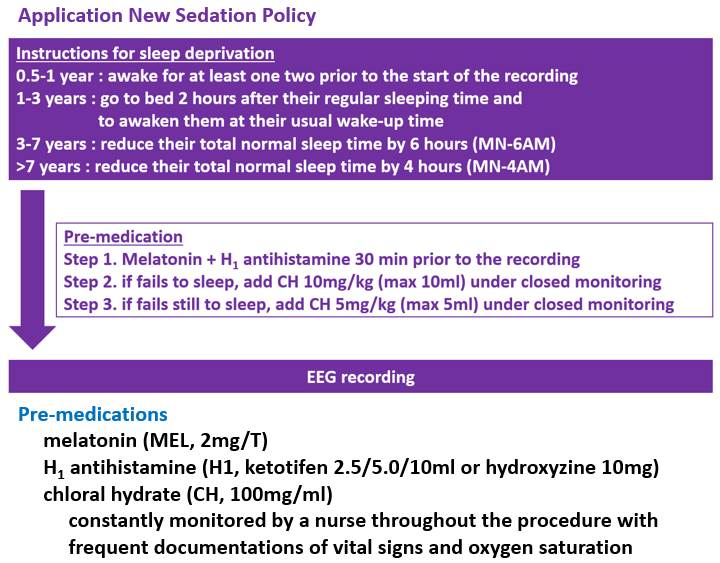
EEG with sleep deprivation.
Indications for an EEG with sleep deprivation:
- Lack of patient collaboration. In young children or those with behavioral problems, the impossibility of resting during a baseline EEG makes it impossible to assess it due to the presence of movement artifacts. Through an EEG with sleep deprivation, it can be easier for them to fall asleep so that the recording does not present artifacts.
- Need to record a stretch of sleep. There are certain epilepsies in which an activation phenomenon occurs during certain phases of sleep (particularly superficial sleep and the sleep-wake interface), so that the EEG while awake is typically normal, but epilepsy appears when sleep is recorded. Sleep deprivation facilitates the recording of a stretch of sleep and allows both functional states to be studied briefly. In the event of seizures during the night or during a nap, or at interphase moments (falling asleep, waking up), it may be preferable to perform an EEG with sleep deprivation to assess brain activity during sleep.
- Activate an underlying epilepsy. Sleep deprivation, regardless of whether the patient falls asleep during the procedure, is a trigger for epileptic seizures, because it increases the possibility of having seizures when adequate rest has not occurred. In the same way, it also increases the probability of recording significant intercritical findings. After a normal baseline EEG, and when there is a well-founded suspicion of epilepsy, the EEG with sleep deprivation increases the probability of diagnosis.