

Mechanisms of Action of AEDs: Brief Clinical Overview Main objective: Stabilize the excitatory-inhibitory balance in the brain to prevent epileptic seizures. Main classes and mechanisms: GABA derivatives (e.g., tiagabine): They increase the inhibitory activity of GABA by blocking its recycling. Sodium channel modulators (e.g., lamotrigine): Reduce neuronal excitability by blocking…
Category archives: Epilepsy
KCNx databases.
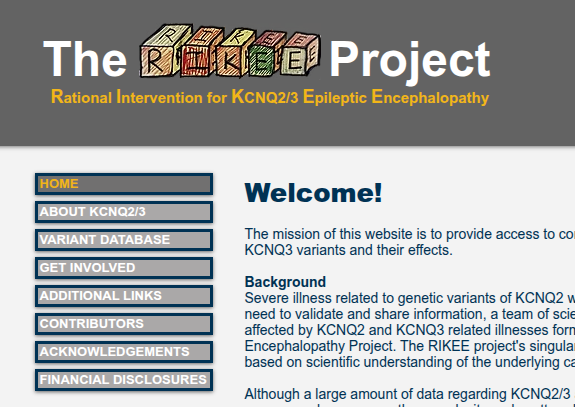
Clinical Summary: KCNx Database The KCNx Database is a tool specialized in the KCNx family of potassium channels, essential for the diagnosis and management of congenital neurological disorders in childhood. Objective and Clinical Application Facilitates the differential diagnosis of early epilepsies, ataxias and developmental disorders. Allows functional interpretation of genetic variants…
Misinterpretation of wicket spikes.
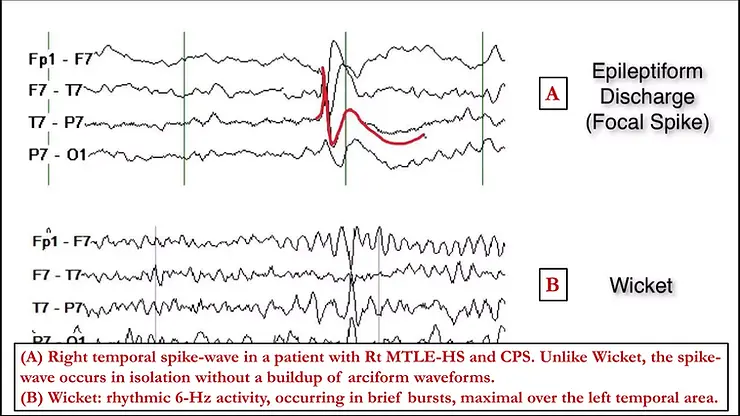
Wicket Spikes: Benign EEG Pattern Wicket spikes are benign EEG patterns, common in states of relaxation, drowsiness or hyperventilation. Their appearance resembles a cricket wicket, which gives them their name. Key characteristics Morphology: Sharp waves, in the shape of a saw or point, with a frequency between 6 and 11 Hz. Location: They predominate in regions...
ARX gen.
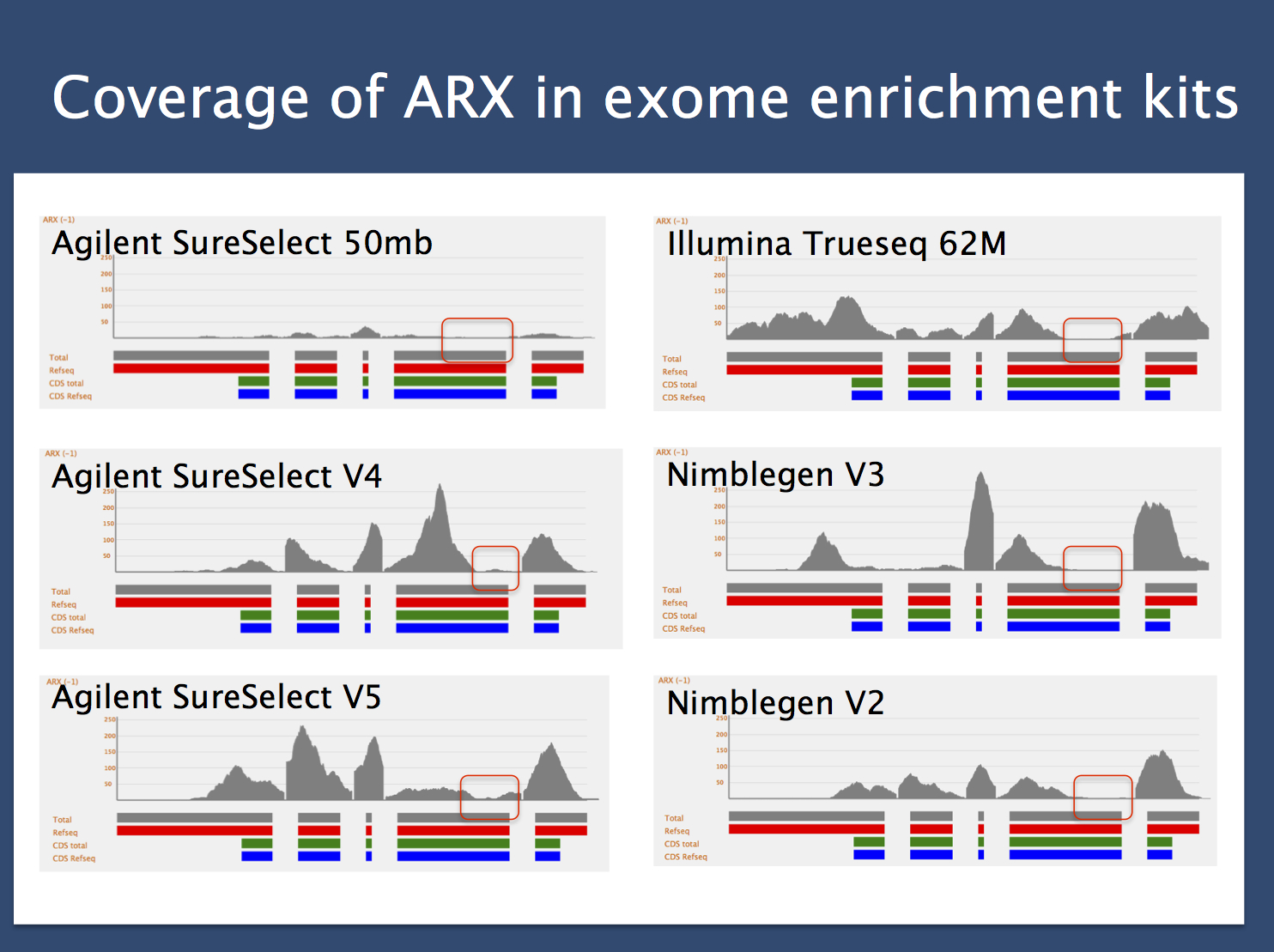
Introduction to the ARX Gene The ARX gene (Aristaless-related homeobox), located on chromosome Xq22.1, is crucial in regulating neurogenesis, neuronal migration, and differentiation of interneuron populations in the cerebral cortex, basal ganglia, and substantia nigra. The ARX protein contains a homeodomain at its …
Panayitopoulos

Panayiotopoulos syndrome (Benign Occipital Epilepsy of Childhood) Common form of idiopathic focal epilepsy in children aged 3–6 years. Characterized by prolonged autonomic crises and good prognosis. Clinical Characteristics Autonomic crises: Nausea, vomiting, paleness, mydriasis, sweating, urinary/defecatory incontinence. Duration: It can exceed 30 minutes, although without neurological consequences. Typical presentation: Child faints temporarily, then…
Dravet syndrome. Natural history.

Dravet Syndrome: Natural History and Clinical Evolution in Multidimensional Perspective Dravet Syndrome (DS) is a rare neurological condition that represents one of the most severe forms of early-onset epilepsy with epileptic encephalopathy (EED). Its natural history is complex and progressive, covering a wide range of neurological, behavioral, cognitive and ...
Pharmacological treatment protocol for GLS.

Pharmacological Treatment Protocol for Lennox-Gastaut Syndrome: Comprehensive and Evidence-Based Approach Lennox-Gastaut Syndrome (LGS) is a severe form of epilepsy in childhood that affects a relatively small but critical population. This syndrome, classified as a developmental epileptic encephalopathy (DEE), presents unique diagnostic and therapeutic challenges. It is defined by…
Continue reading «Protocolo de tratamiento farmacológico del SLG.»
Precision medicine in genetic epilepsy.
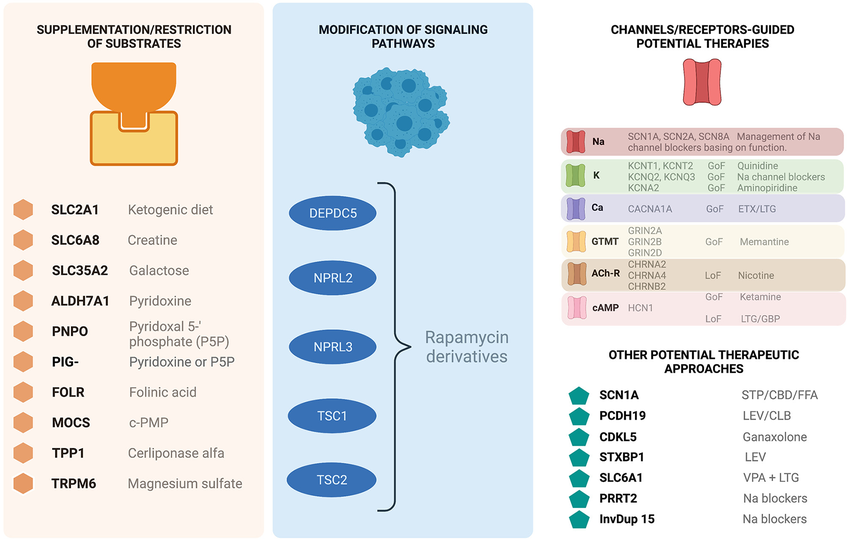
Precision Medicine in Genetic Epilepsy Precision medicine in genetic epilepsy identifies the underlying molecular cause to guide specific treatments, avoiding ineffective or harmful therapies. Therapeutic Approaches by Genetic Group Channelopathies (SCN1A, KCNQ2, etc.) Avoid carbamazepine and phenytoin in SCN1A loss of function (risk of worsening seizures). Treatments of choice: fenfluramine, cannabidiol, stiripentol,…
Continue reading «Medicina de precisión en epilepsia genética.»
SCNx database.
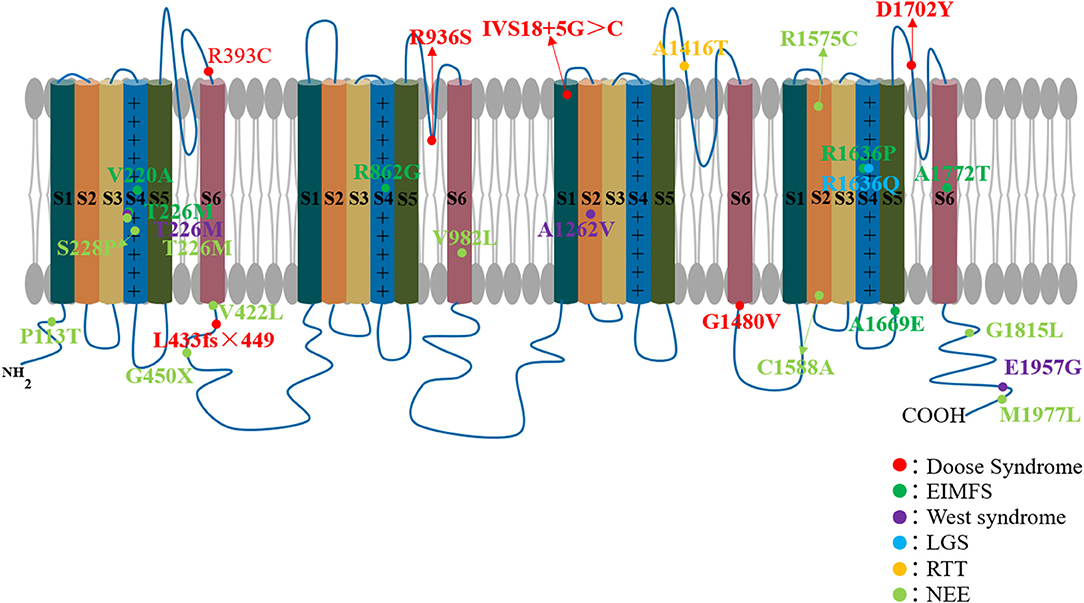
SCNx Database: Clinical Guide for SCN-Related Disorders The SCNx Database is an interactive resource from the Broad Institute for clinicians, families, and researchers of sodium channel (SCN) gene-associated disorders. Provides up-to-date data on genetics, phenotypes and clinical evidence. Key Genes and Phenotypic Associations SCN1A: De novo Mutations Cause…