Introduction to the ARX Gene
The gene ARX (Aristaless-related homeobox), located on chromosome Xq22.1, is crucial in regulating neurogenesis, neuronal migration, and differentiation of interneuron populations in the cerebral cortex, basal ganglia, and substantia nigra. The ARX protein contains a homeodomain at its N-terminal end, essential for DNA binding and regulation of target genes, as well as a poly-alanine repeat domain in its central region.
Molecular Basis and Pathogenic Mechanisms
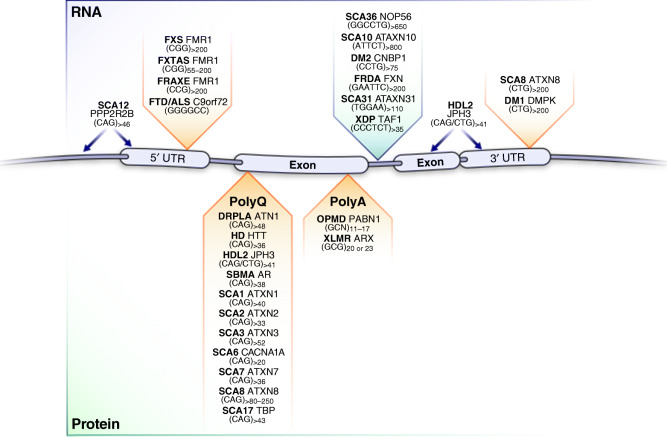
Mutations in ARX They can be of two main types: loss-of-function and gain-of-function. Loss-of-function mutations include deletions, frameshift insertions, or nonsense mutations, which reduce or eliminate protein activity. Gain-of-function mutations, particularly those increasing the number of polyalanine repeats (for example, 16 or more), alter the three-dimensional conformation of the protein and its ability to interact with cofactors.
An increase in the number of polyalanine repeats, such as 16–20 repetitions, is particularly relevant in Partington syndrome and X-linked familial lissencephaly. These mutations alter the regulation of genes involved in neuronal migration, disrupting cortical architecture.
Clinical Spectrum: From Lissencephaly to Neonatal Epilepsy
The phenotypic spectrum associated with the gene ARX It is broad and complex. Some variants may cause mild disorders, while others are fatal. X-linked familial lissencephaly is characterized by the absence of cerebral folds, a thick and smooth cerebral cortex, and genital abnormalities. Patients present with spastic paralysis, global developmental delay, and generalized epilepsy from birth.
Partington syndrome, associated with specific mutations in the polyalanine repeat domain, manifests with mild to moderate intellectual deficit, dysarthria, and dystonic movements in the hands. In West syndrome, mutations in ARX cause early epileptic encephalopathy with flexion spasms, disorganized activation pattern on EEG (hypsarrhythmia), and developmental delay.
Diagnosis and Technical Challenges
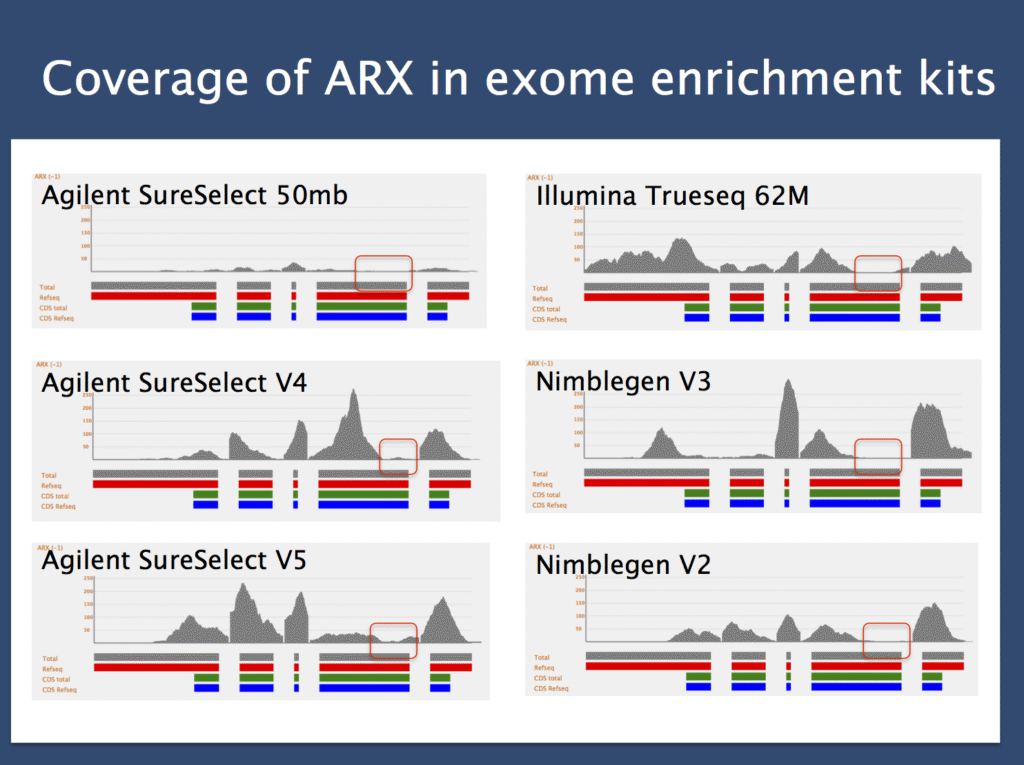
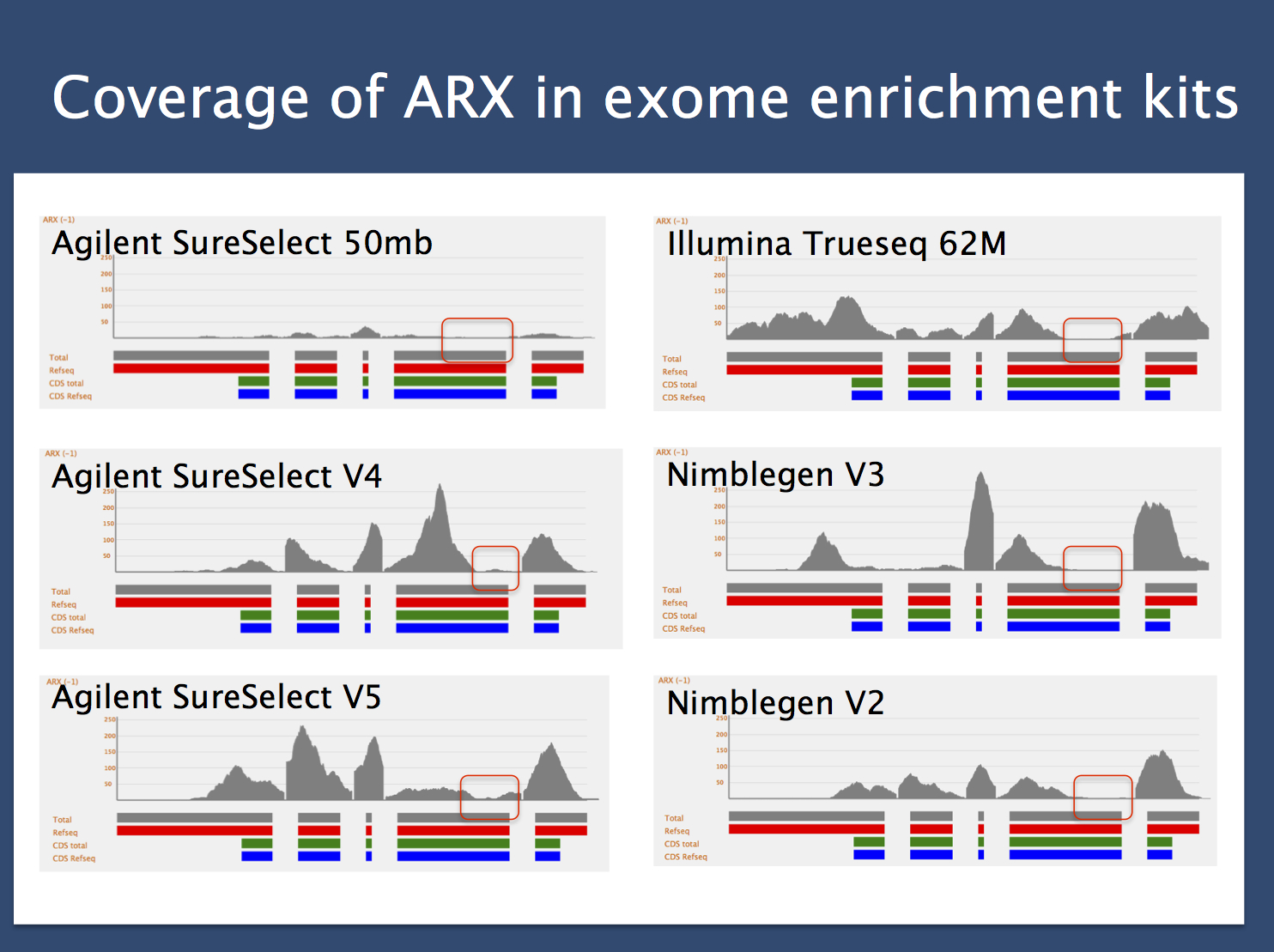
The diagnosis of disorders due to mutations in ARX requires an advanced diagnostic strategy. Although whole-exome sequencing is a powerful tool, it is limited in detecting polyalanine repeats or large deletions. EuroEPINOMICS highlights that the gene ARX It is a paradigmatic example of a gene that can escape standard exome sequencing due to its repetitive structure and regions of high homology.
It is recommended to complement exome analysis with techniques such as PCR with repeat amplification, DNA fragment analysis (capillary electrophoresis), or long-read sequencing (PacBio or Oxford Nanopore) to detect complex structural variations. These techniques improve sensitivity for identifying mutations in ARX.