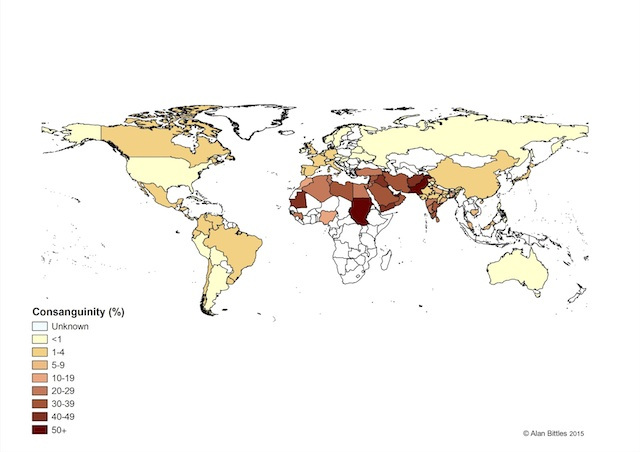

Dans notre zone géographique, il existe deux populations minoritaires qui présentent un intérêt du point de vue génétique, principalement parce qu'elles ont historiquement pratiqué consanguinité et présent haut consanguinité, et pour avoir souffert de goulots d'étranglement génétiques qui ont conduit à la effet fondateur dans certaines maladies.
- Maladies mendéliennes causées par des mutations privatives à effet fondateur dans la population gitane.
| trouble | OMIM* | Héritage | Carte | Gène | Mutation |
| Emplacement | |||||
| congénital primaire | 231300 | A.R. | 14h21 | CYP1B1 | E387K |
| Glaucome | |||||
| Galactokinase | 230200 | A.R. | 17q24 | GK1 | P28T |
| carence | |||||
| Rein polykystique | 173900 | ANNONCE. | 4q21-q23 | PKD2 | R306X** |
| maladie | |||||
| Moteur héréditaire et | 601455 | A.R. | 8q24 | NDRG1 | R148X |
| Neuropathie sensorielle-Lom | |||||
| Moteur héréditaire et | 605285 | A.R. | 10q23 | ||
| Neuropathie sensorielle-Russe | |||||
| Cataractes faciales congénitales | 604168 | A.R. | 18ème trimestre | ||
| neuropathie dysmorphique |
- Taux de porteurs déclarés de maladies monogéniques chez les Roms
| trouble | pays | Général | À haut risque |
| Rome | groupes | ||
| Glaucome congénital primitif | Slovaquie | 5% | *11% |
| Galactokinase | Bulgarie | 2% | *4%-5% |
| carence | |||
| Polykystique autosomique dominante | Hongrie | 2.4% | |
| maladie du rein | |||
| Héréditaire moteur et sensoriel | Bulgarie | *2% | *20% |
| neuropathie-Lom | |||
| Dystrophie musculaire des ceintures | **Bulgarie | 2% | 6% |
| tapez 2C | |||
| Déficit en MCAD | ***Espagne | *2.5%-10% | |
| Phénylcétonurie | tchèque | 6% | |
| Slovaquie | |||
| Albinisme oculocutané | Espagne | 3.4% | |
| syndrome de Fraser | Espagne | 2.7% | |
| Épidermolyse bulleuse | Espagne | 2.4% |
19955111
{19955111:H68EFK34}
1
Vancouver
50
défaut
1698
https://neuropediatoolkit.org/wp-content/plugins/zotpress/
%7B%22status%22%3A%22success%22%2C%22updateneeded%22%3Afalse%2C%22instance%22%3Afalse%2C%22meta%22%3A%7B%22request_last%22%3A0%2C%22request_next%22%3A0%2C%22used_cache%22%3Atrue%7D%2C%22data%22%3A%5B%7B%22key%22%3A%22H68EFK34%22%2C%22library%22%3A%7B%22id%22%3A19955111%7D%2C%22meta%22%3A%7B%22creatorSummary%22%3A%22Kalaydjieva%20et%20al.%22%2C%22parsedDate%22%3A%222001-04-02%22%2C%22numChildren%22%3A2%7D%2C%22bib%22%3A%22%26lt%3Bdiv%20class%3D%26quot%3Bcsl-bib-body%26quot%3B%20style%3D%26quot%3Bline-height%3A%201.35%3B%20%26quot%3B%26gt%3B%5Cn%20%20%26lt%3Bdiv%20class%3D%26quot%3Bcsl-entry%26quot%3B%20style%3D%26quot%3Bclear%3A%20left%3B%20%26quot%3B%26gt%3B%5Cn%20%20%20%20%26lt%3Bdiv%20class%3D%26quot%3Bcsl-left-margin%26quot%3B%20style%3D%26quot%3Bfloat%3A%20left%3B%20padding-right%3A%200.5em%3B%20text-align%3A%20right%3B%20width%3A%201em%3B%26quot%3B%26gt%3B1.%26lt%3B%5C%2Fdiv%26gt%3B%26lt%3Bdiv%20class%3D%26quot%3Bcsl-right-inline%26quot%3B%20style%3D%26quot%3Bmargin%3A%200%20.4em%200%201.5em%3B%26quot%3B%26gt%3BKalaydjieva%20L%2C%20Gresham%20D%2C%20Calafell%20F.%20Genetic%20studies%20of%20the%20Roma%20%28Gypsies%29%3A%20a%20review.%20BMC%20Med%20Genet%20%5BInternet%5D.%202001%20Apr%202%20%5Bcited%202021%20Apr%2011%5D%3B2%3A5.%20Available%20from%3A%20%26lt%3Ba%20class%3D%26%23039%3Bzp-ItemURL%26%23039%3B%20href%3D%26%23039%3Bhttps%3A%5C%2F%5C%2Fwww.ncbi.nlm.nih.gov%5C%2Fpmc%5C%2Farticles%5C%2FPMC31389%5C%2F%26%23039%3B%26gt%3Bhttps%3A%5C%2F%5C%2Fwww.ncbi.nlm.nih.gov%5C%2Fpmc%5C%2Farticles%5C%2FPMC31389%5C%2F%26lt%3B%5C%2Fa%26gt%3B%26lt%3B%5C%2Fdiv%26gt%3B%5Cn%20%20%26lt%3B%5C%2Fdiv%26gt%3B%5Cn%26lt%3B%5C%2Fdiv%26gt%3B%22%2C%22data%22%3A%7B%22itemType%22%3A%22journalArticle%22%2C%22title%22%3A%22Genetic%20studies%20of%20the%20Roma%20%28Gypsies%29%3A%20a%20review%22%2C%22creators%22%3A%5B%7B%22creatorType%22%3A%22author%22%2C%22firstName%22%3A%22Luba%22%2C%22lastName%22%3A%22Kalaydjieva%22%7D%2C%7B%22creatorType%22%3A%22author%22%2C%22firstName%22%3A%22David%22%2C%22lastName%22%3A%22Gresham%22%7D%2C%7B%22creatorType%22%3A%22author%22%2C%22firstName%22%3A%22Francesc%22%2C%22lastName%22%3A%22Calafell%22%7D%5D%2C%22abstractNote%22%3A%22Background%5CnData%20provided%20by%20the%20social%20sciences%20as%20well%20as%20genetic%20research%20suggest%20that%20the%208-10%20million%20Roma%20%28Gypsies%29%20who%20live%20in%20Europe%20today%20are%20best%20described%20as%20a%20conglomerate%20of%20genetically%20isolated%20founder%20populations.%20The%20relationship%20between%20the%20traditional%20social%20structure%20observed%20by%20the%20Roma%2C%20where%20the%20Group%20is%20the%20primary%20unit%2C%20and%20the%20boundaries%2C%20demographic%20history%20and%20biological%20relatedness%20of%20the%20diverse%20founder%20populations%20appears%20complex%20and%20has%20not%20been%20addressed%20by%20population%20genetic%20studies.%5Cn%5CnResults%5CnRecent%20medical%20genetic%20research%20has%20identified%20a%20number%20of%20novel%2C%20or%20previously%20known%20but%20rare%20conditions%2C%20caused%20by%20private%20founder%20mutations.%20A%20summary%20of%20the%20findings%2C%20provided%20in%20this%20review%2C%20should%20assist%20diagnosis%20and%20counselling%20in%20affected%20families%2C%20and%20promote%20future%20collaborative%20research.%20The%20available%20incomplete%20epidemiological%20data%20suggest%20a%20non-random%20distribution%20of%20disease-causing%20mutations%20among%20Romani%20groups.%5Cn%5CnConclusion%5CnAlthough%20far%20from%20systematic%2C%20the%20published%20information%20indicates%20that%20medical%20genetics%20has%20an%20important%20role%20to%20play%20in%20improving%20the%20health%20of%20this%20underprivileged%20and%20forgotten%20people%20of%20Europe.%20Reported%20carrier%20rates%20for%20some%20Mendelian%20disorders%20are%20in%20the%20range%20of%205%20-15%25%2C%20sufficient%20to%20justify%20newborn%20screening%20and%20early%20treatment%2C%20or%20community-based%20education%20and%20carrier%20testing%20programs%20for%20disorders%20where%20no%20therapy%20is%20currently%20available.%20To%20be%20most%20productive%2C%20future%20studies%20of%20the%20epidemiology%20of%20single%20gene%20disorders%20should%20take%20social%20organisation%20and%20cultural%20anthropology%20into%20consideration%2C%20thus%20allowing%20the%20targeting%20of%20public%20health%20programs%20and%20contributing%20to%20the%20understanding%20of%20population%20structure%20and%20demographic%20history%20of%20the%20Roma.%22%2C%22date%22%3A%222001-4-2%22%2C%22section%22%3A%22%22%2C%22partNumber%22%3A%22%22%2C%22partTitle%22%3A%22%22%2C%22DOI%22%3A%2210.1186%5C%2F1471-2350-2-5%22%2C%22citationKey%22%3A%22%22%2C%22url%22%3A%22https%3A%5C%2F%5C%2Fwww.ncbi.nlm.nih.gov%5C%2Fpmc%5C%2Farticles%5C%2FPMC31389%5C%2F%22%2C%22PMID%22%3A%2211299048%22%2C%22PMCID%22%3A%22PMC31389%22%2C%22ISSN%22%3A%221471-2350%22%2C%22language%22%3A%22%22%2C%22collections%22%3A%5B%22XF3FMYL5%22%5D%2C%22dateModified%22%3A%222026-05-09T21%3A48%3A27Z%22%7D%7D%5D%7D
1.
Kalaydjieva L, Gresham D, Calafell F. Études génétiques des Roms (Tsiganes) : une revue. BMC Med Genet [Internet]. 2 avril 2001 [cité le 11 avril 2021];2:5. Disponible à partir de : https://www.ncbi.nlm.nih.gov/pmc/articles/PMC31389/
En plus des tableaux précédents, une manière de myasthénie congénitale qui est plus fréquente dans la population rom que dans la population générale, en particulier la mutation epsilon1267delG du gène de la sous-unité epsilon du récepteur de l'acétylcholine (AChR).
19955111
{19955111:WKU6TKTJ}
1
Vancouver
50
défaut
1698
https://neuropediatoolkit.org/wp-content/plugins/zotpress/
%7B%22status%22%3A%22success%22%2C%22updateneeded%22%3Afalse%2C%22instance%22%3Afalse%2C%22meta%22%3A%7B%22request_last%22%3A0%2C%22request_next%22%3A0%2C%22used_cache%22%3Atrue%7D%2C%22data%22%3A%5B%7B%22key%22%3A%22WKU6TKTJ%22%2C%22library%22%3A%7B%22id%22%3A19955111%7D%2C%22meta%22%3A%7B%22creatorSummary%22%3A%22Abicht%20et%20al.%22%2C%22parsedDate%22%3A%221999-10-22%22%2C%22numChildren%22%3A1%7D%2C%22bib%22%3A%22%26lt%3Bdiv%20class%3D%26quot%3Bcsl-bib-body%26quot%3B%20style%3D%26quot%3Bline-height%3A%201.35%3B%20%26quot%3B%26gt%3B%5Cn%20%20%26lt%3Bdiv%20class%3D%26quot%3Bcsl-entry%26quot%3B%20style%3D%26quot%3Bclear%3A%20left%3B%20%26quot%3B%26gt%3B%5Cn%20%20%20%20%26lt%3Bdiv%20class%3D%26quot%3Bcsl-left-margin%26quot%3B%20style%3D%26quot%3Bfloat%3A%20left%3B%20padding-right%3A%200.5em%3B%20text-align%3A%20right%3B%20width%3A%201em%3B%26quot%3B%26gt%3B1.%26lt%3B%5C%2Fdiv%26gt%3B%26lt%3Bdiv%20class%3D%26quot%3Bcsl-right-inline%26quot%3B%20style%3D%26quot%3Bmargin%3A%200%20.4em%200%201.5em%3B%26quot%3B%26gt%3BAbicht%20A%2C%20Stucka%20R%2C%20Karcagi%20V%2C%20Herczegfalvi%20A%2C%20Horv%26%23xE1%3Bth%20R%2C%20Mortier%20W%2C%20et%20al.%20A%20common%20mutation%20%28epsilon1267delG%29%20in%20congenital%20myasthenic%20patients%20of%20Gypsy%20ethnic%20origin.%20Neurology.%201999%20Oct%2022%3B53%287%29%3A1564%26%23x2013%3B9.%26lt%3B%5C%2Fdiv%26gt%3B%5Cn%20%20%20%26lt%3B%5C%2Fdiv%26gt%3B%5Cn%26lt%3B%5C%2Fdiv%26gt%3B%22%2C%22data%22%3A%7B%22itemType%22%3A%22journalArticle%22%2C%22title%22%3A%22A%20common%20mutation%20%28epsilon1267delG%29%20in%20congenital%20myasthenic%20patients%20of%20Gypsy%20ethnic%20origin%22%2C%22creators%22%3A%5B%7B%22creatorType%22%3A%22author%22%2C%22firstName%22%3A%22A.%22%2C%22lastName%22%3A%22Abicht%22%7D%2C%7B%22creatorType%22%3A%22author%22%2C%22firstName%22%3A%22R.%22%2C%22lastName%22%3A%22Stucka%22%7D%2C%7B%22creatorType%22%3A%22author%22%2C%22firstName%22%3A%22V.%22%2C%22lastName%22%3A%22Karcagi%22%7D%2C%7B%22creatorType%22%3A%22author%22%2C%22firstName%22%3A%22A.%22%2C%22lastName%22%3A%22Herczegfalvi%22%7D%2C%7B%22creatorType%22%3A%22author%22%2C%22firstName%22%3A%22R.%22%2C%22lastName%22%3A%22Horv%5Cu00e1th%22%7D%2C%7B%22creatorType%22%3A%22author%22%2C%22firstName%22%3A%22W.%22%2C%22lastName%22%3A%22Mortier%22%7D%2C%7B%22creatorType%22%3A%22author%22%2C%22firstName%22%3A%22U.%22%2C%22lastName%22%3A%22Schara%22%7D%2C%7B%22creatorType%22%3A%22author%22%2C%22firstName%22%3A%22V.%22%2C%22lastName%22%3A%22Ramaekers%22%7D%2C%7B%22creatorType%22%3A%22author%22%2C%22firstName%22%3A%22W.%22%2C%22lastName%22%3A%22Jost%22%7D%2C%7B%22creatorType%22%3A%22author%22%2C%22firstName%22%3A%22J.%22%2C%22lastName%22%3A%22Brunner%22%7D%2C%7B%22creatorType%22%3A%22author%22%2C%22firstName%22%3A%22G.%22%2C%22lastName%22%3A%22Janssen%22%7D%2C%7B%22creatorType%22%3A%22author%22%2C%22firstName%22%3A%22U.%22%2C%22lastName%22%3A%22Seidel%22%7D%2C%7B%22creatorType%22%3A%22author%22%2C%22firstName%22%3A%22B.%22%2C%22lastName%22%3A%22Schlotter%22%7D%2C%7B%22creatorType%22%3A%22author%22%2C%22firstName%22%3A%22W.%22%2C%22lastName%22%3A%22M%5Cu00fcller-Felber%22%7D%2C%7B%22creatorType%22%3A%22author%22%2C%22firstName%22%3A%22D.%22%2C%22lastName%22%3A%22Pongratz%22%7D%2C%7B%22creatorType%22%3A%22author%22%2C%22firstName%22%3A%22R.%22%2C%22lastName%22%3A%22R%5Cu00fcdel%22%7D%2C%7B%22creatorType%22%3A%22author%22%2C%22firstName%22%3A%22H.%22%2C%22lastName%22%3A%22Lochm%5Cu00fcller%22%7D%5D%2C%22abstractNote%22%3A%22OBJECTIVE%3A%20Mutation%20analysis%20of%20the%20acetylcholine%20receptor%20%28AChR%29%20epsilon%20subunit%20gene%20in%20patients%20with%20sporadic%20or%20autosomal%20recessive%20congenital%20myasthenic%20syndromes%20%28CMS%29.%5CnBACKGROUND%3A%20The%20nicotinic%20AChR%20of%20skeletal%20muscle%20is%20a%20neurotransmitter-gated%20ion%20channel%20that%20mediates%20synaptic%20transmission%20at%20the%20vertebrate%20neuromuscular%20junction.%20Mutations%20in%20its%20gene%20may%20cause%20congenital%20myasthenic%20syndromes.%20A%20recently%20described%20mutation%20in%20exon%2012%20of%20the%20AChR%20epsilon%20subunit%20%28epsilon1267delG%29%20disrupts%20the%20cytoplasmic%20loop%20and%20the%20fourth%20transmembrane%20region%20%28M4%29%20of%20the%20AChR%20epsilon%20subunit.%5CnMETHODS%3A%20Forty-three%20CMS%20patients%20from%2035%20nonrelated%20families%20were%20clinically%20classified%20as%20sporadic%20cases%20of%20CMS%20%28group%20III%20according%20to%20European%20Neuromuscular%20Centre%20consensus%29%20and%20were%20analyzed%20for%20epsilon1267delG%20by%20PCR%20amplification%20and%20sequence%20analysis.%5CnRESULTS%3A%20The%20authors%20report%20the%20complete%20genomic%20sequence%20and%20organization%20of%20the%20gene%20coding%20for%20the%20epsilon%20subunit%20of%20the%20human%20AChR%20%28accession%20number%20AF105999%29.%20Homozygous%20epsilon1267delG%20was%20identified%20in%2013%20CMS%20patients%20from%2011%20independent%20families.%20All%20epsilon1267delG%20families%20were%20of%20Gypsy%20or%20southeastern%20European%20origin.%20Genotype%20analysis%20indicated%20that%20they%20derive%20from%20a%20common%20ancestor%20%28founder%29%20causing%20CMS%20in%20the%20southeastern%20European%20Gypsy%20population.%20Phenotype%20analysis%20revealed%20a%20uniform%20pattern%20of%20clinical%20features%20including%20bilateral%20ptosis%20and%20mild%20to%20moderate%20fatigable%20weakness%20of%20ocular%2C%20facial%2C%20bulbar%2C%20and%20limb%20muscles.%5CnCONCLUSIONS%3A%20The%20mutation%20epsilon1267delG%20might%20be%20frequent%20in%20European%20congenital%20myasthenic%20syndrome%20patients%20of%20Gypsy%20ethnic%20origin.%20In%20general%2C%20patients%20%28epsilon1267delG%29%20were%20characterized%20by%20the%20onset%20of%20symptoms%20in%20early%20infancy%2C%20the%20presence%20of%20ophthalmoparesis%2C%20positive%20response%20to%20anticholinesterase%20treatment%2C%20and%20the%20benign%20natural%20course%20of%20the%20disease.%22%2C%22date%22%3A%221999-10-22%22%2C%22section%22%3A%22%22%2C%22partNumber%22%3A%22%22%2C%22partTitle%22%3A%22%22%2C%22DOI%22%3A%2210.1212%5C%2Fwnl.53.7.1564%22%2C%22citationKey%22%3A%22%22%2C%22url%22%3A%22%22%2C%22PMID%22%3A%2210534268%22%2C%22PMCID%22%3A%22%22%2C%22ISSN%22%3A%220028-3878%22%2C%22language%22%3A%22eng%22%2C%22collections%22%3A%5B%22IYX9B9KI%22%5D%2C%22dateModified%22%3A%222026-07-15T22%3A38%3A16Z%22%7D%7D%5D%7D
1.
Abicht A, Stucka R, Karcagi V, Herczegfalvi A, Horváth R, Mortier W et al. Une mutation courante (epsilon1267delG) chez les patients myasthéniques congénitaux d'origine ethnique gitane. Neurologie. 22 octobre 1999 ; 53(7) : 1564–9.