
POCS: Continuous Wave Point of Dream
Spike continuous sleep (POCS) is an age-dependent epileptic encephalopathy characterized by the presence of status epilepticus during deep sleep, with important cognitive-behavioral repercussions. It is also known as Penelope syndrome. Landau-Kleffner syndrome (or epilepsy-aphasia spectrum) is a subtype of this disease, in which the neurological deficit is a sensory aphasia.
Clinical Features
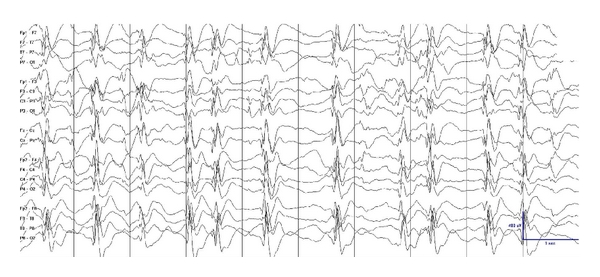
The EEG tracing during sleep in POCS shows continuous wave activity, characterized by beta and gamma waves. This distinct pattern differs from the typical activity of deep sleep, which is dominated by delta waves.
Clinical Course
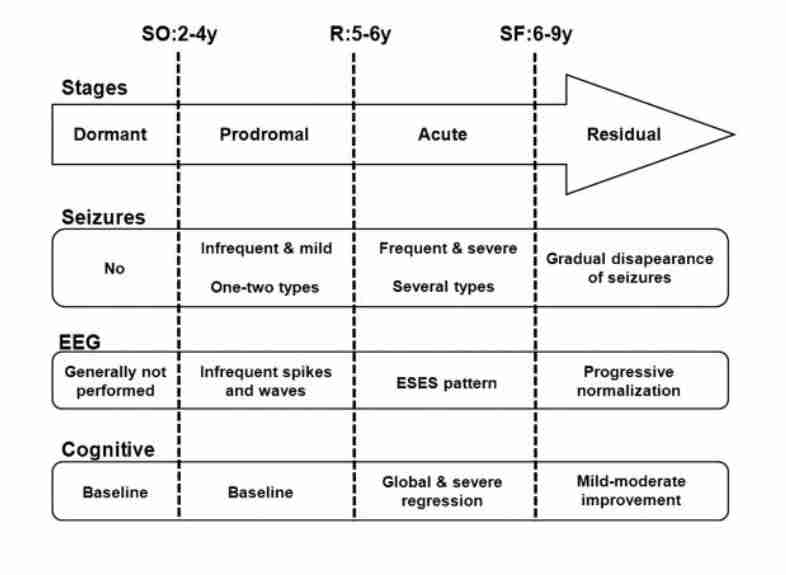
The clinical course of POCS is generally progressive, with an initial stage of normal development followed by a decline in intellectual level and development. Sensory aphasia can manifest as difficulties understanding and responding to verbal languages.
Diagnosis and Treatment
The diagnosis of POCS is based on clinical evaluation, EEG tracing during sleep, and the evolution of the clinical course. Treatment may include anti-seizure medications such as valproate or lamotrigine, as well as cognitive-linguistic therapies to improve aphasic skills.
Patients Association
There are POCS patient associations that provide information and support to those affected. One of these is the Epileptic Encephalopathy with POCS Association (http://sindromepocs.org), which offers educational resources and a community to share experiences.