
Neurodevelopment and mathematics: a clinical vision
The use of mathematical tools in neurodevelopment allows for more precise evaluation, especially through analysis of trajectories over time.
Keys to development: domains and trajectories
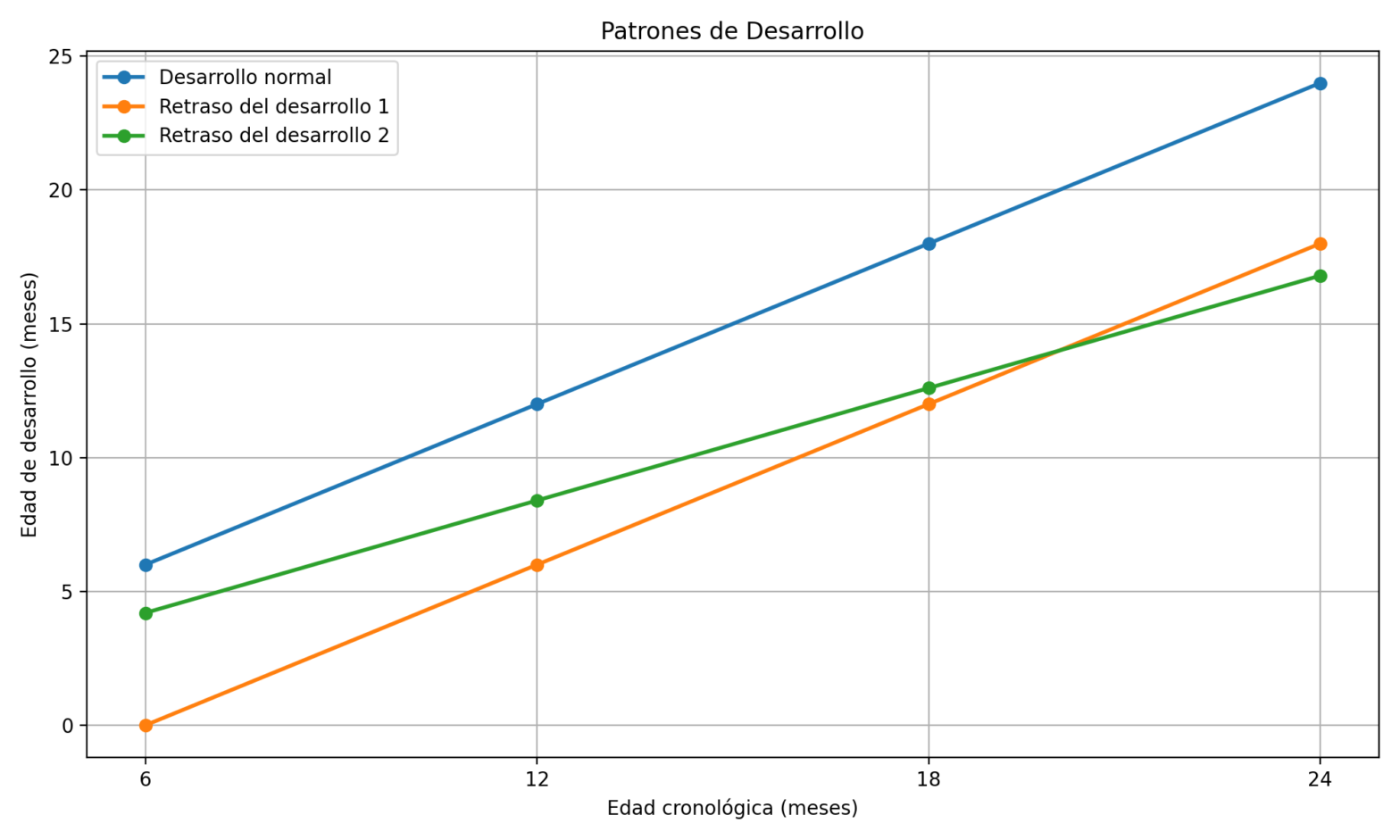
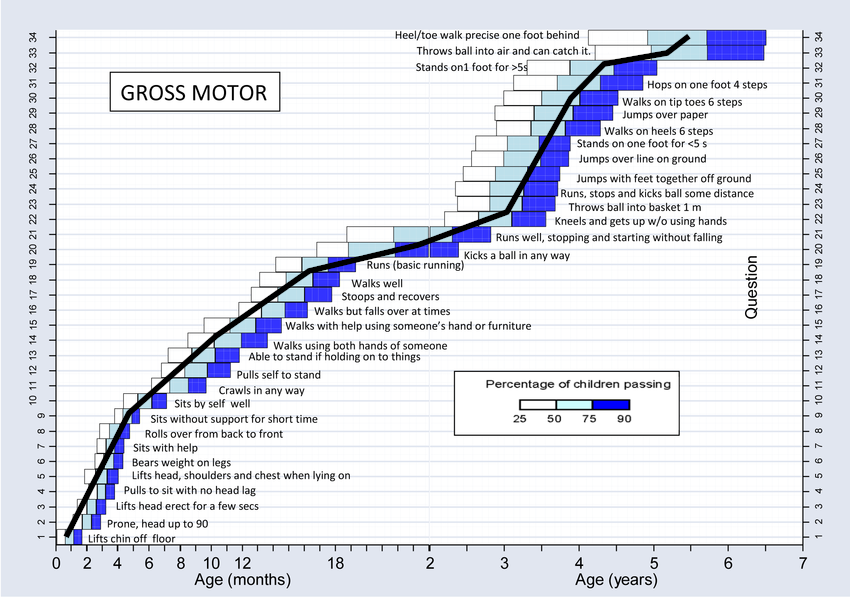
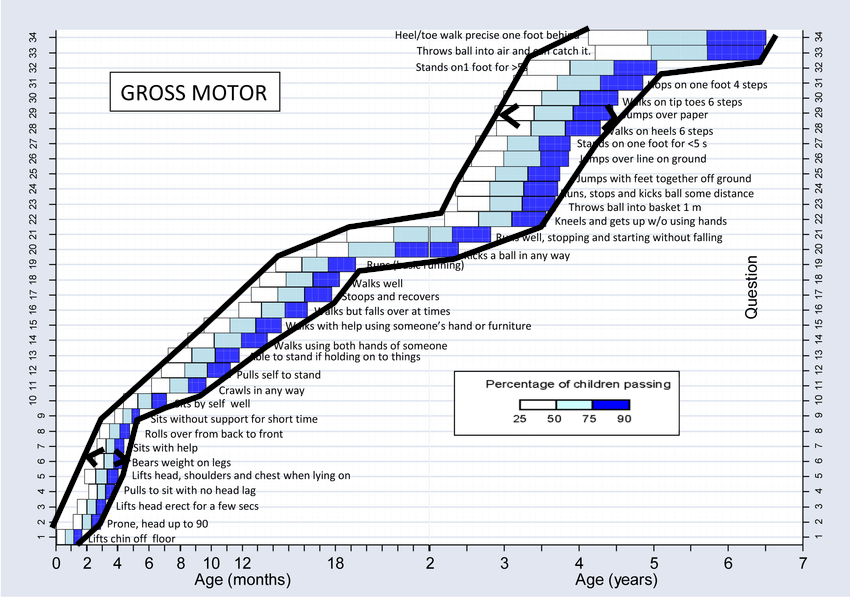
Development is evaluated in interdependent domains: motor, linguistic, social-emotional. Its evolution is not linear, but with accelerations and decelerations.
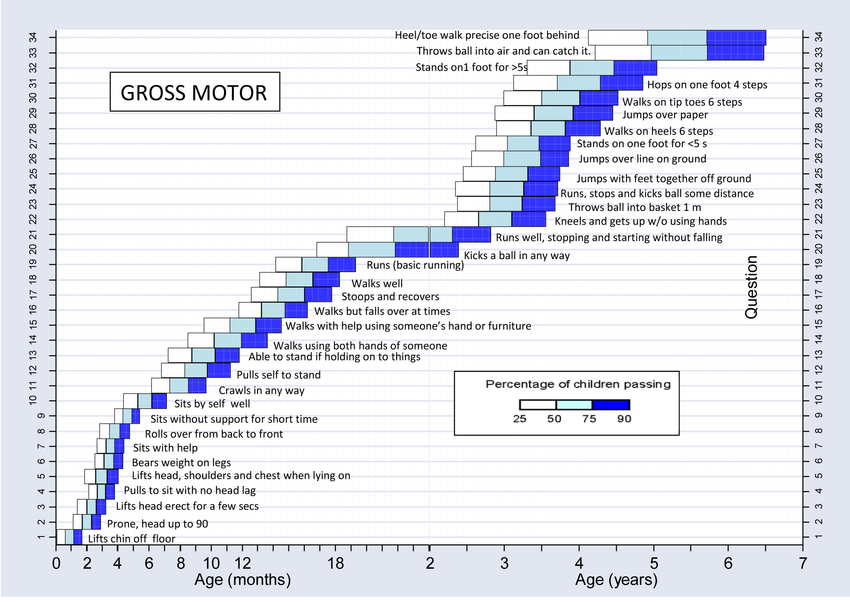
Developmental trajectories are more informative than isolated measures. The shape of the trajectory, not a single value, allows prediction.
Use of derivatives: velocity and acceleration
The derivative of 1st order (velocity) and 2nd order (acceleration) allow atypical patterns to be detected:
- normal speed: development follows a path parallel to the average.
- Acceleration: progressive improvement (catch-up).
- Deceleration or stagnation: risk of increasing delay.
- Regression: change in the direction of development (serious prognosis).

Scientific basis and limitations
Mathematical models require longitudinal data and empirical validation. Early prediction is limited, especially for mild disorders.
Studies indicate that combinations of:
- Evaluate evolutionary milestones
- Systematic neurological examination
- Movement quality assessment
They improve the prediction of neurological disorders, especially in high-risk infants.
Keys to the sources
• Ansari (2009): Adult neuropsychological models do not apply directly to development; Longitudinal methods are needed to understand changes in numerical cognition.
• Heineman & Hadders-Algra (2008): The most predictive tools are neurological examination, milestone tracking, and assessment of motor patterns. Early predictions are limited.
• Martínez & Matamoros (2023): Early detection of neuropsychological risks requires comprehensive evaluation and early intervention programs.
Conclusion: neurodevelopment is not judged by a measurement, but by the evolution of its patterns.





| Starting point | Network error | Acceleration or deceleration | Development path | Prognostic hypothesis |
| Normal | Normal | No | Normal | Good |
| Delayed | Normal | No | Developmental delay with trajectory parallel to normality | Good |
| Delayed | Greater than normal | No | Developmental delay with catch up | Good |
| Normal or delayed | Less than normal | No | Developmental delay that progressively increases the offset | Bad |
| Normal | Normal | Deceleration | Development arrest | Bad |
| Delayed | Normal | Acceleration | Developmental delay with catch up | Good |
| Lack of speed | Stagnation phenomenon | very bad | ||
| Acceleration reversal | Regression phenomenon | Very bad |
| absolute value | Network error | Acceleration | |
| absolute value | Absolute value-absolute value: Is early stimulation related to an improvement in a developmental assessment? | ||
| Network error | Absolute value-velocity. Is the intensity of early stimulation related to the speed of neurodevelopmental change? | Speed-speed. Is there a correlation between the speed of change in the intensity of early stimulation with the speed of change in neurodevelopment? | |
| Acceleration | There is the intensity of early stimulation related to changes in the speed of development (acceleration). | Acceleration-velocity. Is there a correlation between the speed of change in the intensity of early stimulation with the rate of change in the speed of development (acceleration)? | Acceleration-acceleration |
🔗 View linked resource: Mathematics applied to the assessment of neurodevelopment.
🔗 View linked resource: Mathematics applied to the assessment of neurodevelopment.
🔗 View linked resource: Mathematics applied to the assessment of neurodevelopment.