Author archives: Alberto Alcantud
Pericentric and paracentric inversions.
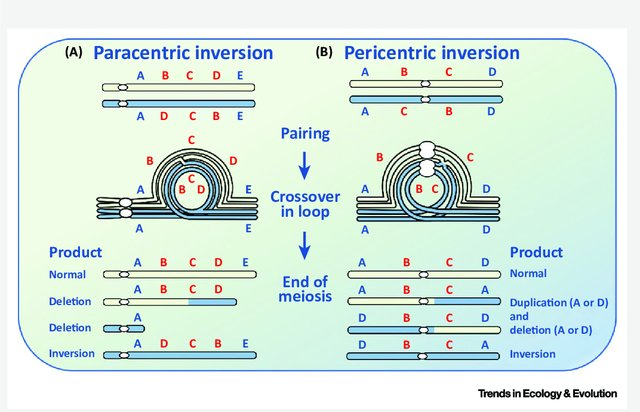
Pericentric and Paracentric Inversions Chromosome inversions are structural anomalies in which a segment of the chromosome is broken and reinserted in an inverted direction (180 degrees): Pericentric Inversion: The inverted segment includes the centromere. There is a risk of giving rise to unbalanced gametes with duplications and partial deletions after meiotic crossing-over, which can…
Continue reading «Inversiones pericéntricas y paracéntricas.»
Pediatric dentistry in special patients.
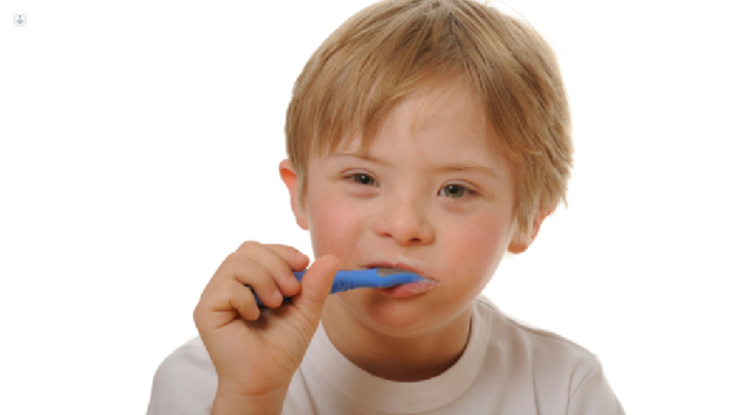
Dental Clinic of the University of Valencia. Red Cross Dental Clinic.
Classification of epilepsies of the ILAE Task Force.

Transmissible epilepsy and development.
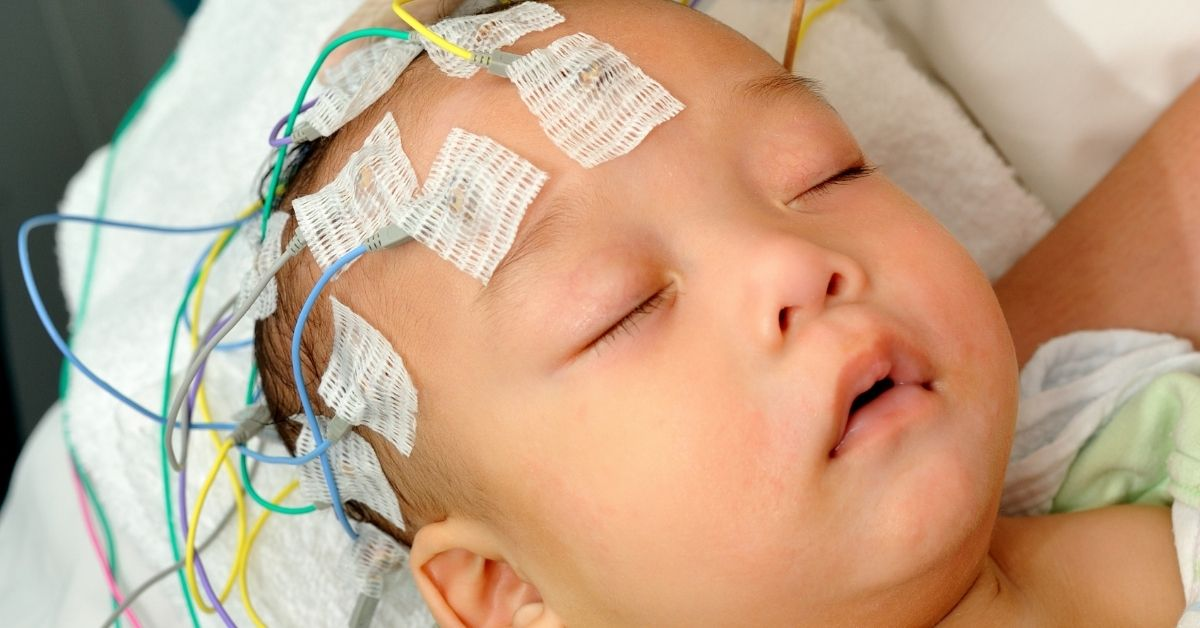
Beyond the ion channel.
"De novo" mutations.
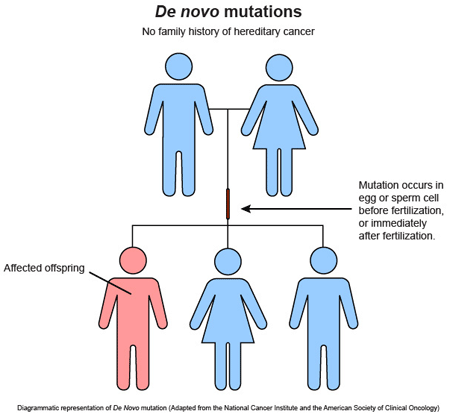
In recent years, "de novo" mutations, those not inherited from either parent, have gained special relevance in pediatric neurology, for several reasons:
When to suspect a genetic disease?
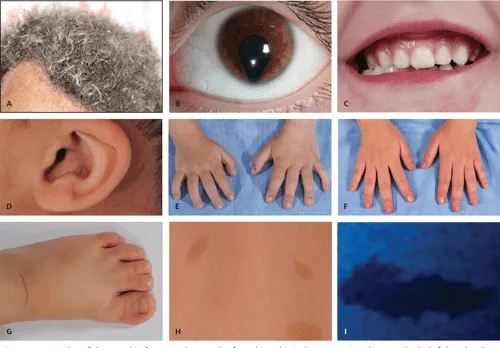
Diagnostic suspicion is based on 3 pillars: There are several diagnostic strategies, which can be grouped into:
When do you suspect an error congenital metabolism?
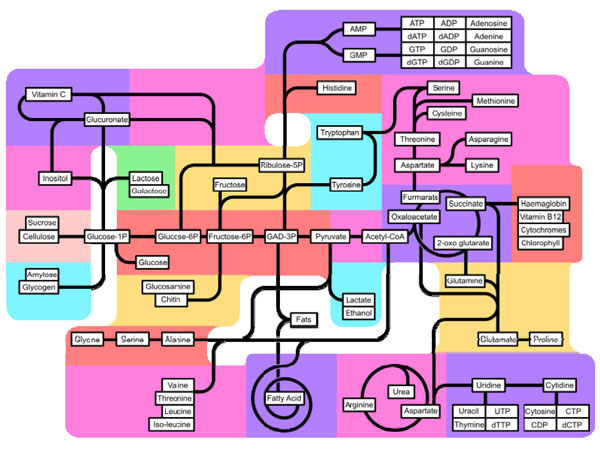
Inborn errors of metabolism are diseases usually of autosomal recessive inheritance (although there are some of X-linked inheritance), and in some cases they are susceptible to curative treatment, which is why it is important to identify them early.
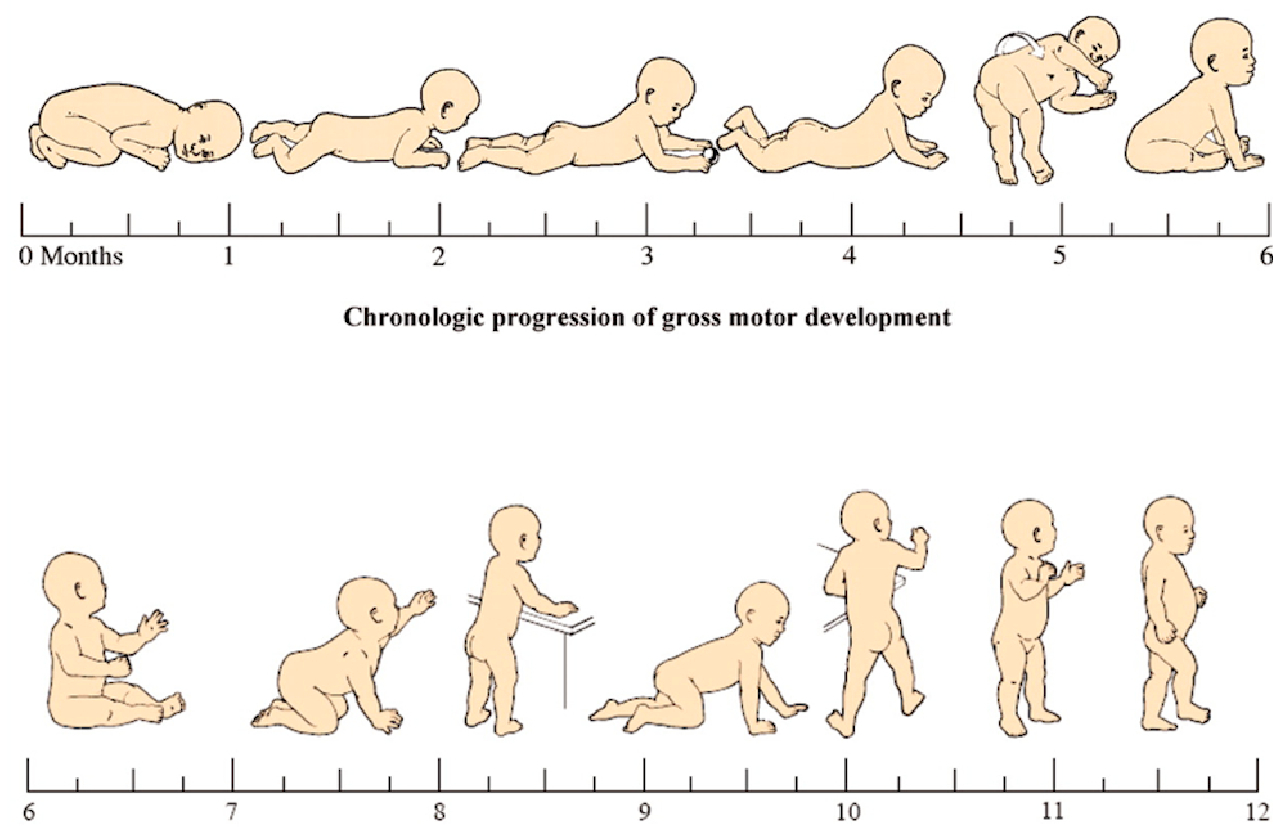
Motor development.
Redhead

Hair colour can be a biomarker of some diseases (hypopigmentation), so it is important to know the geographical distribution of some clinical traits with a genetic basis.