
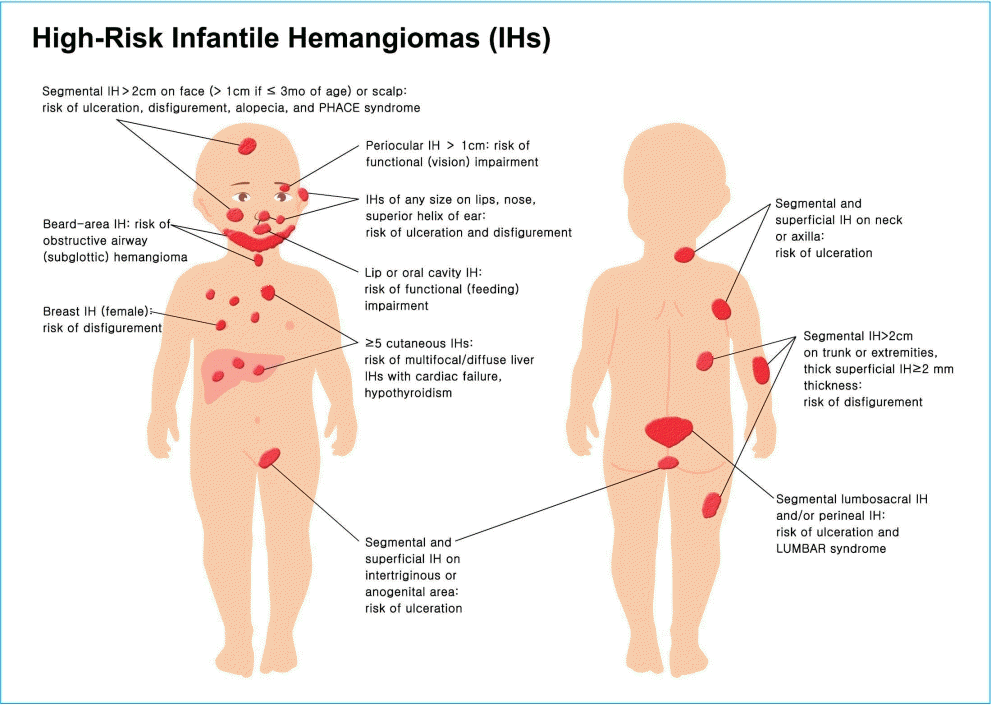
Infantile Hemangioma Infantile hemangioma is the most common benign vascular tumor in pediatric age. It is typically not present at birth, but manifests in the first weeks of life as an erythematous macule that progresses to a bright red raised lesion. Clinical Phases Proliferative Phase: Rapid growth during the first 5...
Category archives: Neurocutaneous
Redhead

Hair colour can be a biomarker of some diseases (hypopigmentation), so it is important to know the geographical distribution of some clinical traits with a genetic basis.
Exploration neurocutaneous.
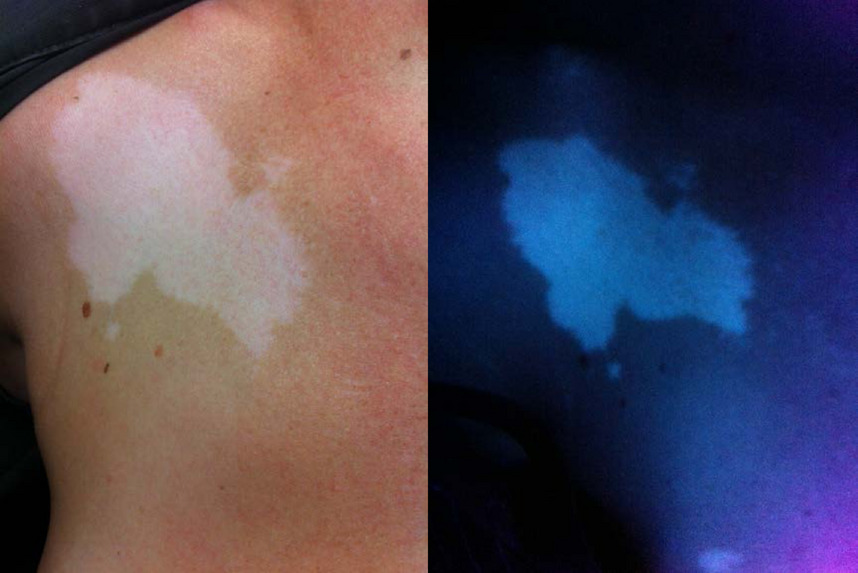
Tuberous Sclerosis.

Esclerosis Tuberosa La esclerosis tuberosa es una enfermedad neurocutánea caracterizada por una afectación significativa del sistema nervioso central (SNC) y un aumento del riesgo de padecer tumores y afectación de otros órganos. Fenotipo Temprano La esclerosis tuberosa puede manifestarse tempranamente con diversas alteraciones, como las visualizadas en las imágenes 1 y 2 (Figuras 1 y …
Pigmentary disorders and neuropediatrics.

Mosaicism and child neurology.
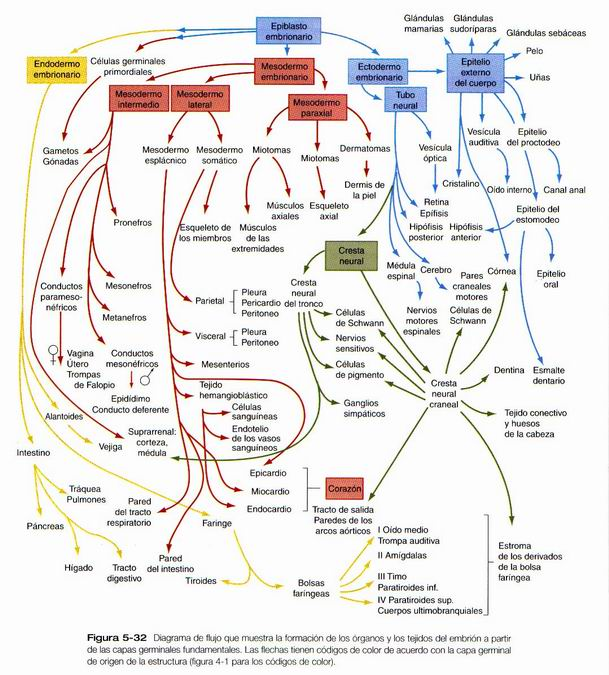
Neurocristopathies: Embryology and neurodevelopment.
Neuroichthyosis.

Neurocutaneous syndromes.
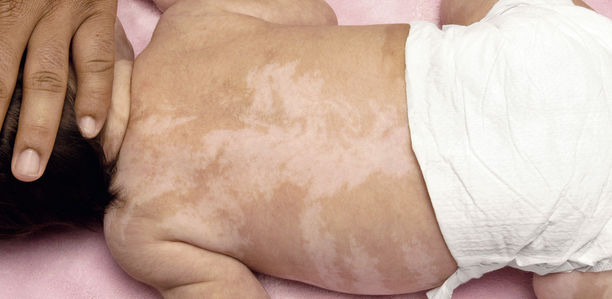
Aplasia cutis congenita. Nevus sebaceous of Jadassohn. Epidermal nevus. Schimmelpenning-Feuerstein-Mims syndrome. Pringle-Bourneville syndrome (tuberous sclerosis). Neurofibromatosis type 1 (von Recklinghausen). Incontinentia pigmenti. Congenital melanocytic nevus. Neurocutaneous melanosis. Xeroderma pigmentosum. Cockayne syndrome. Ehlers-Danlos syndrome. Klippel-Trenaunay-Weber syndrome. Proteus syndrome. Sjögren-Larsson syndrome. Sturge-Weber syndrome. Blue rubber bleb nevus syndrome. Incontinentia pigmenti …
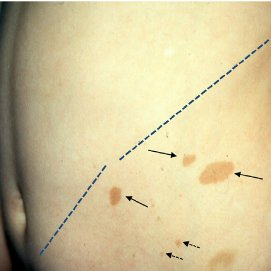
Neurofibromatosis type 1.

Association of Patients affected by Neurofibromatosis.