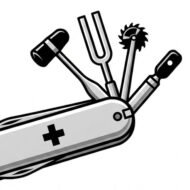

Congenital Muscular Dystrophies (CMD) Congenital muscular dystrophies constitute a genetically heterogeneous group of hereditary myopathies characterized by progressive muscle weakness and dystrophic findings in muscle biopsy present from birth or early childhood. Main Classification Merosin Deficiency (LAMA2-RD): Caused by mutations in the LAMA2 gene. It presents with marked hypotonia and delay…
Category archives: Neuromuscular
M-wave, H-wave, F-wave.

Concepts of Nerve Conduction: M Wave, H Wave and F Wave In the study of electromyography (EMG) and nerve conduction velocity, these three waves represent different physiological responses to electrical stimulation: M Wave: It is the direct motor response obtained by stimulation of the motor axon. It represents the direct orthodromic depolarization of the fibers...
Newborn screening for SMA.
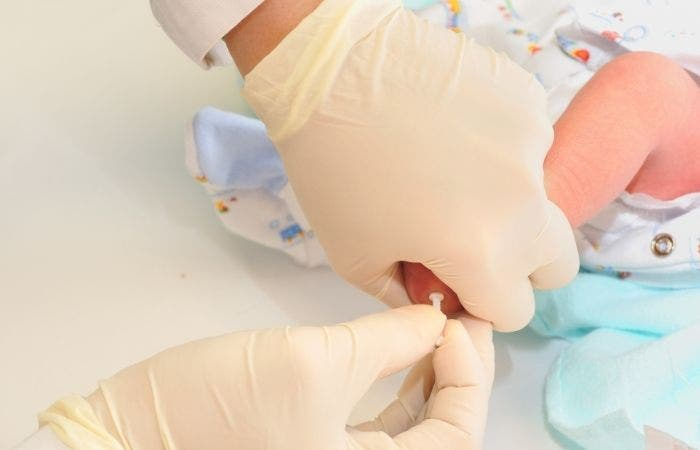
https://www.iislafe.es/es/sociedad/noticias/3163/la-fe-pondra-en-marcha-un-programa-piloto-de-cribado-neonatal-para-detectar-la-atrofia-muscular-espinal
Familial spastic paraparesis.
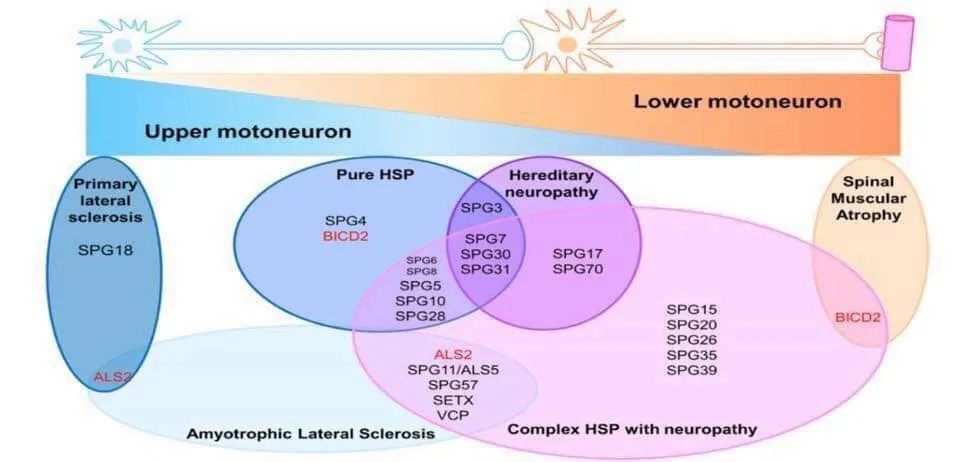
https://www.frontiersin.org/articles/10.3389/fmolb.2021.690899/full
Patterns of neuropathic involvement.
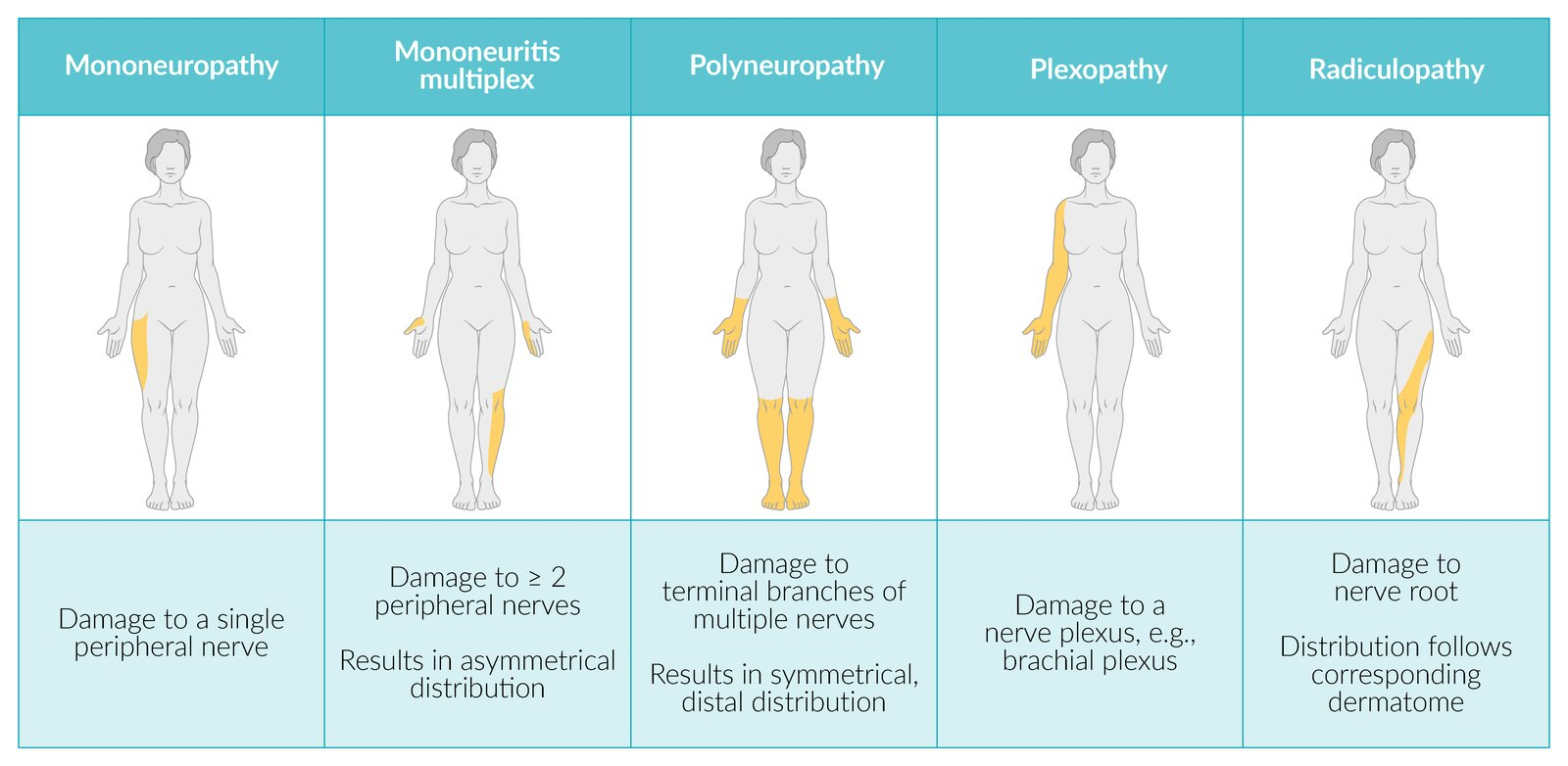
Electromyographic Patterns of Neuropathic Affectation The electrophysiological study helps to differentiate the underlying cause of weakness by identifying whether the nerve involvement is demyelinating or axonal: Axonal Pattern: It is characterized by a marked reduction in the amplitude of motor (CMAP) and sensory (SNAP) action potentials, with normal nerve conduction velocities or only...
Weakness patterns in muscle diseases.
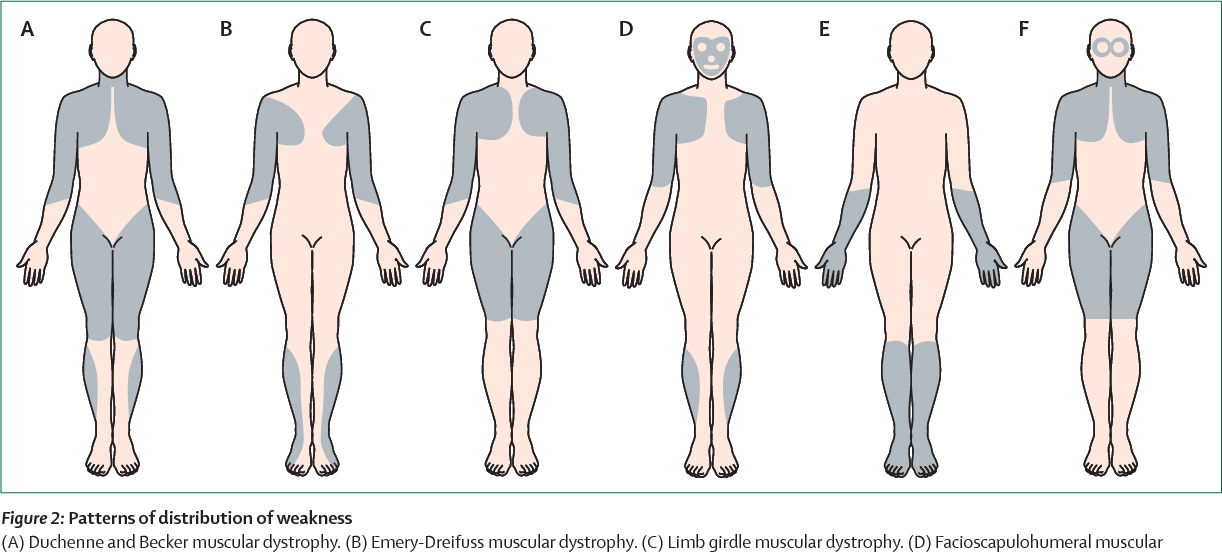
Dyke-Davidoff-Masson syndrome.
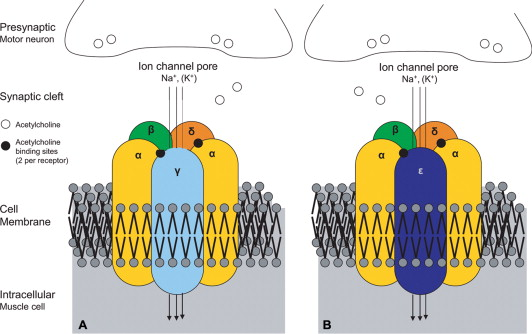
Transient neonatal myasthenia is a rare complication of maternal myasthenia gravis. Around 10-15% of children born to mothers with anti-acetylcholine receptor (AChR) antibodies, and less frequently anti-muscle-specific kinase (MuSK). Symptoms are usually apparent from the 3rd day of life, and in almost all cases …
Continue reading «Miastenia congénita y trastorno por inactivación de AChR fetal.»
Exon deletion tool.
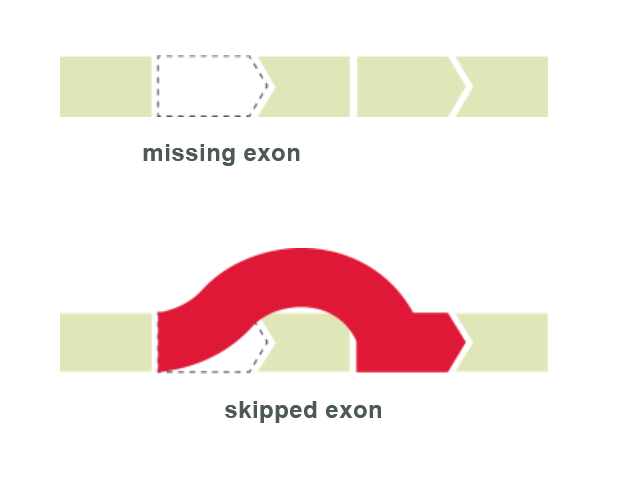
This is an online calculator to determine whether a specific intragenic deletion is a candidate for exon-skipping therapy.
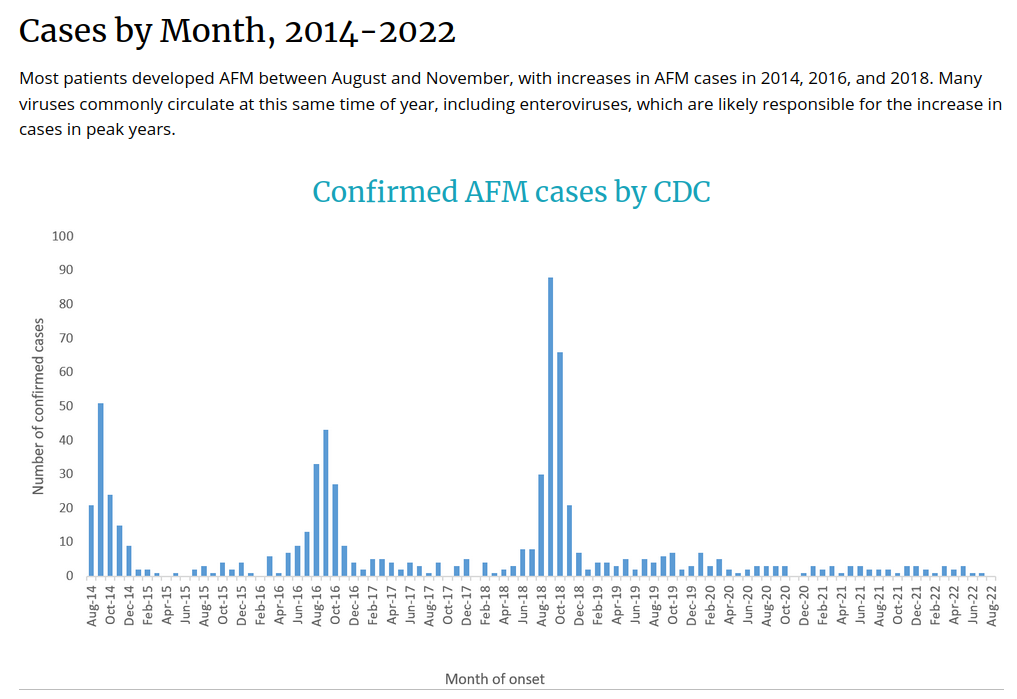
Acute flaccid myelitis (polio-like).
Child Muscle Weakness
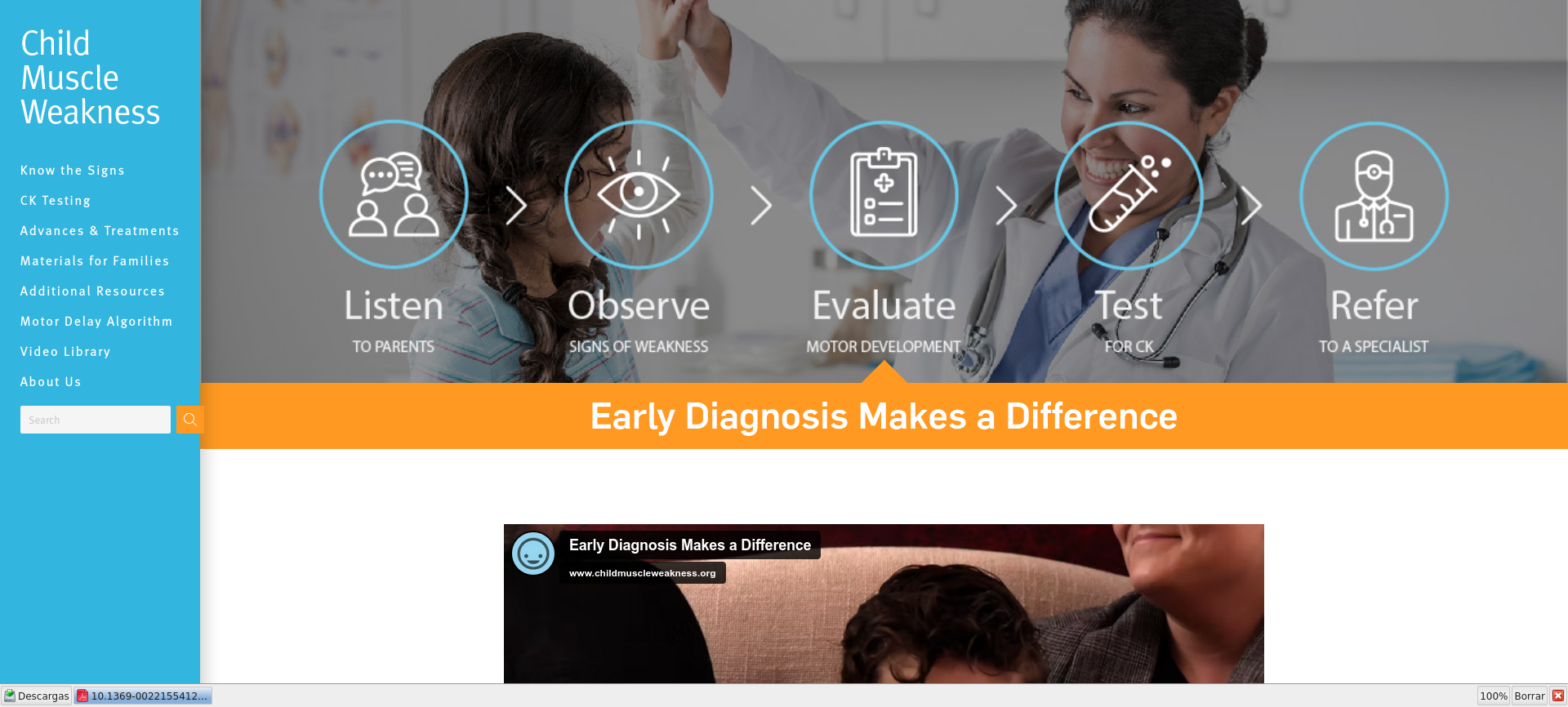
On the Child Muscle Weakness website, a detection algorithm and training videos for the identification of neuromuscular symptoms in the pediatric age can be found.