
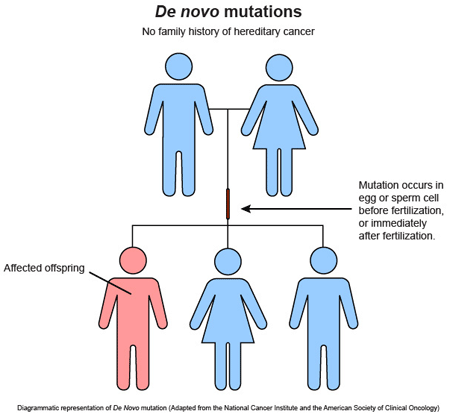
In recent years, "de novo" mutations, those not inherited from either parent, have gained special relevance in pediatric neurology, for several reasons:
Category archives: Complementary investigations
When to suspect a genetic disease?
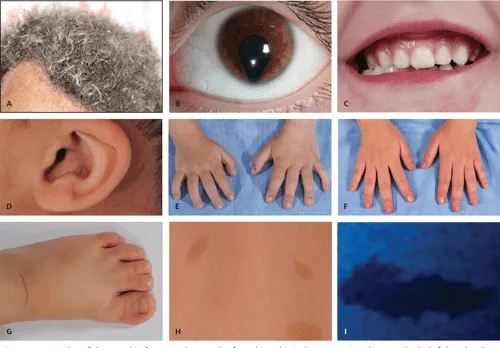
Diagnostic suspicion is based on 3 pillars: There are several diagnostic strategies, which can be grouped into:
Cognitive assessment of ADHD.

Cognitive assessment of the child.

In clinical practice we have 2 main strategies to obtain information about a child's cognitive functioning.
Genetic dystonias with "curative" treatment.

Diagnostic criteria for neonatal hypoxic-ischemic encephalopathy.
Cromatinopatías.
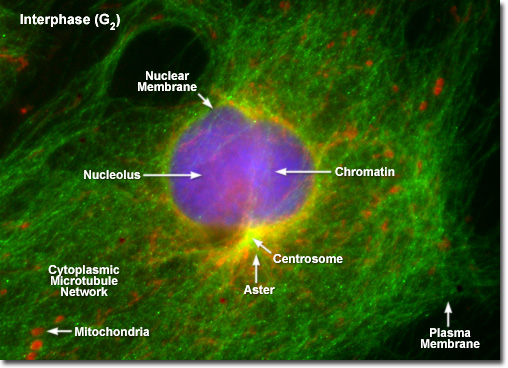
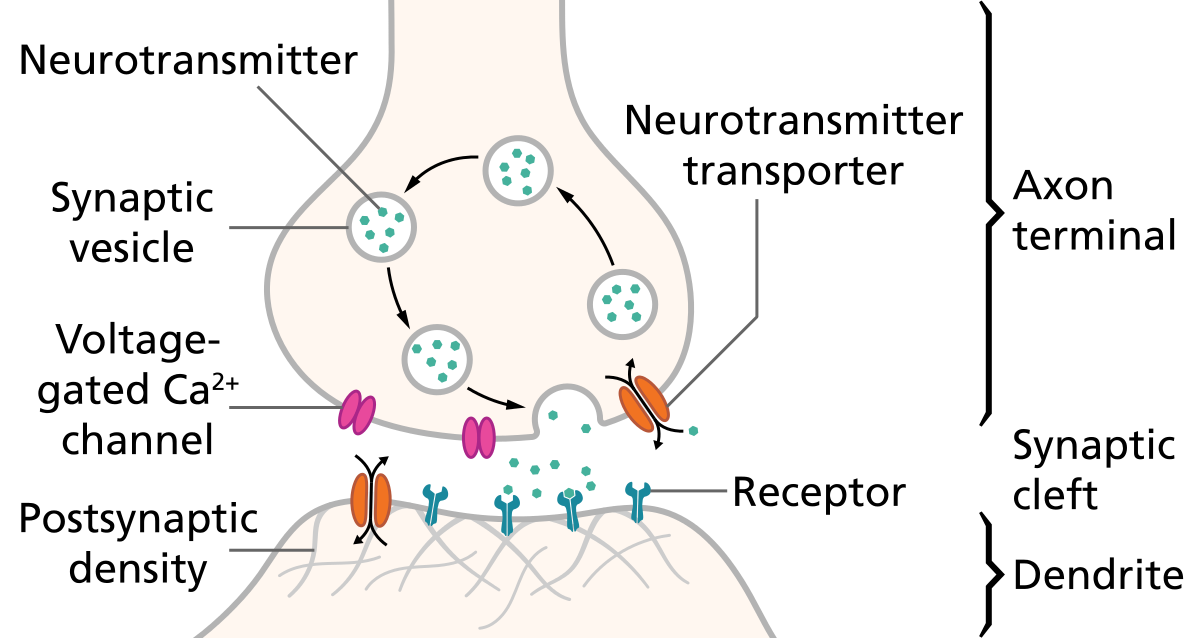
Sinaptopatías.
The comorbid diagnosis of ASD and ID requires that social communication be below what is expected for the general developmental level (Criterion E of DSM-5). The clinical differentiation between both entities in young children or those with severe disability is particularly complex, requiring a multidisciplinary approach and systematic phenotypic refinement.
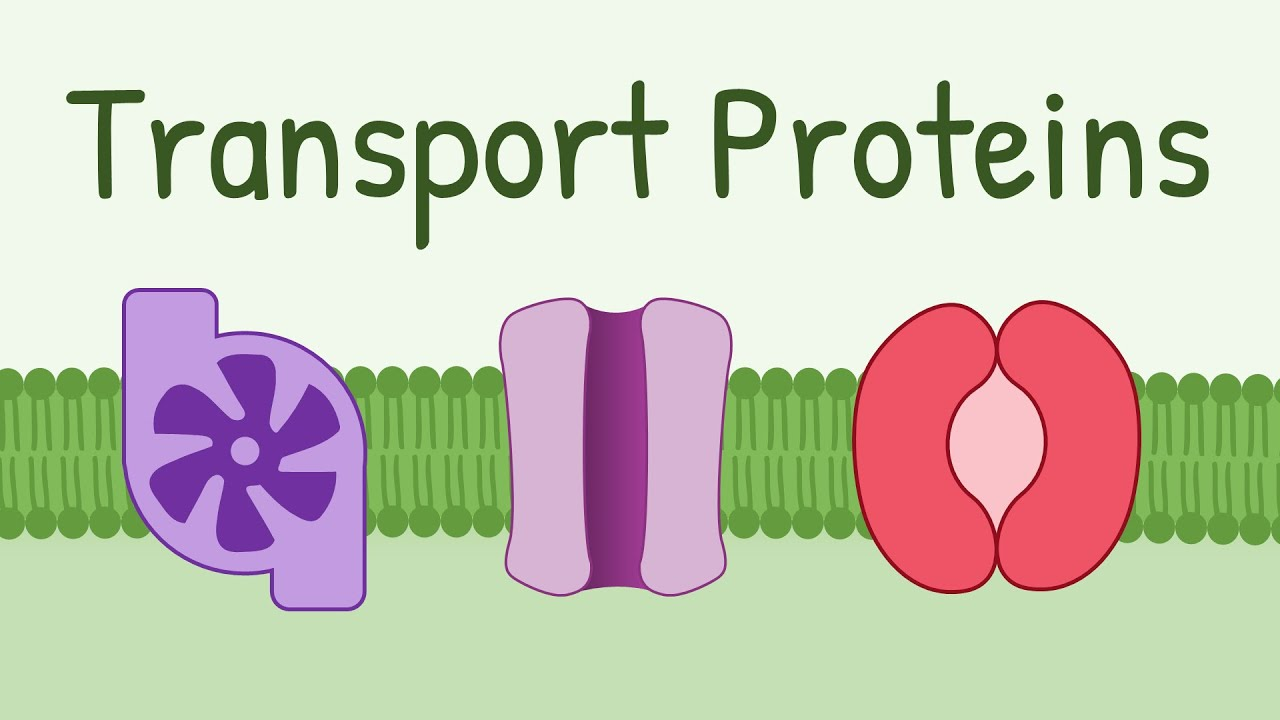
SLC, solute carriers
The prevalence of ASD in individuals with ID is higher than in the general population, and its precise identification is fundamental for designing a specific therapeutic plan.
In cis.

{332710:GSPGSS3E};{332710:HSPJSS3A};{332710:7QAVS6AS}
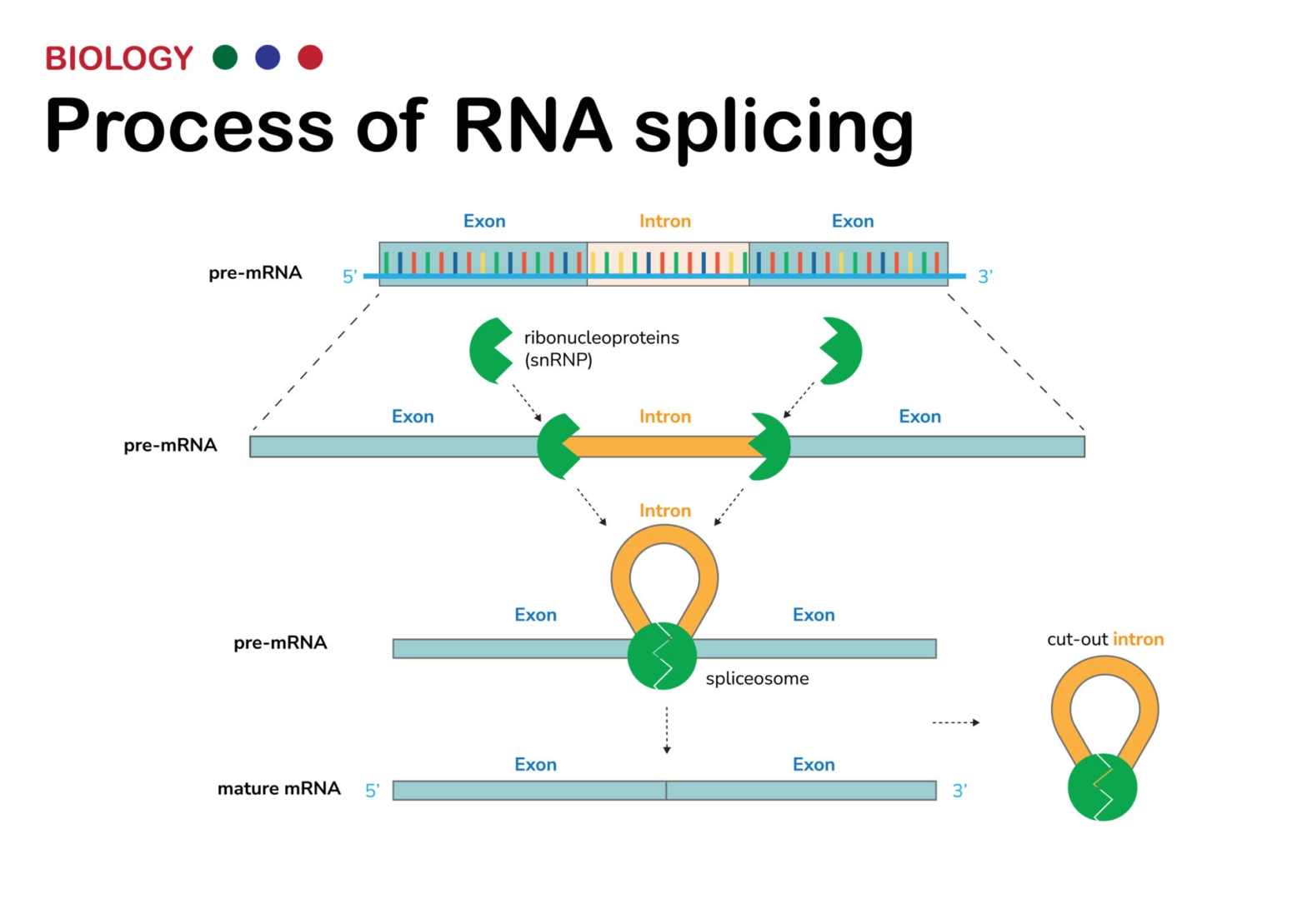
Spliceopathies.
Embedded from Autism spectrum disorder.