Category archives: Complementary investigations
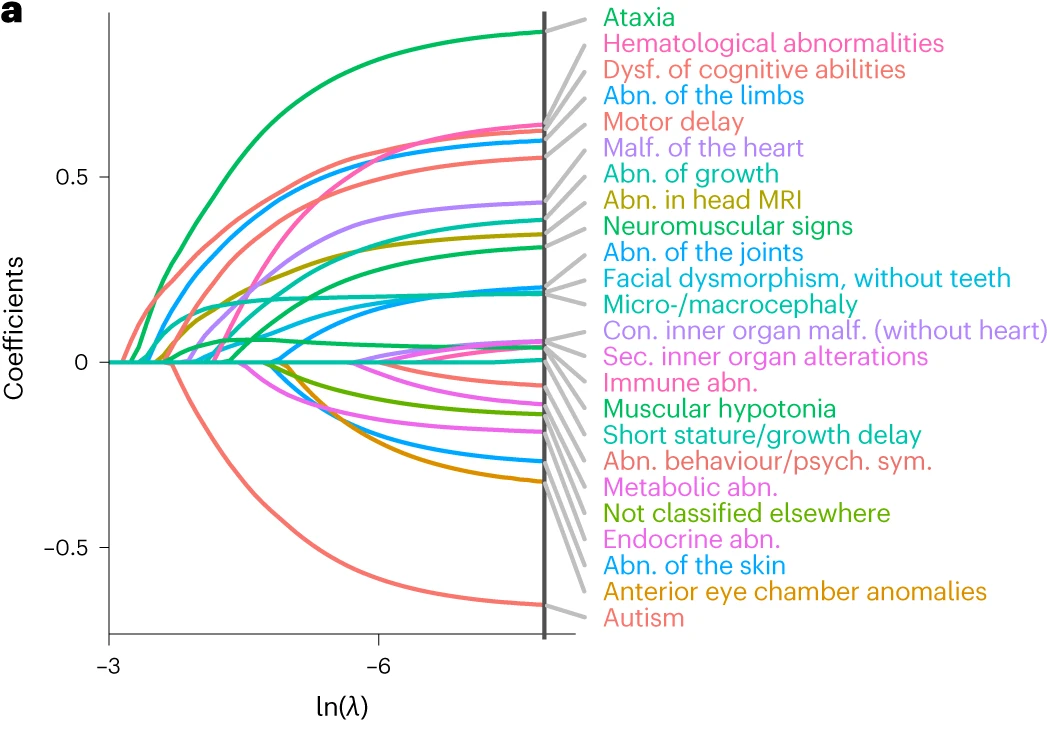
Symptoms that increase the probability of diagnosis in NGS (yield).
Next-generation sequencing (NGS) studies present variable diagnostic yields depending on the clinical characteristics of the patient. Certain symptoms and phenotypic findings have been consistently associated with a higher likelihood of obtaining a definitive genetic diagnosis. These include intellectual disability, multiple congenital malformations, early-onset epilepsy, disorders...
Continue reading «Síntomas que incrementan la probabilidad de diagnóstico en NGS (yield).»
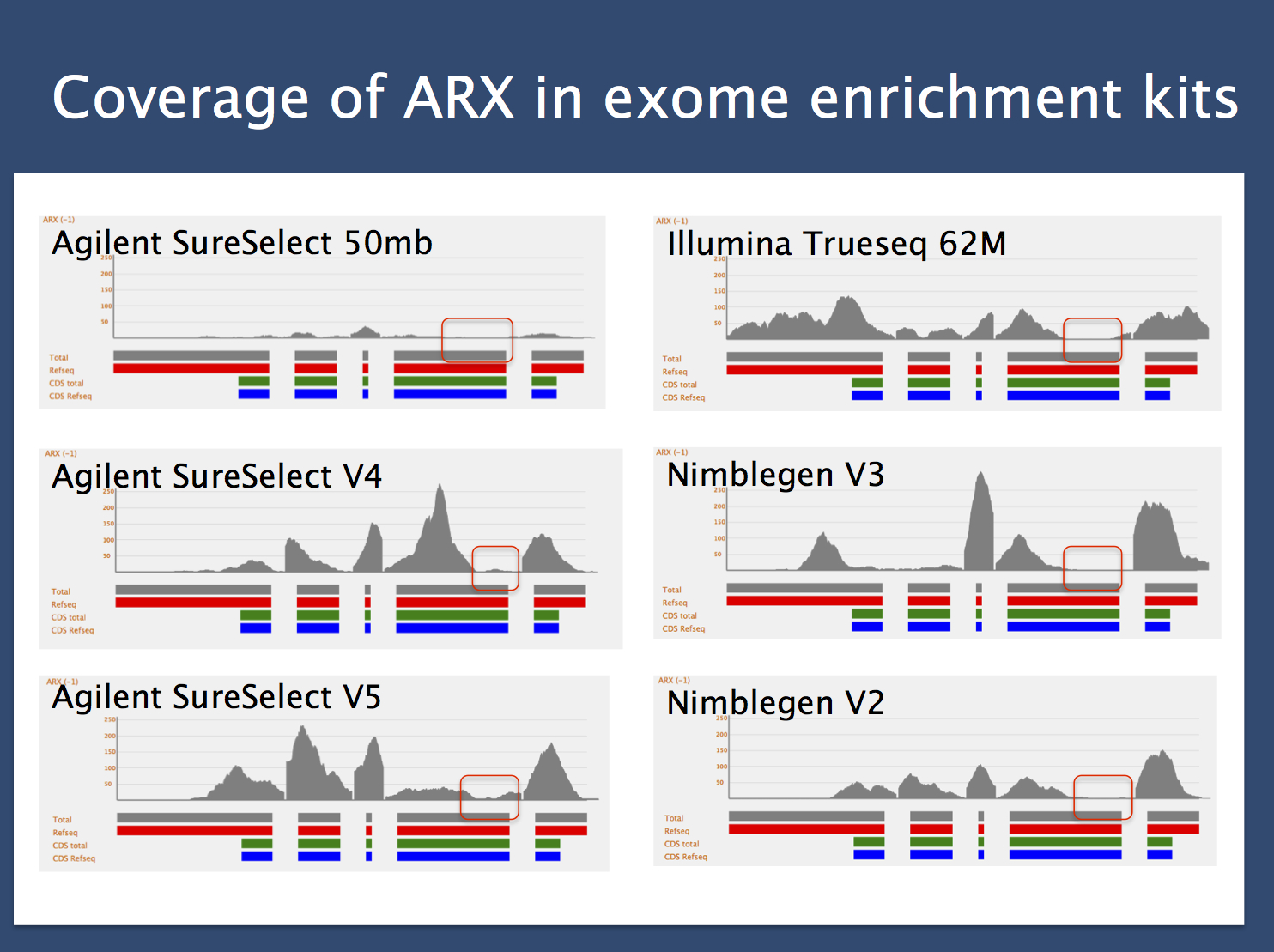
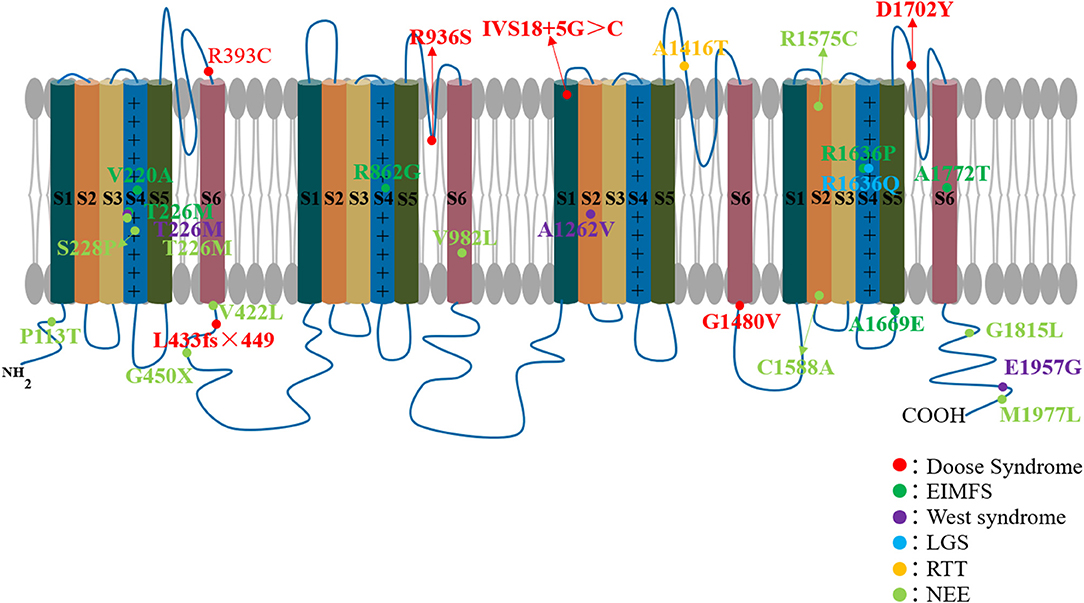
ARX gen.
CdL facial phenotypes.
Facial Phenotypes in Cornelia de Lange Syndrome (CdLS) Cornelia de Lange syndrome (CdLS) is associated with a characteristic facial dysmorphic pattern that facilitates its clinical diagnosis: Synophridia: Very well-defined eyebrows, arched and united in the midline, along with unusually long eyelashes. Nasal anomalies: Short nose with depressed nasal bridge,…
Malformations of cortical development.
Malformations of Cortical Development (CDM) Malformations of cortical development represent a broad group of structural abnormalities of the brain caused by the interruption of the biological processes of cell proliferation, neuronal migration or cortical organization during embryogenesis. Classification by Affected Stage Proliferation/Differentiation Anomalies: Microcephaly, megalencephaly, focal cortical dysplasia type II. Migration Anomalies…
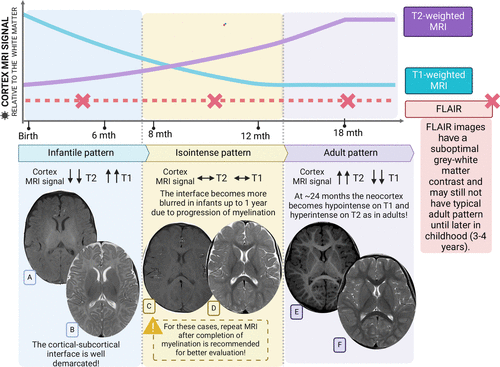
Basic neuroradiology for neuropediatricians.
Timing for performing MRI studies: Depending on age, there are different particularities and limitations: Age Justification for repetition 2 years…
Continue reading «Neurorradiología básica para neuropediatras.»
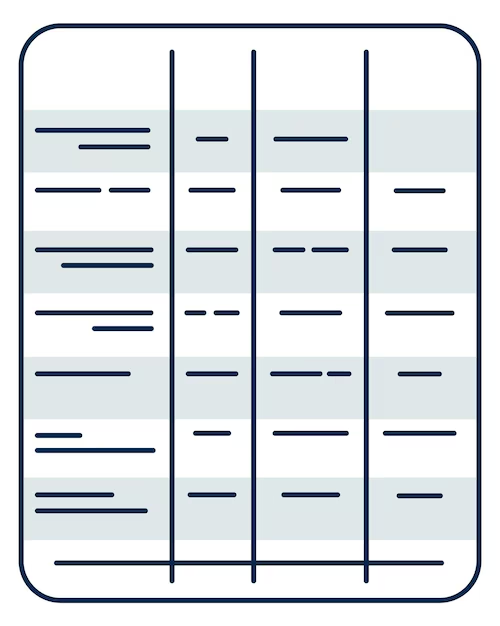
Table of diseases in genereviews.
SCNx database.
https://scn-portal.broadinstitute.org
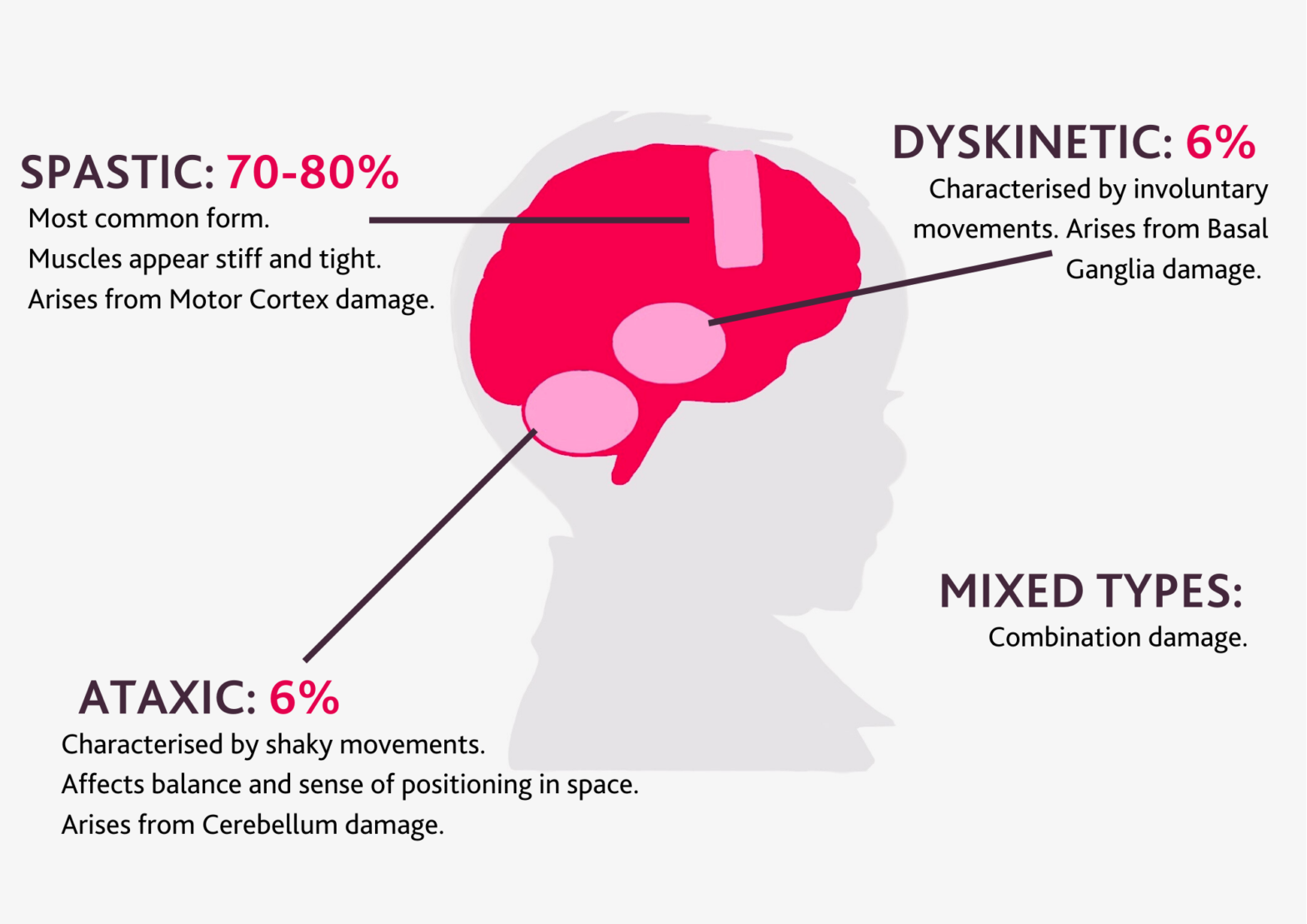
Clinical indicators of genetic PCI.
Table 2. Overview of Indicators for Genetic Cerebral Palsy Strong Moderate Possible 1.Dyskinesia2.Absence of spasticity3.Consanguinity∗4.Positive family history∗ 1. Intellectual disability2. Absence of preterm birth3. No unilateral symptoms 1. Absence of perinatal risk factors2. Visual impairment3. Microcephaly ∗ Well-known genetic indicator; comparison with reference population was not possible because it was not reported in cerebral palsy literature.
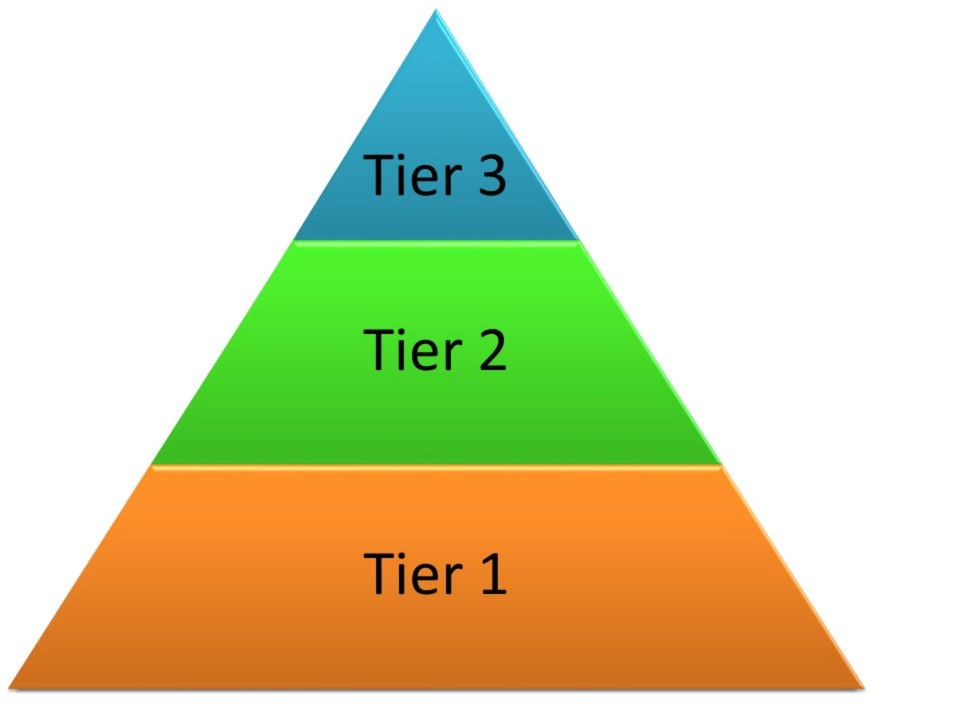
Clinical exome, first tier?
Technological evolution in genomics has a very fast speed and clinical guidelines become obsolete with respect to usual clinical practice, so that professionals frequently find themselves with questions that are difficult to answer. Much has happened since the 2003 AAN guidelines, in which it was proposed as the first step...