

Consanguinity is the degree of blood relationship between two people (kinship). There are various degrees of consanguinity. It is a risk factor for genetic diseases, particularly autosomal recessive ones (when to suspect a metabolopathy, especially those that have curative treatment?).
Category archives: Complementary investigations
Metabolic diseases are linked to X.
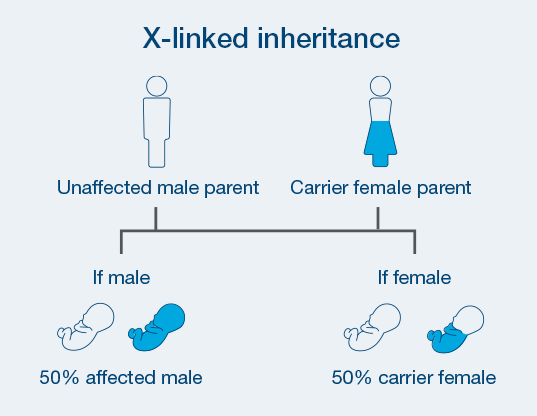
Most inborn errors of metabolism are autosomal recessive diseases. However, there are some exceptions. For a complete list of all X-linked diseases, you can consult OMIM.
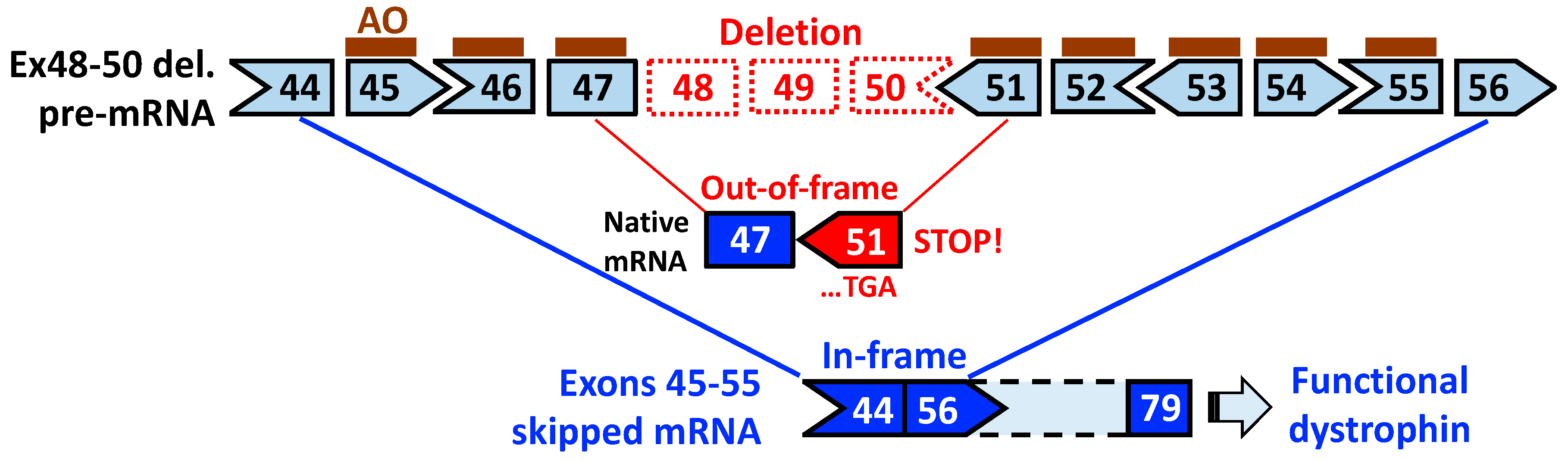
Exon deletion tool.
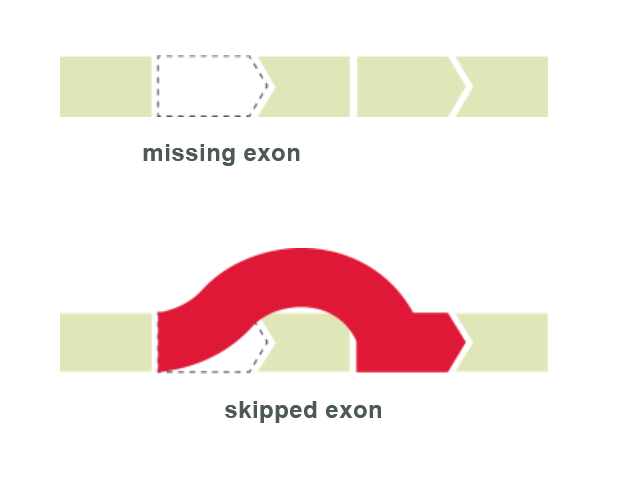
This is an online calculator to determine whether a specific intragenic deletion is a candidate for exon-skipping therapy.
Deep intronic mutations.
Massive exome sequencing, as the most cost-efficient strategy in the genetic diagnosis of monogenetic Mendelian diseases, has a limitation imposed by its own design: it does not include the sequencing of intronic regions. It is already possible to carry out massive sequencing of the entire genome, but nevertheless, bioinformatics technologies and scientific accumulation…
Gross deletions intragenic (exon-level deletions).
Pulling the rope. What to do when a diagnosis is not reached.

We are evaluating a child with a neurodevelopmental disorder in whom we suspect a genetic cause because they present suggestive findings (e.g., associated multiple congenital malformations). We performed an aCGH which was normal. We also performed a clinical exome (mendeliome) which did not provide information …
Continue reading «Estirando de la cuerda. Cuando el diagnóstico no llega a la primera.»
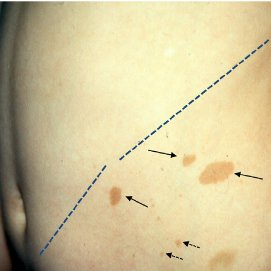
Mosaicism and child neurology.
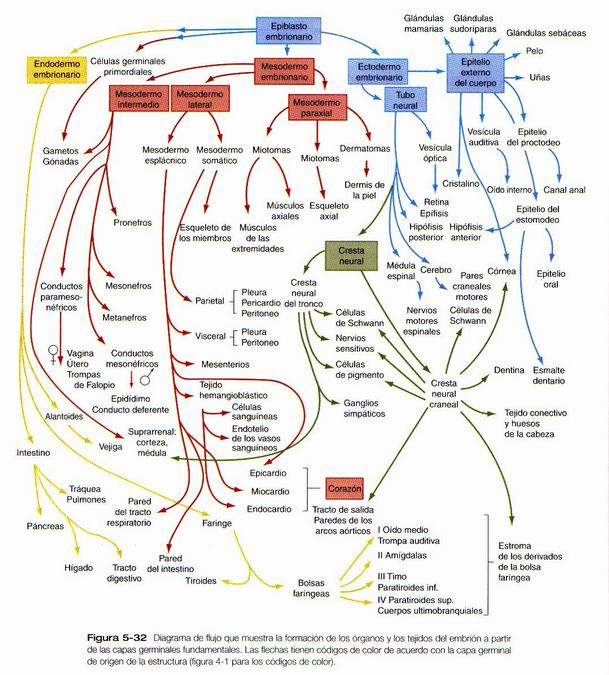
Neurocristopathies: Embryology and neurodevelopment.
Criteria of realization of aCGH.
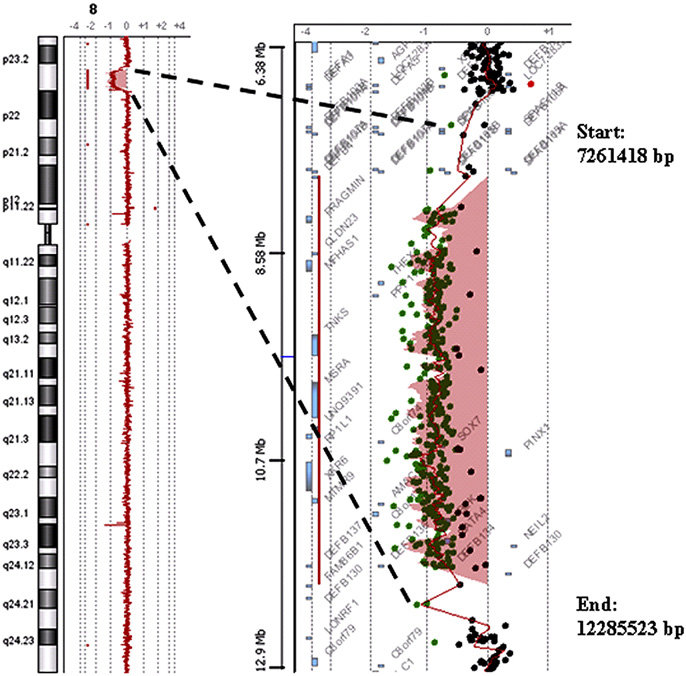
Comparative genomic hybridization array (aCGH) is the first-choice complementary genetic exploration in children with global developmental delay/intellectual disability and/or multiple congenital malformations, according to AAP, AAN, ISCA, and ACMG clinical guidelines. 1. Moeschler JB, Shevell M; Committee on Genetics Comprehensive evaluation of the child with intellectual disability …
Genetic technologies:
What are the different genetic technologies used for? What type of mutations is each technique capable of detecting?