
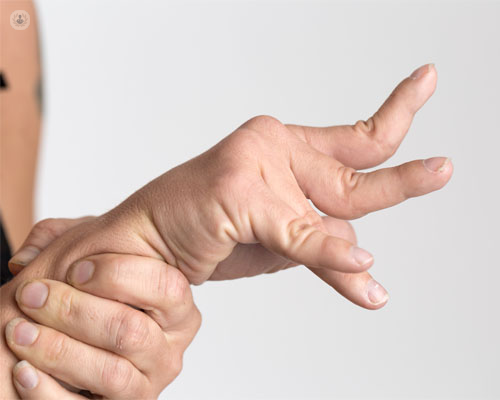
Modified Ashworth Scale for Spasticity The modified Ashworth scale is a fundamental clinical tool to qualitatively measure increased muscle tone (spasticity) through resistance to passive movement of a joint. This scale allows health professionals to evaluate and document the degree of spasticity in pediatric patients. Diagnostic Criteria 0: …
Category archives: Clinical guide
Motor scales in neuropediatrics.
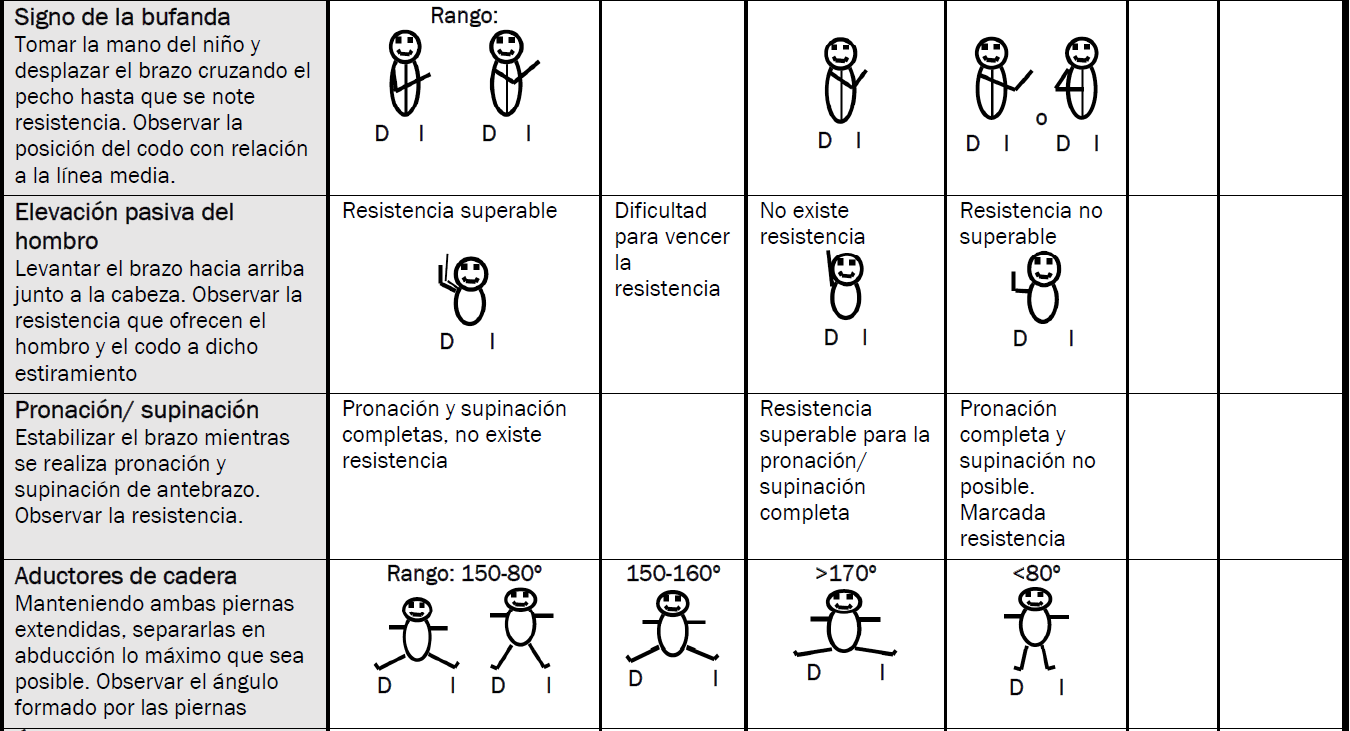
Minimental Children.

General movements.
HINE (Hammersmith).
HNNE (Hammersmith).
https://www.mackeith.co.uk/es/hammersmith-neurological-examinations/hammersmith-neurological-examinations-subscriber-content/additional-languages/
Yale scale.
Yale Scale The Yale Scale is a tool used to evaluate the level of anxiety and stress in children and adolescents. This scale consists of questions that address different aspects of the patient's emotional state, such as fear of separation, fear of the dark, generalized anxiety, social anxiety, specific anxiety (such as phobia of heights or...
PedNIHSS

How to understand a report of sequencing.

Sequencing results reports are complex documents full of alphanumeric data that are difficult to understand without general bases to help us interpret them. We usually focus on the final conclusion, that is, the finding of a specific genetic variant and its interpretation of pathogenicity, is the most clinically relevant piece of information, but...
Continue reading «Cómo entender un informe de secuenciación.»
Disease linked to the X of special relevance neurogenetics.
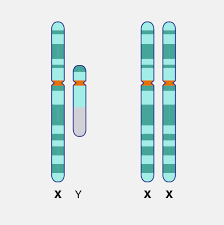
Patrón de Herencia Ligada al X Recesiva La frecuencia de indivíduos enfermos es mucho mayor entre hombres que entre mujeres. Los hombres transmiten el alelo enfermo a todas sus hijas, pero todas las hijas serán sanas. Una portadora heterocigota transmitirá el alelo al 50% de sus hijos (que serán enfermos) así como al 50% de …
Continue reading «Enfermedades ligadas al X de especial relevancia neurogenética.»