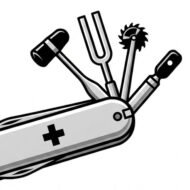
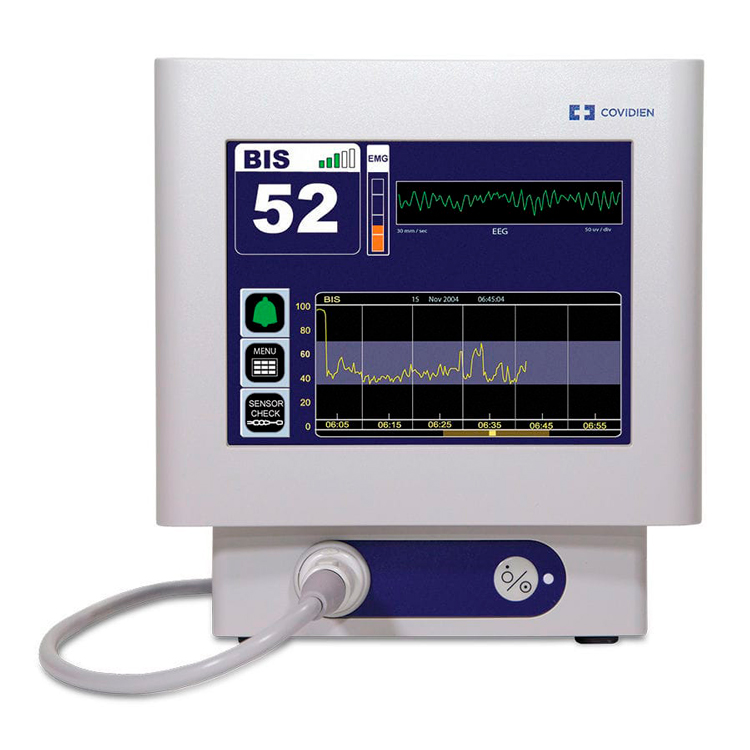
BIS Monitor (Bispectral Index) The BIS Monitor, known as Bispectral Index, is a tool used in monitoring consciousness and monitoring neurological status during surgeries and invasive procedures. This index provides information about brain activity by measuring the optical reflectance of the skin. Diagnostic Criteria The BIS is…
Category archives: Clinical guide
Optokinetic nystagmus.
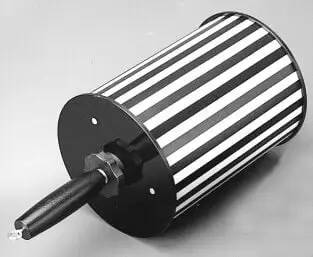
Optokinetic Nystagmus Optokinetic nystagmus (OKN) is an ocular reflex that consists of involuntary eye movements in response to the mobility of the visual environment. This phenomenon includes a slow phase of eye movement in the direction of the stimulus followed by a fast phase in the opposite direction. When performed in the office, the…
Clinical indicators of genetic PCI.

Clinical Indicators of PCI Genetics Table 2. Summary of Indicators for Cerebral Palliacy Genetics Moderate Strong Possible 1. Dyskinesia2. Absence of spasticity3. Consanguinity∗4. Positive family history∗ 1. Intellectual disability2. Absence of premature birth3. No unilateral symptoms 1. Absence of perinatal risk factors2. Altered vision3. Microcephalus ∗ Known genetic indicator; comparison with the reference population…
Nirsevimab in pediatric neurology.
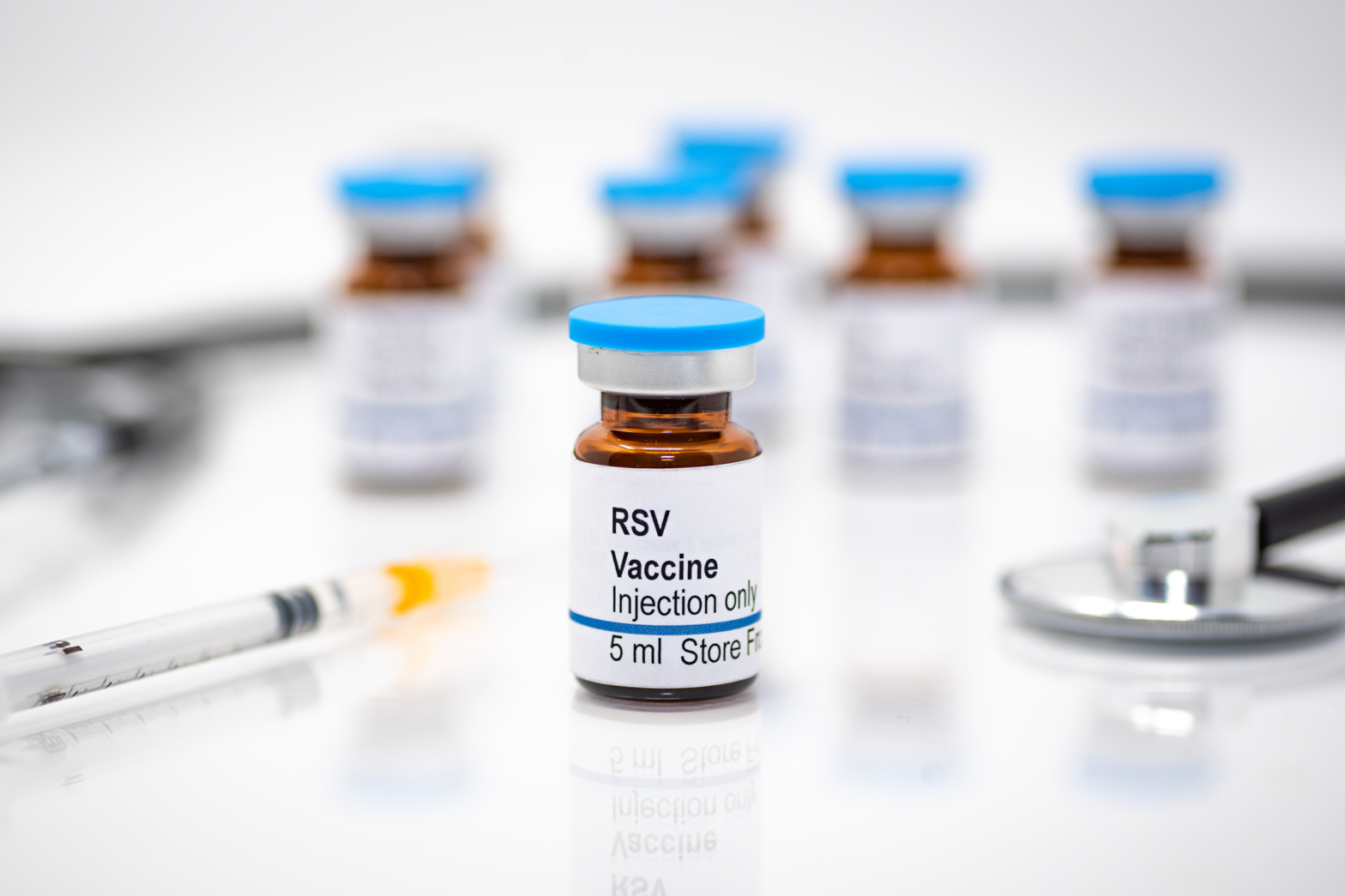
Indications for Nirsevimab Treatment in Pediatric Neurology Nirsevimab is an intravenous immunoglobulin used to prevent severe viral respiratory infections, such as the common cold and flu. Its use can be extended beyond universal immunization of the newborn, replacing the indications for palivizumab in certain neurological conditions. Indications…
GMFCS E&R.

Clinical Guideline on GMFCS E&R The Global Motor Function Classification System (GMFCS) is a system used to classify the severity of motor disability in children with neurological disorders. The Evaluation and Recommendations (E&R) System complements the GMFCS by providing more detailed and practical guidance. Diagnostic Criteria The GMFCS diagnostic criteria are…
BFMF fine motor scale PCI

BFMF PCI Fine Motor Scale The BFMF (Bimanual Fine Motor Function) is an instrument used to evaluate fine motor function in children with neurological disabilities. This scale allows a detailed evaluation of bimanual motor skills, which is crucial for the diagnosis and treatment of disorders such as Down syndrome,…
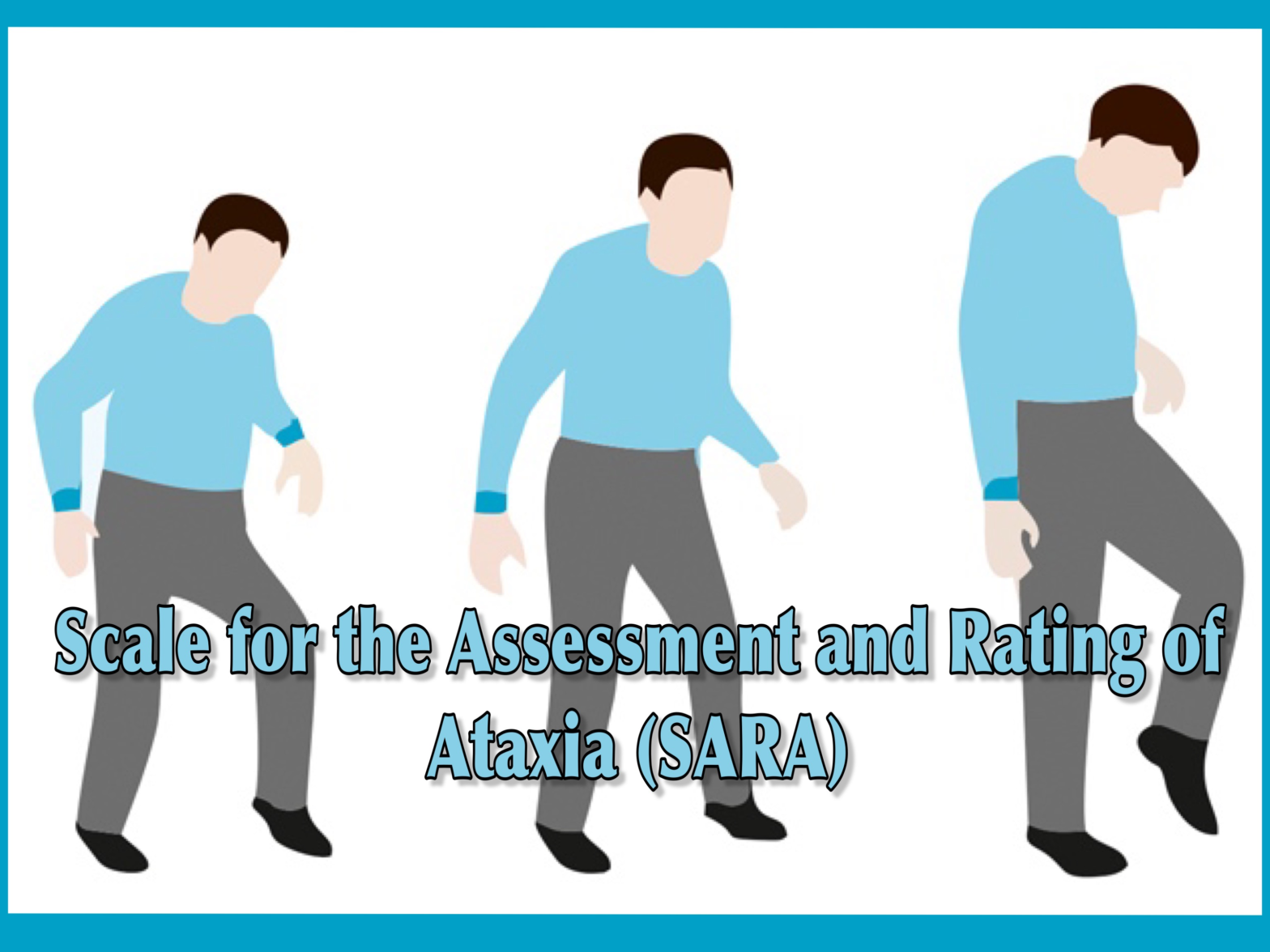
SARA scale ataxias
Clinical exome, first tier?
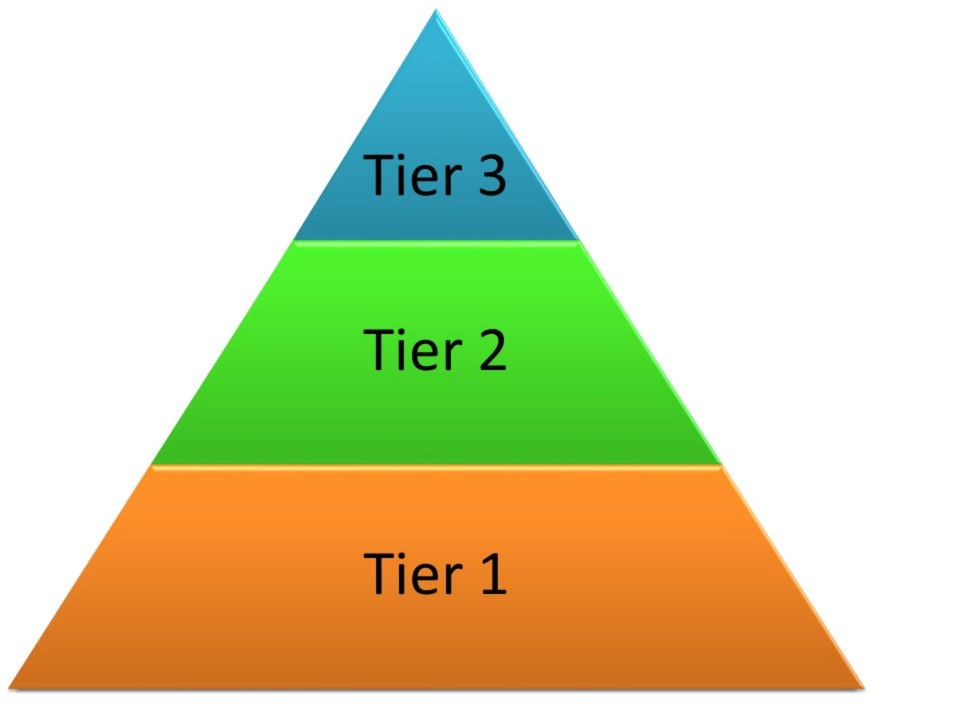
Technological evolution in genomics has a very fast speed and clinical guidelines become obsolete with respect to usual clinical practice, so that professionals frequently find themselves with questions that are difficult to answer. Much has happened since the 2003 AAN guidelines, in which it was proposed as the first step...
Do animals have autism?

The diagnosis of autism is based on the presence of 2 dimensions of symptoms: Rómulo is the oldest male white rhinoceros (Ceratotherium simum) of the four specimens that lived in the park and the most endearing for Valencians, who have been able to see him first in Viveros and later in Bioparc. He was born in 1979 in England. …
ACMG pathogenicity criteria.
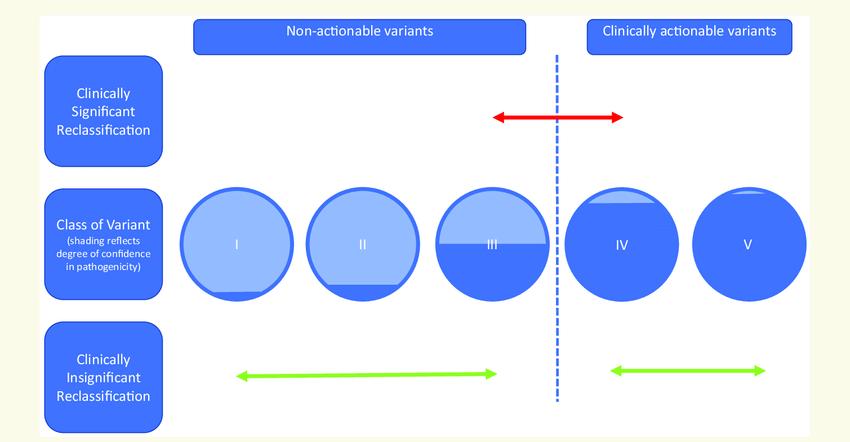
ACMG (American College of Medical Genetics and Genomics) Pathogenicity Criteria The criteria established by the ACMG and the AMP (Association for Molecular Pathology) guide the classification and clinical interpretation of genetic variants identified in molecular studies. These criteria are fundamental to ensure that treatment and follow-up decisions are based on…