Отсутствие кровное родство Это степень кровного родства между двумя людьми (родства). Существуют различные степени родства. Это фактор риска генетических заболеваний, особенно аутосомно-рецессивный (¿когда можно заподозрить нарушение обмена веществпрежде всего те, которые имеют лечебное лечение?).

Коэффициент инбридинга.

Существует коэффициент инбридинга и коэффициент родства), что позволяет рассчитать вероятность гомозиготности на основе происхождения или сделать вывод о наличии кровного родства на основе степени гомозиготности, которую можно идентифицировать в массивах SNP (серии гомозиготности). Это может привести к разоблачению кровосмесительных и оскорбительных отношений.

19955111 {19955111:ZV5M3KGG} 1 Ванкувер 50 по умолчанию 3485 https://neuropediatoolkit.org/wp-content/plugins/zotpress/
%7B%22status%22%3A%22success%22%2C%22updateneeded%22%3Afalse%2C%22instance%22%3Afalse%2C%22meta%22%3A%7B%22request_last%22%3A0%2C%22request_next%22%3A0%2C%22used_cache%22%3Atrue%7D%2C%22data%22%3A%5B%7B%22key%22%3A%22ZV5M3KGG%22%2C%22library%22%3A%7B%22id%22%3A19955111%7D%2C%22meta%22%3A%7B%22creatorSummary%22%3A%22Schaaf%20et%20al.%22%2C%22parsedDate%22%3A%222011%22%2C%22numChildren%22%3A1%7D%2C%22bib%22%3A%22%26lt%3Bdiv%20class%3D%26quot%3Bcsl-bib-body%26quot%3B%20style%3D%26quot%3Bline-height%3A%201.35%3B%20%26quot%3B%26gt%3B%5Cn%20%20%26lt%3Bdiv%20class%3D%26quot%3Bcsl-entry%26quot%3B%20style%3D%26quot%3Bclear%3A%20left%3B%20%26quot%3B%26gt%3B%5Cn%20%20%20%20%26lt%3Bdiv%20class%3D%26quot%3Bcsl-left-margin%26quot%3B%20style%3D%26quot%3Bfloat%3A%20left%3B%20padding-right%3A%200.5em%3B%20text-align%3A%20right%3B%20width%3A%201em%3B%26quot%3B%26gt%3B1.%26lt%3B%5C%2Fdiv%26gt%3B%26lt%3Bdiv%20class%3D%26quot%3Bcsl-right-inline%26quot%3B%20style%3D%26quot%3Bmargin%3A%200%20.4em%200%201.5em%3B%26quot%3B%26gt%3BSchaaf%20C%2C%20Scott%20D%2C%20Wiszniewska%20J%2C%20Beaudet%20A.%20Identification%20of%20incestuous%20parental%20relationships%20by%20SNP-based%20DNA%20microarrays.%20The%20Lancet%20%5BInternet%5D.%202011%20%5Bcited%202021%20Apr%2018%5D%3B377%289765%29%3A555%26%23x2013%3B6.%20Available%20from%3A%20%26lt%3Ba%20class%3D%26%23039%3Bzp-ItemURL%26%23039%3B%20href%3D%26%23039%3Bhttps%3A%5C%2F%5C%2Flinkinghub.elsevier.com%5C%2Fretrieve%5C%2Fpii%5C%2FS0140673611602018%26%23039%3B%26gt%3Bhttps%3A%5C%2F%5C%2Flinkinghub.elsevier.com%5C%2Fretrieve%5C%2Fpii%5C%2FS0140673611602018%26lt%3B%5C%2Fa%26gt%3B%26lt%3B%5C%2Fdiv%26gt%3B%5Cn%20%20%26lt%3B%5C%2Fdiv%26gt%3B%5Cn%26lt%3B%5C%2Fdiv%26gt%3B%22%2C%22data%22%3A%7B%22itemType%22%3A%22journalArticle%22%2C%22title%22%3A%22Identification%20of%20incestuous%20parental%20relationships%20by%20SNP-based%20DNA%20microarrays%22%2C%22creators%22%3A%5B%7B%22creatorType%22%3A%22author%22%2C%22firstName%22%3A%22Cp%22%2C%22lastName%22%3A%22Schaaf%22%7D%2C%7B%22creatorType%22%3A%22author%22%2C%22firstName%22%3A%22Da%22%2C%22lastName%22%3A%22Scott%22%7D%2C%7B%22creatorType%22%3A%22author%22%2C%22firstName%22%3A%22J%22%2C%22lastName%22%3A%22Wiszniewska%22%7D%2C%7B%22creatorType%22%3A%22author%22%2C%22firstName%22%3A%22Al%22%2C%22lastName%22%3A%22Beaudet%22%7D%5D%2C%22abstractNote%22%3A%22%22%2C%22date%22%3A%2202%5C%2F2011%22%2C%22section%22%3A%22%22%2C%22partNumber%22%3A%22%22%2C%22partTitle%22%3A%22%22%2C%22DOI%22%3A%2210.1016%5C%2FS0140-6736%2811%2960201-8%22%2C%22citationKey%22%3A%22%22%2C%22url%22%3A%22https%3A%5C%2F%5C%2Flinkinghub.elsevier.com%5C%2Fretrieve%5C%2Fpii%5C%2FS0140673611602018%22%2C%22PMID%22%3A%22%22%2C%22PMCID%22%3A%22%22%2C%22ISSN%22%3A%2201406736%22%2C%22language%22%3A%22en%22%2C%22collections%22%3A%5B%22CGGAGXN4%22%5D%2C%22dateModified%22%3A%222026-07-15T22%3A40%3A29Z%22%7D%7D%5D%7D
1.
Шааф С., Скотт Д., Вишневска Дж., Боде А. Идентификация инцестуозных родительских отношений с помощью микрочипов ДНК на основе SNP. «Ланцет» [Интернет]. 2011 [цитировано 18 апреля 2021 г.];377(9765):555–6. Доступно: https://linkinghub.elsevier.com/retrieve/pii/S0140673611602018
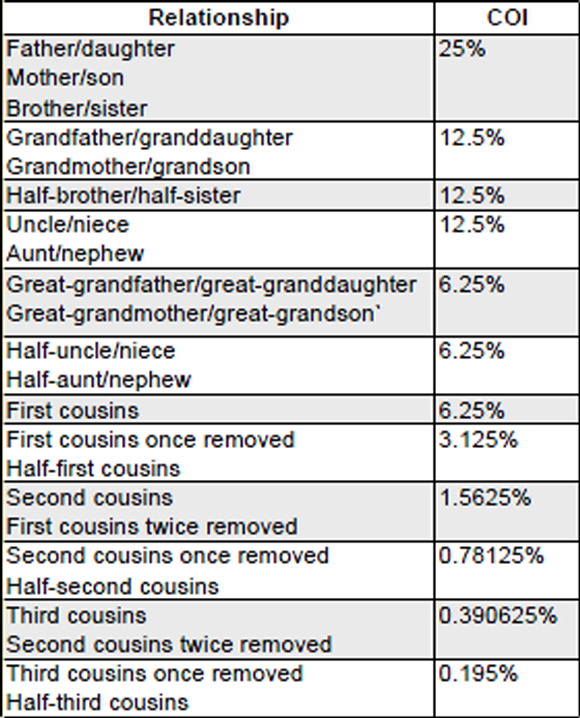
Tabla del coeficiente de relación (COI) que detalla el porcentaje de parentesco según el grado de consanguinidad, desde la descendencia directa hasta primos lejanos.
Figura 1. Tabla del coeficiente de relación (COI) que detalla el porcentaje de parentesco según el grado de consanguinidad, desde la descendencia directa hasta primos lejanos.
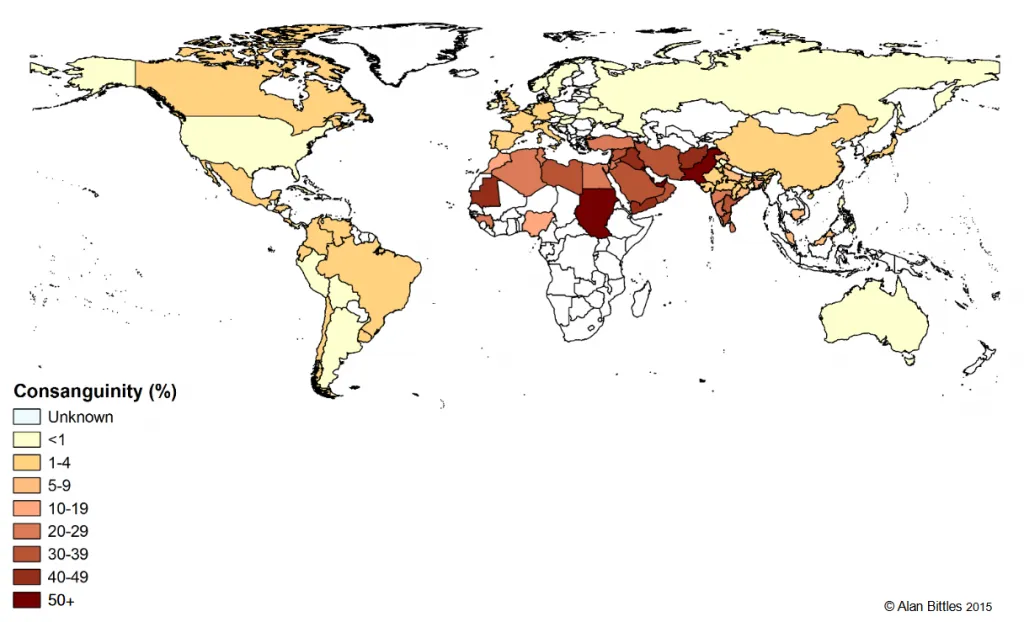
Страны с большим кровным родством.
Gráfico que muestra la prevalencia de la consanguinidad en diferentes países, clasificada en tramos porcentuales desde menos del 1% hasta más del 50%.
Figura 2. Gráfico que muestra la prevalencia de la consanguinidad en diferentes países, clasificada en tramos porcentuales desde menos del 1% hasta más del 50%.

Родство больше в тех странах, где практикуется инбридинг. Результатом является увеличение гомозиготности и, как следствие, более высокая распространенность заболеваний. аутосомно-рецессивный.

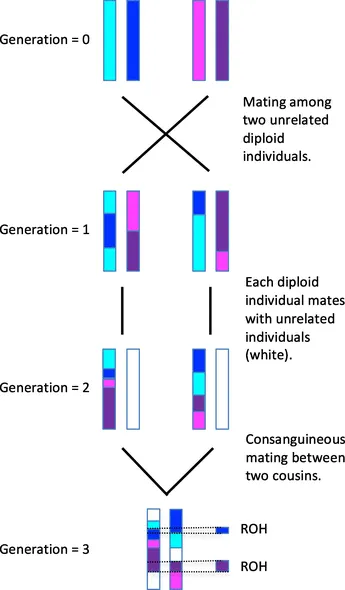
Esquema que ilustra la evolución de la consanguinidad a través de las generaciones, desde individuos no emparentados hasta el apareamiento entre primos y la formación de tramos de homocigosidad (ROH).
Figura 3. Esquema que ilustra la evolución de la consanguinidad a través de las generaciones, desde individuos no emparentados hasta el apareamiento entre primos y la formación de tramos de homocigosidad (ROH).

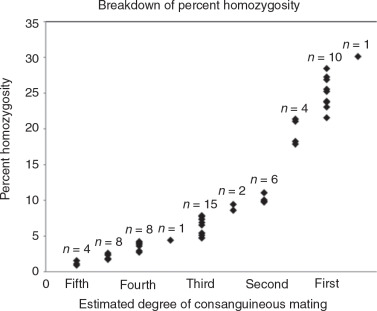
Области гомозиготности (ROH) являются генетическим результатом кровного родства и могут быть изучены с использованием генетических методов, таких как массив SNP. Коэффициент инбридинга напрямую коррелирует с количеством участков гомозиготности в геноме.

Gráfico de barras que muestra el desglose del porcentaje de homocigosidad en relación con el grado estimado de apareamiento consanguíneo, desde el primer hasta el quinto grado.
Figura 4. Gráfico de barras que muestra el desglose del porcentaje de homocigosidad en relación con el grado estimado de apareamiento consanguíneo, desde el primer hasta el quinto grado.
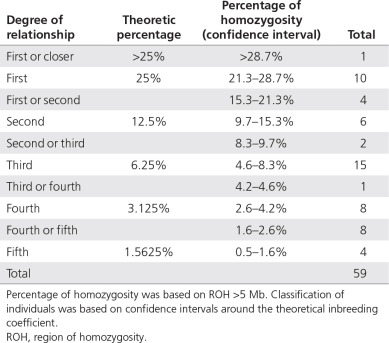
Tabla comparativa que relaciona el grado de parentesco con el porcentaje teórico de homocigosidad y el porcentaje real observado mediante el análisis de tramos de homocigosidad (ROH).
Figura 5. Tabla comparativa que relaciona el grado de parentesco con el porcentaje teórico de homocigosidad y el porcentaje real observado mediante el análisis de tramos de homocigosidad (ROH).
19955111 {19955111:99EULLCL} 1 Ванкувер 50 по умолчанию 3485 https://neuropediatoolkit.org/wp-content/plugins/zotpress/
%7B%22status%22%3A%22success%22%2C%22updateneeded%22%3Afalse%2C%22instance%22%3Afalse%2C%22meta%22%3A%7B%22request_last%22%3A0%2C%22request_next%22%3A0%2C%22used_cache%22%3Atrue%7D%2C%22data%22%3A%5B%7B%22key%22%3A%2299EULLCL%22%2C%22library%22%3A%7B%22id%22%3A19955111%7D%2C%22meta%22%3A%7B%22creatorSummary%22%3A%22Sund%20et%20al.%22%2C%22parsedDate%22%3A%222013%22%2C%22numChildren%22%3A1%7D%2C%22bib%22%3A%22%26lt%3Bdiv%20class%3D%26quot%3Bcsl-bib-body%26quot%3B%20style%3D%26quot%3Bline-height%3A%201.35%3B%20%26quot%3B%26gt%3B%5Cn%20%20%26lt%3Bdiv%20class%3D%26quot%3Bcsl-entry%26quot%3B%20style%3D%26quot%3Bclear%3A%20left%3B%20%26quot%3B%26gt%3B%5Cn%20%20%20%20%26lt%3Bdiv%20class%3D%26quot%3Bcsl-left-margin%26quot%3B%20style%3D%26quot%3Bfloat%3A%20left%3B%20padding-right%3A%200.5em%3B%20text-align%3A%20right%3B%20width%3A%201em%3B%26quot%3B%26gt%3B1.%26lt%3B%5C%2Fdiv%26gt%3B%26lt%3Bdiv%20class%3D%26quot%3Bcsl-right-inline%26quot%3B%20style%3D%26quot%3Bmargin%3A%200%20.4em%200%201.5em%3B%26quot%3B%26gt%3BSund%20KL%2C%20Zimmerman%20SL%2C%20Thomas%20C%2C%20Mitchell%20AL%2C%20Prada%20CE%2C%20Grote%20L%2C%20et%20al.%20Regions%20of%20homozygosity%20identified%20by%20SNP%20microarray%20analysis%20aid%20in%20the%20diagnosis%20of%20autosomal%20recessive%20disease%20and%20incidentally%20detect%20parental%20blood%20relationships.%20Genet%20Med%20%5BInternet%5D.%202013%20Enero%20%5Bcited%202016%20Sept%2029%5D%3B15%281%29%3A70%26%23x2013%3B8.%20Available%20from%3A%20%26lt%3Ba%20class%3D%26%23039%3Bzp-ItemURL%26%23039%3B%20href%3D%26%23039%3Bhttp%3A%5C%2F%5C%2Fwww.nature.com%5C%2Fgim%5C%2Fjournal%5C%2Fv15%5C%2Fn1%5C%2Ffull%5C%2Fgim201294a.html%26%23039%3B%26gt%3Bhttp%3A%5C%2F%5C%2Fwww.nature.com%5C%2Fgim%5C%2Fjournal%5C%2Fv15%5C%2Fn1%5C%2Ffull%5C%2Fgim201294a.html%26lt%3B%5C%2Fa%26gt%3B%26lt%3B%5C%2Fdiv%26gt%3B%5Cn%20%20%26lt%3B%5C%2Fdiv%26gt%3B%5Cn%26lt%3B%5C%2Fdiv%26gt%3B%22%2C%22data%22%3A%7B%22itemType%22%3A%22journalArticle%22%2C%22title%22%3A%22Regions%20of%20homozygosity%20identified%20by%20SNP%20microarray%20analysis%20aid%20in%20the%20diagnosis%20of%20autosomal%20recessive%20disease%20and%20incidentally%20detect%20parental%20blood%20relationships%22%2C%22creators%22%3A%5B%7B%22creatorType%22%3A%22author%22%2C%22firstName%22%3A%22Kristen%20Lipscomb%22%2C%22lastName%22%3A%22Sund%22%7D%2C%7B%22creatorType%22%3A%22author%22%2C%22firstName%22%3A%22Sarah%20L.%22%2C%22lastName%22%3A%22Zimmerman%22%7D%2C%7B%22creatorType%22%3A%22author%22%2C%22firstName%22%3A%22Cameron%22%2C%22lastName%22%3A%22Thomas%22%7D%2C%7B%22creatorType%22%3A%22author%22%2C%22firstName%22%3A%22Anna%20L.%22%2C%22lastName%22%3A%22Mitchell%22%7D%2C%7B%22creatorType%22%3A%22author%22%2C%22firstName%22%3A%22Carlos%20E.%22%2C%22lastName%22%3A%22Prada%22%7D%2C%7B%22creatorType%22%3A%22author%22%2C%22firstName%22%3A%22Lauren%22%2C%22lastName%22%3A%22Grote%22%7D%2C%7B%22creatorType%22%3A%22author%22%2C%22firstName%22%3A%22Liming%22%2C%22lastName%22%3A%22Bao%22%7D%2C%7B%22creatorType%22%3A%22author%22%2C%22firstName%22%3A%22Lisa%20J.%22%2C%22lastName%22%3A%22Martin%22%7D%2C%7B%22creatorType%22%3A%22author%22%2C%22firstName%22%3A%22Teresa%20A.%22%2C%22lastName%22%3A%22Smolarek%22%7D%5D%2C%22abstractNote%22%3A%22The%20purpose%20of%20this%20study%20was%20to%20document%20the%20ability%20of%20single-nucleotide%20polymorphism%20microarray%20to%20identify%20copy-neutral%20regions%20of%20homozygosity%2C%20demonstrate%20clinical%20utility%20of%20regions%20of%20homozygosity%2C%20and%20discuss%20ethical%5C%2Flegal%20implications%20when%20regions%20of%20homozygosity%20are%20associated%20with%20a%20parental%20blood%20relationship.%5CnStudy%20data%20were%20compiled%20from%20consecutive%20samples%20sent%20to%20our%20clinical%20laboratory%20over%20a%203-year%20period.%20A%20cytogenetics%20database%20identified%20patients%20with%20at%20least%20two%20regions%20of%20homozygosity%20%26gt%3B10%20Mb%20on%20two%20separate%20chromosomes.%20A%20chart%20review%20was%20conducted%20on%20patients%20who%20met%20the%20criteria.%5CnOf%203%2C217%20single-nucleotide%20polymorphism%20microarrays%2C%2059%20%281.8%25%29%20patients%20met%20inclusion%20criteria.%20The%20percentage%20of%20homozygosity%20ranged%20from%200.9%20to%2030.1%25%2C%20indicating%20parental%20relationships%20from%20distant%20to%20first-degree%20relatives.%20First-degree%20kinship%20was%20suspected%20in%20the%20parents%20of%20at%20least%2011%20patients%20with%20regions%20of%20homozygosity%20covering%20%26gt%3B21.3%25%20of%20their%20autosome.%20In%20four%20patients%20from%20two%20families%2C%20homozygosity%20mapping%20discovered%20a%20candidate%20gene%20that%20was%20sequenced%20to%20identify%20a%20clinically%20significant%20mutation.%5CnThis%20study%20demonstrates%20clinical%20utility%20in%20the%20identification%20of%20regions%20of%20homozygosity%2C%20as%20these%20regions%20may%20aid%20in%20diagnosis%20of%20the%20patient.%20This%20study%20establishes%20the%20need%20for%20careful%20reporting%2C%20thorough%20pretest%20counseling%2C%20and%20careful%20electronic%20documentation%2C%20as%20microarray%20has%20the%20capability%20of%20detecting%20previously%20unknown%5C%2Funreported%20relationships.%5CnGenet%20Med%202013%3A15%281%29%3A70%5Cu201378%22%2C%22date%22%3A%22Enero%202013%22%2C%22section%22%3A%22%22%2C%22partNumber%22%3A%22%22%2C%22partTitle%22%3A%22%22%2C%22DOI%22%3A%2210.1038%5C%2Fgim.2012.94%22%2C%22citationKey%22%3A%22%22%2C%22url%22%3A%22http%3A%5C%2F%5C%2Fwww.nature.com%5C%2Fgim%5C%2Fjournal%5C%2Fv15%5C%2Fn1%5C%2Ffull%5C%2Fgim201294a.html%22%2C%22PMID%22%3A%22%22%2C%22PMCID%22%3A%22%22%2C%22ISSN%22%3A%221098-3600%22%2C%22language%22%3A%22en%22%2C%22collections%22%3A%5B%227BGBSBPE%22%2C%22CGGAGXN4%22%5D%2C%22dateModified%22%3A%222026-07-15T22%3A40%3A05Z%22%7D%7D%5D%7D
1.
Сунд К.Л., Циммерман С.Л., Томас С., Митчелл А.Л., Прада К.Э., Гроте Л. и др. Области гомозиготности, выявленные с помощью микрочипового анализа SNP, помогают в диагностике аутосомно-рецессивного заболевания и случайно выявляют кровное родство родителей. Генет Мед [Интернет]. Январь 2013 г. [цитировано 29 сентября 2016 г.]; 15(1): 70–8. Доступно: http://www.nature.com/gim/journal/v15/n1/full/gim201294a.html
Родство в европейских королевских семьях.
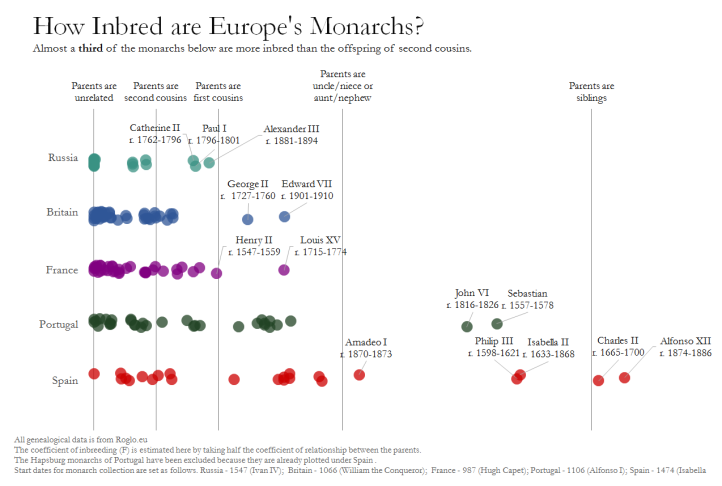
Gráfico comparativo sobre el nivel de endogamia en monarcas europeos, clasificando a los soberanos de Rusia, Gran Bretaña y Francia según el parentesco de sus progenitores.
Figura 6. Gráfico comparativo sobre el nivel de endogamia en monarcas europeos, clasificando a los soberanos de Rusia, Gran Bretaña y Francia según el parentesco de sus progenitores.
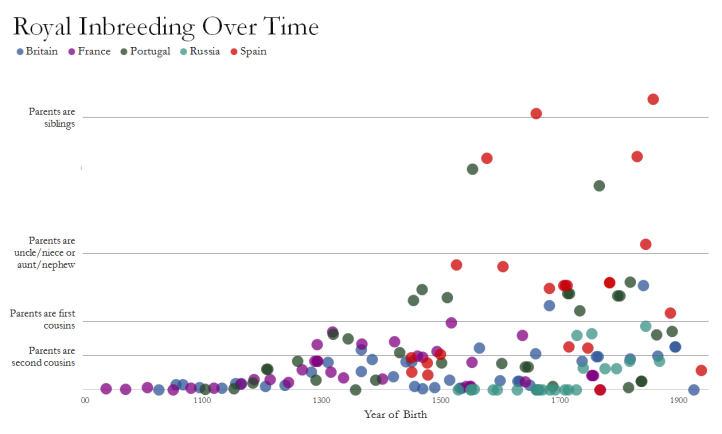
Gráfico de líneas que representa la evolución de la consanguinidad en las monarquías de Gran Bretaña, Francia, Portugal, Rusia y España a lo largo de los siglos.
Figura 7. Gráfico de líneas que representa la evolución de la consanguinidad en las monarquías de Gran Bretaña, Francia, Portugal, Rusia y España a lo largo de los siglos.
19955111 {19955111:VJ6UDNWZ} 1 Ванкувер 50 по умолчанию 3485 https://neuropediatoolkit.org/wp-content/plugins/zotpress/
%7B%22status%22%3A%22success%22%2C%22updateneeded%22%3Afalse%2C%22instance%22%3Afalse%2C%22meta%22%3A%7B%22request_last%22%3A0%2C%22request_next%22%3A0%2C%22used_cache%22%3Atrue%7D%2C%22data%22%3A%5B%7B%22key%22%3A%22VJ6UDNWZ%22%2C%22library%22%3A%7B%22id%22%3A19955111%7D%2C%22meta%22%3A%7B%22creatorSummary%22%3A%22Alvarez%20et%20al.%22%2C%22parsedDate%22%3A%222009-04-15%22%2C%22numChildren%22%3A0%7D%2C%22bib%22%3A%22%26lt%3Bdiv%20class%3D%26quot%3Bcsl-bib-body%26quot%3B%20style%3D%26quot%3Bline-height%3A%201.35%3B%20%26quot%3B%26gt%3B%5Cn%20%20%26lt%3Bdiv%20class%3D%26quot%3Bcsl-entry%26quot%3B%20style%3D%26quot%3Bclear%3A%20left%3B%20%26quot%3B%26gt%3B%5Cn%20%20%20%20%26lt%3Bdiv%20class%3D%26quot%3Bcsl-left-margin%26quot%3B%20style%3D%26quot%3Bfloat%3A%20left%3B%20padding-right%3A%200.5em%3B%20text-align%3A%20right%3B%20width%3A%201em%3B%26quot%3B%26gt%3B1.%26lt%3B%5C%2Fdiv%26gt%3B%26lt%3Bdiv%20class%3D%26quot%3Bcsl-right-inline%26quot%3B%20style%3D%26quot%3Bmargin%3A%200%20.4em%200%201.5em%3B%26quot%3B%26gt%3BAlvarez%20G%2C%20Ceballos%20FC%2C%20Quinteiro%20C.%20The%20role%20of%20inbreeding%20in%20the%20extinction%20of%20a%20European%20royal%20dynasty.%20Bauchet%20M%2C%20editor.%20PLOS%20One%20%5BInternet%5D.%202009%20Apr%2015%20%5Bcited%202026%20Mar%2022%5D%3B4%284%29%3Ae5174.%20Available%20from%3A%20%26lt%3Ba%20class%3D%26%23039%3Bzp-ItemURL%26%23039%3B%20href%3D%26%23039%3Bhttps%3A%5C%2F%5C%2Fdx.plos.org%5C%2F10.1371%5C%2Fjournal.pone.0005174%26%23039%3B%26gt%3Bhttps%3A%5C%2F%5C%2Fdx.plos.org%5C%2F10.1371%5C%2Fjournal.pone.0005174%26lt%3B%5C%2Fa%26gt%3B%26lt%3B%5C%2Fdiv%26gt%3B%5Cn%20%20%26lt%3B%5C%2Fdiv%26gt%3B%5Cn%26lt%3B%5C%2Fdiv%26gt%3B%22%2C%22data%22%3A%7B%22itemType%22%3A%22journalArticle%22%2C%22title%22%3A%22The%20role%20of%20inbreeding%20in%20the%20extinction%20of%20a%20European%20royal%20dynasty%22%2C%22creators%22%3A%5B%7B%22creatorType%22%3A%22author%22%2C%22firstName%22%3A%22Gonzalo%22%2C%22lastName%22%3A%22Alvarez%22%7D%2C%7B%22creatorType%22%3A%22author%22%2C%22firstName%22%3A%22Francisco%20C.%22%2C%22lastName%22%3A%22Ceballos%22%7D%2C%7B%22creatorType%22%3A%22author%22%2C%22firstName%22%3A%22Celsa%22%2C%22lastName%22%3A%22Quinteiro%22%7D%2C%7B%22creatorType%22%3A%22editor%22%2C%22firstName%22%3A%22Marc%22%2C%22lastName%22%3A%22Bauchet%22%7D%5D%2C%22abstractNote%22%3A%22The%20kings%20of%20the%20Spanish%20Habsburg%20dynasty%20%281516%5Cu20131700%29%20frequently%20married%20close%20relatives%20in%20such%20a%20way%20that%20uncle-niece%2C%20first%20cousins%20and%20other%20consanguineous%20unions%20were%20prevalent%20in%20that%20dynasty.%20In%20the%20historical%20literature%2C%20it%20has%20been%20suggested%20that%20inbreeding%20was%20a%20major%20cause%20responsible%20for%20the%20extinction%20of%20the%20dynasty%20when%20the%20king%20Charles%20II%2C%20physically%20and%20mentally%20disabled%2C%20died%20in%201700%20and%20no%20children%20were%20born%20from%20his%20two%20marriages%2C%20but%20this%20hypothesis%20has%20not%20been%20examined%20from%20a%20genetic%20perspective.%20In%20this%20article%2C%20this%20hypothesis%20is%20checked%20by%20computing%20the%20inbreeding%20coefficient%20%28F%29%20of%20the%20Spanish%20Habsburg%20kings%20from%20an%20extended%20pedigree%20up%20to%2016%20generations%20in%20depth%20and%20involving%20more%20than%203%2C000%20individuals.%20The%20inbreeding%20coefficient%20of%20the%20Spanish%20Habsburg%20kings%20increased%20strongly%20along%20generations%20from%200.025%20for%20king%20Philip%20I%2C%20the%20founder%20of%20the%20dynasty%2C%20to%200.254%20for%20Charles%20II%20and%20several%20members%20of%20the%20dynasty%20had%20inbreeding%20coefficients%20higher%20than%200.20.%20In%20addition%20to%20inbreeding%20due%20to%20unions%20between%20close%20relatives%2C%20ancestral%20inbreeding%20from%20multiple%20remote%20ancestors%20makes%20a%20substantial%20contribution%20to%20the%20inbreeding%20coefficient%20of%20most%20kings.%20A%20statistically%20significant%20inbreeding%20depression%20for%20survival%20to%2010%20years%20is%20detected%20in%20the%20progenies%20of%20the%20Spanish%20Habsburg%20kings.%20The%20results%20indicate%20that%20inbreeding%20at%20the%20level%20of%20first%20cousin%20%28F%5Cu200a%3D%5Cu200a0.0625%29%20exerted%20an%20adverse%20effect%20on%20survival%20of%2017.8%25%5Cu00b112.3.%20It%20is%20speculated%20that%20the%20simultaneous%20occurrence%20in%20Charles%20II%20%28F%5Cu200a%3D%5Cu200a0.254%29%20of%20two%20different%20genetic%20disorders%3A%20combined%20pituitary%20hormone%20deficiency%20and%20distal%20renal%20tubular%20acidosis%2C%20determined%20by%20recessive%20alleles%20at%20two%20unlinked%20loci%2C%20could%20explain%20most%20of%20the%20complex%20clinical%20profile%20of%20this%20king%2C%20including%20his%20impotence%5C%2Finfertility%20which%20in%20last%20instance%20led%20to%20the%20extinction%20of%20the%20dynasty.%22%2C%22date%22%3A%222009-04-15%22%2C%22section%22%3A%22%22%2C%22partNumber%22%3A%22%22%2C%22partTitle%22%3A%22%22%2C%22DOI%22%3A%2210.1371%5C%2Fjournal.pone.0005174%22%2C%22citationKey%22%3A%22%22%2C%22url%22%3A%22https%3A%5C%2F%5C%2Fdx.plos.org%5C%2F10.1371%5C%2Fjournal.pone.0005174%22%2C%22PMID%22%3A%2219367331%22%2C%22PMCID%22%3A%22PMC2664480%22%2C%22ISSN%22%3A%221932-6203%22%2C%22language%22%3A%22en%22%2C%22collections%22%3A%5B%22CGGAGXN4%22%2C%22RUSQH6B4%22%5D%2C%22dateModified%22%3A%222026-10-27T22%3A57%3A11Z%22%7D%7D%5D%7D
1.
Альварес Г., Себальос Ф.К., Кинтейро К. Роль инбридинга в исчезновении европейской королевской династии. Боше М., редактор. PLOS One [Интернет]. 15 апреля 2009 г. [цитировано 22 марта 2026 г.];4(4):e5174. Доступно: https://dx.plos.org/10.1371/journal.pone.0005174
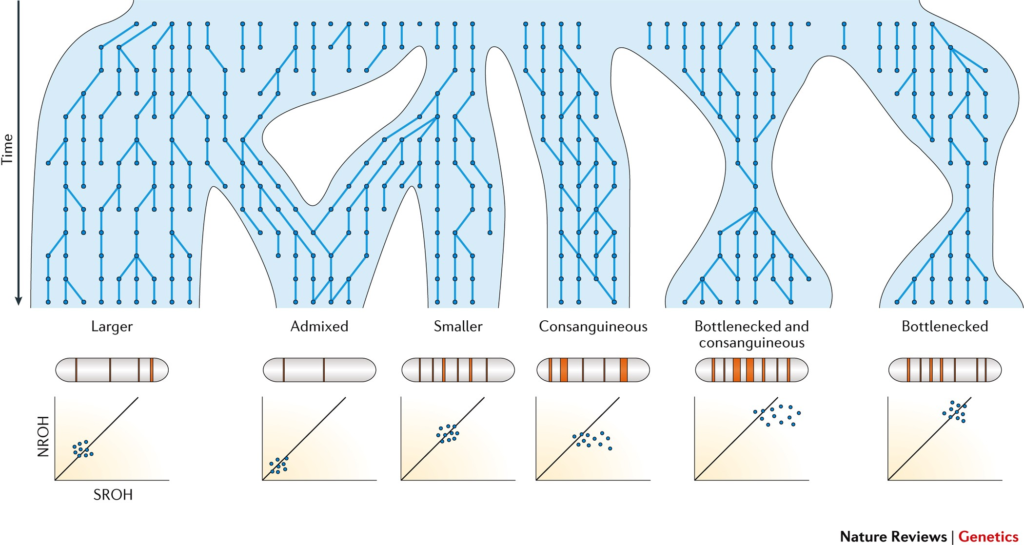
Esquema sobre la dinámica poblacional que compara poblaciones grandes, mezcladas, con cuellos de botella o consanguíneas, analizando los tramos de homocigosidad (NROH y SROH).
Figura 8. Esquema sobre la dinámica poblacional que compara poblaciones grandes, mezcladas, con cuellos de botella o consanguíneas, analizando los tramos de homocigosidad (NROH y SROH).
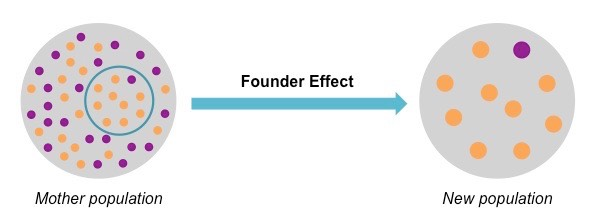
Esquema que ilustra el concepto de efecto fundador, mostrando cómo un subgrupo reducido de una población original da lugar a una nueva población con una composición genética distinta.

Figura 9. Esquema que ilustra el concepto de efecto fundador, mostrando cómo un subgrupo reducido de una población original da lugar a una nueva población con una composición genética distinta.

https://www.nature.com/articles/nrg.2017.109