の 血族関係 二人の人の血のつながり(親族)の度合いです。血族関係にはさまざまな程度があります。特に遺伝性疾患の危険因子です。 常染色体劣性 (¿代謝を疑うとき、何よりも、 治癒的治療?).
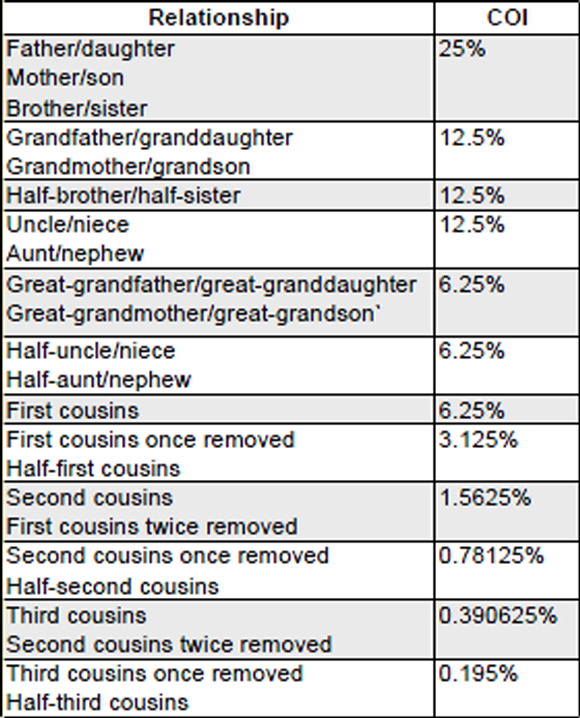
近親交配係数。
近親交配係数があり、 関係係数) を使用すると、祖先に基づいてホモ接合性の確率を計算したり、SNP アレイ (ホモ接合性の実行) で特定できるホモ接合性の程度から血族関係の存在を推測したりできます。これは、近親相姦や虐待的な関係の暴露につながる可能性があります。
19955111
{19955111:ZV5M3KGG}
1
バンクーバー
50
デフォルト
3485
https://neuropediatoolkit.org/wp-content/plugins/zotpress/
%7B%22status%22%3A%22success%22%2C%22updateneeded%22%3Afalse%2C%22instance%22%3Afalse%2C%22meta%22%3A%7B%22request_last%22%3A0%2C%22request_next%22%3A0%2C%22used_cache%22%3Atrue%7D%2C%22data%22%3A%5B%7B%22key%22%3A%22ZV5M3KGG%22%2C%22library%22%3A%7B%22id%22%3A19955111%7D%2C%22meta%22%3A%7B%22creatorSummary%22%3A%22Schaaf%20et%20al.%22%2C%22parsedDate%22%3A%222011%22%2C%22numChildren%22%3A1%7D%2C%22bib%22%3A%22%26lt%3Bdiv%20class%3D%26quot%3Bcsl-bib-body%26quot%3B%20style%3D%26quot%3Bline-height%3A%201.35%3B%20%26quot%3B%26gt%3B%5Cn%20%20%26lt%3Bdiv%20class%3D%26quot%3Bcsl-entry%26quot%3B%20style%3D%26quot%3Bclear%3A%20left%3B%20%26quot%3B%26gt%3B%5Cn%20%20%20%20%26lt%3Bdiv%20class%3D%26quot%3Bcsl-left-margin%26quot%3B%20style%3D%26quot%3Bfloat%3A%20left%3B%20padding-right%3A%200.5em%3B%20text-align%3A%20right%3B%20width%3A%201em%3B%26quot%3B%26gt%3B1.%26lt%3B%5C%2Fdiv%26gt%3B%26lt%3Bdiv%20class%3D%26quot%3Bcsl-right-inline%26quot%3B%20style%3D%26quot%3Bmargin%3A%200%20.4em%200%201.5em%3B%26quot%3B%26gt%3BSchaaf%20C%2C%20Scott%20D%2C%20Wiszniewska%20J%2C%20Beaudet%20A.%20Identification%20of%20incestuous%20parental%20relationships%20by%20SNP-based%20DNA%20microarrays.%20The%20Lancet%20%5BInternet%5D.%202011%20%5Bcited%202021%20Apr%2018%5D%3B377%289765%29%3A555%26%23x2013%3B6.%20Available%20from%3A%20%26lt%3Ba%20class%3D%26%23039%3Bzp-ItemURL%26%23039%3B%20href%3D%26%23039%3Bhttps%3A%5C%2F%5C%2Flinkinghub.elsevier.com%5C%2Fretrieve%5C%2Fpii%5C%2FS0140673611602018%26%23039%3B%26gt%3Bhttps%3A%5C%2F%5C%2Flinkinghub.elsevier.com%5C%2Fretrieve%5C%2Fpii%5C%2FS0140673611602018%26lt%3B%5C%2Fa%26gt%3B%26lt%3B%5C%2Fdiv%26gt%3B%5Cn%20%20%26lt%3B%5C%2Fdiv%26gt%3B%5Cn%26lt%3B%5C%2Fdiv%26gt%3B%22%2C%22data%22%3A%7B%22itemType%22%3A%22journalArticle%22%2C%22title%22%3A%22Identification%20of%20incestuous%20parental%20relationships%20by%20SNP-based%20DNA%20microarrays%22%2C%22creators%22%3A%5B%7B%22creatorType%22%3A%22author%22%2C%22firstName%22%3A%22Cp%22%2C%22lastName%22%3A%22Schaaf%22%7D%2C%7B%22creatorType%22%3A%22author%22%2C%22firstName%22%3A%22Da%22%2C%22lastName%22%3A%22Scott%22%7D%2C%7B%22creatorType%22%3A%22author%22%2C%22firstName%22%3A%22J%22%2C%22lastName%22%3A%22Wiszniewska%22%7D%2C%7B%22creatorType%22%3A%22author%22%2C%22firstName%22%3A%22Al%22%2C%22lastName%22%3A%22Beaudet%22%7D%5D%2C%22abstractNote%22%3A%22%22%2C%22date%22%3A%2202%5C%2F2011%22%2C%22section%22%3A%22%22%2C%22partNumber%22%3A%22%22%2C%22partTitle%22%3A%22%22%2C%22DOI%22%3A%2210.1016%5C%2FS0140-6736%2811%2960201-8%22%2C%22citationKey%22%3A%22%22%2C%22url%22%3A%22https%3A%5C%2F%5C%2Flinkinghub.elsevier.com%5C%2Fretrieve%5C%2Fpii%5C%2FS0140673611602018%22%2C%22PMID%22%3A%22%22%2C%22PMCID%22%3A%22%22%2C%22ISSN%22%3A%2201406736%22%2C%22language%22%3A%22en%22%2C%22collections%22%3A%5B%22CGGAGXN4%22%5D%2C%22dateModified%22%3A%222026-07-15T22%3A40%3A29Z%22%7D%7D%5D%7D
1.
Schaaf C、Scott D、Wiszniewska J、Beaudet A. SNP ベースの DNA マイクロアレイによる近親相姦関係の特定。ランセット[インターネット]。 2011 [2021 年 4 月 18 日引用];377(9765):555–6。以下から入手可能: https://linkinghub.elsevier.com/retrieve/pii/S0140673611602018
血族関係が多い国。
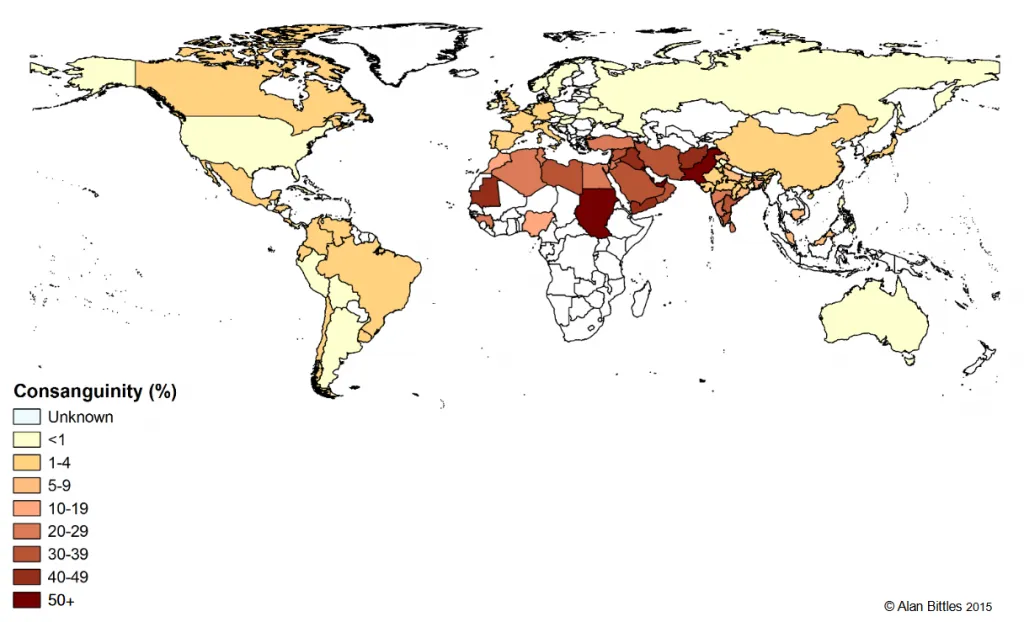
血縁関係が行われている国では血族関係がより多くなる 近親交配。その結果、ホモ接合性が増加し、その結果、病気の有病率が高くなります。 常染色体劣性.
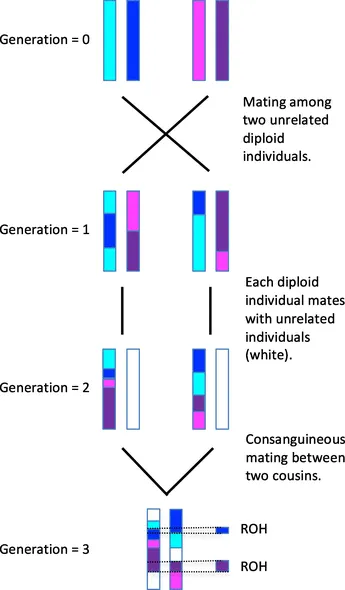
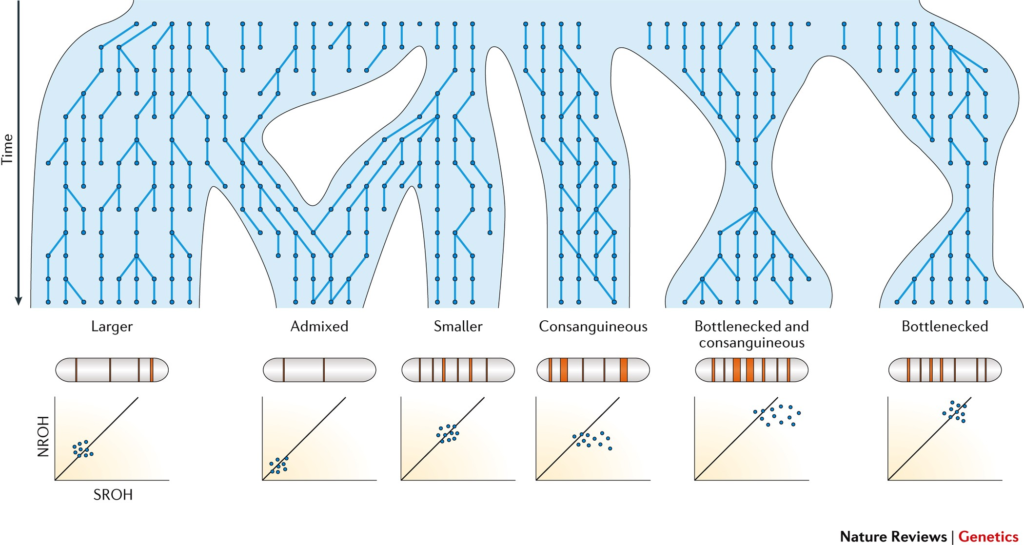
ホモ接合性領域 (ROH) は血族関係の遺伝的結果であり、SNP アレイなどの遺伝的手法を使用して研究できます。 近親交配係数は、ゲノム内のホモ接合性トラクトの数と直接相関します。
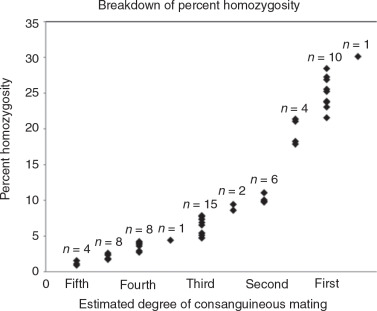
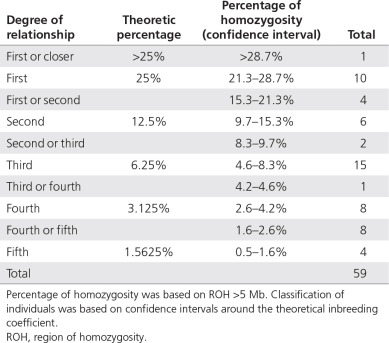
19955111
{19955111:99EULLCL}
1
バンクーバー
50
デフォルト
3485
https://neuropediatoolkit.org/wp-content/plugins/zotpress/
%7B%22status%22%3A%22success%22%2C%22updateneeded%22%3Afalse%2C%22instance%22%3Afalse%2C%22meta%22%3A%7B%22request_last%22%3A0%2C%22request_next%22%3A0%2C%22used_cache%22%3Atrue%7D%2C%22data%22%3A%5B%7B%22key%22%3A%2299EULLCL%22%2C%22library%22%3A%7B%22id%22%3A19955111%7D%2C%22meta%22%3A%7B%22creatorSummary%22%3A%22Sund%20et%20al.%22%2C%22parsedDate%22%3A%222013%22%2C%22numChildren%22%3A1%7D%2C%22bib%22%3A%22%26lt%3Bdiv%20class%3D%26quot%3Bcsl-bib-body%26quot%3B%20style%3D%26quot%3Bline-height%3A%201.35%3B%20%26quot%3B%26gt%3B%5Cn%20%20%26lt%3Bdiv%20class%3D%26quot%3Bcsl-entry%26quot%3B%20style%3D%26quot%3Bclear%3A%20left%3B%20%26quot%3B%26gt%3B%5Cn%20%20%20%20%26lt%3Bdiv%20class%3D%26quot%3Bcsl-left-margin%26quot%3B%20style%3D%26quot%3Bfloat%3A%20left%3B%20padding-right%3A%200.5em%3B%20text-align%3A%20right%3B%20width%3A%201em%3B%26quot%3B%26gt%3B1.%26lt%3B%5C%2Fdiv%26gt%3B%26lt%3Bdiv%20class%3D%26quot%3Bcsl-right-inline%26quot%3B%20style%3D%26quot%3Bmargin%3A%200%20.4em%200%201.5em%3B%26quot%3B%26gt%3BSund%20KL%2C%20Zimmerman%20SL%2C%20Thomas%20C%2C%20Mitchell%20AL%2C%20Prada%20CE%2C%20Grote%20L%2C%20et%20al.%20Regions%20of%20homozygosity%20identified%20by%20SNP%20microarray%20analysis%20aid%20in%20the%20diagnosis%20of%20autosomal%20recessive%20disease%20and%20incidentally%20detect%20parental%20blood%20relationships.%20Genet%20Med%20%5BInternet%5D.%202013%20Enero%20%5Bcited%202016%20Sept%2029%5D%3B15%281%29%3A70%26%23x2013%3B8.%20Available%20from%3A%20%26lt%3Ba%20class%3D%26%23039%3Bzp-ItemURL%26%23039%3B%20href%3D%26%23039%3Bhttp%3A%5C%2F%5C%2Fwww.nature.com%5C%2Fgim%5C%2Fjournal%5C%2Fv15%5C%2Fn1%5C%2Ffull%5C%2Fgim201294a.html%26%23039%3B%26gt%3Bhttp%3A%5C%2F%5C%2Fwww.nature.com%5C%2Fgim%5C%2Fjournal%5C%2Fv15%5C%2Fn1%5C%2Ffull%5C%2Fgim201294a.html%26lt%3B%5C%2Fa%26gt%3B%26lt%3B%5C%2Fdiv%26gt%3B%5Cn%20%20%26lt%3B%5C%2Fdiv%26gt%3B%5Cn%26lt%3B%5C%2Fdiv%26gt%3B%22%2C%22data%22%3A%7B%22itemType%22%3A%22journalArticle%22%2C%22title%22%3A%22Regions%20of%20homozygosity%20identified%20by%20SNP%20microarray%20analysis%20aid%20in%20the%20diagnosis%20of%20autosomal%20recessive%20disease%20and%20incidentally%20detect%20parental%20blood%20relationships%22%2C%22creators%22%3A%5B%7B%22creatorType%22%3A%22author%22%2C%22firstName%22%3A%22Kristen%20Lipscomb%22%2C%22lastName%22%3A%22Sund%22%7D%2C%7B%22creatorType%22%3A%22author%22%2C%22firstName%22%3A%22Sarah%20L.%22%2C%22lastName%22%3A%22Zimmerman%22%7D%2C%7B%22creatorType%22%3A%22author%22%2C%22firstName%22%3A%22Cameron%22%2C%22lastName%22%3A%22Thomas%22%7D%2C%7B%22creatorType%22%3A%22author%22%2C%22firstName%22%3A%22Anna%20L.%22%2C%22lastName%22%3A%22Mitchell%22%7D%2C%7B%22creatorType%22%3A%22author%22%2C%22firstName%22%3A%22Carlos%20E.%22%2C%22lastName%22%3A%22Prada%22%7D%2C%7B%22creatorType%22%3A%22author%22%2C%22firstName%22%3A%22Lauren%22%2C%22lastName%22%3A%22Grote%22%7D%2C%7B%22creatorType%22%3A%22author%22%2C%22firstName%22%3A%22Liming%22%2C%22lastName%22%3A%22Bao%22%7D%2C%7B%22creatorType%22%3A%22author%22%2C%22firstName%22%3A%22Lisa%20J.%22%2C%22lastName%22%3A%22Martin%22%7D%2C%7B%22creatorType%22%3A%22author%22%2C%22firstName%22%3A%22Teresa%20A.%22%2C%22lastName%22%3A%22Smolarek%22%7D%5D%2C%22abstractNote%22%3A%22The%20purpose%20of%20this%20study%20was%20to%20document%20the%20ability%20of%20single-nucleotide%20polymorphism%20microarray%20to%20identify%20copy-neutral%20regions%20of%20homozygosity%2C%20demonstrate%20clinical%20utility%20of%20regions%20of%20homozygosity%2C%20and%20discuss%20ethical%5C%2Flegal%20implications%20when%20regions%20of%20homozygosity%20are%20associated%20with%20a%20parental%20blood%20relationship.%5CnStudy%20data%20were%20compiled%20from%20consecutive%20samples%20sent%20to%20our%20clinical%20laboratory%20over%20a%203-year%20period.%20A%20cytogenetics%20database%20identified%20patients%20with%20at%20least%20two%20regions%20of%20homozygosity%20%26gt%3B10%20Mb%20on%20two%20separate%20chromosomes.%20A%20chart%20review%20was%20conducted%20on%20patients%20who%20met%20the%20criteria.%5CnOf%203%2C217%20single-nucleotide%20polymorphism%20microarrays%2C%2059%20%281.8%25%29%20patients%20met%20inclusion%20criteria.%20The%20percentage%20of%20homozygosity%20ranged%20from%200.9%20to%2030.1%25%2C%20indicating%20parental%20relationships%20from%20distant%20to%20first-degree%20relatives.%20First-degree%20kinship%20was%20suspected%20in%20the%20parents%20of%20at%20least%2011%20patients%20with%20regions%20of%20homozygosity%20covering%20%26gt%3B21.3%25%20of%20their%20autosome.%20In%20four%20patients%20from%20two%20families%2C%20homozygosity%20mapping%20discovered%20a%20candidate%20gene%20that%20was%20sequenced%20to%20identify%20a%20clinically%20significant%20mutation.%5CnThis%20study%20demonstrates%20clinical%20utility%20in%20the%20identification%20of%20regions%20of%20homozygosity%2C%20as%20these%20regions%20may%20aid%20in%20diagnosis%20of%20the%20patient.%20This%20study%20establishes%20the%20need%20for%20careful%20reporting%2C%20thorough%20pretest%20counseling%2C%20and%20careful%20electronic%20documentation%2C%20as%20microarray%20has%20the%20capability%20of%20detecting%20previously%20unknown%5C%2Funreported%20relationships.%5CnGenet%20Med%202013%3A15%281%29%3A70%5Cu201378%22%2C%22date%22%3A%22Enero%202013%22%2C%22section%22%3A%22%22%2C%22partNumber%22%3A%22%22%2C%22partTitle%22%3A%22%22%2C%22DOI%22%3A%2210.1038%5C%2Fgim.2012.94%22%2C%22citationKey%22%3A%22%22%2C%22url%22%3A%22http%3A%5C%2F%5C%2Fwww.nature.com%5C%2Fgim%5C%2Fjournal%5C%2Fv15%5C%2Fn1%5C%2Ffull%5C%2Fgim201294a.html%22%2C%22PMID%22%3A%22%22%2C%22PMCID%22%3A%22%22%2C%22ISSN%22%3A%221098-3600%22%2C%22language%22%3A%22en%22%2C%22collections%22%3A%5B%227BGBSBPE%22%2C%22CGGAGXN4%22%5D%2C%22dateModified%22%3A%222026-07-15T22%3A40%3A05Z%22%7D%7D%5D%7D
1.
Sund KL、Zimmerman SL、Thomas C、Mitchell AL、Prada CE、Grote L、他。 SNP マイクロアレイ解析によって同定されたホモ接合性の領域は、常染色体劣性疾患の診断に役立ち、また、両親の血縁関係も偶然に検出されます。 Genet Med [インターネット]。 2013 年 1 月 [2016 年 9 月 29 日引用];15(1):70–8。以下から入手可能: http://www.nature.com/gim/journal/v15/n1/full/gim201294a.html
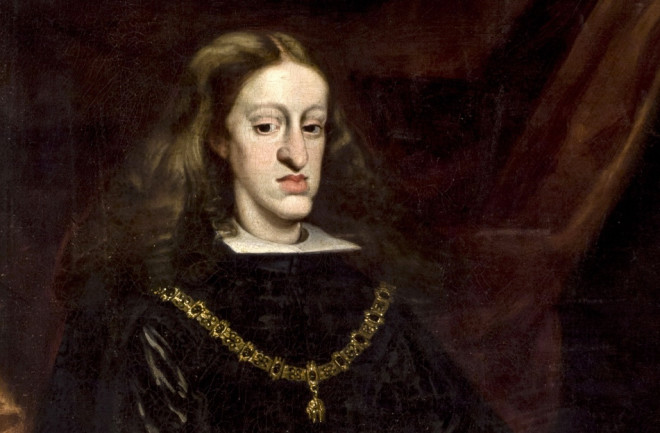
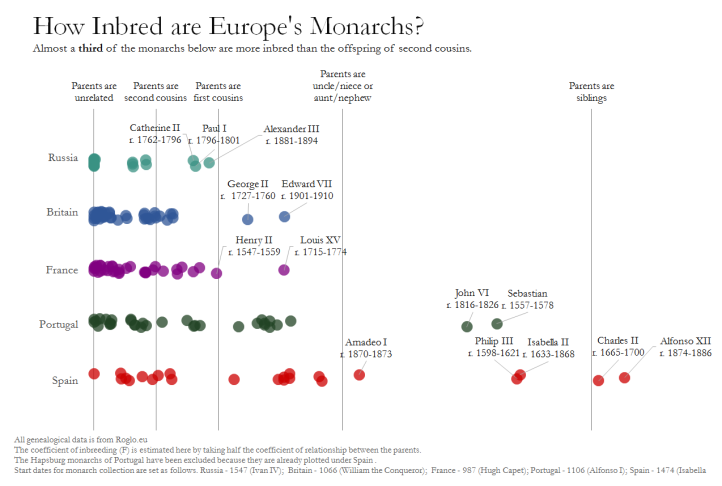
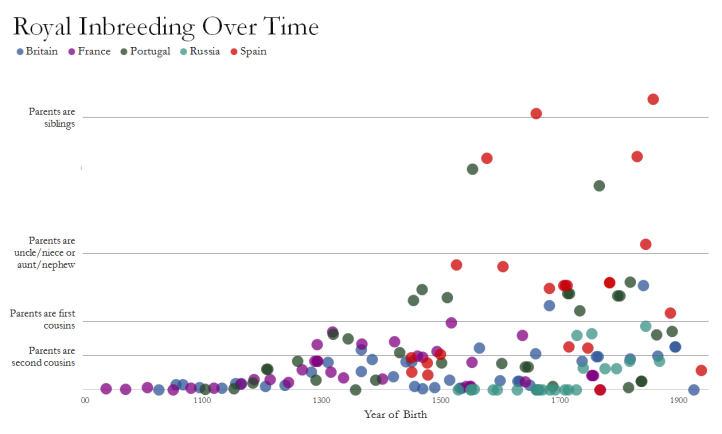
ヨーロッパ王室における血族関係。
19955111
{19955111:VJ6UDNWZ}
1
バンクーバー
50
デフォルト
3485
https://neuropediatoolkit.org/wp-content/plugins/zotpress/
%7B%22status%22%3A%22success%22%2C%22updateneeded%22%3Afalse%2C%22instance%22%3Afalse%2C%22meta%22%3A%7B%22request_last%22%3A0%2C%22request_next%22%3A0%2C%22used_cache%22%3Atrue%7D%2C%22data%22%3A%5B%7B%22key%22%3A%22VJ6UDNWZ%22%2C%22library%22%3A%7B%22id%22%3A19955111%7D%2C%22meta%22%3A%7B%22creatorSummary%22%3A%22Alvarez%20et%20al.%22%2C%22parsedDate%22%3A%222009-04-15%22%2C%22numChildren%22%3A0%7D%2C%22bib%22%3A%22%26lt%3Bdiv%20class%3D%26quot%3Bcsl-bib-body%26quot%3B%20style%3D%26quot%3Bline-height%3A%201.35%3B%20%26quot%3B%26gt%3B%5Cn%20%20%26lt%3Bdiv%20class%3D%26quot%3Bcsl-entry%26quot%3B%20style%3D%26quot%3Bclear%3A%20left%3B%20%26quot%3B%26gt%3B%5Cn%20%20%20%20%26lt%3Bdiv%20class%3D%26quot%3Bcsl-left-margin%26quot%3B%20style%3D%26quot%3Bfloat%3A%20left%3B%20padding-right%3A%200.5em%3B%20text-align%3A%20right%3B%20width%3A%201em%3B%26quot%3B%26gt%3B1.%26lt%3B%5C%2Fdiv%26gt%3B%26lt%3Bdiv%20class%3D%26quot%3Bcsl-right-inline%26quot%3B%20style%3D%26quot%3Bmargin%3A%200%20.4em%200%201.5em%3B%26quot%3B%26gt%3BAlvarez%20G%2C%20Ceballos%20FC%2C%20Quinteiro%20C.%20The%20role%20of%20inbreeding%20in%20the%20extinction%20of%20a%20European%20royal%20dynasty.%20Bauchet%20M%2C%20editor.%20PLOS%20One%20%5BInternet%5D.%202009%20Apr%2015%20%5Bcited%202026%20Mar%2022%5D%3B4%284%29%3Ae5174.%20Available%20from%3A%20%26lt%3Ba%20class%3D%26%23039%3Bzp-ItemURL%26%23039%3B%20href%3D%26%23039%3Bhttps%3A%5C%2F%5C%2Fdx.plos.org%5C%2F10.1371%5C%2Fjournal.pone.0005174%26%23039%3B%26gt%3Bhttps%3A%5C%2F%5C%2Fdx.plos.org%5C%2F10.1371%5C%2Fjournal.pone.0005174%26lt%3B%5C%2Fa%26gt%3B%26lt%3B%5C%2Fdiv%26gt%3B%5Cn%20%20%26lt%3B%5C%2Fdiv%26gt%3B%5Cn%26lt%3B%5C%2Fdiv%26gt%3B%22%2C%22data%22%3A%7B%22itemType%22%3A%22journalArticle%22%2C%22title%22%3A%22The%20role%20of%20inbreeding%20in%20the%20extinction%20of%20a%20European%20royal%20dynasty%22%2C%22creators%22%3A%5B%7B%22creatorType%22%3A%22author%22%2C%22firstName%22%3A%22Gonzalo%22%2C%22lastName%22%3A%22Alvarez%22%7D%2C%7B%22creatorType%22%3A%22author%22%2C%22firstName%22%3A%22Francisco%20C.%22%2C%22lastName%22%3A%22Ceballos%22%7D%2C%7B%22creatorType%22%3A%22author%22%2C%22firstName%22%3A%22Celsa%22%2C%22lastName%22%3A%22Quinteiro%22%7D%2C%7B%22creatorType%22%3A%22editor%22%2C%22firstName%22%3A%22Marc%22%2C%22lastName%22%3A%22Bauchet%22%7D%5D%2C%22abstractNote%22%3A%22The%20kings%20of%20the%20Spanish%20Habsburg%20dynasty%20%281516%5Cu20131700%29%20frequently%20married%20close%20relatives%20in%20such%20a%20way%20that%20uncle-niece%2C%20first%20cousins%20and%20other%20consanguineous%20unions%20were%20prevalent%20in%20that%20dynasty.%20In%20the%20historical%20literature%2C%20it%20has%20been%20suggested%20that%20inbreeding%20was%20a%20major%20cause%20responsible%20for%20the%20extinction%20of%20the%20dynasty%20when%20the%20king%20Charles%20II%2C%20physically%20and%20mentally%20disabled%2C%20died%20in%201700%20and%20no%20children%20were%20born%20from%20his%20two%20marriages%2C%20but%20this%20hypothesis%20has%20not%20been%20examined%20from%20a%20genetic%20perspective.%20In%20this%20article%2C%20this%20hypothesis%20is%20checked%20by%20computing%20the%20inbreeding%20coefficient%20%28F%29%20of%20the%20Spanish%20Habsburg%20kings%20from%20an%20extended%20pedigree%20up%20to%2016%20generations%20in%20depth%20and%20involving%20more%20than%203%2C000%20individuals.%20The%20inbreeding%20coefficient%20of%20the%20Spanish%20Habsburg%20kings%20increased%20strongly%20along%20generations%20from%200.025%20for%20king%20Philip%20I%2C%20the%20founder%20of%20the%20dynasty%2C%20to%200.254%20for%20Charles%20II%20and%20several%20members%20of%20the%20dynasty%20had%20inbreeding%20coefficients%20higher%20than%200.20.%20In%20addition%20to%20inbreeding%20due%20to%20unions%20between%20close%20relatives%2C%20ancestral%20inbreeding%20from%20multiple%20remote%20ancestors%20makes%20a%20substantial%20contribution%20to%20the%20inbreeding%20coefficient%20of%20most%20kings.%20A%20statistically%20significant%20inbreeding%20depression%20for%20survival%20to%2010%20years%20is%20detected%20in%20the%20progenies%20of%20the%20Spanish%20Habsburg%20kings.%20The%20results%20indicate%20that%20inbreeding%20at%20the%20level%20of%20first%20cousin%20%28F%5Cu200a%3D%5Cu200a0.0625%29%20exerted%20an%20adverse%20effect%20on%20survival%20of%2017.8%25%5Cu00b112.3.%20It%20is%20speculated%20that%20the%20simultaneous%20occurrence%20in%20Charles%20II%20%28F%5Cu200a%3D%5Cu200a0.254%29%20of%20two%20different%20genetic%20disorders%3A%20combined%20pituitary%20hormone%20deficiency%20and%20distal%20renal%20tubular%20acidosis%2C%20determined%20by%20recessive%20alleles%20at%20two%20unlinked%20loci%2C%20could%20explain%20most%20of%20the%20complex%20clinical%20profile%20of%20this%20king%2C%20including%20his%20impotence%5C%2Finfertility%20which%20in%20last%20instance%20led%20to%20the%20extinction%20of%20the%20dynasty.%22%2C%22date%22%3A%222009-04-15%22%2C%22section%22%3A%22%22%2C%22partNumber%22%3A%22%22%2C%22partTitle%22%3A%22%22%2C%22DOI%22%3A%2210.1371%5C%2Fjournal.pone.0005174%22%2C%22citationKey%22%3A%22%22%2C%22url%22%3A%22https%3A%5C%2F%5C%2Fdx.plos.org%5C%2F10.1371%5C%2Fjournal.pone.0005174%22%2C%22PMID%22%3A%2219367331%22%2C%22PMCID%22%3A%22PMC2664480%22%2C%22ISSN%22%3A%221932-6203%22%2C%22language%22%3A%22en%22%2C%22collections%22%3A%5B%22CGGAGXN4%22%2C%22RUSQH6B4%22%5D%2C%22dateModified%22%3A%222026-10-27T22%3A57%3A11Z%22%7D%7D%5D%7D
1.
アルバレス G、セバージョス FC、キンテイロ C。ヨーロッパ王朝の滅亡における近親交配の役割。ボーシェM、編集者。 PLOS One [インターネット]。 2009 年 4 月 15 日 [2026 年 3 月 22 日引用];4(4):e5174。以下から入手可能: https://dx.plos.org/10.1371/journal.pone.0005174