

进入重症监护室的孩子对于神经系统检查来说是一个困难的场景,这受到了这种环境所施加的特殊情况的限制。我们可以发现3个主要场景:
对镇静和插管的儿童进行神经学检查。
主要限制是:
- 对意识、认知、注意力、语言或任何需要患者合作的探索策略(例如敏感性)水平的评估是不易实现的。
- 由于喉管的存在,也无法评估下颅神经。
- 由于拔管的风险,通常不可能活动头部来评估眼头反射。
- 有必要考虑使用影响瞳孔功能(形态)或神经肌肉接头(罗库溴铵等)的药物治疗。
无论如何,可以评估:
- 强迫睁眼和 赫希伯格测试。药物的作用和缺乏视觉固定使其评估几乎没有用处,除非是非常明显的眼肌麻痹(例如,完整的 pc III)。
- 面部不对称。
- 运动系统的探索, 包括:
- 肌肉营养性(根据停留时间和因废用引起的萎缩来解释)。
- 肌肉张力和肌肉骨骼反射(取决于影响神经肌肉接头的药物的存在)。
- 长途道路参与的迹象(Babinski、Hoffmann、Rossolimo),与之前的限制相同。
- 神经皮肤检查。
- 形态异常检查。
我们应该了解一些特定的神经关键设备,并且在这种情况下我们可以找到它们:
- ICP 传感器。
- 国际清算银行监视器。
对意识水平下降的儿童进行非药物神经学检查。
对于在儿科重症监护病房(PICU)出现意识水平下降的儿童,神经学检查主要是为了区分结构性原因的存在与证明其情况合理的毒性代谢原因的存在。区分两种情况是很实用的:
眼睛闭着。
- 我们应用 GCS 的目的是通过对疼痛的反应来评估意识水平,是否存在波动,以及是否可以探索任何认知功能。
- 如果无法睁开眼睛,可以人工睁开眼睛以评估脑干的完整性。
- 运动系统的探索:肌肉张力、营养作用、肌肉骨骼反射和长束功能障碍的迹象(Hoffmann、Babinski、Rossolimo)。
- 敏感性、协调性和自主运动技能的检查通常不适用。
眼睛睁开。
- 我们将评估对口头命令的反应,并基于此和对自发行为的观察,我们将通过对以下情况进行鉴别诊断来推断意识状况:
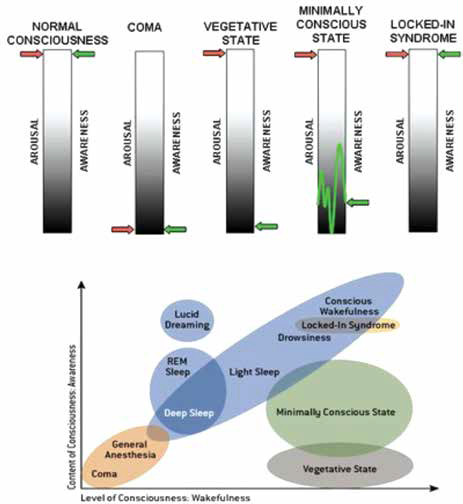
- 重要的是要记住,随着时间的推移,需要进行多次评估,因为意识水平可能会波动。拥有一台录像机可能会很有用。
- 在年龄较大的孩子的锁定情况或最低意识状态下,可以使用一些增强和替代通信系统,例如 ETRAN 型板卡.
- 如果需要做出脑死亡的诊断,则有必要使用补充技术,尽管这些技术本身都无法提供诊断。
- 脑电图。
- 经颅多普勒。
- 神经影像学。
- 核医学(脑 SPECT)。
对患有急性截瘫或四肢瘫痪的儿童进行神经学检查。
这种情况通常会引起急性运动神经病(神经元病和多发性神经根病)和急性脊髓病之间的鉴别诊断。最常用的区分标志是:
- 皮腹反射。
- 提马斯汀反射。
- 敏感级别。
- 用于评估自主神经功能障碍的碘淀粉试验。
脑死亡评估。
一个特别复杂的情况是根据神经学标准评估脑死亡。
关于这个问题有国际共识的指导方针。
19955111
{19955111:Z5II7B53}
1
温哥华
50
默认
7336
https://neuropediatoolkit.org/wp-content/plugins/zotpress/
%7B%22status%22%3A%22success%22%2C%22updateneeded%22%3Afalse%2C%22instance%22%3Afalse%2C%22meta%22%3A%7B%22request_last%22%3A0%2C%22request_next%22%3A0%2C%22used_cache%22%3Atrue%7D%2C%22data%22%3A%5B%7B%22key%22%3A%22Z5II7B53%22%2C%22library%22%3A%7B%22id%22%3A19955111%7D%2C%22meta%22%3A%7B%22creatorSummary%22%3A%22Greer%20et%20al.%22%2C%22parsedDate%22%3A%222023-12-12%22%2C%22numChildren%22%3A0%7D%2C%22bib%22%3A%22%26lt%3Bdiv%20class%3D%26quot%3Bcsl-bib-body%26quot%3B%20style%3D%26quot%3Bline-height%3A%201.35%3B%20%26quot%3B%26gt%3B%5Cn%20%20%26lt%3Bdiv%20class%3D%26quot%3Bcsl-entry%26quot%3B%20style%3D%26quot%3Bclear%3A%20left%3B%20%26quot%3B%26gt%3B%5Cn%20%20%20%20%26lt%3Bdiv%20class%3D%26quot%3Bcsl-left-margin%26quot%3B%20style%3D%26quot%3Bfloat%3A%20left%3B%20padding-right%3A%200.5em%3B%20text-align%3A%20right%3B%20width%3A%201em%3B%26quot%3B%26gt%3B1.%26lt%3B%5C%2Fdiv%26gt%3B%26lt%3Bdiv%20class%3D%26quot%3Bcsl-right-inline%26quot%3B%20style%3D%26quot%3Bmargin%3A%200%20.4em%200%201.5em%3B%26quot%3B%26gt%3BGreer%20DM%2C%20Kirschen%20MP%2C%20Lewis%20A%2C%20Gronseth%20GS%2C%20Rae-Grant%20A%2C%20Ashwal%20S%2C%20et%20al.%20Pediatric%20and%20Adult%20Brain%20Death%5C%2FDeath%20by%20Neurologic%20Criteria%20Consensus%20Guideline.%20Neurology%20%5BInternet%5D.%202023%20Dec%2012%20%5Bcited%202024%20May%2029%5D%3B101%2824%29%3A1112%26%23x2013%3B32.%20Available%20from%3A%20%26lt%3Ba%20class%3D%26%23039%3Bzp-ItemURL%26%23039%3B%20href%3D%26%23039%3Bhttps%3A%5C%2F%5C%2Fwww.neurology.org%5C%2Fdoi%5C%2F10.1212%5C%2FWNL.0000000000207740%26%23039%3B%26gt%3Bhttps%3A%5C%2F%5C%2Fwww.neurology.org%5C%2Fdoi%5C%2F10.1212%5C%2FWNL.0000000000207740%26lt%3B%5C%2Fa%26gt%3B%26lt%3B%5C%2Fdiv%26gt%3B%5Cn%20%20%26lt%3B%5C%2Fdiv%26gt%3B%5Cn%26lt%3B%5C%2Fdiv%26gt%3B%22%2C%22data%22%3A%7B%22itemType%22%3A%22journalArticle%22%2C%22title%22%3A%22Pediatric%20and%20Adult%20Brain%20Death%5C%2FDeath%20by%20Neurologic%20Criteria%20Consensus%20Guideline%22%2C%22creators%22%3A%5B%7B%22creatorType%22%3A%22author%22%2C%22firstName%22%3A%22David%20M.%22%2C%22lastName%22%3A%22Greer%22%7D%2C%7B%22creatorType%22%3A%22author%22%2C%22firstName%22%3A%22Matthew%20P.%22%2C%22lastName%22%3A%22Kirschen%22%7D%2C%7B%22creatorType%22%3A%22author%22%2C%22firstName%22%3A%22Ariane%22%2C%22lastName%22%3A%22Lewis%22%7D%2C%7B%22creatorType%22%3A%22author%22%2C%22firstName%22%3A%22Gary%20S.%22%2C%22lastName%22%3A%22Gronseth%22%7D%2C%7B%22creatorType%22%3A%22author%22%2C%22firstName%22%3A%22Alexander%22%2C%22lastName%22%3A%22Rae-Grant%22%7D%2C%7B%22creatorType%22%3A%22author%22%2C%22firstName%22%3A%22Stephen%22%2C%22lastName%22%3A%22Ashwal%22%7D%2C%7B%22creatorType%22%3A%22author%22%2C%22firstName%22%3A%22Maya%20A.%22%2C%22lastName%22%3A%22Babu%22%7D%2C%7B%22creatorType%22%3A%22author%22%2C%22firstName%22%3A%22David%20F.%22%2C%22lastName%22%3A%22Bauer%22%7D%2C%7B%22creatorType%22%3A%22author%22%2C%22firstName%22%3A%22Lori%22%2C%22lastName%22%3A%22Billinghurst%22%7D%2C%7B%22creatorType%22%3A%22author%22%2C%22firstName%22%3A%22Amanda%22%2C%22lastName%22%3A%22Corey%22%7D%2C%7B%22creatorType%22%3A%22author%22%2C%22firstName%22%3A%22Sonia%22%2C%22lastName%22%3A%22Partap%22%7D%2C%7B%22creatorType%22%3A%22author%22%2C%22firstName%22%3A%22Michael%20A.%22%2C%22lastName%22%3A%22Rubin%22%7D%2C%7B%22creatorType%22%3A%22author%22%2C%22firstName%22%3A%22Lori%22%2C%22lastName%22%3A%22Shutter%22%7D%2C%7B%22creatorType%22%3A%22author%22%2C%22firstName%22%3A%22Courtney%22%2C%22lastName%22%3A%22Takahashi%22%7D%2C%7B%22creatorType%22%3A%22author%22%2C%22firstName%22%3A%22Robert%20C.%22%2C%22lastName%22%3A%22Tasker%22%7D%2C%7B%22creatorType%22%3A%22author%22%2C%22firstName%22%3A%22Panayiotis%20Nicolaou%22%2C%22lastName%22%3A%22Varelas%22%7D%2C%7B%22creatorType%22%3A%22author%22%2C%22firstName%22%3A%22Eelco%22%2C%22lastName%22%3A%22Wijdicks%22%7D%2C%7B%22creatorType%22%3A%22author%22%2C%22firstName%22%3A%22Amy%22%2C%22lastName%22%3A%22Bennett%22%7D%2C%7B%22creatorType%22%3A%22author%22%2C%22firstName%22%3A%22Scott%20R.%22%2C%22lastName%22%3A%22Wessels%22%7D%2C%7B%22creatorType%22%3A%22author%22%2C%22firstName%22%3A%22John%20J.%22%2C%22lastName%22%3A%22Halperin%22%7D%5D%2C%22abstractNote%22%3A%22Background%20and%20Objectives%5CnThe%20purpose%20of%20this%20guideline%20is%20to%20update%20the%202010%20American%20Academy%20of%20Neurology%20%28AAN%29%20brain%20death%5C%2Fdeath%20by%20neurologic%20criteria%20%28BD%5C%2FDNC%29%20guideline%20for%20adults%20and%20the%202011%20American%20Academy%20of%20Pediatrics%2C%20Child%20Neurology%20Society%2C%20and%20Society%20of%20Critical%20Care%20Medicine%20guideline%20for%20infants%20and%20children%20and%20to%20clarify%20the%20BD%5C%2FDNC%20determination%20process%20by%20integrating%20guidance%20for%20adults%20and%20children%20into%20a%20single%20guideline.%20Updates%20in%20this%20guideline%20include%20guidance%20related%20to%20conducting%20the%20BD%5C%2FDNC%20evaluation%20in%20the%20context%20of%20extracorporeal%20membrane%20oxygenation%2C%20targeted%20temperature%20management%2C%20and%20primary%20infratentorial%20injury.%5CnMethods%5CnA%20panel%20of%20experts%20from%20multiple%20medical%20societies%20developed%20BD%5C%2FDNC%20recommendations.%20Because%20of%20the%20lack%20of%20high-quality%20evidence%20on%20the%20subject%2C%20a%20novel%2C%20evidence-informed%20formal%20consensus%20process%20was%20used.%20This%20process%20relied%20on%20the%20panel%20experts%26%23039%3B%20review%20and%20detailed%20knowledge%20of%20the%20literature%20surrounding%20BD%5C%2FDNC%20to%20guide%20the%20development%20of%20preliminary%20recommendations.%20Recommendations%20were%20formulated%20and%20voted%20on%2C%20using%20a%20modified%20Delphi%20process%2C%20according%20to%20the%202017%20AAN%20Clinical%20Practice%20Guideline%20Process%20Manual.%5CnMajor%20Recommendations%5CnEighty-five%20recommendations%20were%20developed%20on%20the%20following%3A%20%281%29%20general%20principles%20for%20the%20BD%5C%2FDNC%20evaluation%2C%20%282%29%20qualifications%20to%20perform%20BD%5C%2FDNC%20evaluations%2C%20%283%29%20prerequisites%20for%20BD%5C%2FDNC%20determination%2C%20%284%29%20components%20of%20the%20BD%5C%2FDNC%20neurologic%20examination%2C%20%285%29%20apnea%20testing%20as%20part%20of%20the%20BD%5C%2FDNC%20evaluation%2C%20%286%29%20ancillary%20testing%20as%20part%20of%20the%20BD%5C%2FDNC%20evaluation%2C%20and%20%287%29%20special%20considerations%20for%20BD%5C%2FDNC%20determination.%22%2C%22date%22%3A%222023-12-12%22%2C%22section%22%3A%22%22%2C%22partNumber%22%3A%22%22%2C%22partTitle%22%3A%22%22%2C%22DOI%22%3A%2210.1212%5C%2FWNL.0000000000207740%22%2C%22citationKey%22%3A%22%22%2C%22url%22%3A%22https%3A%5C%2F%5C%2Fwww.neurology.org%5C%2Fdoi%5C%2F10.1212%5C%2FWNL.0000000000207740%22%2C%22PMID%22%3A%22%22%2C%22PMCID%22%3A%22%22%2C%22ISSN%22%3A%220028-3878%2C%201526-632X%22%2C%22language%22%3A%22en%22%2C%22collections%22%3A%5B%22VVPER4DE%22%5D%2C%22dateModified%22%3A%222026-05-09T21%3A06%3A28Z%22%7D%7D%5D%7D
1.
Greer DM、Kirschen MP、Lewis A、Gronseth GS、Rae-Grant A、Ashwal S 等。儿童和成人脑死亡/死亡(神经病学标准共识指南)。神经病学[互联网]。 2023 年 12 月 12 日[引用于 2024 年 5 月 29 日];101(24):1112–32。可从: https://www.neurology.org/doi/10.1212/WNL.0000000000207740