
Author archives: Alberto Alcantud

Convulsive syncope.

The presence of clonic jerks is not a reliable indicator for the differential diagnosis between syncope and epileptic seizures. More information on the diagnosis of syncope and its different presentations can be found at Syncopedia.org.
Febrile seizures. Infographics.

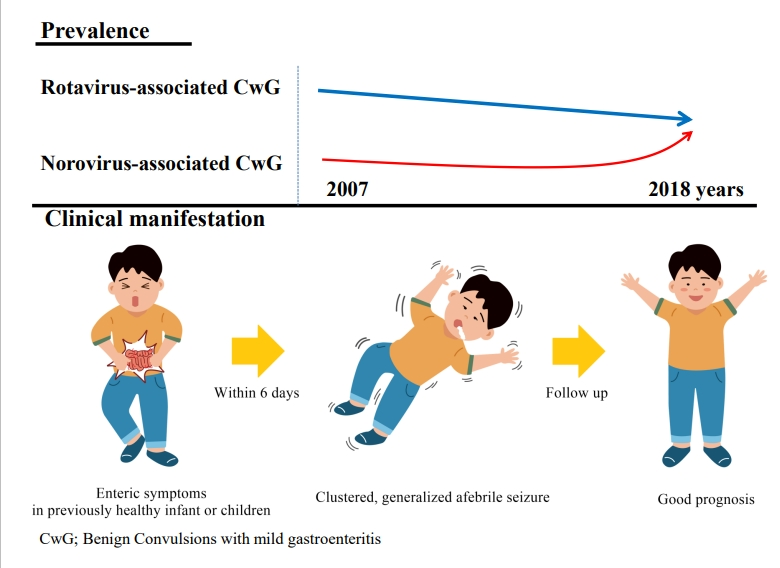
Crisis benign-associated gastroenteritis.
Patterns of neuropathic involvement.
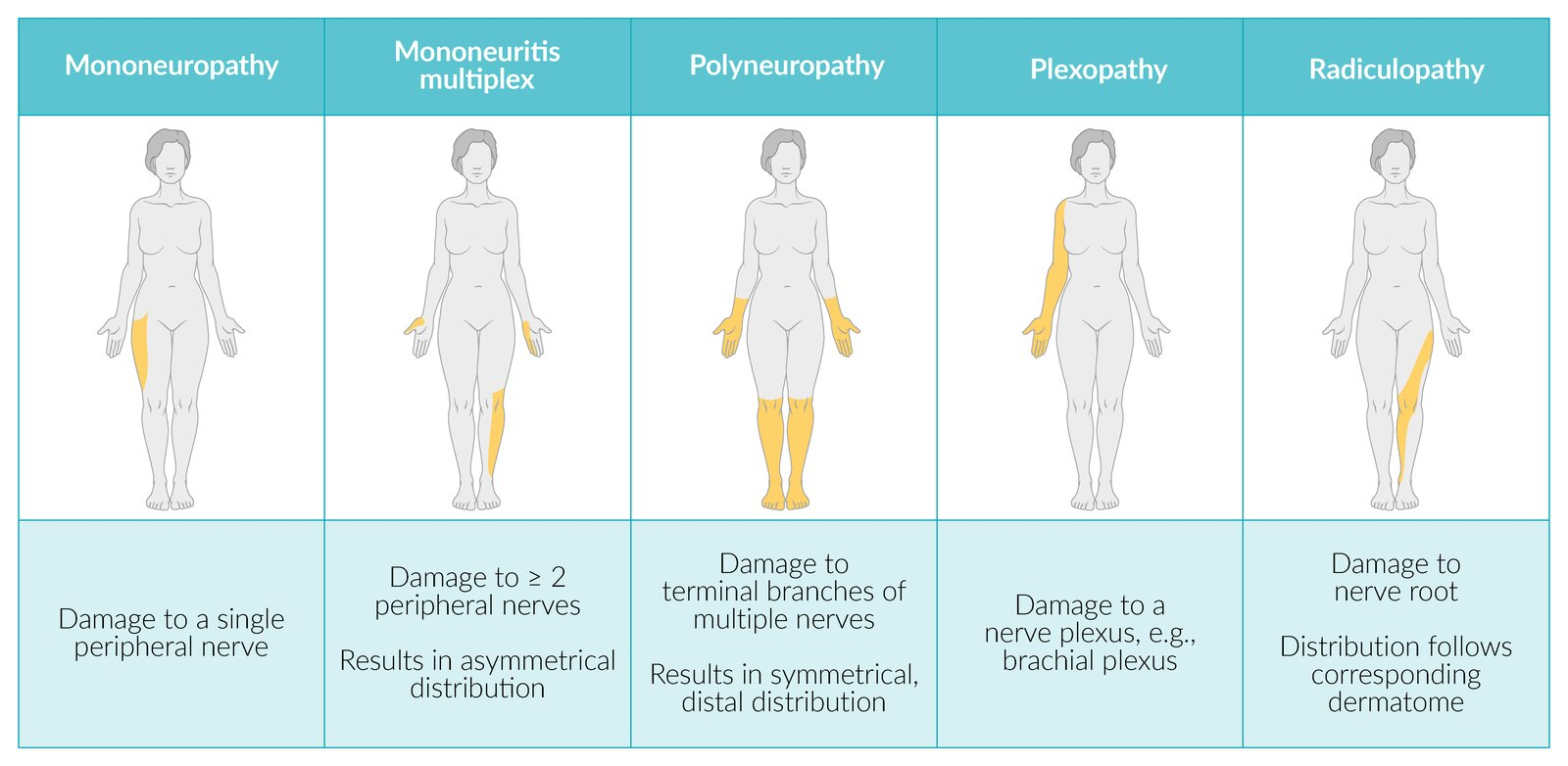
Electromyographic Patterns of Neuropathic Affectation The electrophysiological study helps to differentiate the underlying cause of weakness by identifying whether the nerve involvement is demyelinating or axonal: Axonal Pattern: It is characterized by a marked reduction in the amplitude of motor (CMAP) and sensory (SNAP) action potentials, with normal nerve conduction velocities or only...
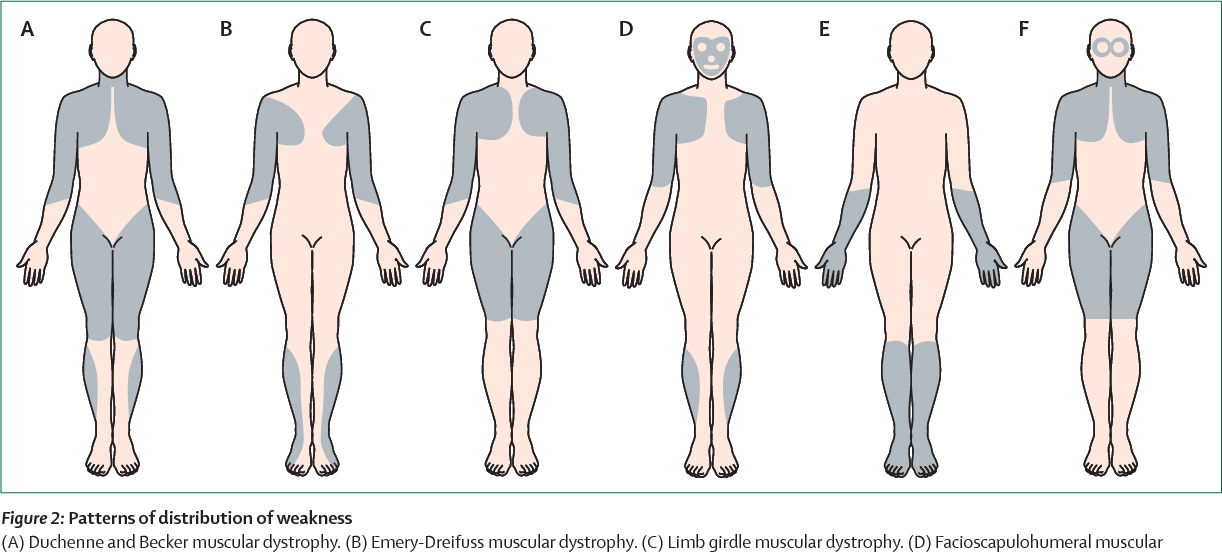
Weakness patterns in muscle diseases.
PIND (progressive intellectual and neurological deterioration).
Childhood dementia is a classic term in pediatric neurology, which has tried to become more operative through the concept of PIND (progressive intellectual and neurological deterioration), which seeks to encompass all neurodegenerative syndromes of childhood. This concept includes: There are targeted screening tests...
Continue reading «PIND (progressive intellectual and neurological deterioration).»
Dyke-Davidoff-Masson syndrome.
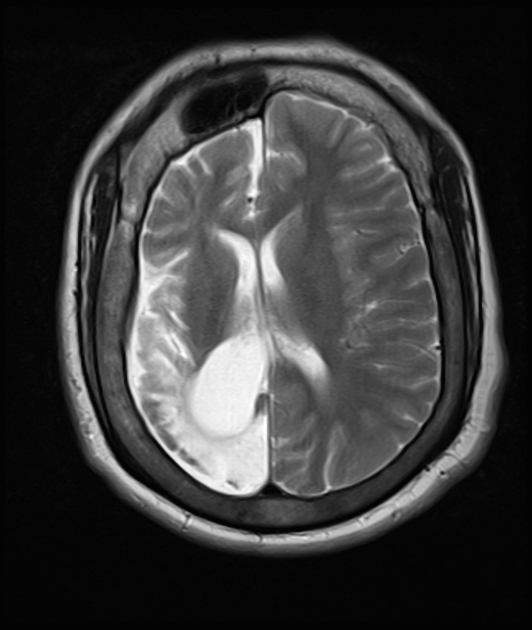
Dyke-Davidoff-Masson syndrome is a specifically pediatric syndrome characterized by hemicerebral atrophy or hypoplasia secondary to a brain insult usually in the fetal period or early childhood, which is why it is accompanied by an associated cranial growth disorder, characterized by compensatory ipsilateral bone hypertrophy and hyperpneumatization of the paranasal sinuses …
Dyke-Davidoff-Masson syndrome.
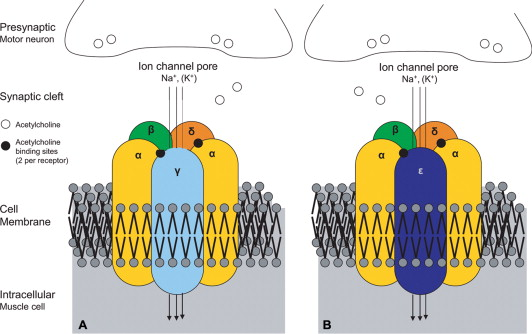
Transient neonatal myasthenia is a rare complication of maternal myasthenia gravis. Around 10-15% of children born to mothers with anti-acetylcholine receptor (AChR) antibodies, and less frequently anti-muscle-specific kinase (MuSK). Symptoms are usually apparent from the 3rd day of life, and in almost all cases …
Continue reading «Miastenia congénita y trastorno por inactivación de AChR fetal.»
Congenital Zika infection.
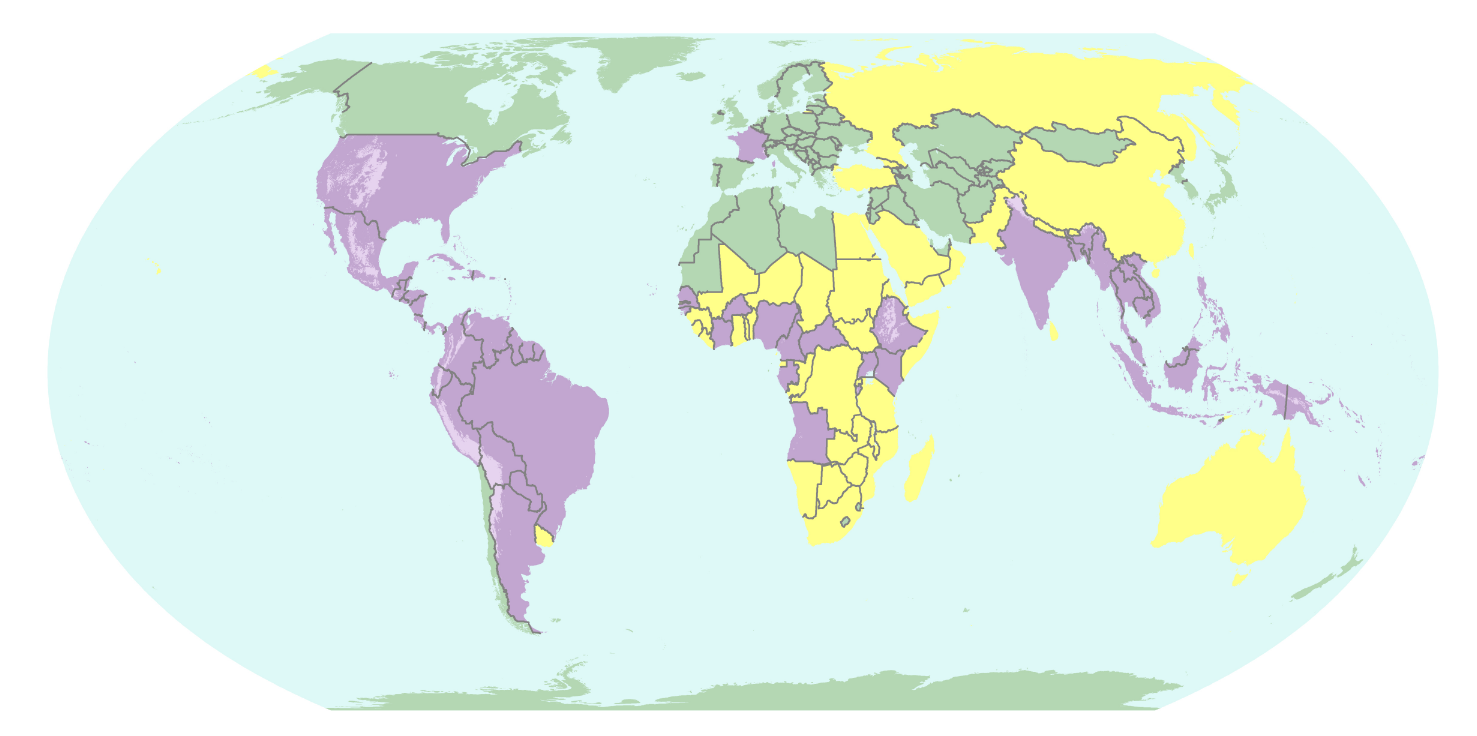
CDC diagnostic algorithm and geographic areas affected by Zika virus outbreaks.