
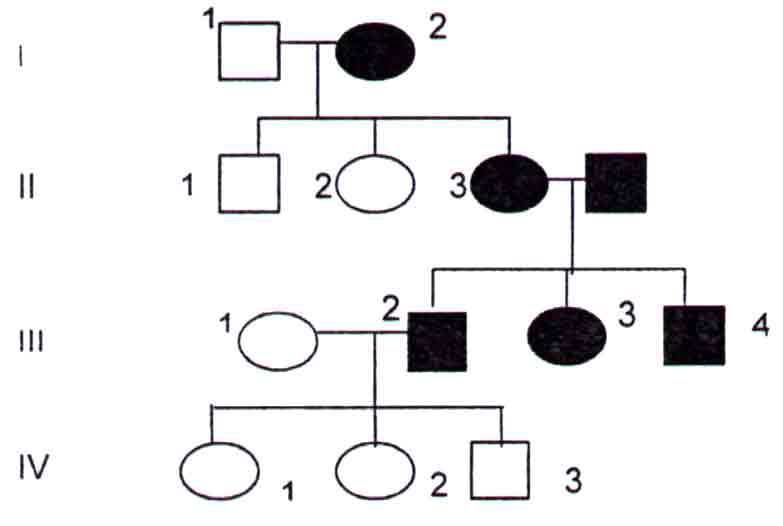
Mendelian: Autosomal dominant. Autosomal recessive. X-linked. Non-mendelian: Imprinting. Mosaicism. Dynamic mutations (Short tandem repeats).
Category archives: Neurogenetics
X-linked inheritance with female susceptibility.
In X-linked inheritance, it has classically been considered that the transmission pattern occurs from carrier females to affected males, and that therefore, a carrier female would have a 50% probability of conceiving affected males and a 50% probability of conceiving carrier females. However, this assumption is only met in …
Continue reading «Herencia ligada al X con susceptibilidad femenina.»
Diseases do not diagnosticables by sequencing.

Limitations of exome sequencing:
Protocol for reevaluation and reclassification of variants of uncertain significance (VUS).
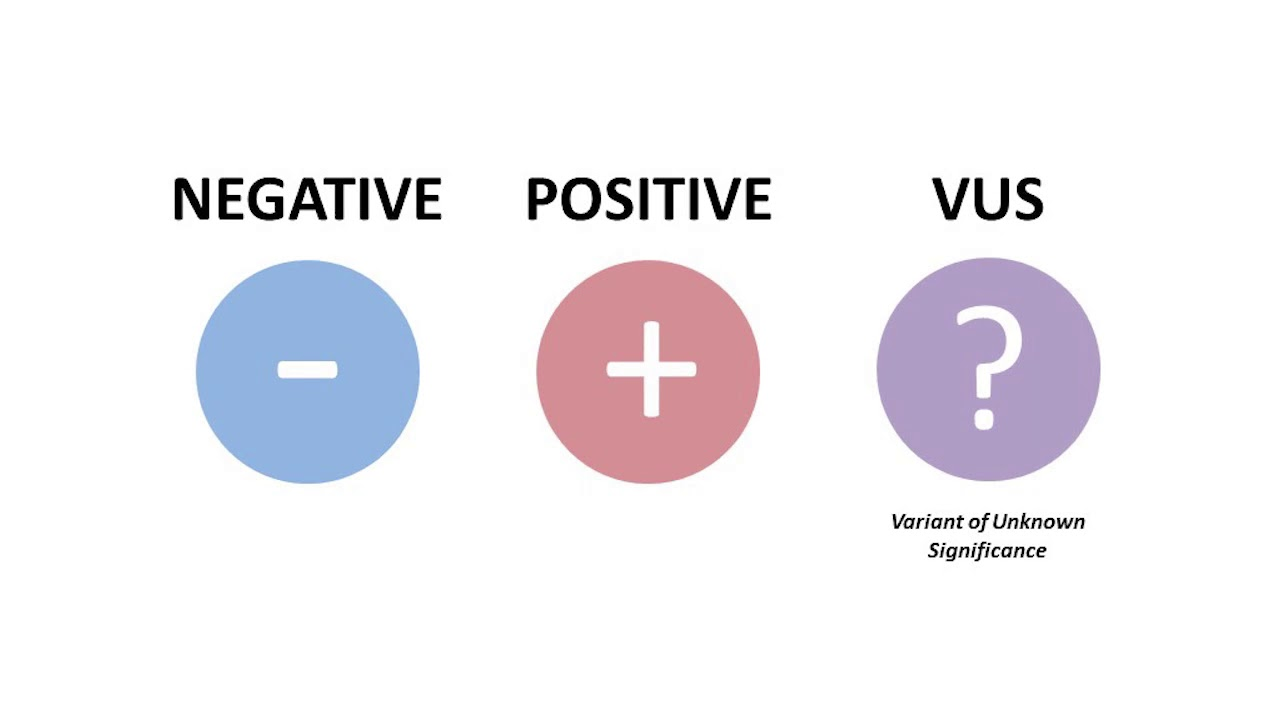
The results of a genetic study are not definitive, and in the case of variants of uncertain significance, it is necessary to continue investigations to clarify their meaning.
Syndromes of microdelección and microduplication.
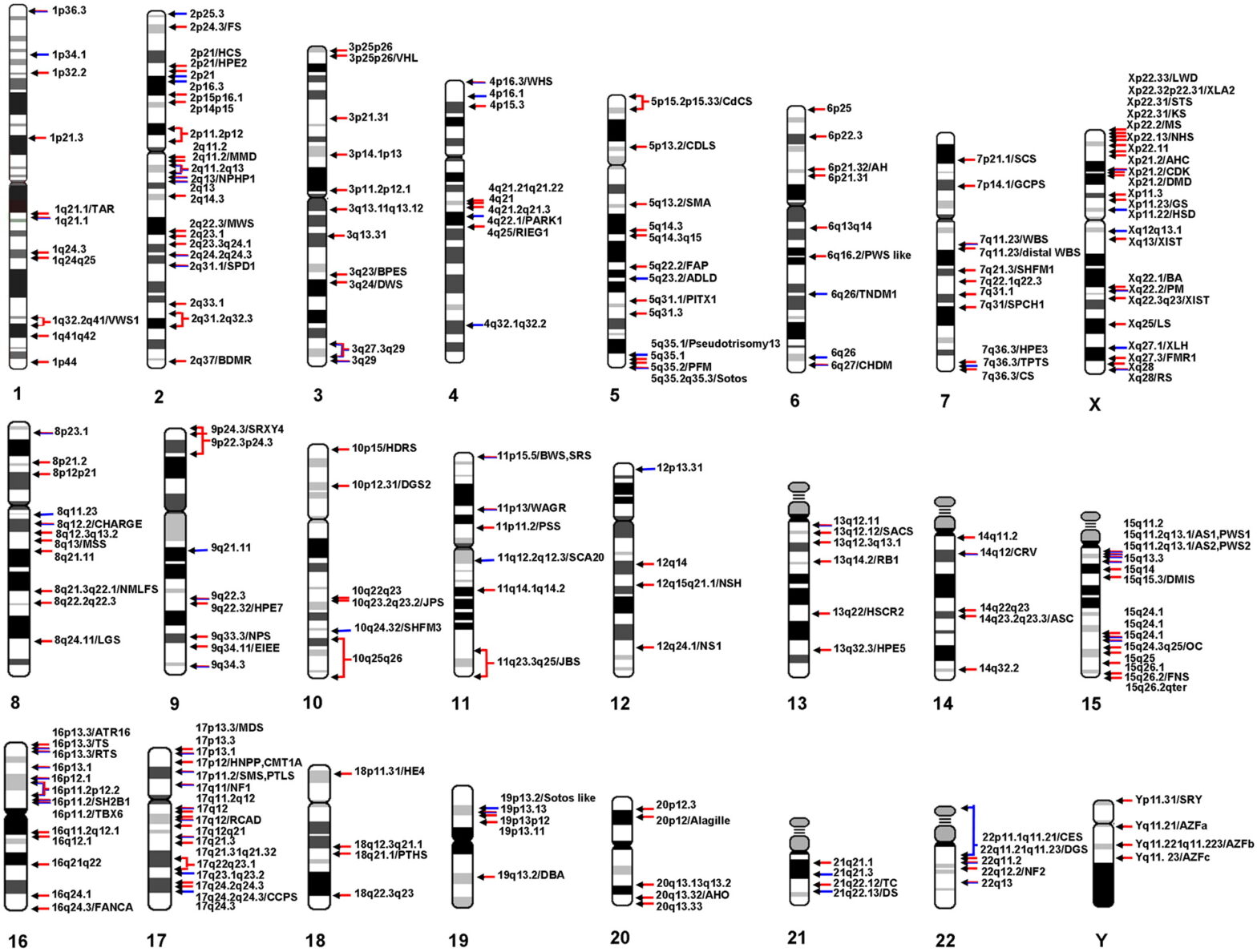
On the Decipher website, an updated list of all microdeletion and microduplication syndromes can be consulted. More and more microduplication and microdeletion syndromes have been identified over the last few years, with the growing use of aCGH in research and clinical practice. They can be classified based on …
Continue reading «Síndromes de microdelección y microduplicación.»
Genetic diseases in minoritary populations.

In our geographical area there are two minority populations that are of interest from a genetic point of view, mainly because they have historically practiced endogamy and show high consanguinity, and because they have experienced genetic bottlenecks that have given rise to the founder effect in some diseases.
Genetic nomenclature
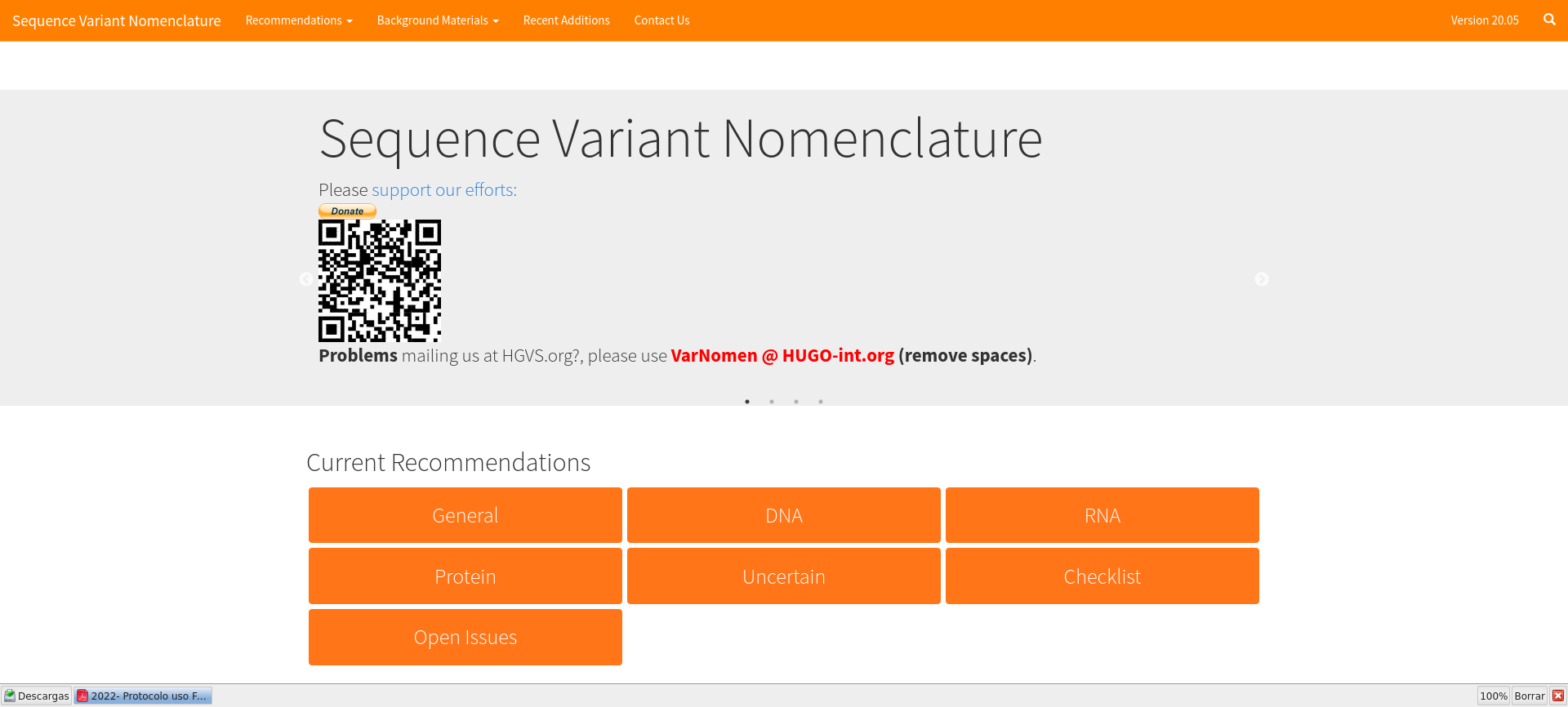
The nomenclature of genetic variants is standardized, and rules exist for its use. On the Varnomen website you can find the rules for using genetic nomenclature.
Pathogenicity of a variant.

To establish the causality of a genetic variant with respect to a phenotype, sufficient scientific evidence must be obtained. The pathogenicity classification proposed by the ACMG establishes 5 classification categories: Benign, likely benign, variant of uncertain significance, likely pathogenic, and pathogenic. These categories are defined based on the probability that a … exists.
Gene Reviews

GeneReviews is a resource from the United States National Institutes of Health, which compiles updated and high-quality information on genetic diseases, including examinations that should be performed at diagnosis and the health program recommended for follow-up.
Rarechromo

Rarechromo is the website of the Unique association, a UK NGO dedicated to creating quality information on genomic and chromosomal disorders.