
Pulling the rope. What to do when a diagnosis is not reached.

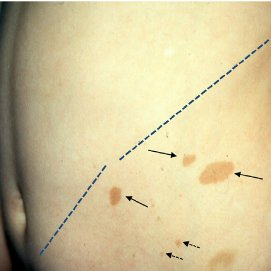
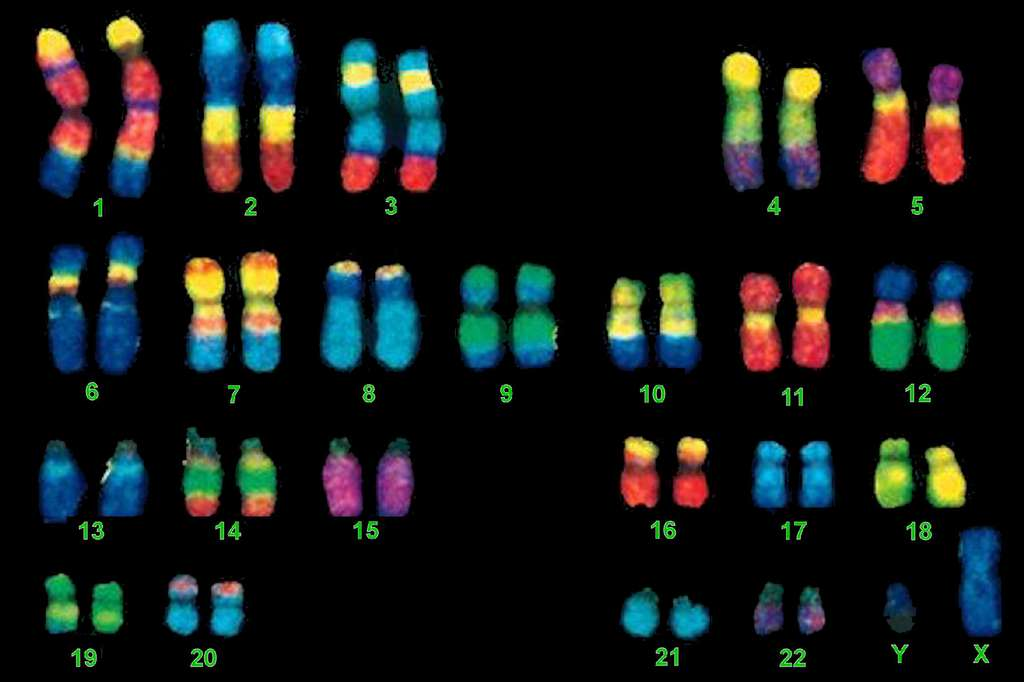
We are evaluating a child with a neurodevelopmental disorder in whom we suspect a genetic cause because they present suggestive findings (e.g., associated multiple congenital malformations). We performed an aCGH which was normal. We also performed a clinical exome (mendeliome) which did not provide information …

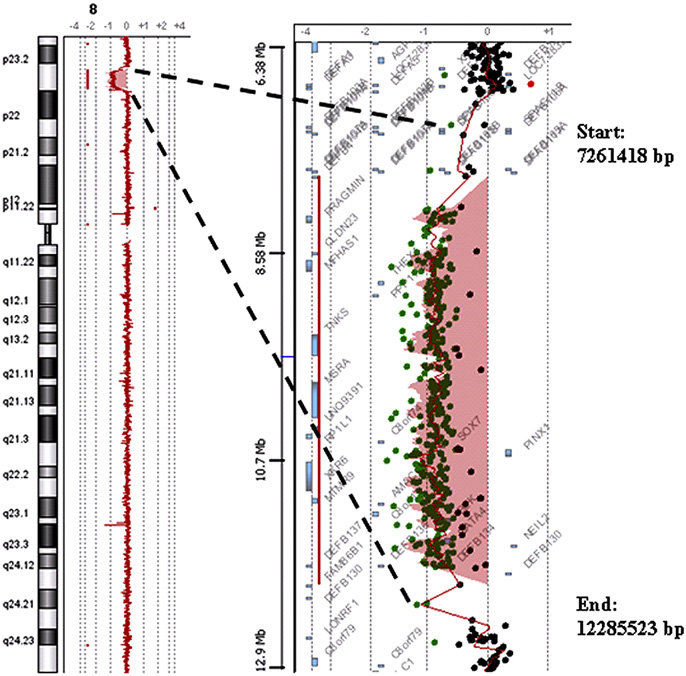
Criteria of realization of aCGH.

Comparative genomic hybridization array (aCGH) is the first-choice complementary genetic exploration in children with global developmental delay/intellectual disability and/or multiple congenital malformations, according to AAP, AAN, ISCA, and ACMG clinical guidelines. 1. Moeschler JB, Shevell M; Committee on Genetics Comprehensive evaluation of the child with intellectual disability …

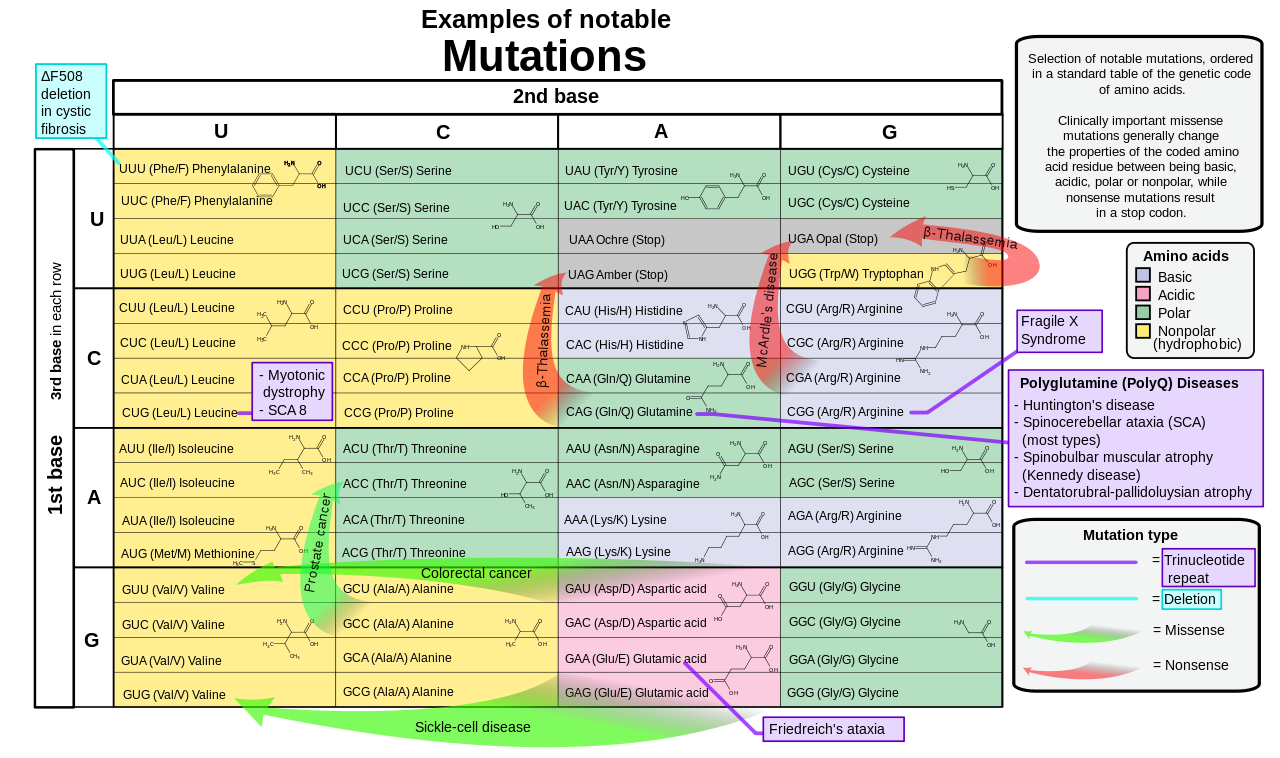
TR (tandem repeat) disorders.

1. Classification by unit size 2. Why they are unstable (common mechanism) Clinical consequence: genetic anticipation = phenotypic manifestation of this increasing meiotic instability (paternal or maternal bias depending on the disease). 3. Three mechanisms depending on the location of the repeat (STR block) A) Coding exon, triplets (CAG=polyQ) B) Non-coding region (UTR, intron), large expansion…

Notable mutations!

Notable Mutations Database This resource provides an up-to-date registry of pathogenic variants and genetic mutations that have relevant clinical impact or notable scientific interest in neuropediatrics and neurodevelopmental genetics. Includes detailed annotations on variants in ion channels (SCN1A, KCNQ2) and neuronal transporters with direct phenotypic correlation.