
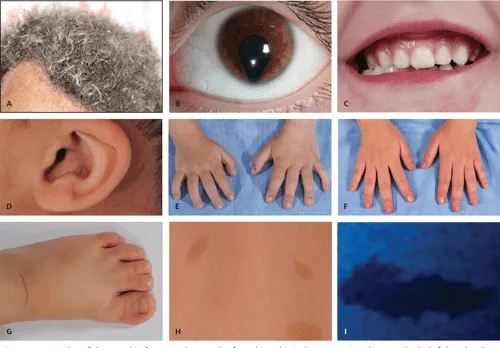
Diagnostic suspicion is based on 3 pillars: There are several diagnostic strategies, which can be grouped into:
Category archives: Clinical method
Motor development.
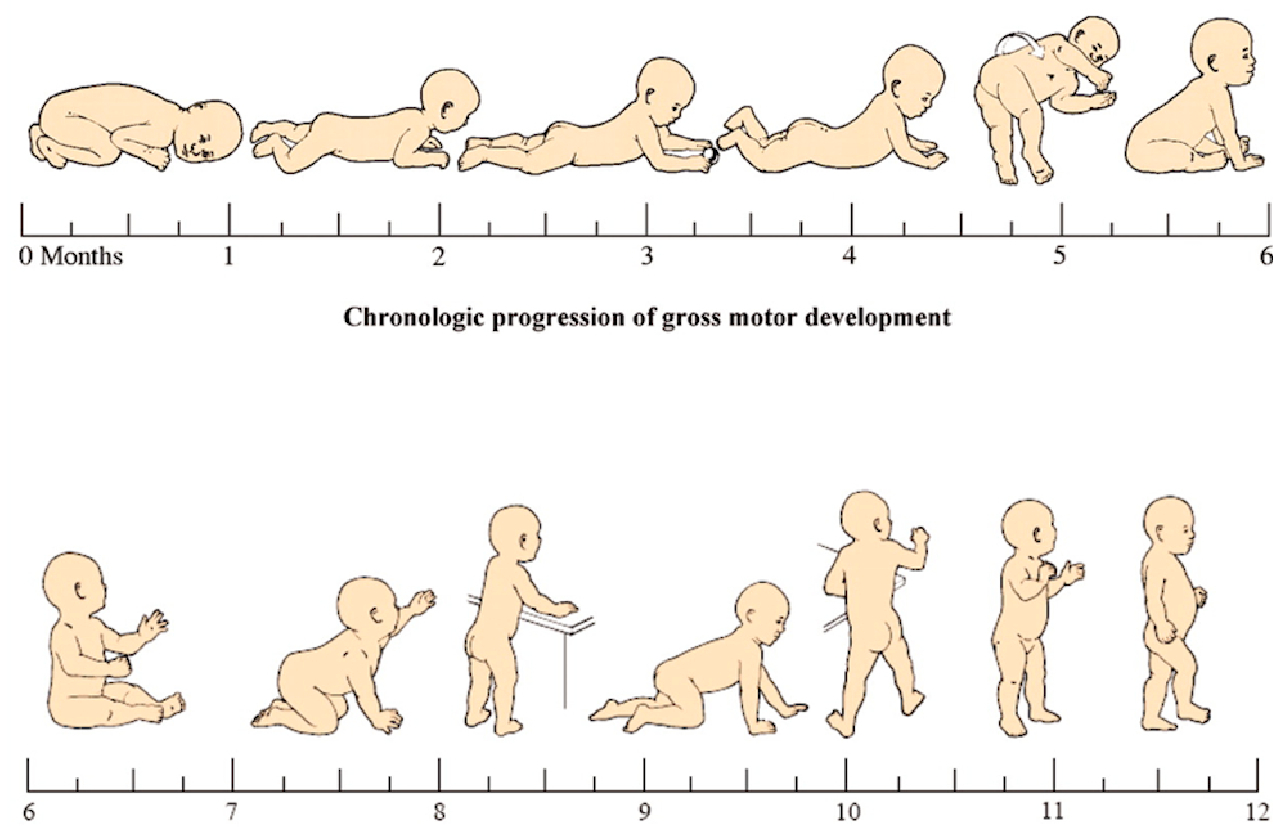
Red flags of neurodevelopment (red flags).

Developmental disorders of the visual pathway (and optic chiasm).
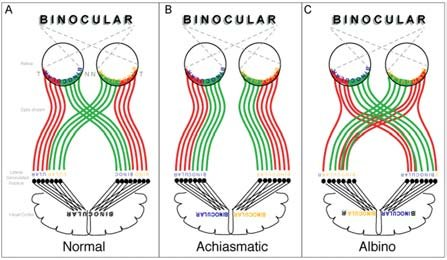
Oculocutaneous albinism is a genetic disorder that conditions not only a retinopathy, but other alterations in the embryological development of the visual pathway, and therefore of neurodevelopment. The main consequence is a loss of stereopsia. There are other neurodevelopmental disorders that also share characteristics with oculocutaneous albinism, such as the syndrome ...
Continue reading «Trastornos del desarrollo de la via visual (y el quiasma óptico).»
Brachial preference before 2 years of age.
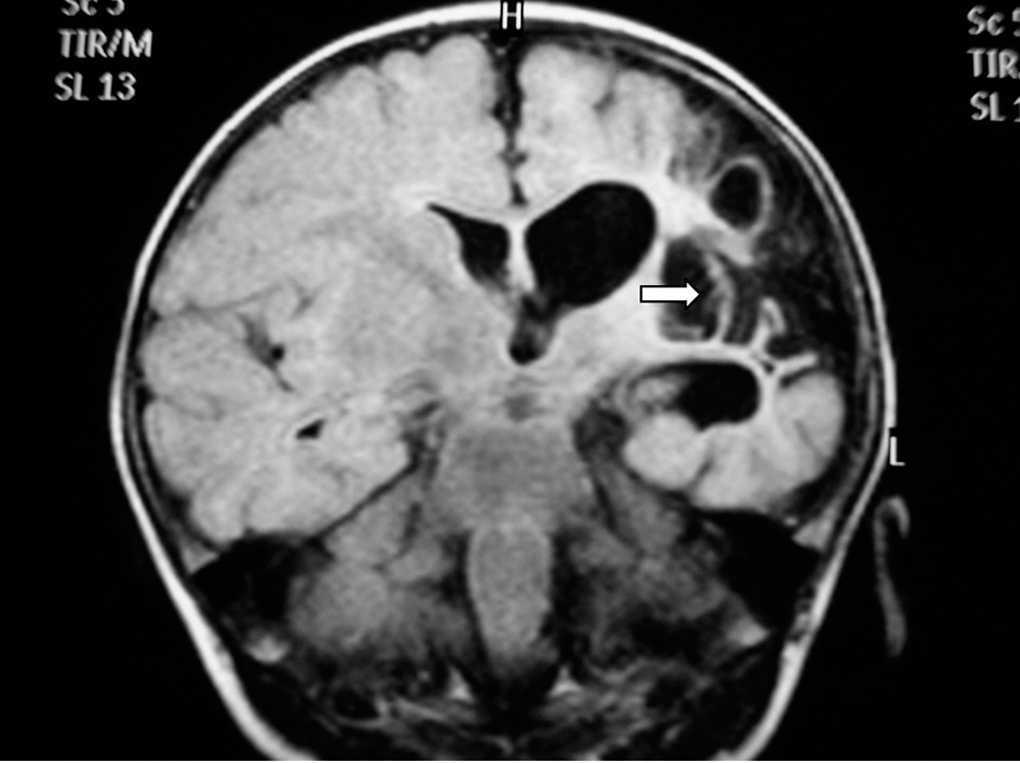
The development of laterality is one of the curiosities of pediatric neurology that occur during neurodevelopment, and is a direct consequence of human anatomy (the existence of a brain divided into 2 cerebral hemispheres) and the process of progressive specialization that takes place during learning, in which certain areas ...
Continue reading «Preferencia braquial antes de los 2 años de edad.»
Exploration dismorfológica.
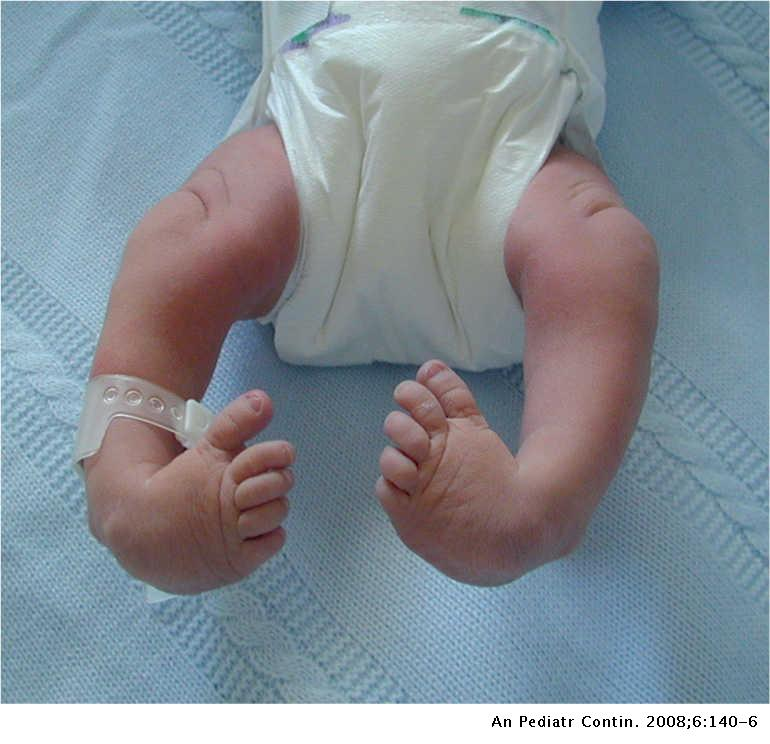
When to suspect a genetic disease?
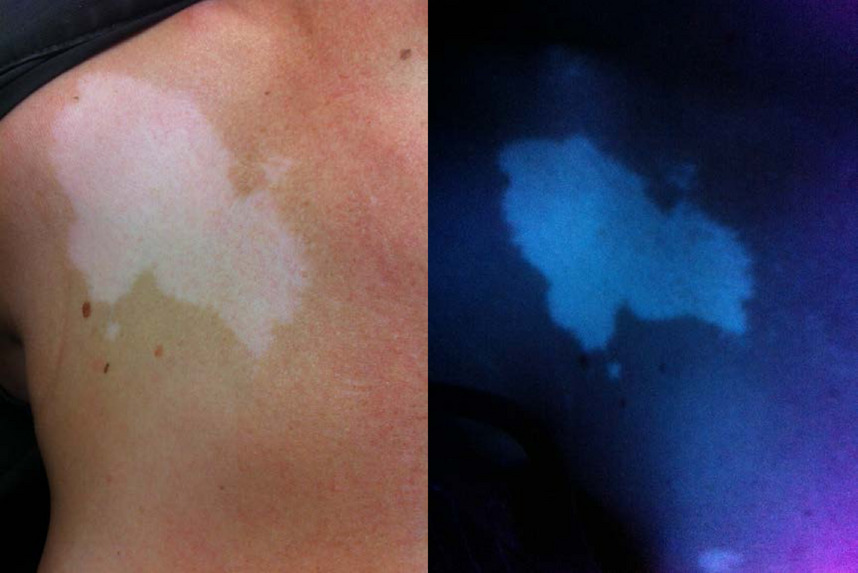
Exploration neurocutaneous.
Coarse facies.
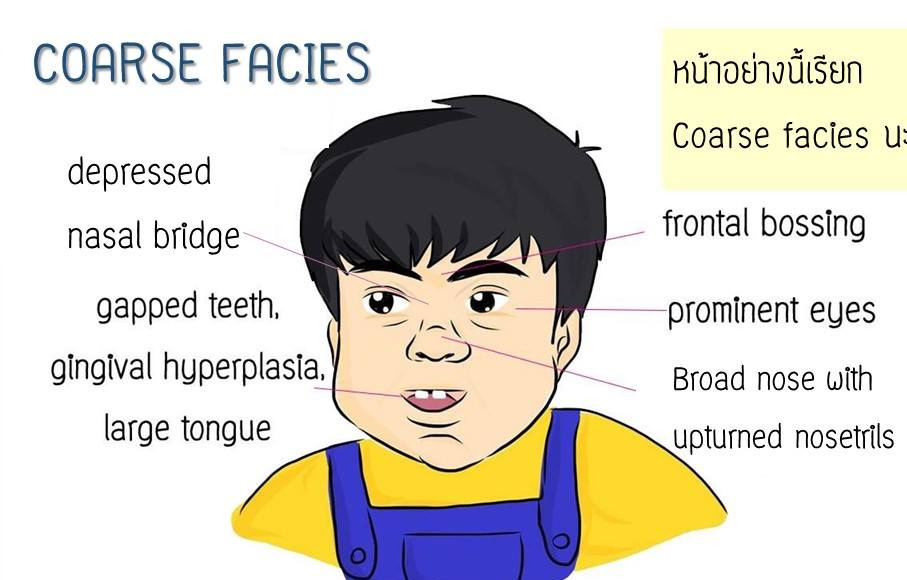
There are many metabolic diseases characterized by coarse facies. Most of them are storage diseases and present a progressive phenotype that becomes more evident with age, making early diagnosis difficult. The best strategy is to implement a targeted screening, using GAGs in a...
Socio-emotional development.

Social and emotional development at 2 months of age Social and emotional development at 4 months of age Social and emotional development at 6 months Social and emotional development at 9 months Social and emotional development at 12 months Social and emotional development at 18 months Social and …
Cognitive assessment of the child.

In clinical practice we have 2 main strategies to obtain information about a child's cognitive functioning.