
Family suspicion of deafness represents
Category archives: Neurological diseases
Neurodevelopmental disorders.
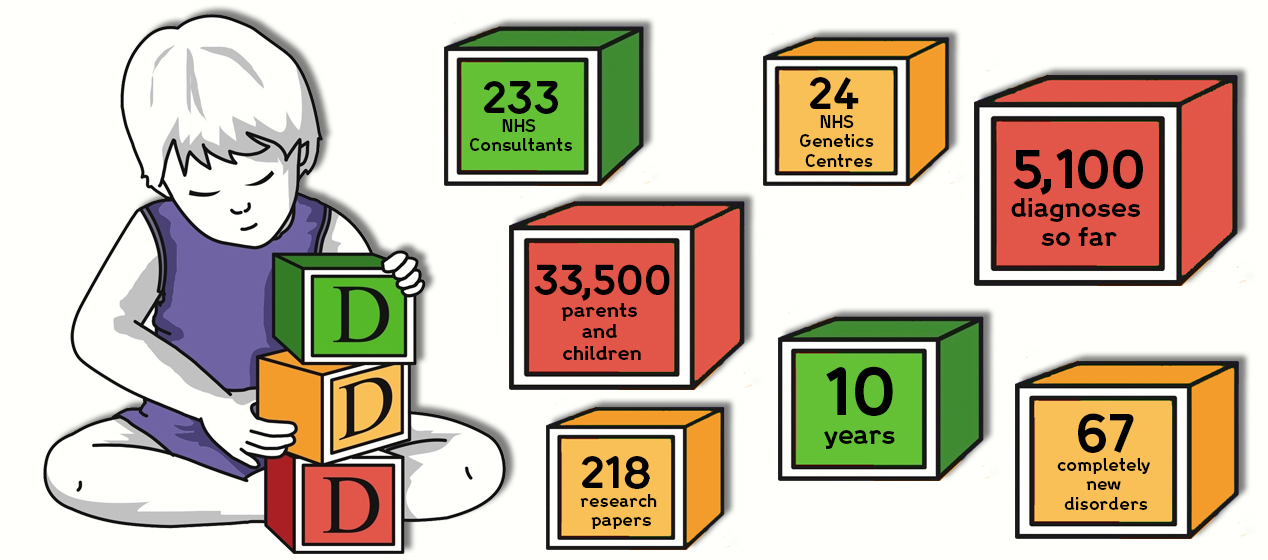
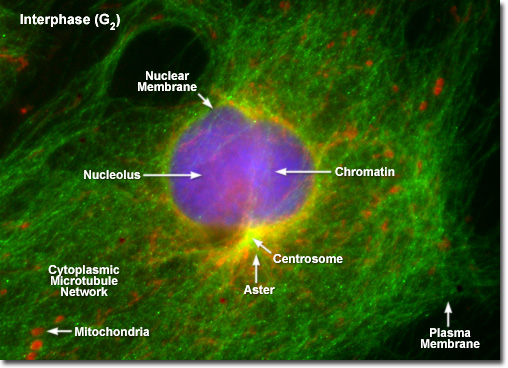
Cromatinopatías.
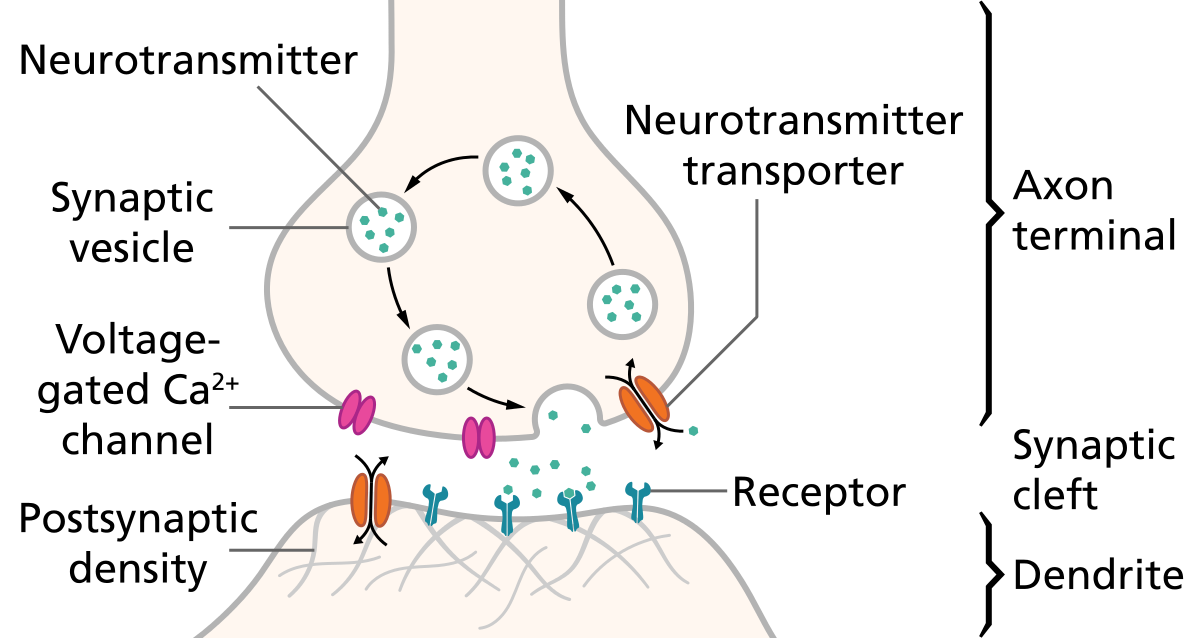
Sinaptopatías.
The comorbid diagnosis of ASD and ID requires that social communication be below what is expected for the general developmental level (Criterion E of DSM-5). The clinical differentiation between both entities in young children or those with severe disability is particularly complex, requiring a multidisciplinary approach and systematic phenotypic refinement.
SLC, solute carriers
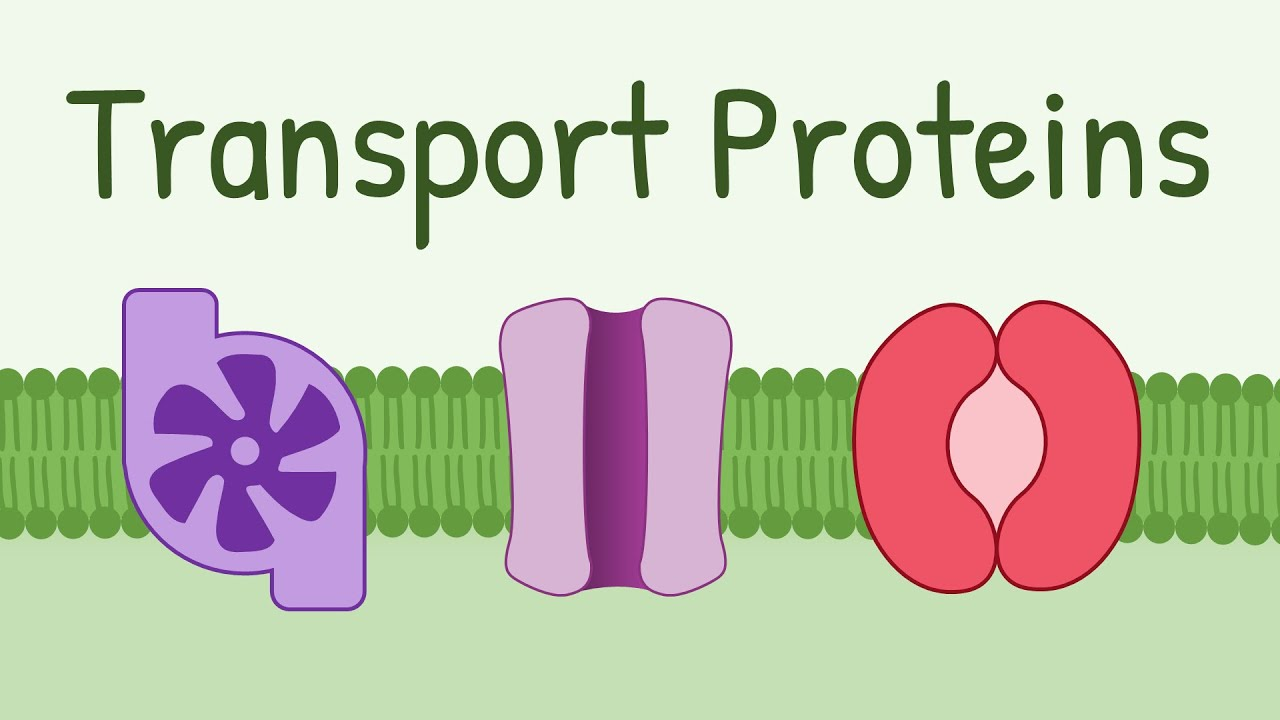
The prevalence of ASD in individuals with ID is higher than in the general population, and its precise identification is fundamental for designing a specific therapeutic plan.
CSWS
POCS: Puntilla Ondalosa Continua del Sueño La puntilla ondalosa continua del sueño (POCS) es una encefalopatía epiléptica edad-dependiente caracterizada por la presencia de estatus epiléptico durante el sueño profundo, con repercusiones cognitiva-conductuales importantes. También se le conoce como síndrome de Penelope. El síndrome de Landau-Kleffner (o espectro epilepsia-afasia) es un subtipo de esta enfermedad, en …
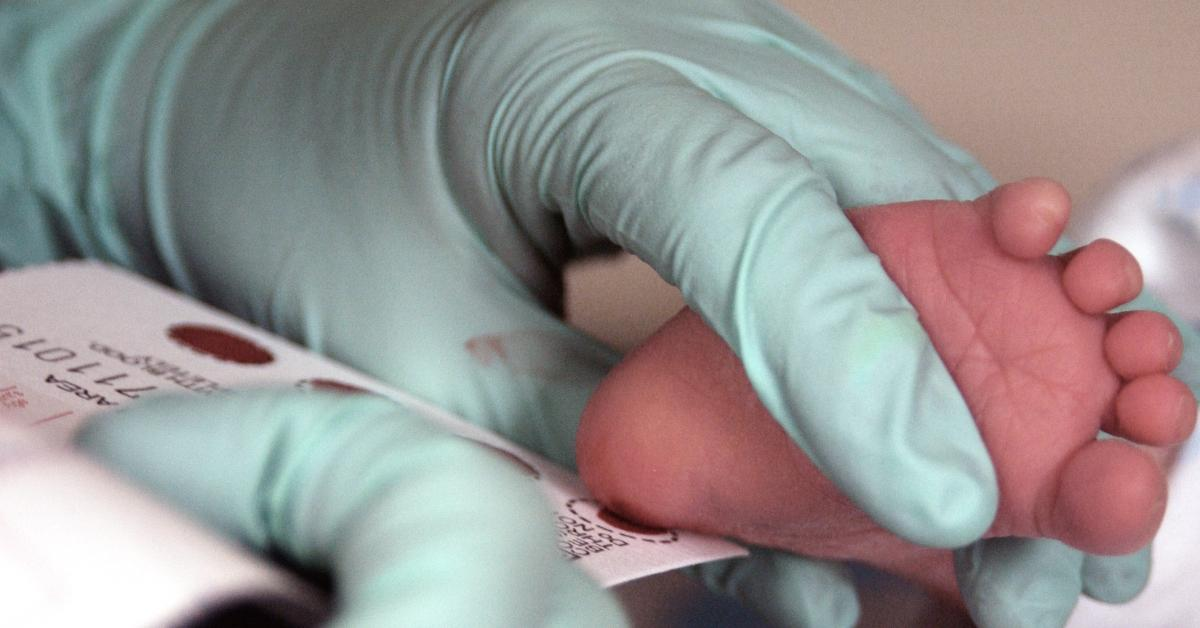
Newborn Screening in other countries
Parental age and neurodevelopment.

Neuroplacentology.
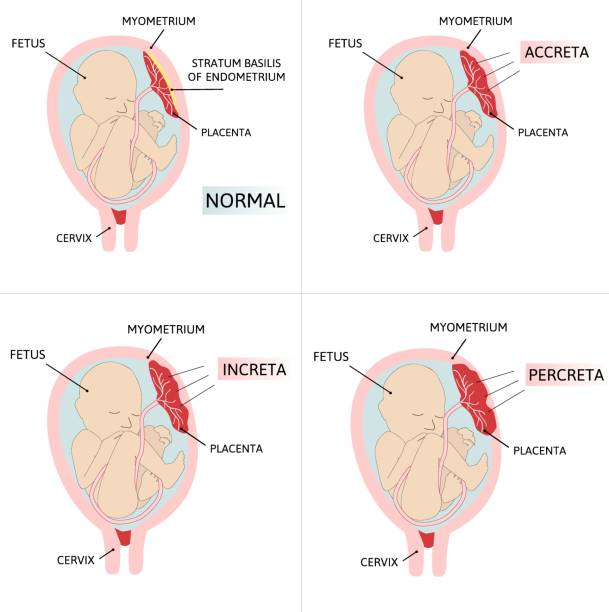
Placental disease has consequences on the fetal brain and the newborn, and it is necessary to understand some of the placental pathologies that may be responsible for future neurological problems.