
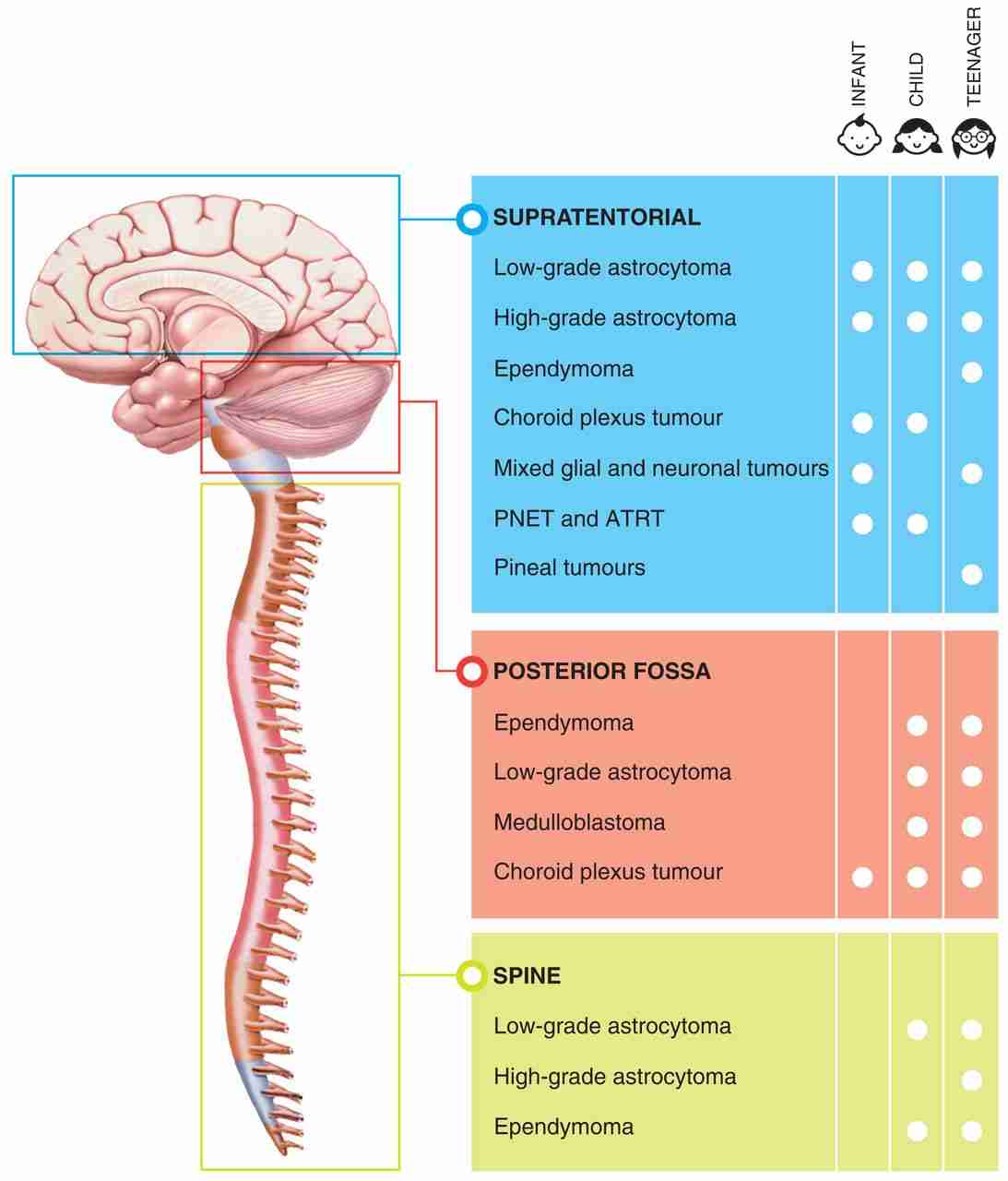
Pediatric Central Nervous System (CNS) Tumors CNS tumors represent the most common solid tumors in childhood and the second overall cause of childhood cancer after leukemias. They are predominantly located in the posterior fossa (infratentorial) unlike adults. Common Histological Types Pilocytic Astrocytoma: WHO Grade I,…
Category archives: Neurological diseases
Exploration neurocutaneous.

Developmental trajectory and stages of Rett syndrome.

Rett syndrome, a neurodevelopmental disorder linked to the X chromosome (MECP2 gene), typically progresses through four defined clinical stages that mark its developmental trajectory:
Developmental trajectory of MLD (metachromatic leukodystrophy).
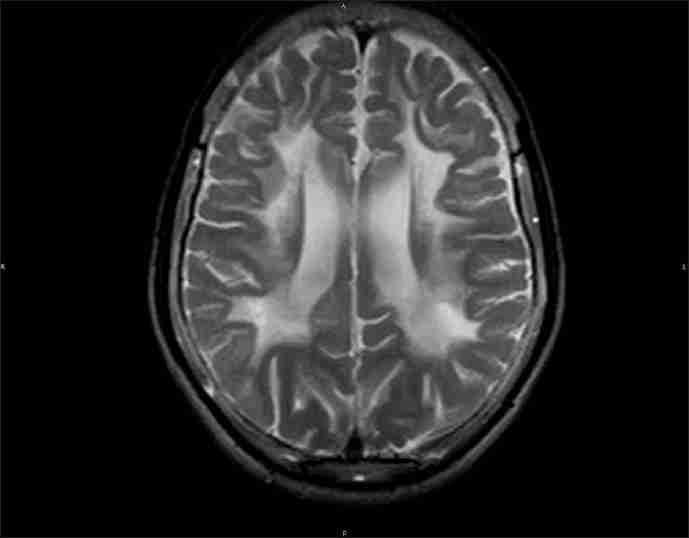
Metachromatic Leukodystrophy (MLD): Developmental Trajectories Metachromatic leukodystrophy is an autosomal recessive inherited lysosomal storage disease characterized by deficiency of the enzyme arylsulfatase A (ARSA), causing the accumulation of sulfatides and progressive demyelination of the central and peripheral nervous system. Clinical Forms and Late Childhood Trajectory (typical): It manifests between the first…
Continue reading «Trayectoria de desarrollo de la MLD (leucodistrofia metacromática).»
CLN development trajectories.
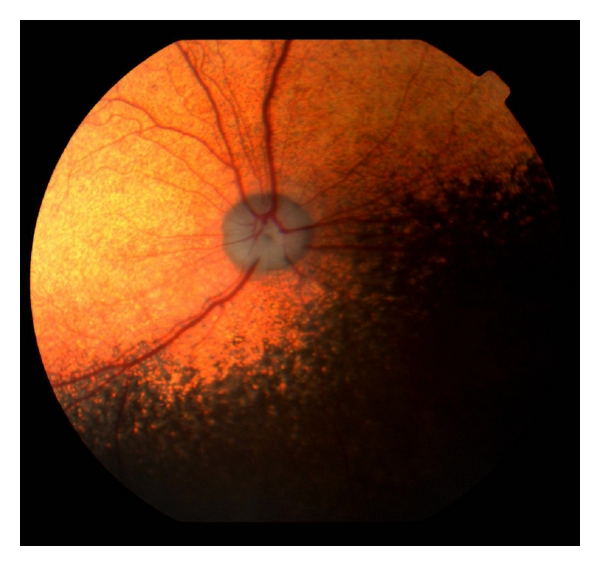
Neuronal Ceroid Lipofuscinosis (CLN): Developmental Trajectories Ceroid neuronal lipofuscinosis (CLN), commonly called Batten disease, group together a set of rare lysosomal-based neurodegenerative disorders characterized by the intralysosomal accumulation of fluorescent ceroid lipofuscin material. Common Path of Symptoms Progressive and rapid loss of visual acuity leading to blindness (to...
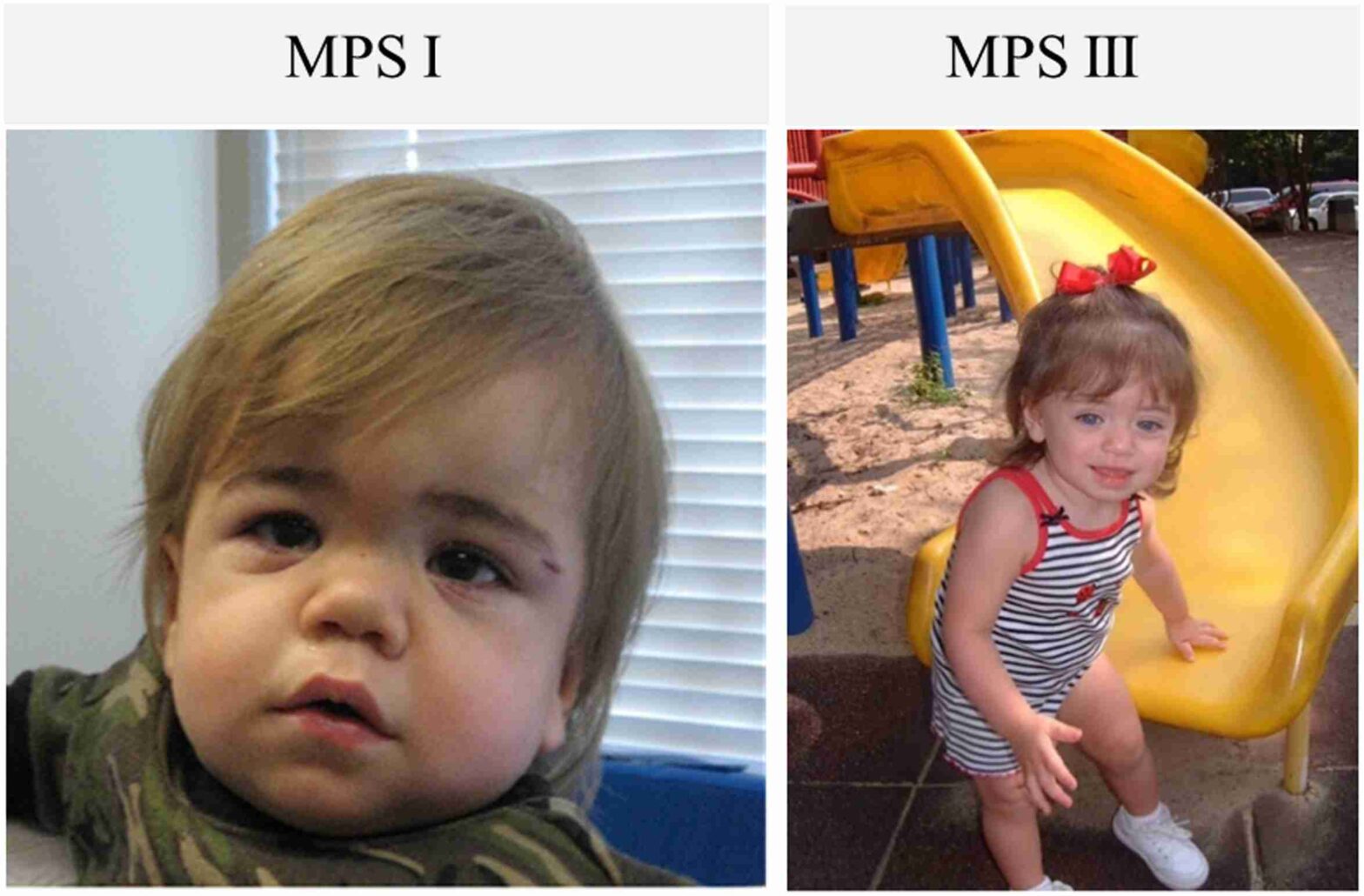
Differential development trajectories of MPs.
Tuberous Sclerosis.

Tuberous sclerosis is a neurocutaneous disease with special involvement of the CNS, which is associated with an increased oncological risk and involvement of other organs and systems.
Non-pharmacological treatment of ADHD.

Syndromic neurodevelopmental disorders. Keys to diagnosis.

Warning symptoms of ASD.
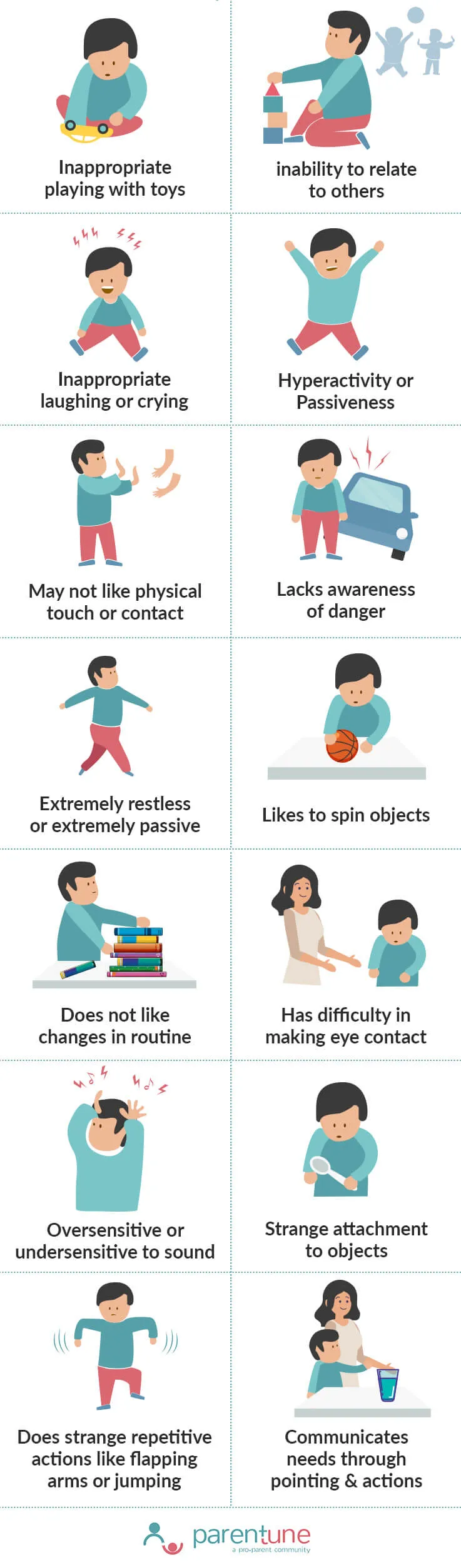
Signos de Alarma y Banderas Rojas de TEA en la Infancia La detección precoz del Trastorno del Espectuality Autista (TEA) es crucial para implementar intervenciones tempranas eficaces. Se deben monitorizar estrechamente las siguientes señales de alerta: A los 6 meses: Ausencia de sonrisa social, expresión facial limitada o falta de contacto ocular constante. A los …