Category archives: Neurological diseases
Familial spastic paraparesis.
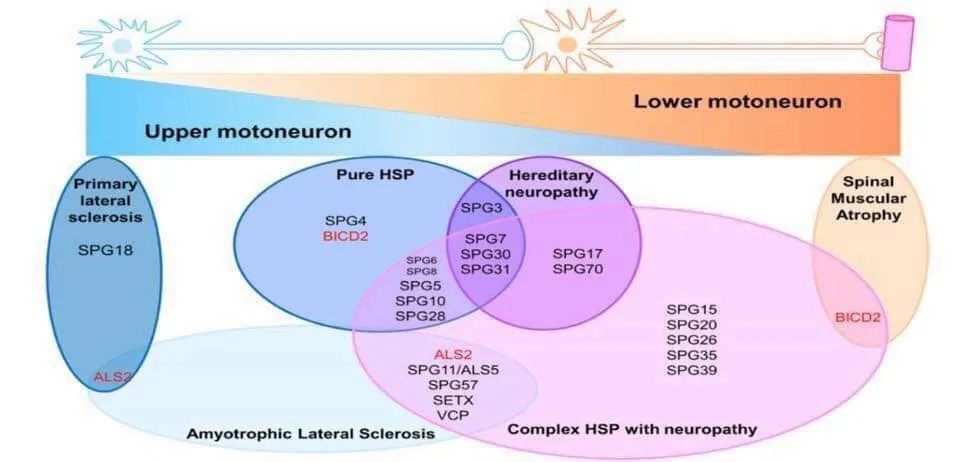
https://www.frontiersin.org/articles/10.3389/fmolb.2021.690899/full
Semiology of pediatric movement disorders.

To interpret the semiology of motor disorders, it is necessary to know the hierarchy of control of the motor system.
Classification of epilepsies of the ILAE Task Force.

Transmissible epilepsy and development.
Beyond the ion channel.
"De novo" mutations.
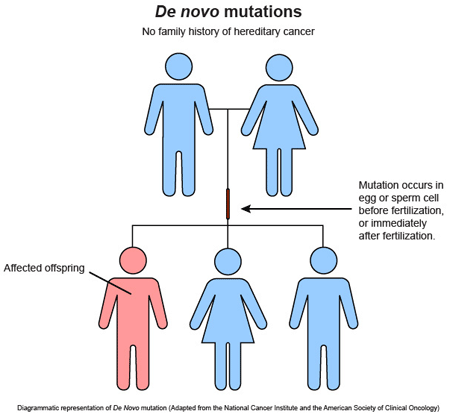
In recent years, "de novo" mutations, those not inherited from either parent, have gained special relevance in pediatric neurology, for several reasons:
When do you suspect an error congenital metabolism?
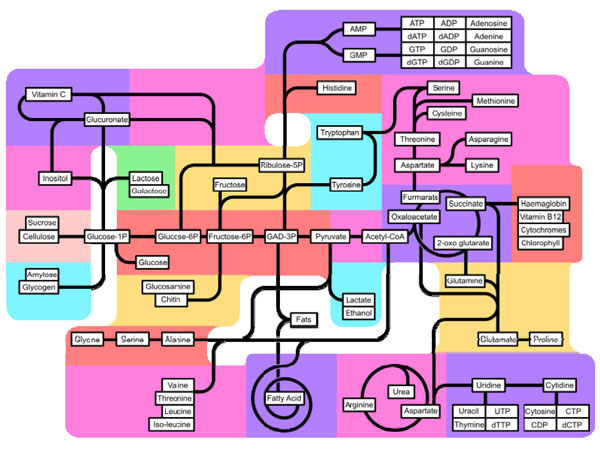
Inborn errors of metabolism are diseases usually of autosomal recessive inheritance (although there are some of X-linked inheritance), and in some cases they are susceptible to curative treatment, which is why it is important to identify them early.
Redhead

Hair colour can be a biomarker of some diseases (hypopigmentation), so it is important to know the geographical distribution of some clinical traits with a genetic basis.
Developmental disorders of the visual pathway (and optic chiasm).
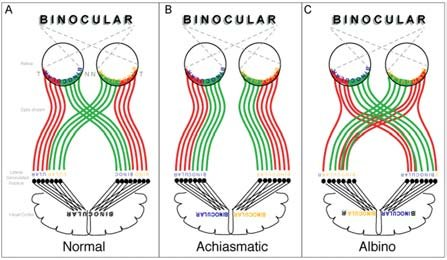
Oculocutaneous albinism is a genetic disorder that conditions not only a retinopathy, but other alterations in the embryological development of the visual pathway, and therefore of neurodevelopment. The main consequence is a loss of stereopsia. There are other neurodevelopmental disorders that also share characteristics with oculocutaneous albinism, such as the syndrome ...
Continue reading «Trastornos del desarrollo de la via visual (y el quiasma óptico).»
Brachial preference before 2 years of age.
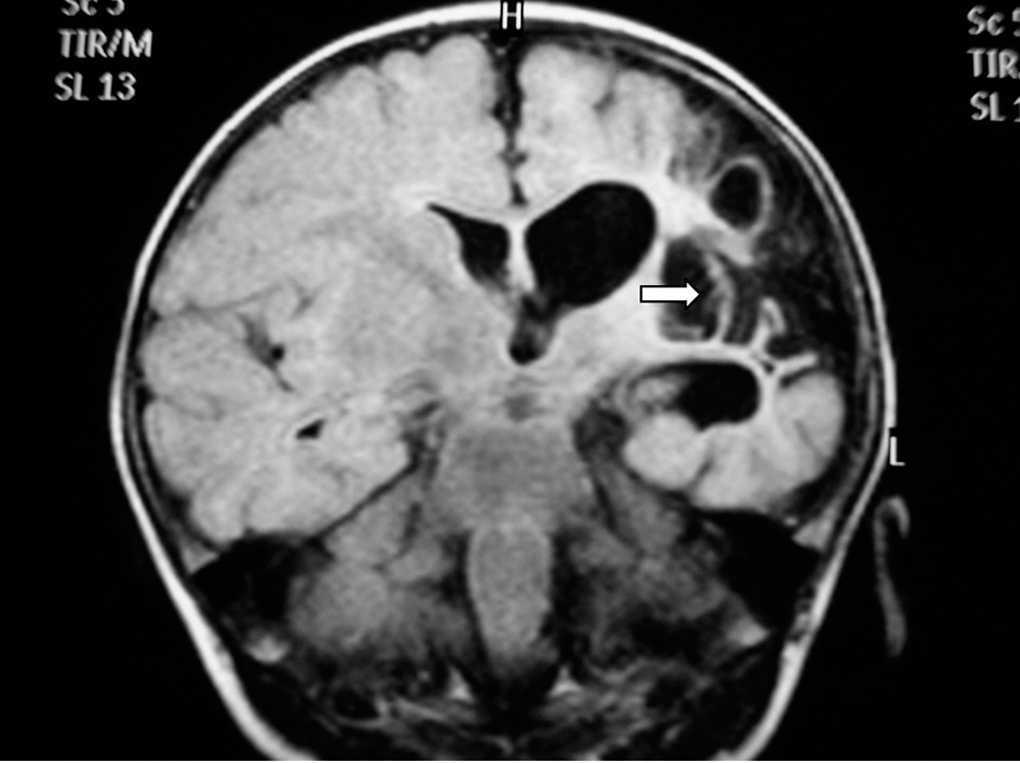
The development of laterality is one of the curiosities of pediatric neurology that occur during neurodevelopment, and is a direct consequence of human anatomy (the existence of a brain divided into 2 cerebral hemispheres) and the process of progressive specialization that takes place during learning, in which certain areas ...
Continue reading «Preferencia braquial antes de los 2 años de edad.»