
Category archives: Clinical guide
Redhead

Hair colour can be a biomarker of some diseases (hypopigmentation), so it is important to know the geographical distribution of some clinical traits with a genetic basis.
Red flags of neurodevelopment (red flags).

Developmental disorders of the visual pathway (and optic chiasm).
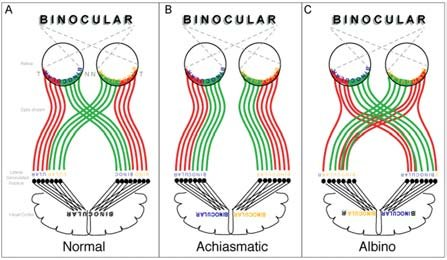
Oculocutaneous albinism is a genetic disorder that conditions not only a retinopathy, but other alterations in the embryological development of the visual pathway, and therefore of neurodevelopment. The main consequence is a loss of stereopsia. There are other neurodevelopmental disorders that also share characteristics with oculocutaneous albinism, such as the syndrome ...
Continue reading «Trastornos del desarrollo de la via visual (y el quiasma óptico).»
Brachial preference before 2 years of age.
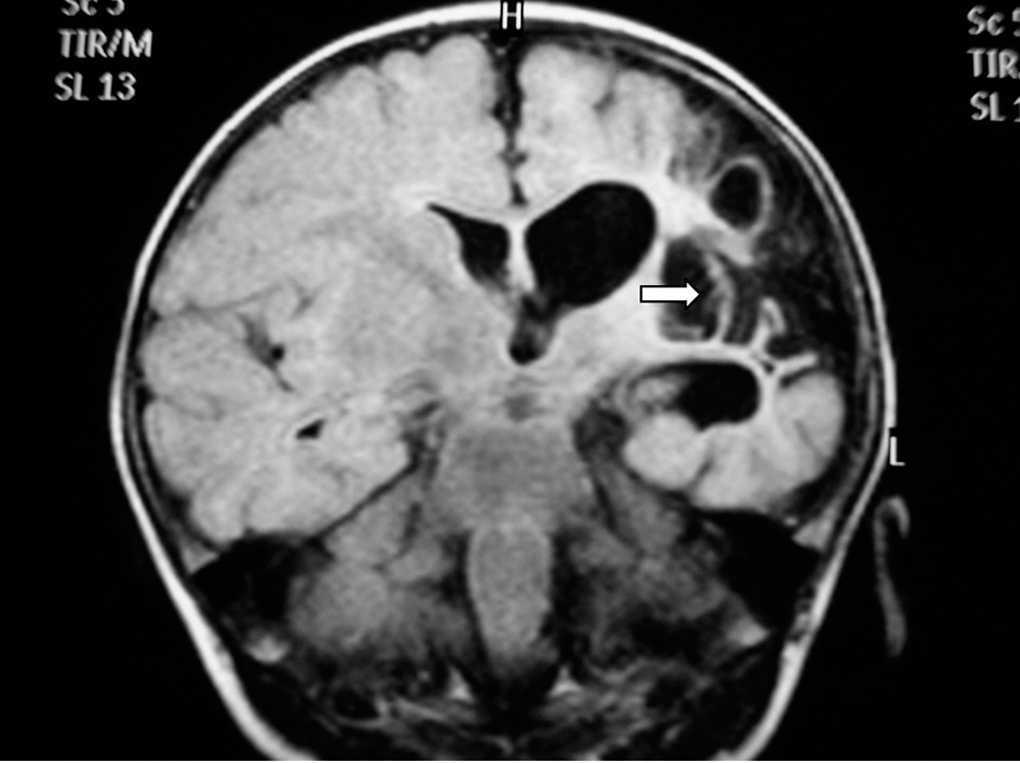
The development of laterality is one of the curiosities of pediatric neurology that occur during neurodevelopment, and is a direct consequence of human anatomy (the existence of a brain divided into 2 cerebral hemispheres) and the process of progressive specialization that takes place during learning, in which certain areas ...
Continue reading «Preferencia braquial antes de los 2 años de edad.»
Exploration dismorfológica.
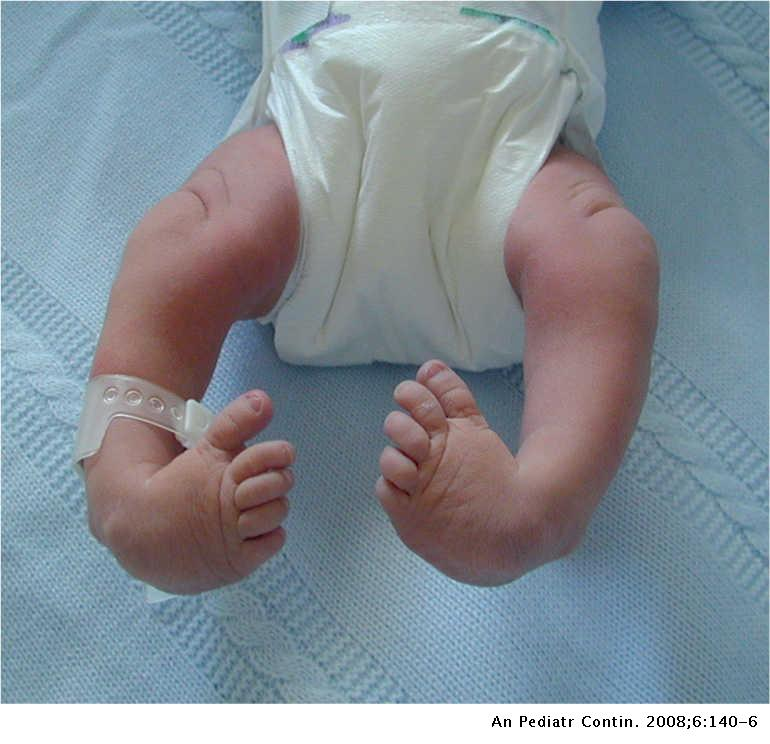
When to suspect a genetic disease?
Equipment-specific intervention in childhood and adolescence (EIIA)
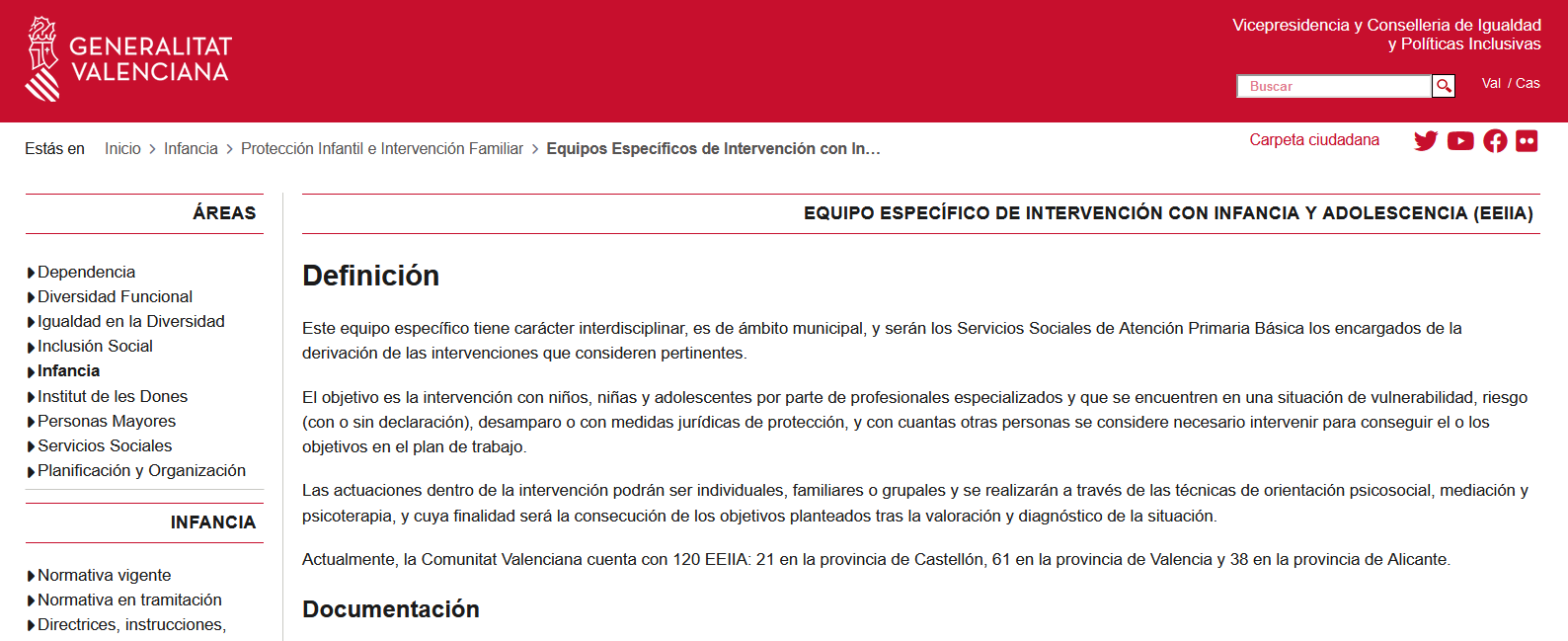
https://inclusio.gva.es/es/web/menor/servicios-especializados-de-atencion-a-familias-con-menores-en-situacion-de-riesgo-y-con-medidas-juridicas-de-proteccion455
Pediatric CNS tumors.
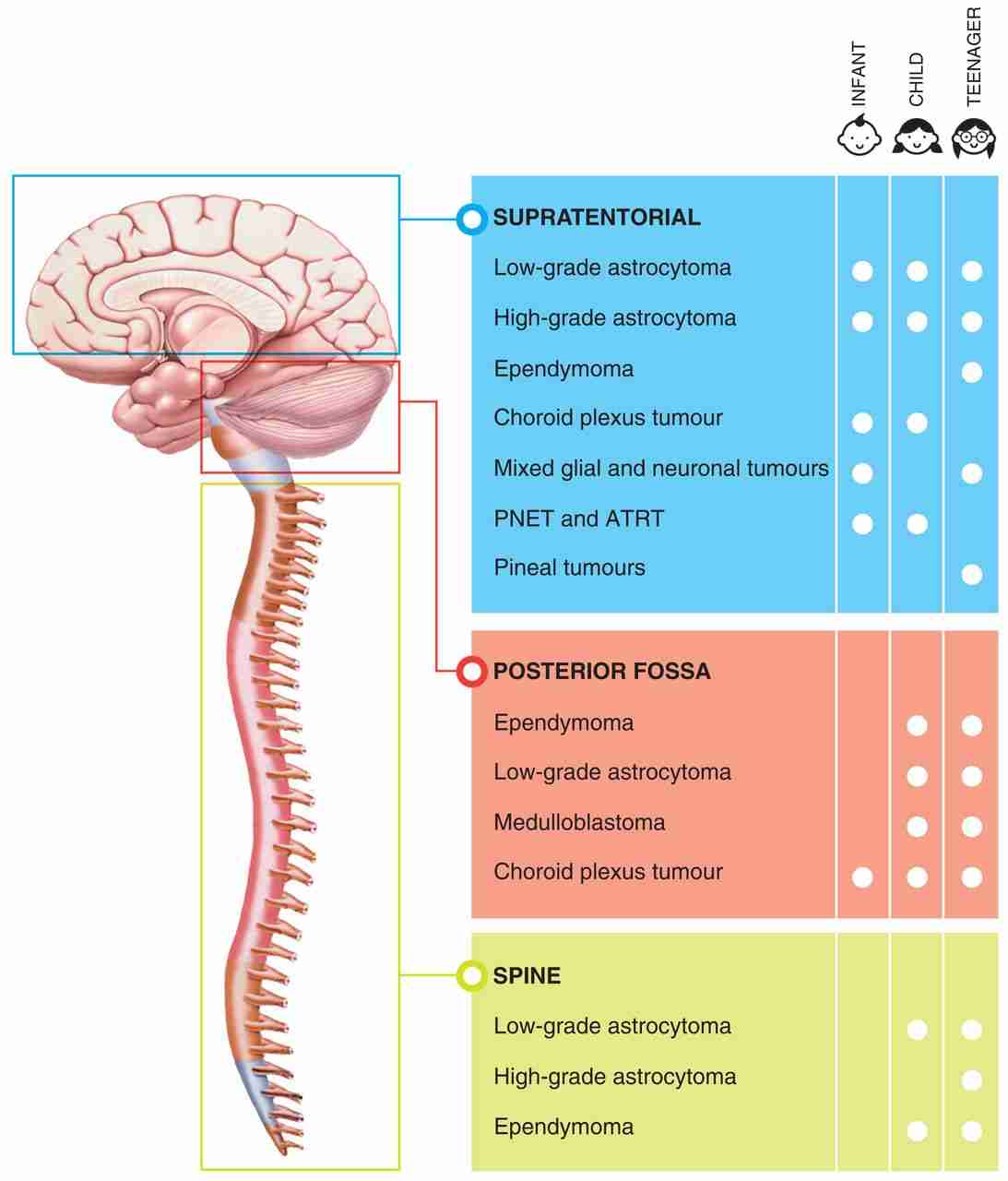
Pediatric Central Nervous System (CNS) Tumors CNS tumors represent the most common solid tumors in childhood and the second overall cause of childhood cancer after leukemias. They are predominantly located in the posterior fossa (infratentorial) unlike adults. Common Histological Types Pilocytic Astrocytoma: WHO Grade I,…
Exploration neurocutaneous.
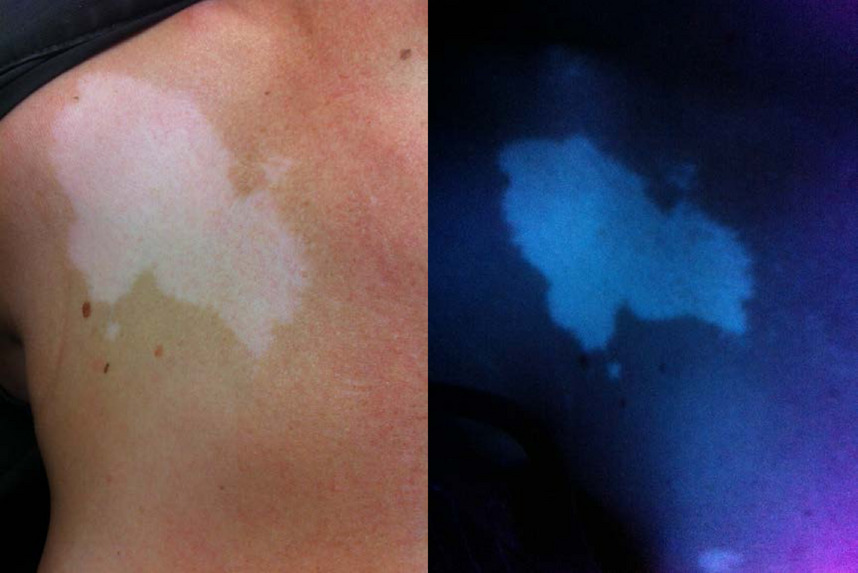
PATI (personal Assistant).
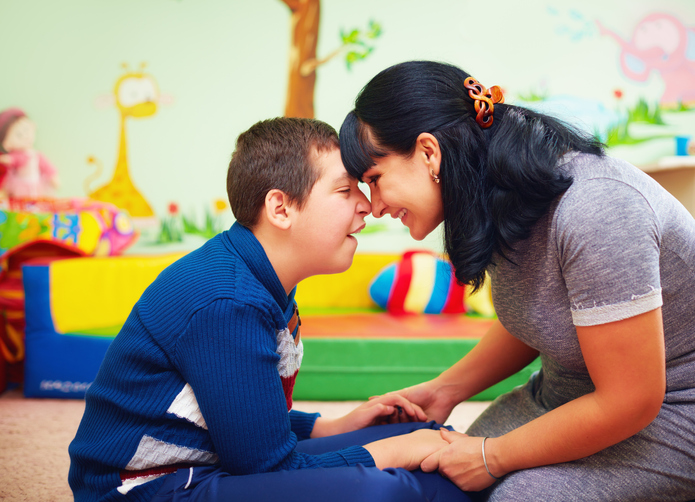
https://inclusio.gva.es/es/web/dependencia/asistente-personal