
Category archives: Clinical guide
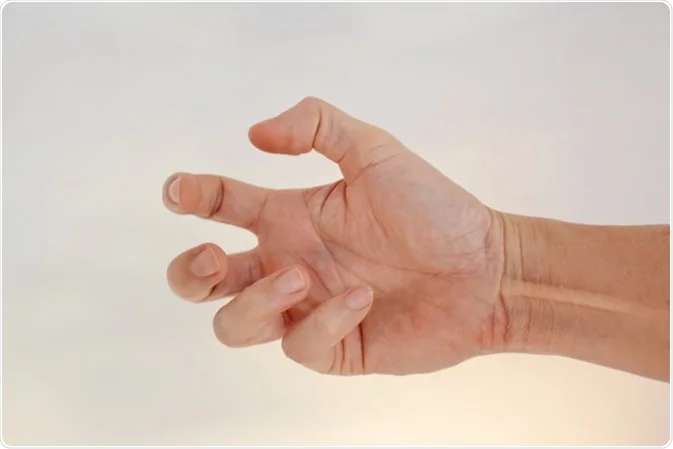
Genetics of movement disorders.
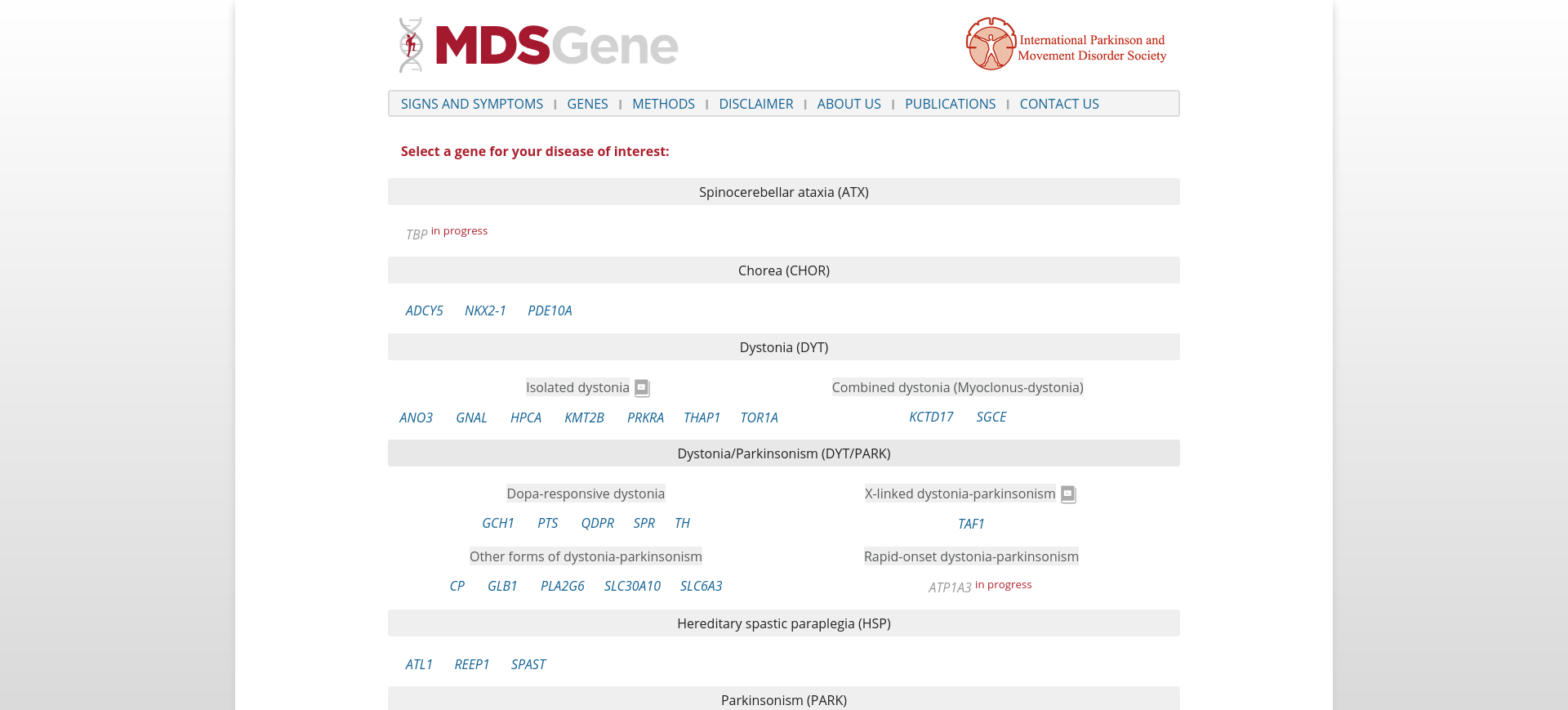
The MDSGene website contains a directory of currently well-established movement disorders of genetic origin.
Massive sequencing techniques.
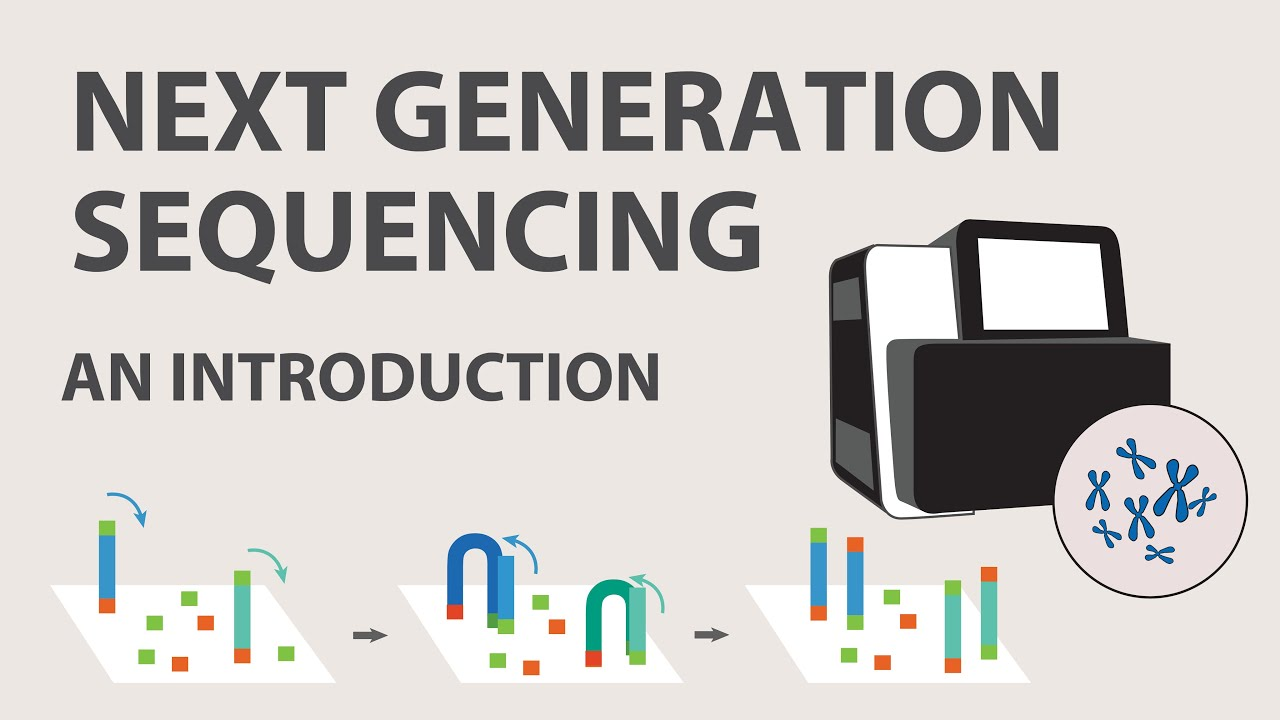
Under the concept of massive sequencing or NGS (next generation sequencing) there are multiple highly complex diagnostic techniques that have significantly increased the diagnostic possibilities in pediatric neurology. We can classify them based on several criteria. https://link.springer.com/chapter/10.1007/978-981-13-8844-6_15
Neurocutaneous syndromes.
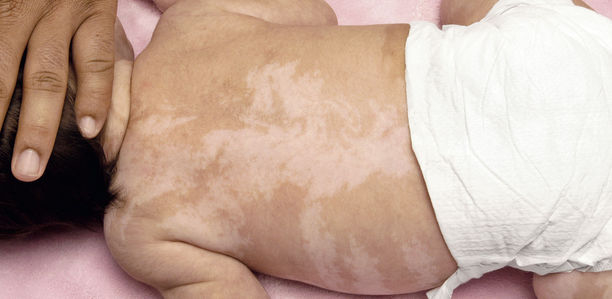
Aplasia cutis congenita. Nevus sebaceous of Jadassohn. Epidermal nevus. Schimmelpenning-Feuerstein-Mims syndrome. Pringle-Bourneville syndrome (tuberous sclerosis). Neurofibromatosis type 1 (von Recklinghausen). Incontinentia pigmenti. Congenital melanocytic nevus. Neurocutaneous melanosis. Xeroderma pigmentosum. Cockayne syndrome. Ehlers-Danlos syndrome. Klippel-Trenaunay-Weber syndrome. Proteus syndrome. Sjögren-Larsson syndrome. Sturge-Weber syndrome. Blue rubber bleb nevus syndrome. Incontinentia pigmenti …
Double trouble. Several genetic diseases in the same individual.

In the era of massive sequencing, access to the intensive study of the genome has provided a much deeper understanding of genetic variability, and how this can give rise to complex phenotypes from the combination of several monogenetic diseases in the same individual. It is estimated that in approximately 5% of …
Continue reading «Double trouble. Varias enfermedades genéticas en un mismo indivíduo.»
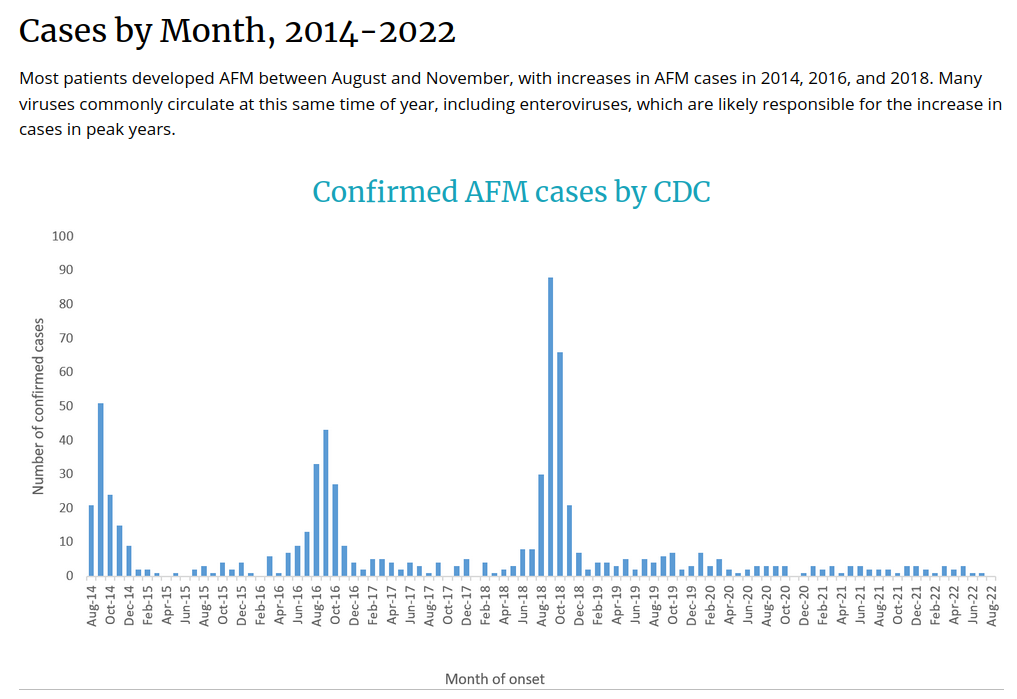
Acute flaccid myelitis (polio-like).
RSV prophylaxis in children with neurological diseases.
Prophylaxis with nirsevimab is recommended for the prevention of severe lower respiratory tract diseases caused by RSV, during periods of expected risk of RSV infection, in:
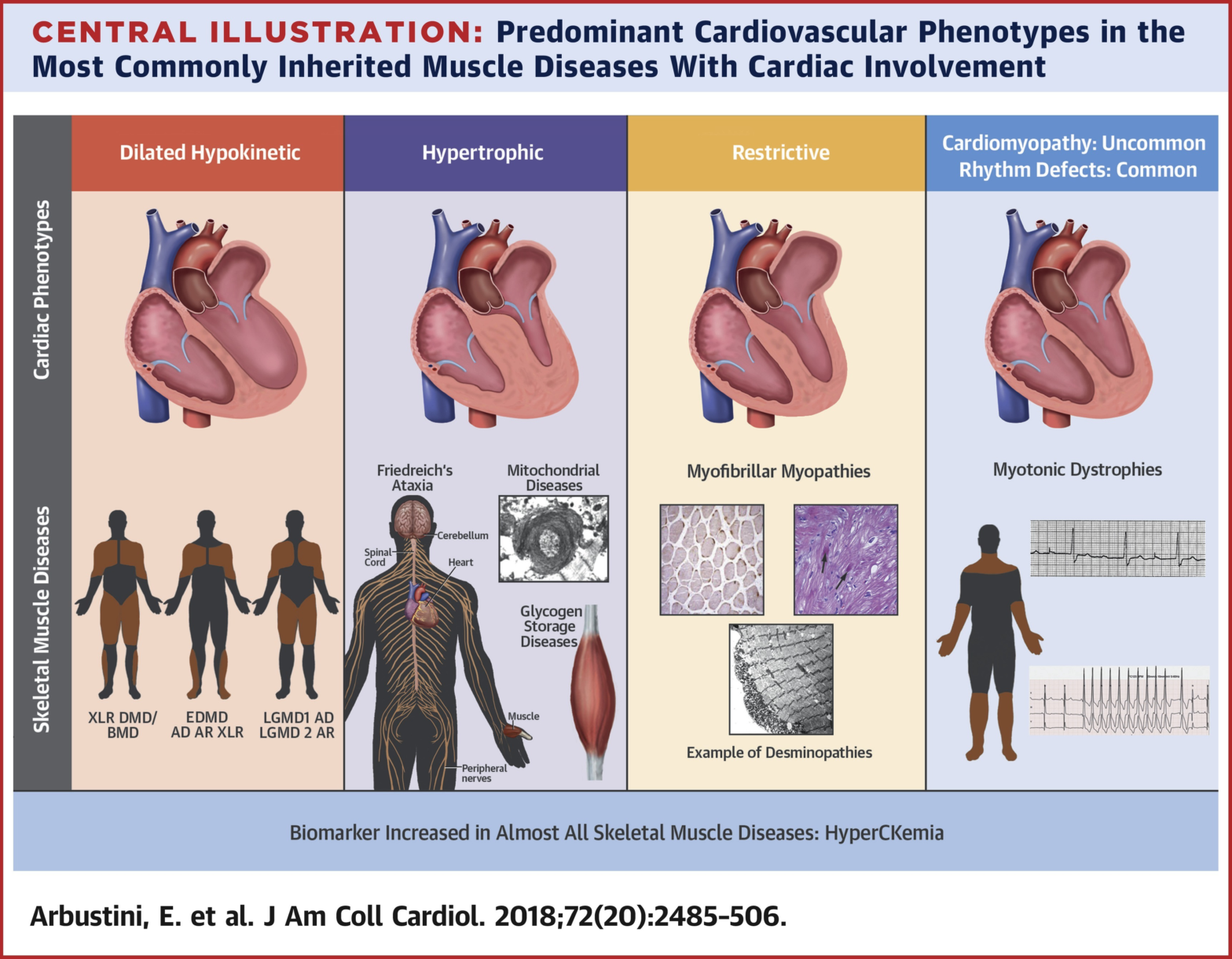
Cardiomyopathies in neuromuscular diseases.
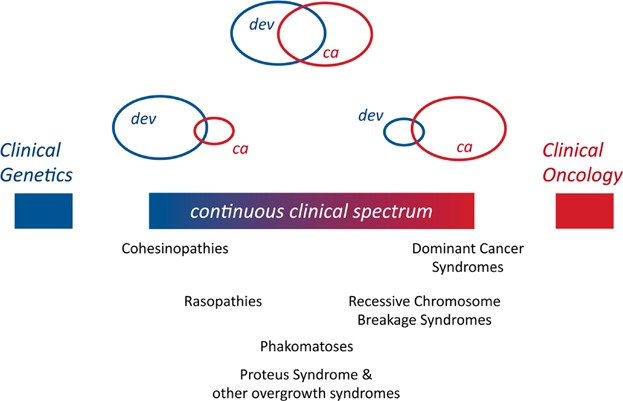
Neurogenetic disorders and oncological risk.
PTEN.
PHTS Foundation.