
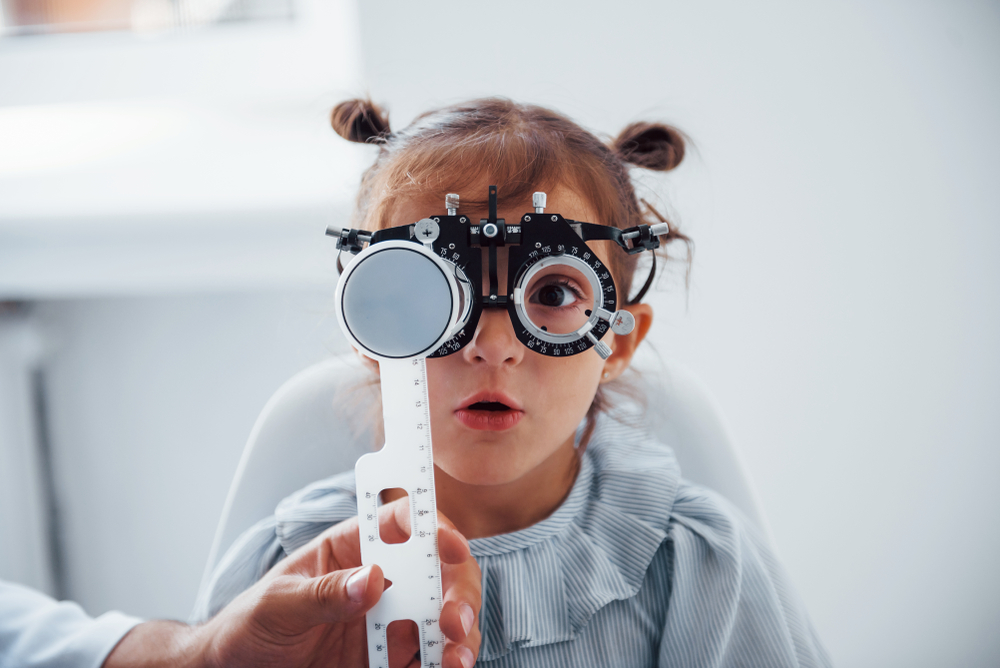
Neuro-ophthalmology is a complex field and usually there is no formal training. It sits between several specialties, making it difficult to determine the responsibilities of each professional. On the Neuro-ophthalmology at your fingertips website, there are educational videos on the neuroscience underlying neuro-ophthalmology. On the website of …
Category archives: Clinical guide
Palliative care.
On the website of the Spanish Association of Pediatric Palliative Care, they have intervention protocols and clinical practice guidelines.
Genetic technologies:
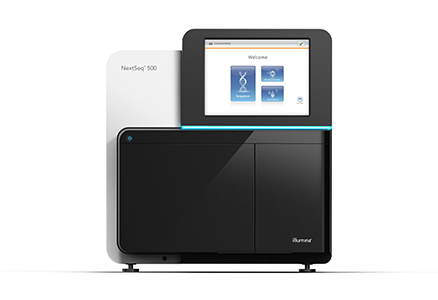
What are the different genetic technologies used for? What type of mutations is each technique capable of detecting?
TR (tandem repeat) disorders.

1. Classification by unit size 2. Why they are unstable (common mechanism) Clinical consequence: genetic anticipation = phenotypic manifestation of this increasing meiotic instability (paternal or maternal bias depending on the disease). 3. Three mechanisms depending on the location of the repeat (STR block) A) Coding exon, triplets (CAG=polyQ) B) Non-coding region (UTR, intron), large expansion…
Karyotype in the era of the aCGH:
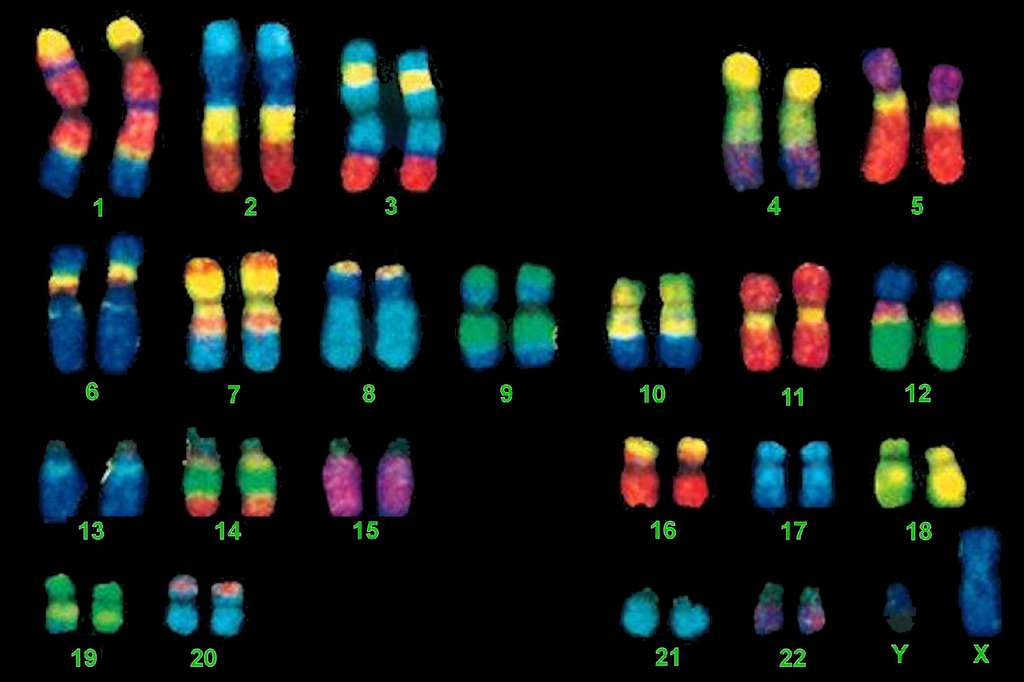
Indications in which the karyotype remains superior to molecular diagnostic techniques:
Notable mutations!
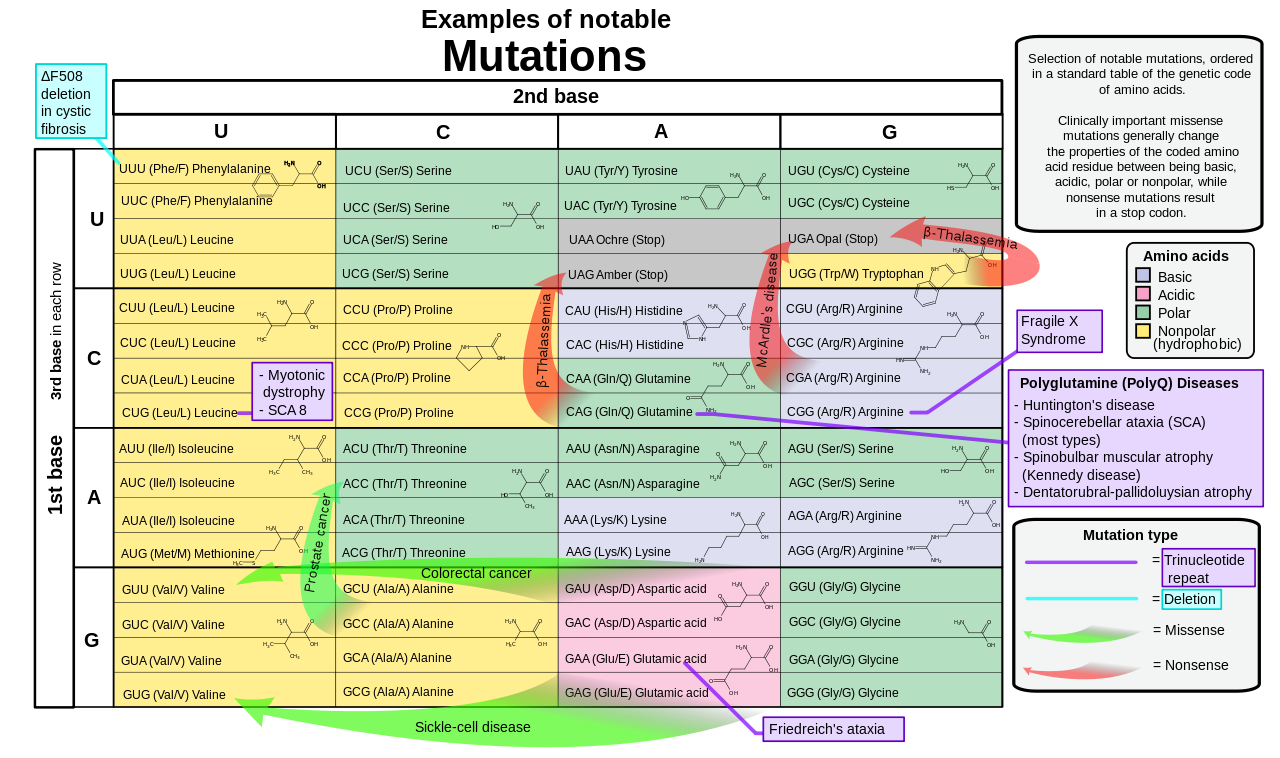
Notable Mutations Database This resource provides an up-to-date registry of pathogenic variants and genetic mutations that have relevant clinical impact or notable scientific interest in neuropediatrics and neurodevelopmental genetics. Includes detailed annotations on variants in ion channels (SCN1A, KCNQ2) and neuronal transporters with direct phenotypic correlation.
Disfemia-stuttering.
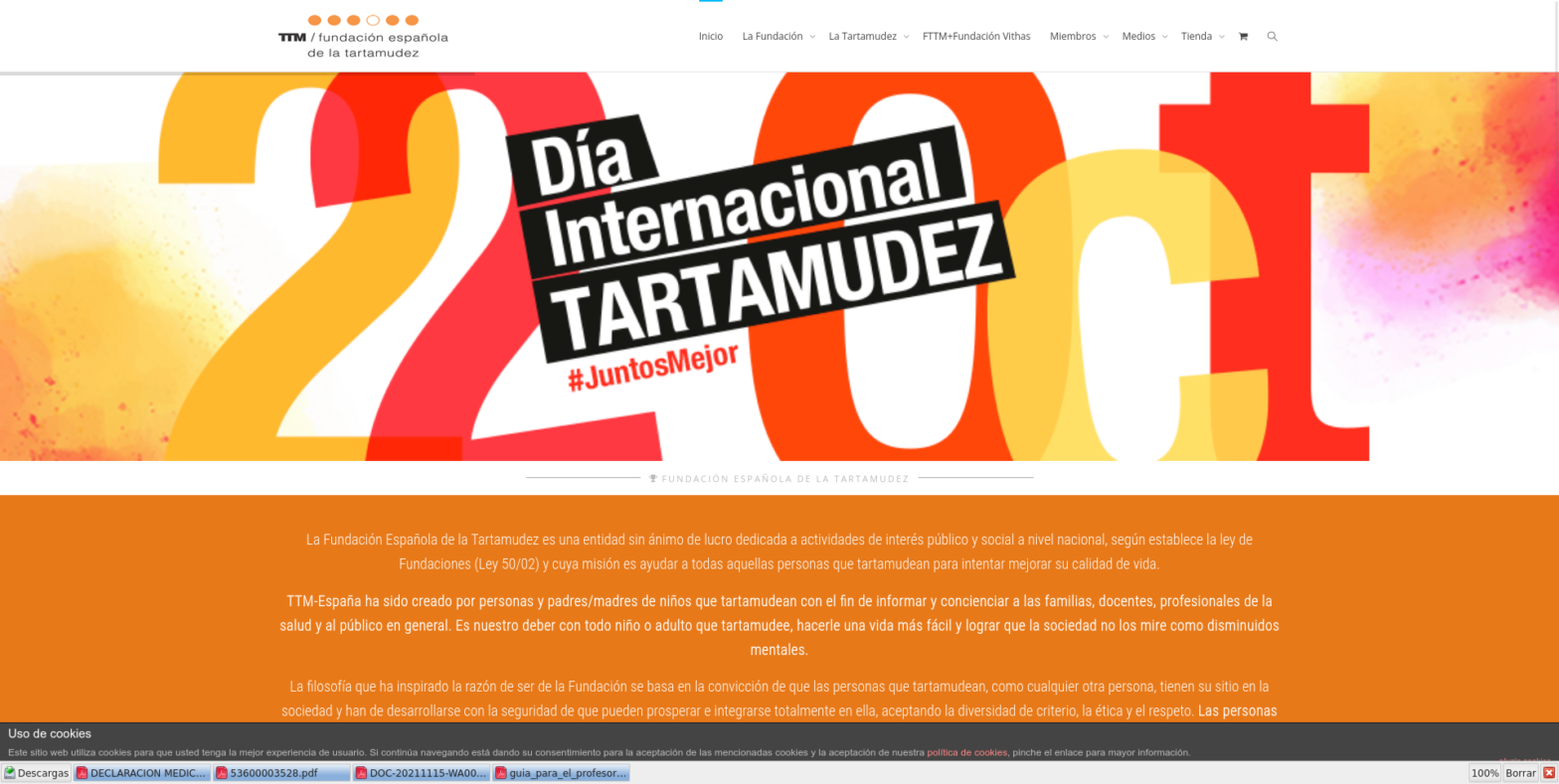
Website of the Spanish Stuttering Foundation with specific resources for the pediatric age group.
Springer video atlas of movement disorders.
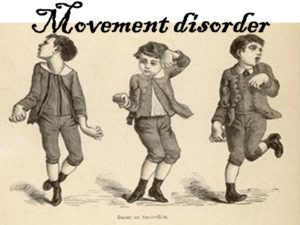
Click on the icon in the right corner to access one of the 97 posted videos.